
Is your phone line ready for AI? A readiness check for 2027
November 23rd, 2026
3 min read
By Will Maddox

Your phones are one of the easiest places to put AI to work, and one of the easiest places to get it wrong. Whether AI helps depends less on the tool you pick than on what's already true about your calls: whether you record them, whether you know what callers want, and whether anyone owns what happens next.
Here's a ten-question check you can score in about five minutes. It'll tell you whether your phone line is ready for AI going into 2027, and what to fix first if it isn't.
Why start with the phone?
Think about the last time you called a business and nobody called you back. Most people have a story like that, and most businesses have no idea how often it happens on their own lines.
The phone is where customers tell you what they need, in their own words, every day. If you record calls, that information already exists. And the results are easy to measure: calls answered, bookings made, callbacks returned. That makes it a better first AI project than almost anything else in a small business.
The phone line readiness check
Answer yes or no. Give yourself a point for every yes.
Can you see your calls?
- Do you record your business calls, all of them rather than a few lines?
- Do you know roughly how many calls you miss in a week?
- Do you know your busiest times of day for calls?
Do you know what callers want?
- Are the questions callers ask most often written down anywhere?
- Do you know the main reasons people call: booking, quotes, support, billing?
Is every call handled the same way?
- Is there a set path for every call: who answers, and what happens if they can't?
- Do after-hours calls go somewhere useful, rather than a full voicemail box?
- Is one person responsible for how your phones are set up and working?
Can you tell what happened?
- Can you see what happens after a call, like whether a booking was made or a callback returned?
- Do you know which AI features your phone system already includes?
What your score means
- 8 to 10: Ready. Pick the one call problem that costs you most and try an AI tool on it for 30 to 90 days, with your number written down at the start.
- 5 to 7: Close. Fix the gaps first. They're usually recording (question 1) or knowing what callers want (4 and 5).
- 0 to 4: Start with the basics. Not a bad place to be. Everything below is quick, low-cost and useful whether or not you ever buy an AI tool.
Where does voice AI actually help?
Voice AI does two different jobs, and it's worth knowing which one you're shopping for.
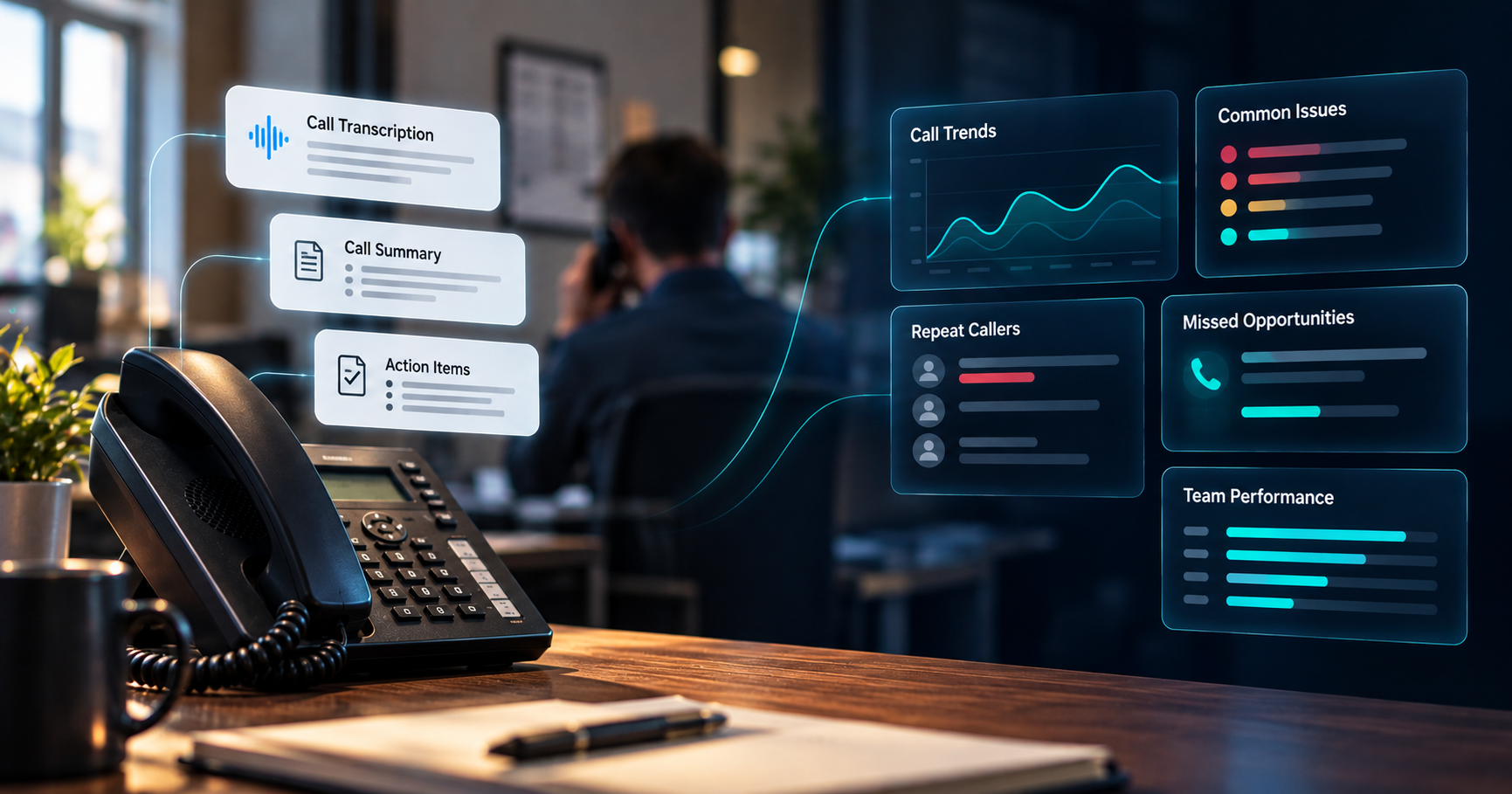
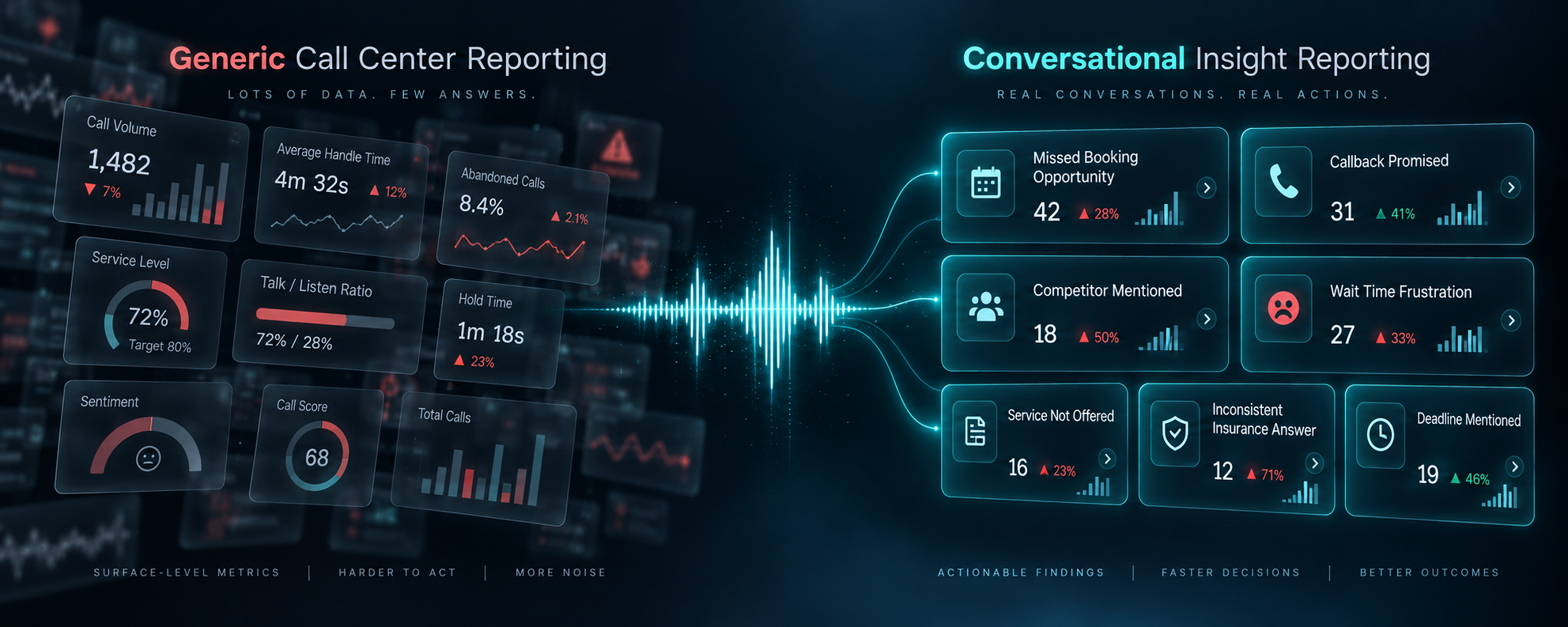
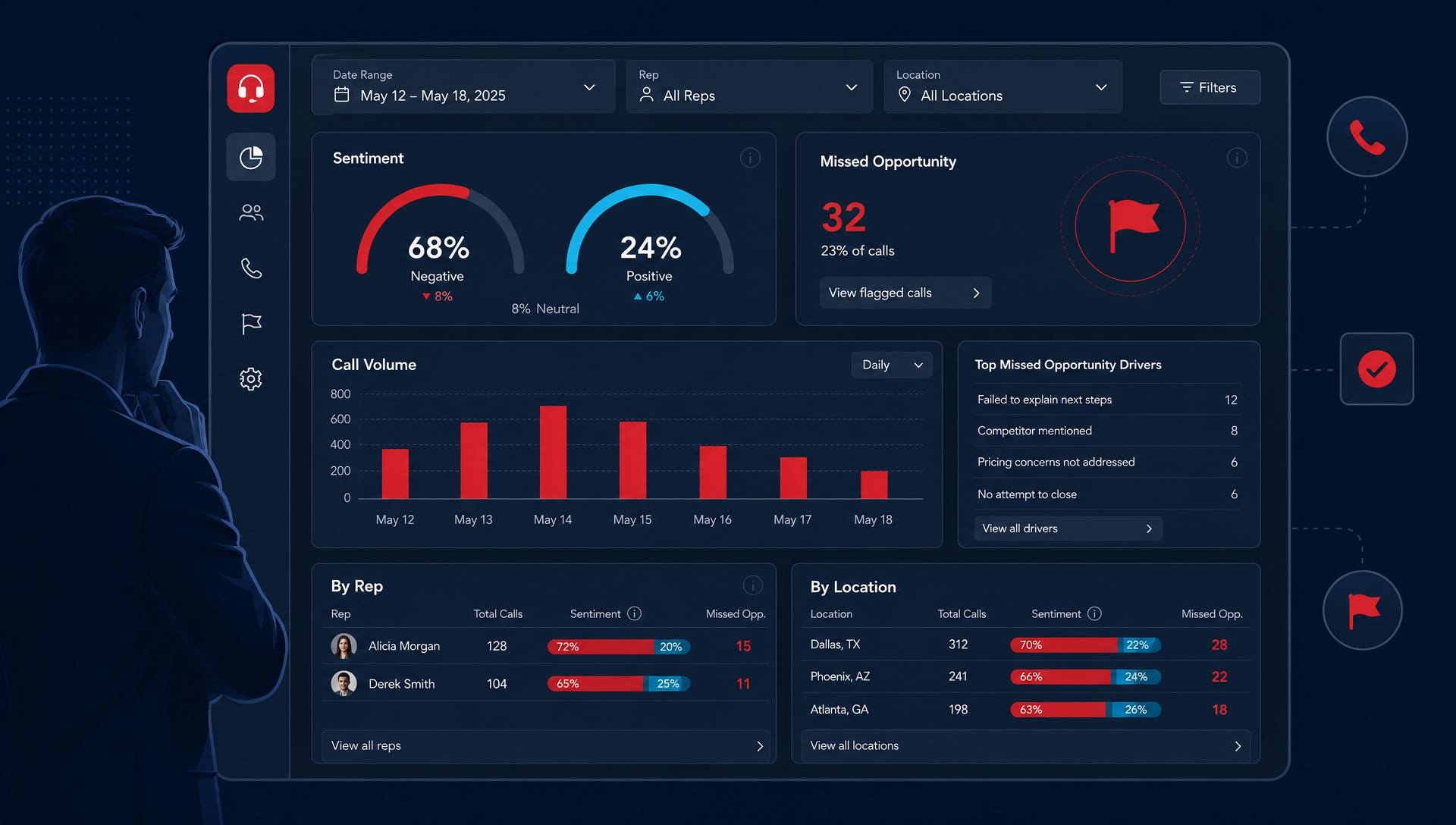
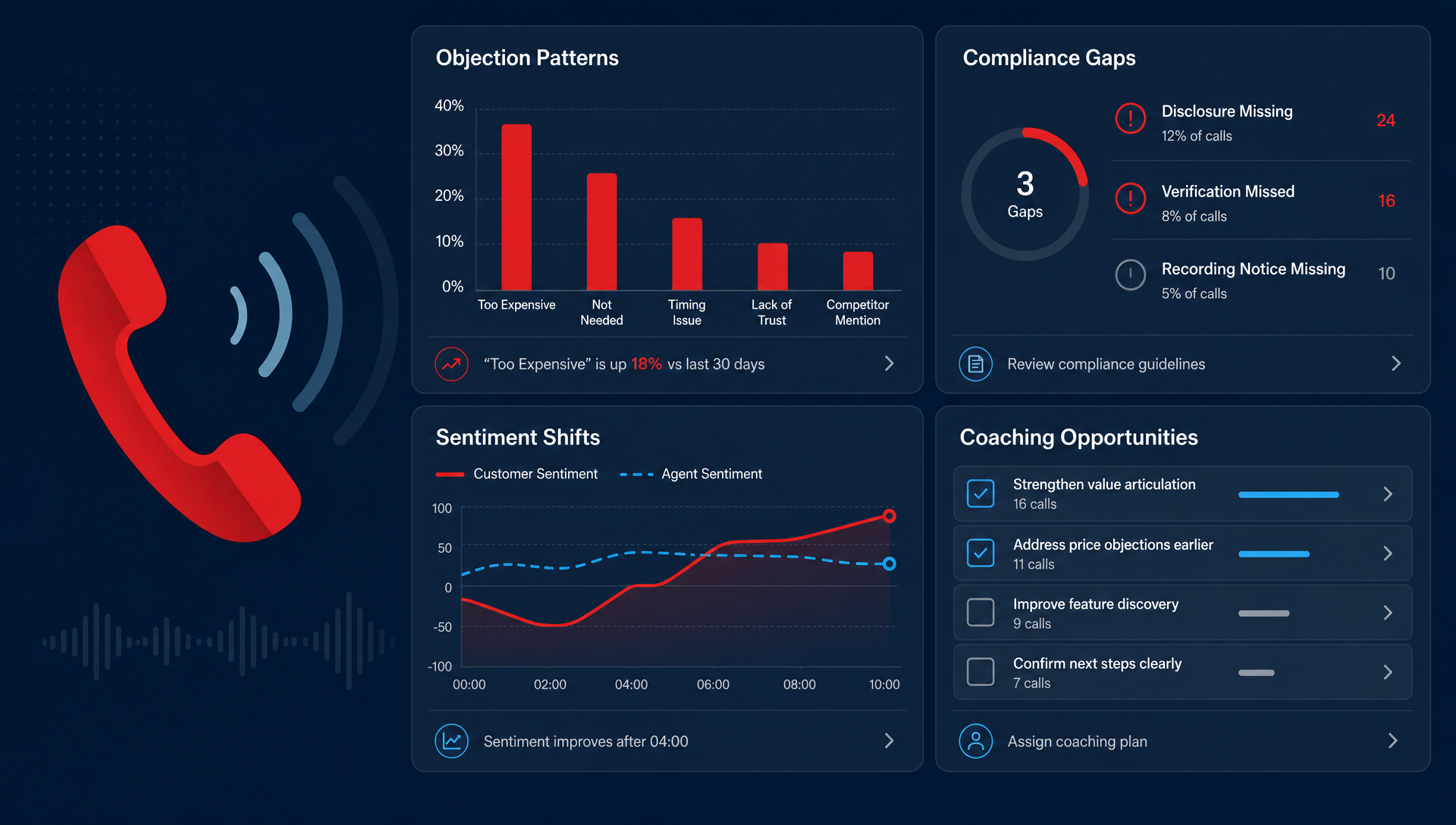
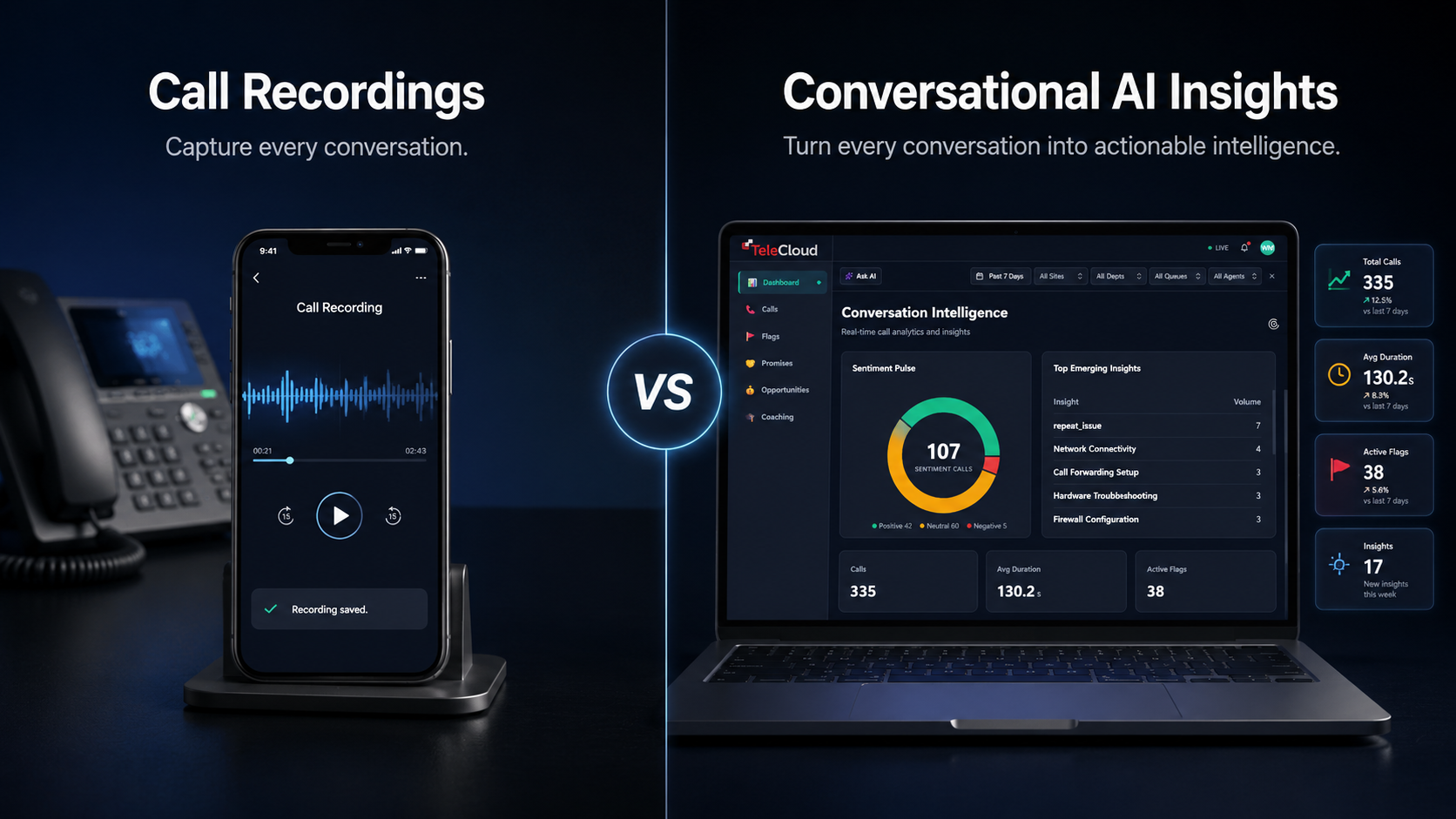
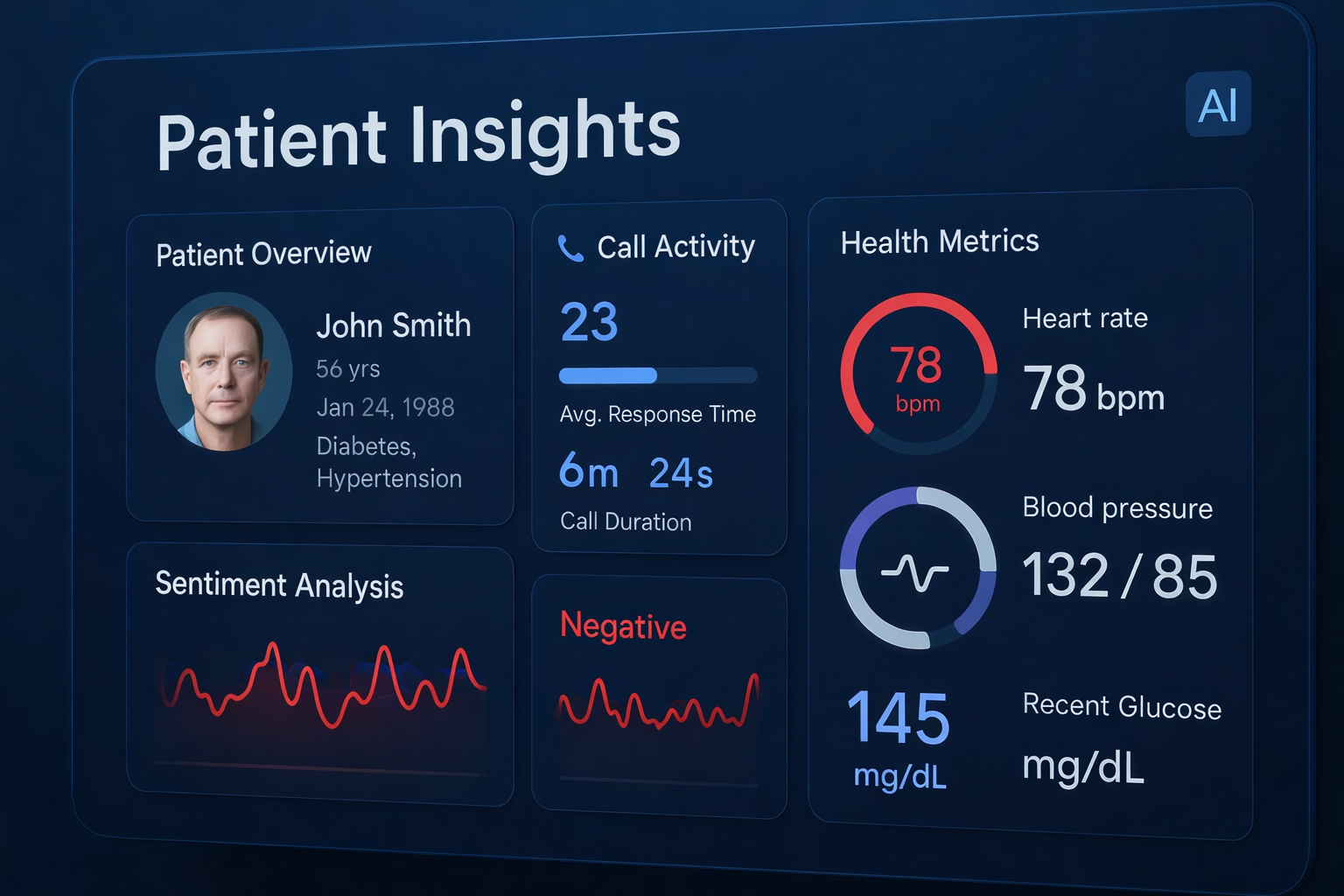
Understanding the calls you already take. AI can read every recorded call and point out what's going wrong: callers who were ready to book and never got asked, customers calling back about the same problem, the people on your team who'd benefit from coaching. That's what TeleCloud Sentinel Conversational Insights does today. If you scored well on questions 1 and 9, this is the natural first step.
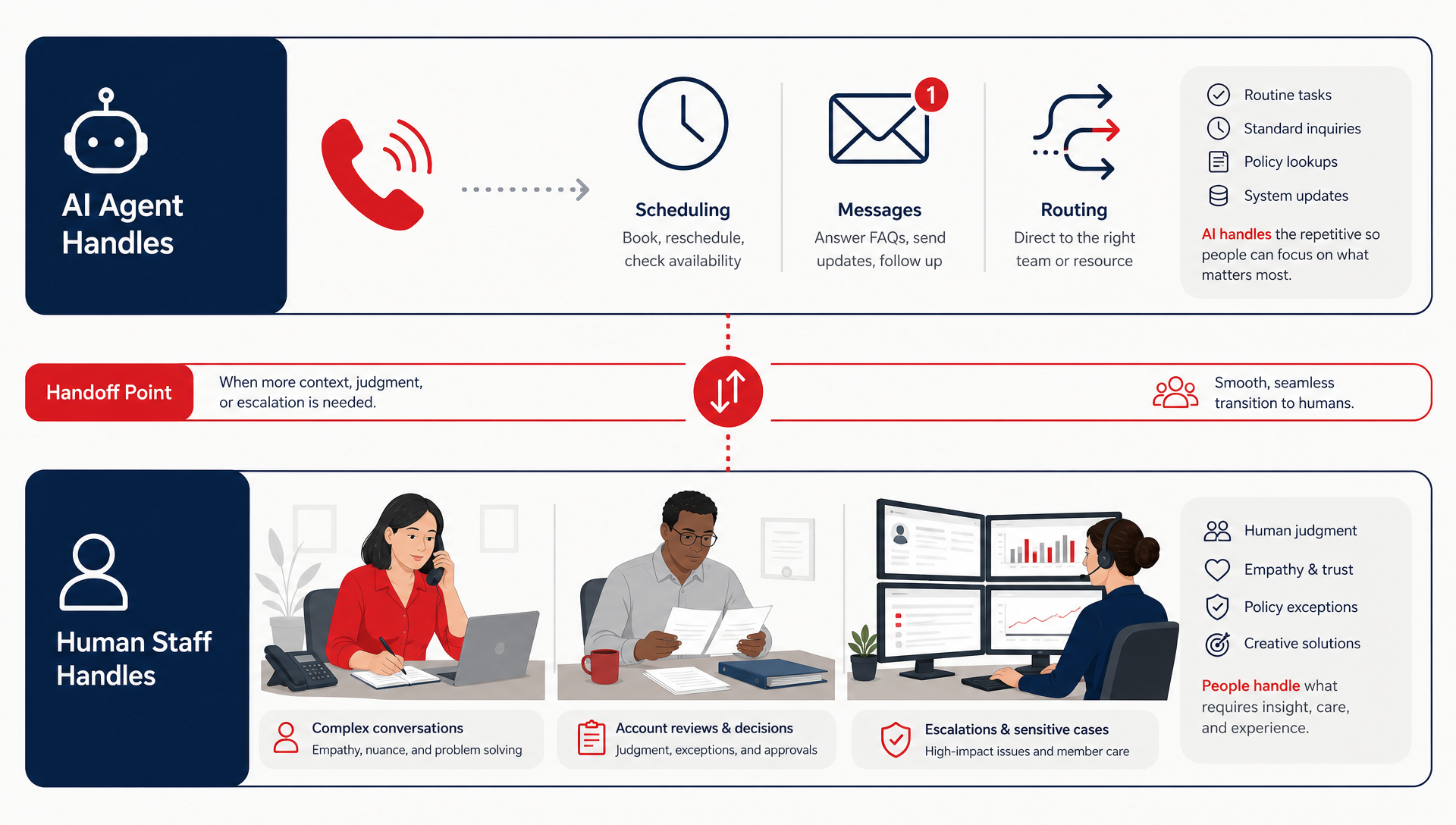
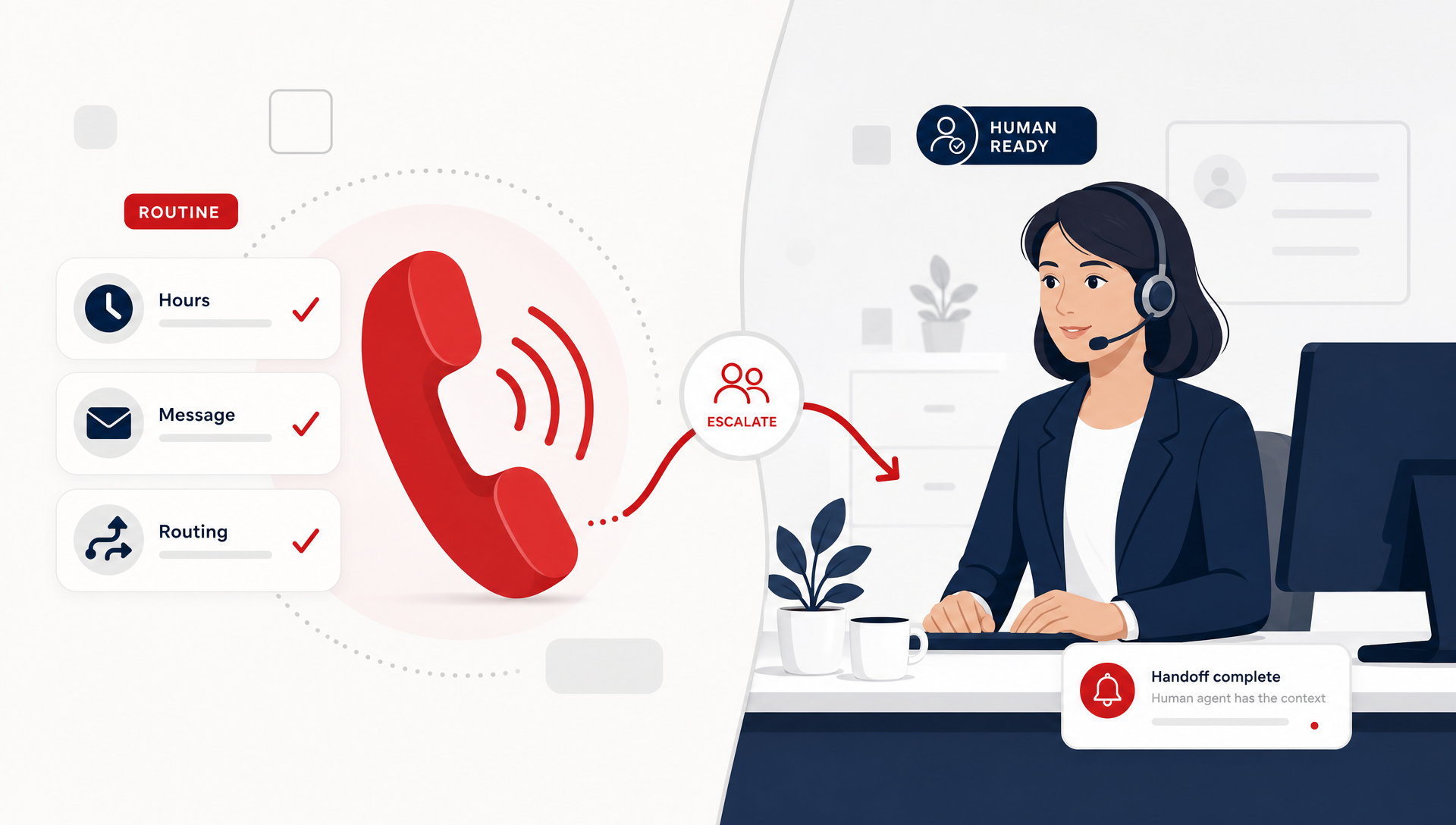
Answering calls. AI receptionists handle routine questions, take messages and cover after-hours calls, then hand callers to a person when they need one. It's on our roadmap, and it's worth having on your radar for 2027, whoever you end up working with. If you scored well on questions 4 to 7, you have what one needs to work. Our guide to AI receptionists covers the basics.
Not sure what your current system already does? Here's how to tell whether your phone system's built-in AI is enough.
What should you do if you scored low?
Four things, none of which need an AI budget:
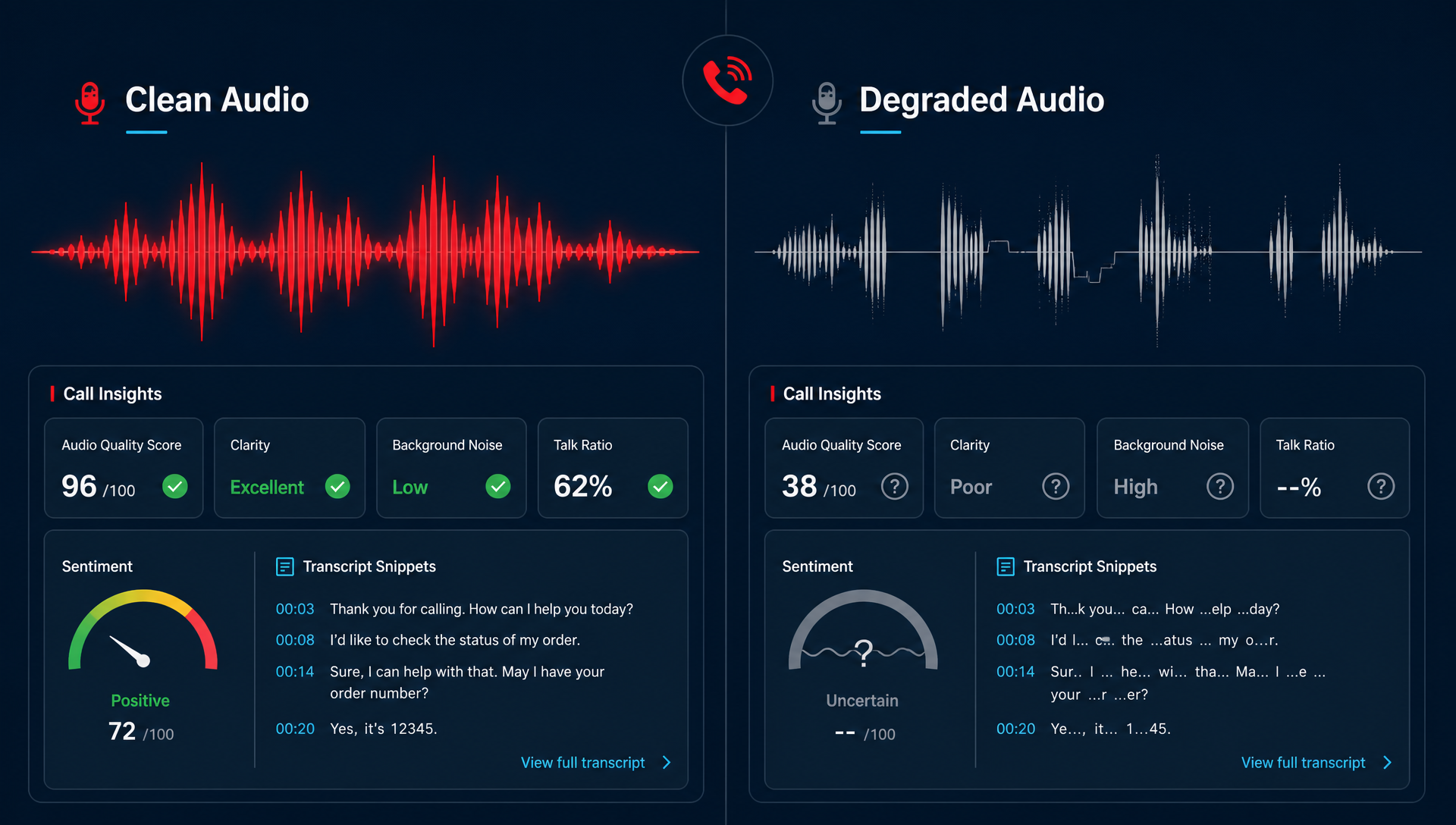
- Turn on call recording for every line. It's the information everything else runs on. Our call recording checklist covers what to set up.
- Write down the ten questions callers ask most. Ask whoever answers the phone. It takes an afternoon and pays off with or without AI.
- Map where every call goes, including after hours.
- Pick one number to watch, like missed calls per week, and write down where it is today.
What should you avoid?
- Buying a tool before you know the problem. You end up with a subscription looking for a use.
- Bolting AI onto your phones from the outside. An AI answering service set up separately from your phone system can leave callers stuck, passed between the AI and a department that's closed. Here's why the connection matters.
- Expecting it to run itself. Someone still has to read what it finds and act on it.
Your score tells you where to start. Next week we'll cover the bigger picture: the five decisions that make up a simple AI plan for 2027.
Every call is a customer experience. Going into 2027, AI will be part of more of them, and it's better to decide how than to have it decided for you.
FAQ
How do I know if my business phone system is ready for AI?
If you record your calls, know what callers usually want and have a clear path for every call, you're most of the way there. The ten questions above give you a score in about five minutes.
What can AI do on a business phone line?
Two main jobs: reading recorded calls to find missed bookings, unhappy customers and coaching moments, and answering routine or after-hours calls before handing callers to a person.
Do I need to record calls to use AI?
For anything that learns from your calls, yes. AI can only read the calls you capture.
Where should a small business start with AI on the phone?
Usually with the calls you already take: record them, find out what's going wrong, and fix the biggest problem first. Answering calls with AI comes after you know what callers want.
Will Maddox is the Digital Marketing Coordinator at TeleCloud, overseeing content, brand, and outbound strategy for the company. He writes about cloud communications, AI tools for business, and what SMBs and urgent care operators need to know to run better phone systems. Connect with Will on LinkedIn or email him directly to learn more.
Topics: