Most teams already have the data, they just do not have the signal. Raw recordings and transcripts show what was said, but they do not tell you which objections keep killing deals, where compliance slips happen, or which reps need coaching first.
If you manage 50 to 500 calls a day, you already know the trap. Review falls behind, notes get inconsistent, and the same patterns keep repeating until someone finally listens to a bad week of calls and says, "We should have caught this sooner." We see that a lot in multi-location teams and busy contact centers, and the problem is usually not volume alone, it is the lack of a system that turns calls into decisions.
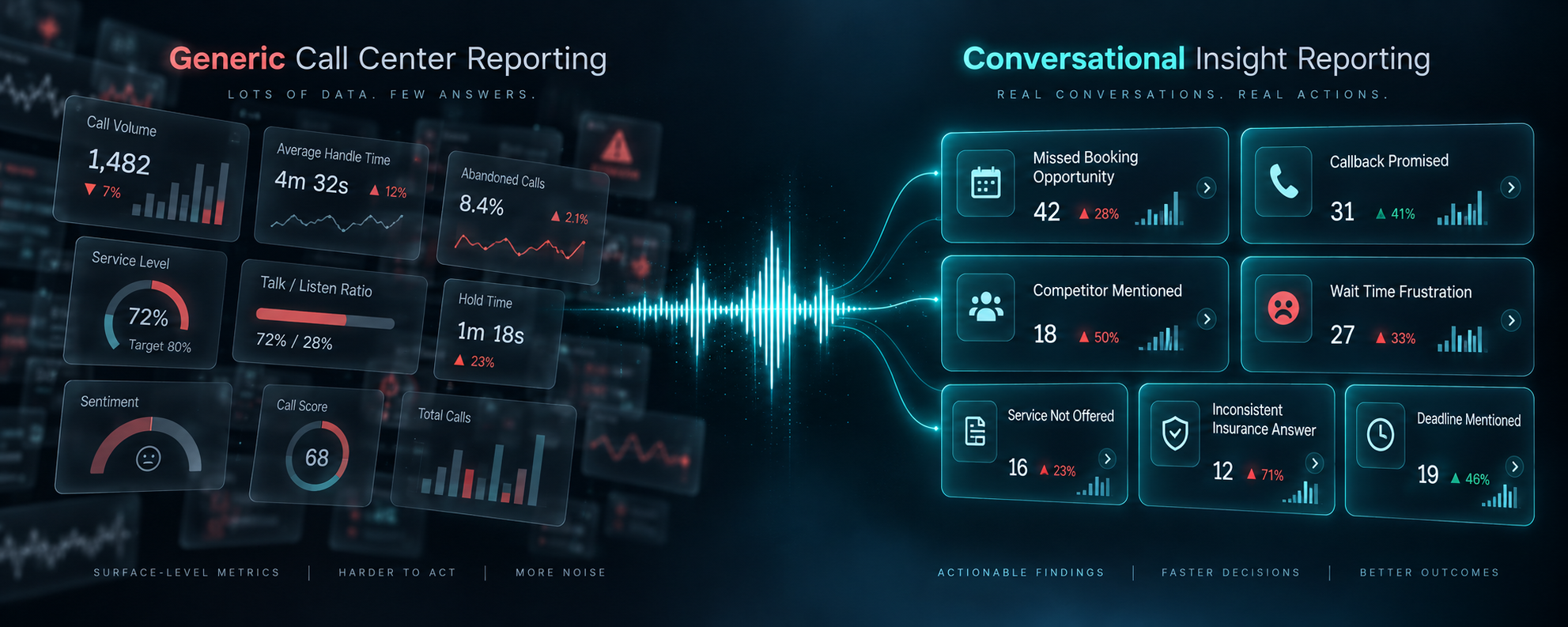
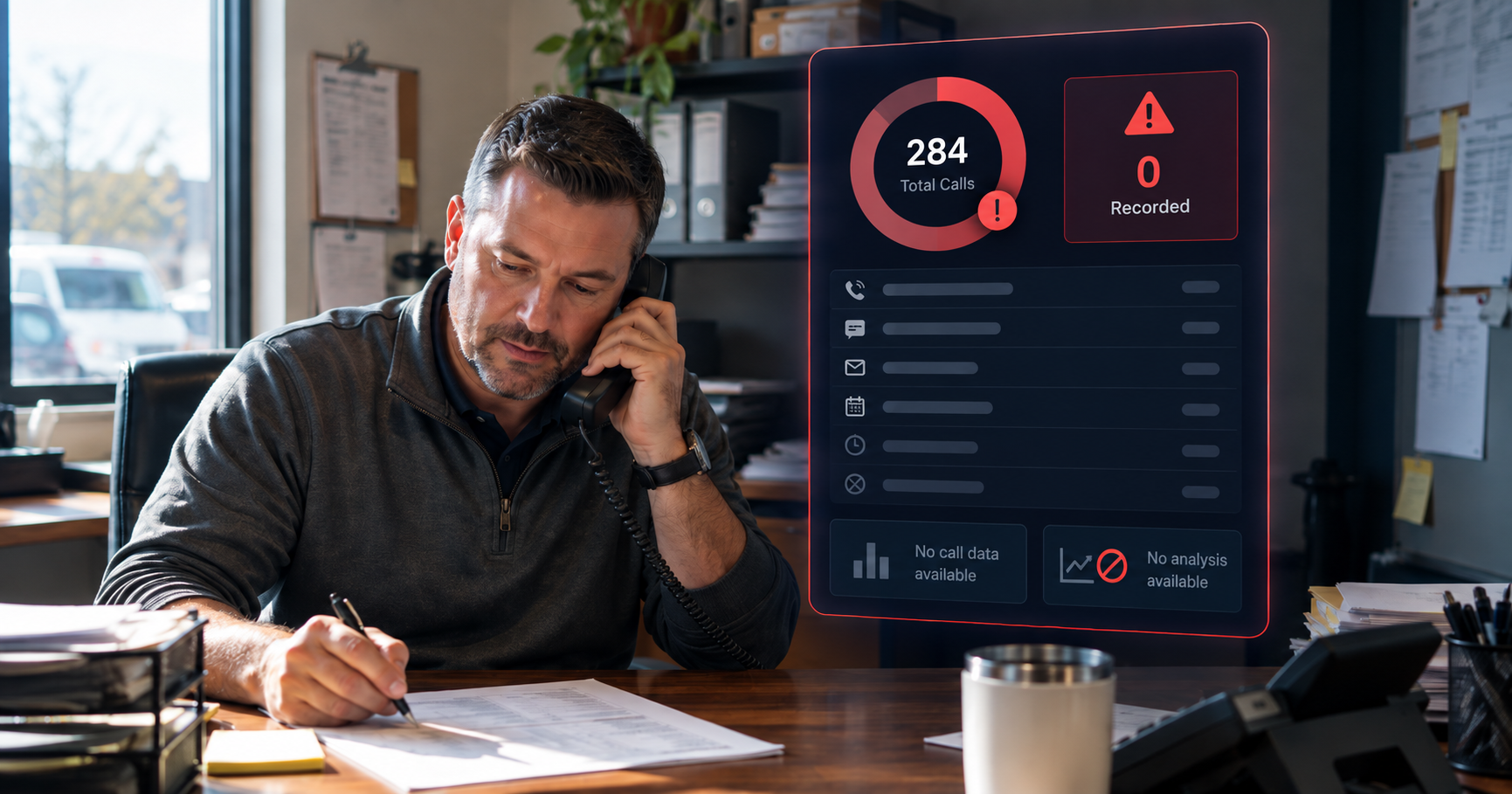
Why recordings alone do not change decisions
A recording is evidence. It is not a summary, a trend line, or a coaching plan.
The gap shows up fast. One manager hears a handful of calls and assumes the problem is one rep. Another manager hears a different handful and blames the script. Without structured analysis, you end up with opinions instead of patterns.
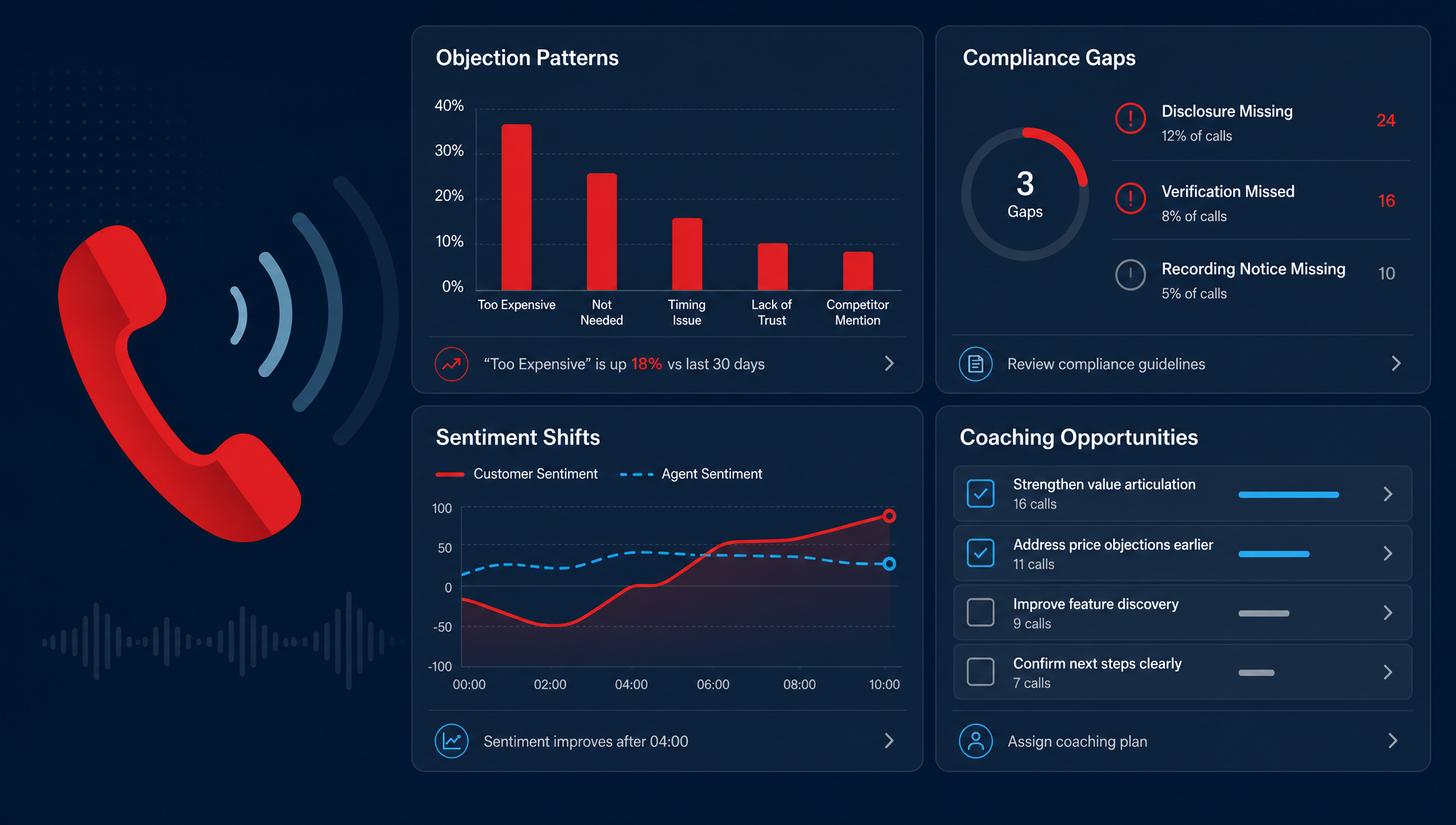
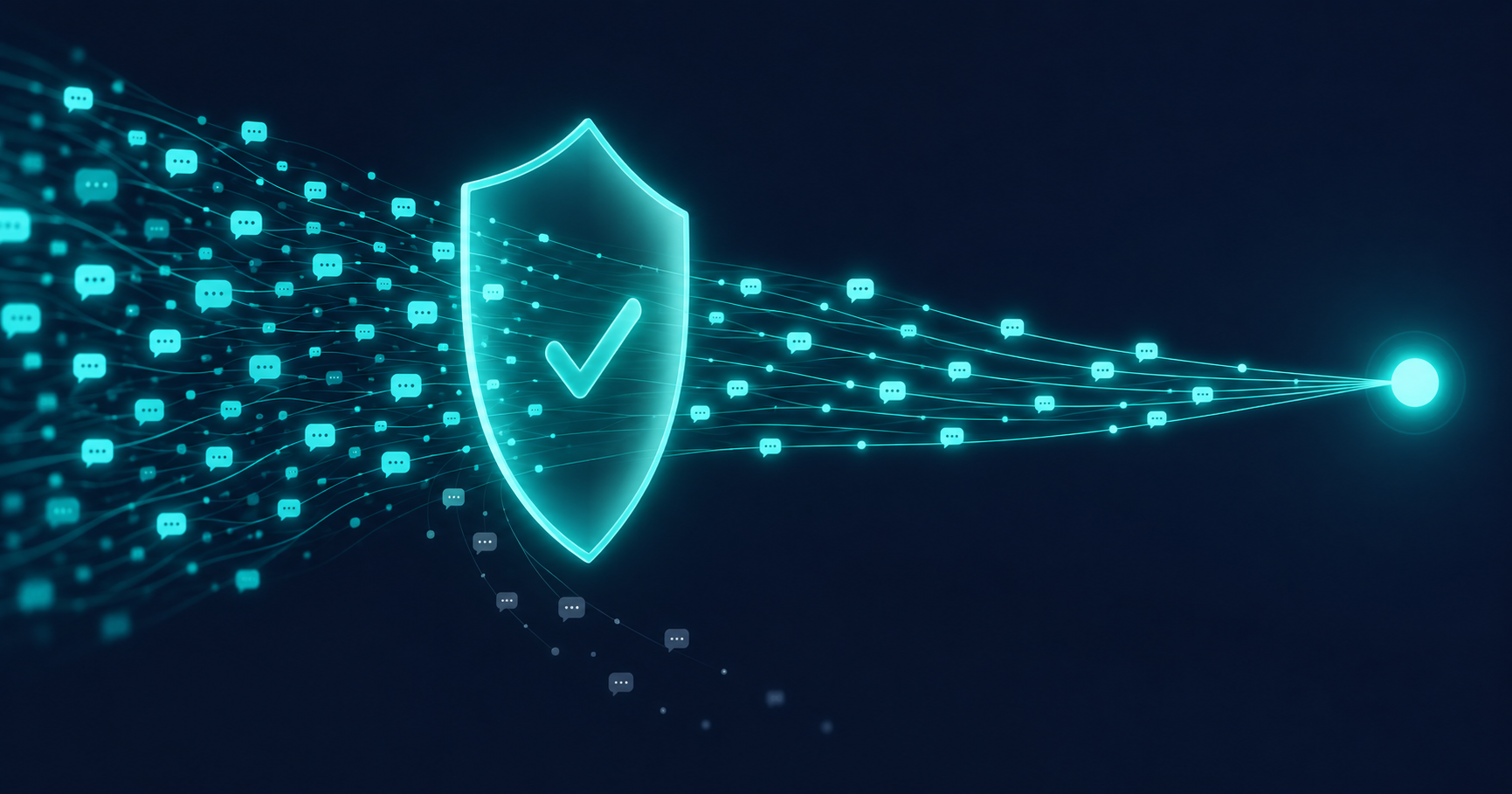
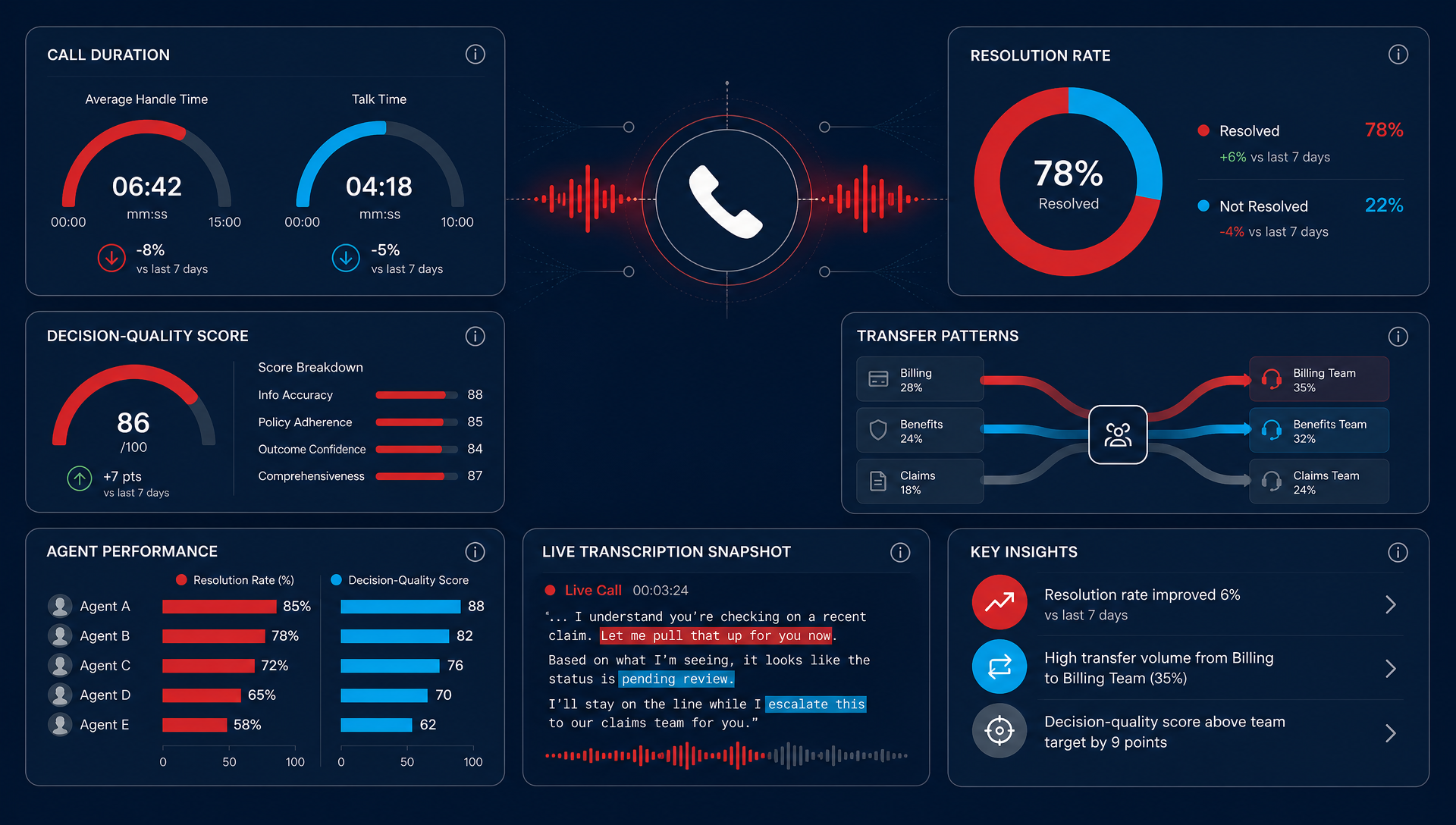
That is where Conversational AI Insights comes in. It reads every recorded call, then organizes the details into themes you can act on, like sentiment shifts, outcome patterns, escalation triggers, and repeat misses.
What AI can pull out that humans miss
Manual review is good for edge cases. It is bad at scale.
Here is what usually gets buried inside recordings and transcripts:
- Objection patterns, like pricing pushback, timing issues, or coverage questions that show up across teams
- Compliance gaps, like missing disclosures, risky language, or steps that get skipped under pressure
- Upsell moments, where a rep had the opening but did not take it
- Coaching opportunities, like long talk times, weak handoffs, or agents who interrupt too early
- Customer sentiment shifts, where a call starts fine and turns flat or frustrated halfway through
The useful part is not that the AI hears words. It is that it groups repeated behavior into a report you can review by team, location, or call type.
For a quick primer on why that matters, TeleCloud has long separated recorded calls from analysis in its own guidance on recording calls as the first step, because the recording itself does not do the work.
What this looks like in a busy SMB
Picture a sales ops manager at a 12-seat team. They record every call, but they only spot problems when a deal goes sideways. By then, the pattern has already hit ten other calls.
With AI Insights, that manager can see which objections are popping up most often, which reps are skipping the same step, and where leads are falling out of the funnel. That changes the weekly meeting. Instead of asking, "How did the team sound?" they can ask, "Why are people hesitating at the same point in the call?"
In a healthcare setting, the use case shifts. A practice manager may care less about selling and more about intake quality, hold behavior, and whether staff are missing follow-up details under pressure. The same call review habit still applies, but the questions get sharper.
If you want the broader product picture, TeleCloud's Conversational AI Insights explains how the dashboard turns call data into searchable patterns, not just archives.
What this means for coaching and QA
A good QA process should tell you where to spend your next hour, not just how last week felt.
In our deployments, the biggest shift is usually from random sampling to targeted review. A supervisor stops grading whichever calls happened to be easiest to find and starts looking at the calls that actually matter: missed opportunities, repeated objections, and calls with poor sentiment trends.
That gives you a cleaner coaching loop:
- Review the calls with the highest risk or the biggest upside
- Group the patterns by rep, location, or issue type
- Coach the behavior that repeats, not the one-off mistake
- Check the next week for whether the pattern moved
The goal is not more call listening, it is better call decisions.
When this is not the right move
AI insights are not magic, and they are not a substitute for bad process.
If your team does not record calls consistently, the first fix is still call capture discipline. If your intake or sales process changes every week, you may also need to stabilize the script before you expect clean reporting. And if you only need to review a few calls a month, manual QA may be enough.
The point is to use AI where the volume is too high for human review to keep up. Once you cross that line, the question stops being, "Can someone listen to all of this?" and becomes, "What patterns are we missing because nobody can?"
Stop treating recordings like a filing cabinet
Recordings are useful, but only if they help you make a better decision on Monday morning. The teams that get value from Conversational AI Insights are the ones that stop treating calls like archives and start treating them like operating data.
If you want to see how that would work in your own call flow, Talk to an Expert and we will walk through the kinds of patterns AI Insights can surface.
FAQ
How is Conversational AI Insights different from call recordings?
Call recordings store the conversation. Conversational AI Insights turns those recordings into structured signal, like themes, sentiment, outcome tracking, and coaching cues. That makes it much easier to spot repeat problems across a team.
Do I need to listen to every call to get value?
No. That is the point of the product. You can review patterns across all calls, then pull out the specific conversations that need a human listen.
Can this help with coaching reps?
Yes. It helps supervisors see which behaviors repeat, which objections are most common, and where calls break down. That makes coaching more targeted than random sampling.
Is this only for sales teams?
No. Operations, customer success, QA, and healthcare teams can all use it. The question is not whether the call is a sale, it is whether the call contains patterns you need to see sooner.
What if we already have transcripts?
Transcripts help, but they still leave the review burden on a person. AI Insights adds structure, trend detection, and call-level sorting so the team can act on the data instead of reading every line by hand.