
Deflection is a useful number, but it is not the whole story. If you only track how many callers never reach a person, you can miss whether your AI actually solved the issue, protected the customer, or created another problem for the front desk later.
That matters on Monday morning when finance asks for ROI, the contact center manager wants fewer repeats, and the compliance team wants to know what the bot said on a sensitive call. A low deflection rate can look bad even when the calls it handled were clean, and a high deflection rate can look good even when callers hung up frustrated. In our deployments, that gap is where most of the real value, or real risk, lives.
This post breaks down what deflection misses, what to measure instead, and how Conversational AI Insights helps you see the difference between busywork and actual call outcomes.
What does deflection hide?
Deflection tells you volume moved away from agents. It does not tell you whether the caller got a real answer, whether the issue was resolved, or whether the caller came back angry an hour later.
That is why deflection alone can flatter a weak workflow. A caller who gives up after a long menu is technically deflected. So is a caller whose question got answered by the AI in 20 seconds. Those are not the same outcome.
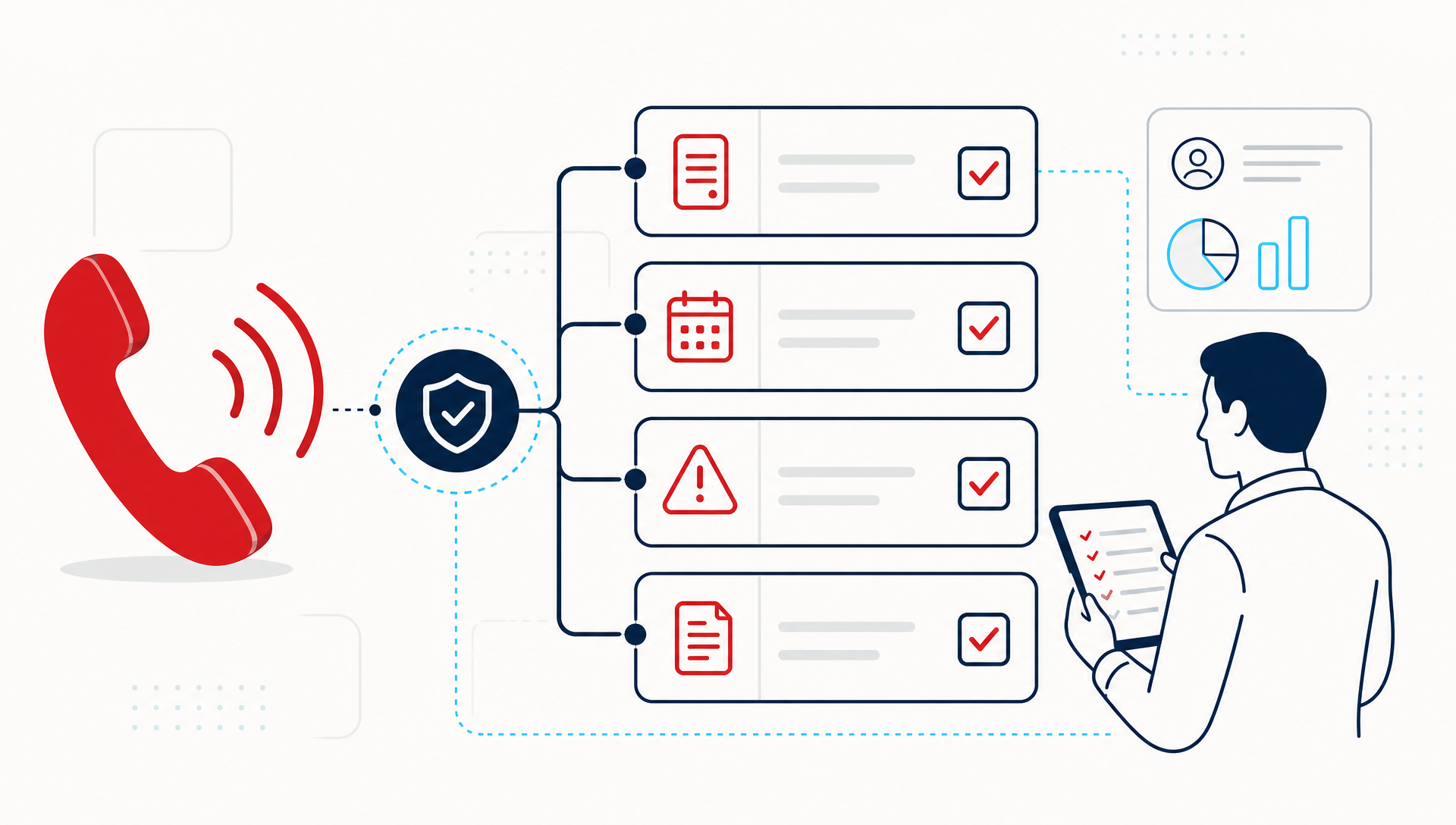
A better question is, what happened after the call was handled? Did the system capture intent, route the caller correctly, reduce repeat contacts, or surface a complaint that needs a human follow-up?
Which call outcomes matter more than call volume?
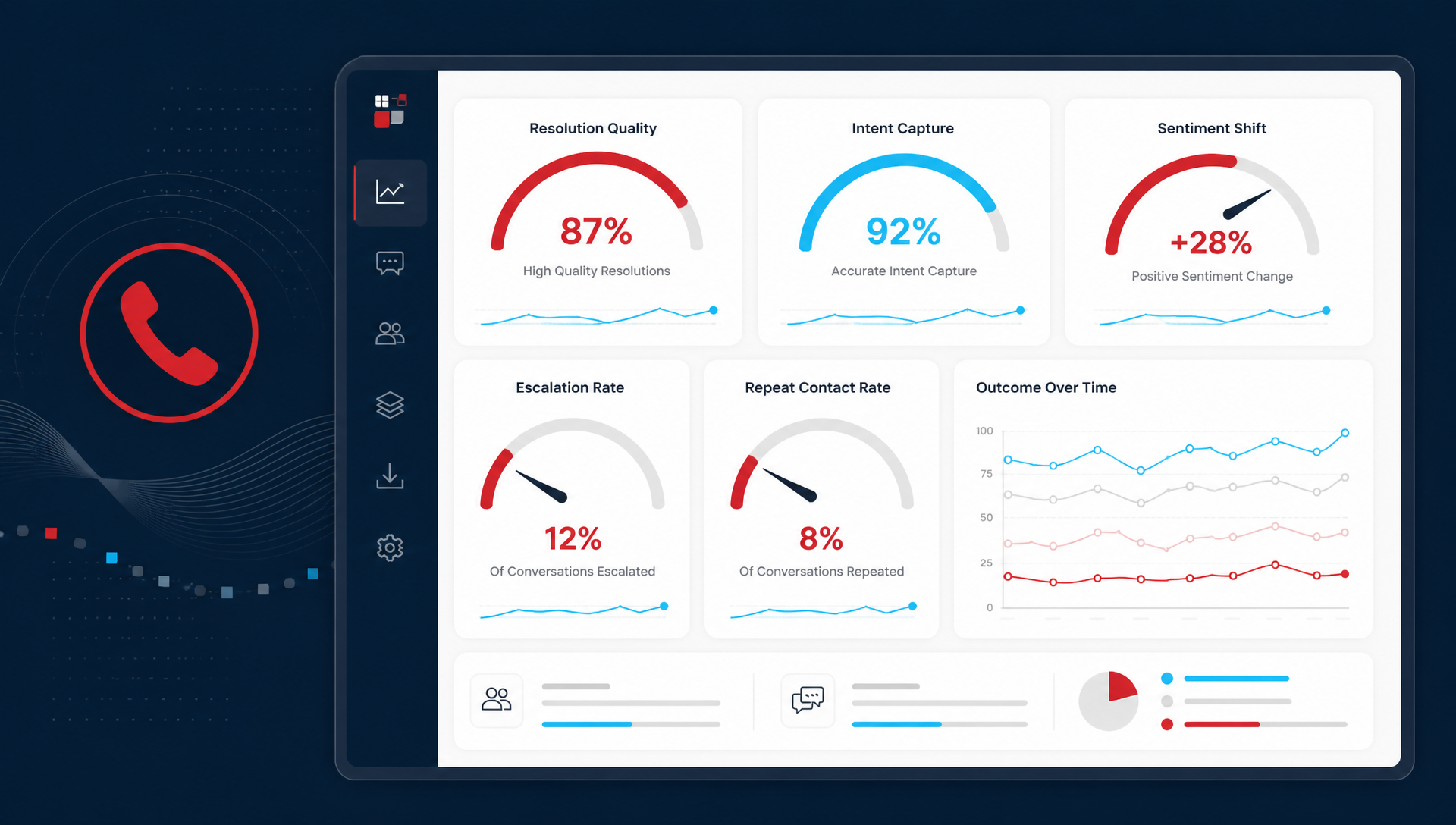
The metrics that matter most are the ones tied to the actual work your team does. For an operations leader, that usually means:
- Resolution quality: did the issue end on the first interaction?
- Intent capture: did the AI understand why the caller reached out?
- Sentiment shift: did the caller calm down or get more frustrated?
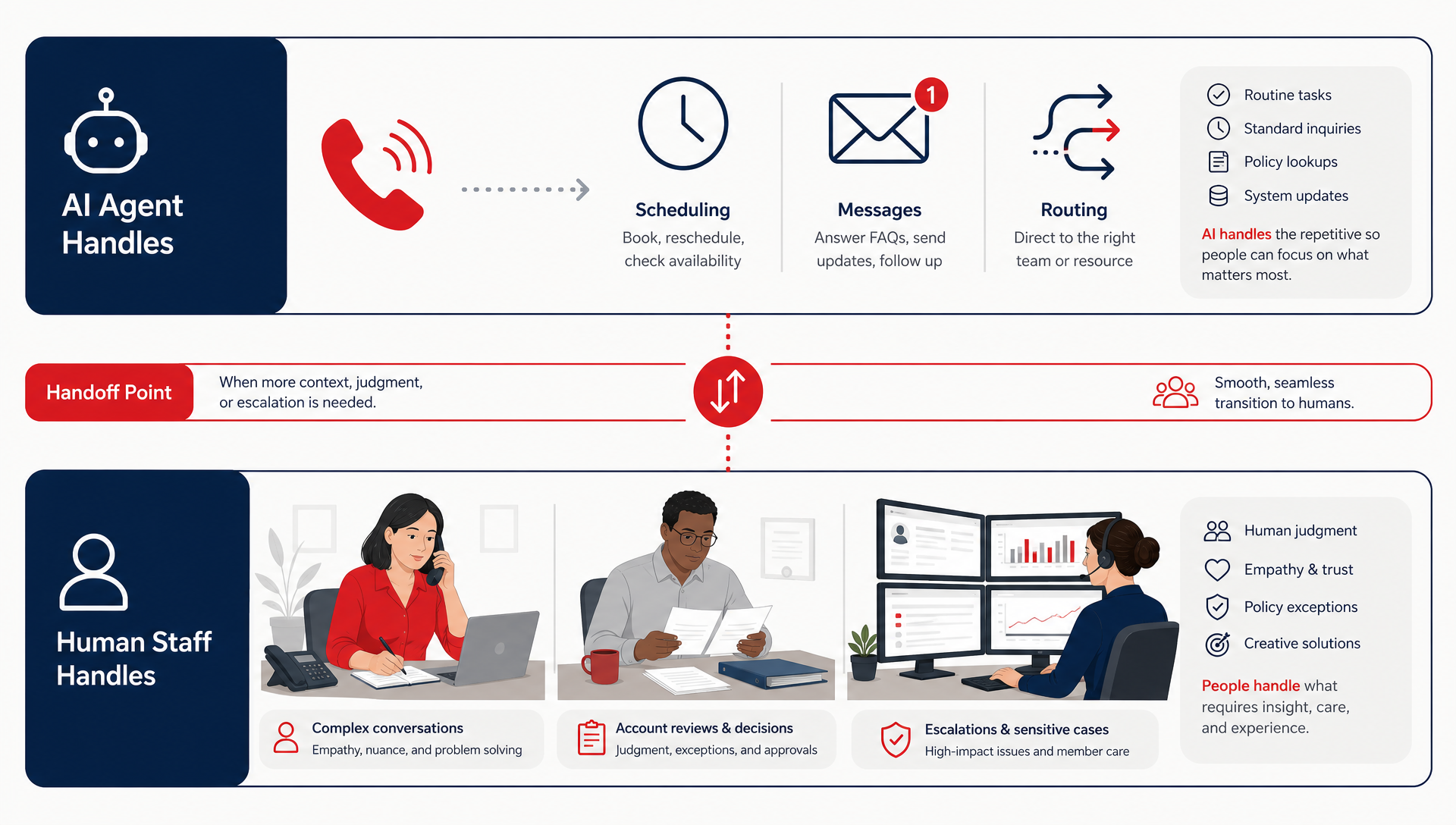
- Escalation rate: did the call move to the right person when it should have?
- Repeat contact rate: did the caller call back for the same problem?
Those are the numbers that tell you whether automation is helping or just moving traffic around. If you are defending the spend to finance, those outcomes are easier to explain than a single deflection percentage.
They also show where the system breaks. A good deflection number with bad sentiment is still a bad day for your team.
What does this look like in your business?
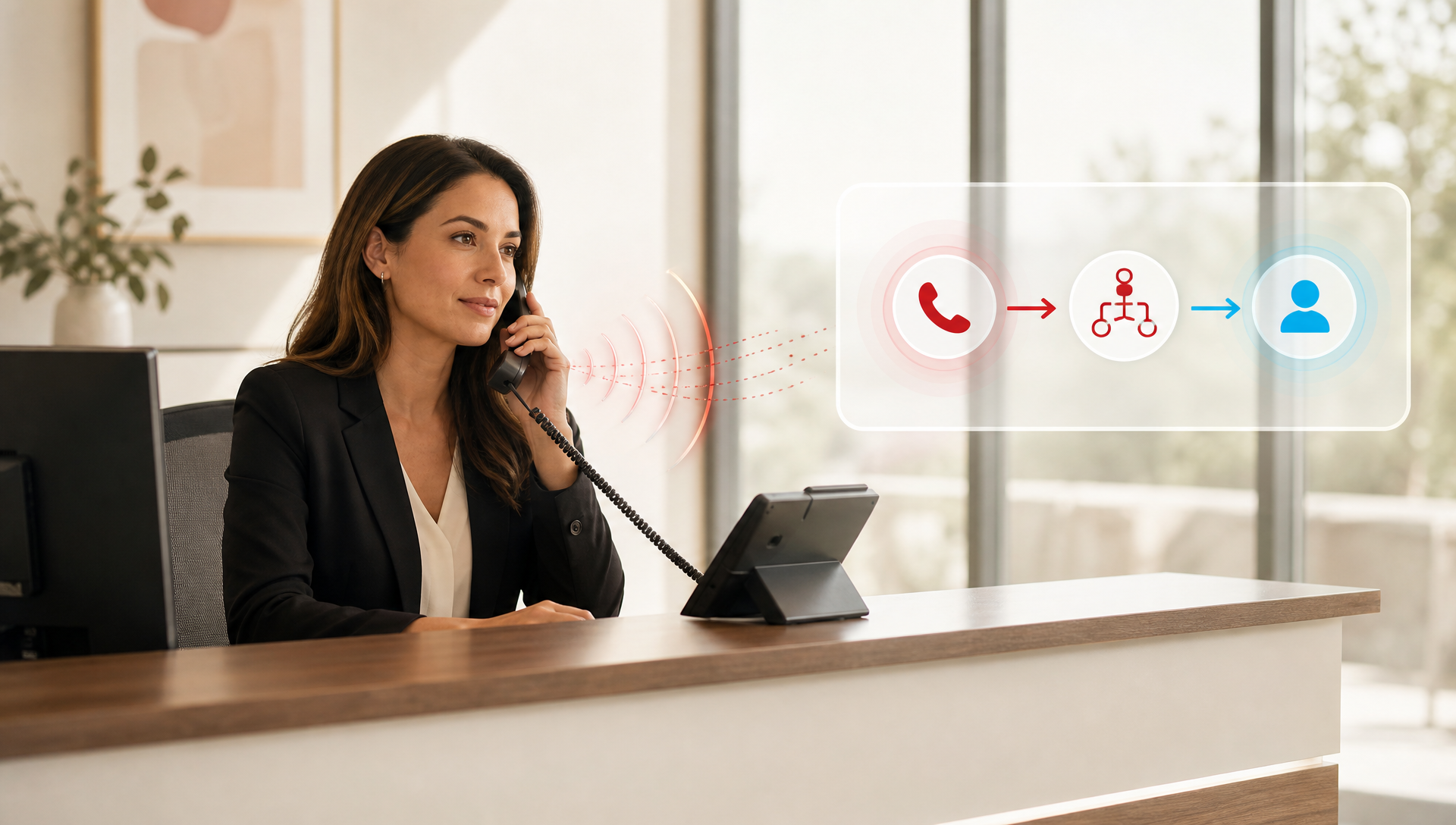
Think about a multi-location service desk or a healthcare front office. A caller asks about hours, insurance, a refill, or a same-day slot. The AI handles the first turn, but the useful question is what happened next.
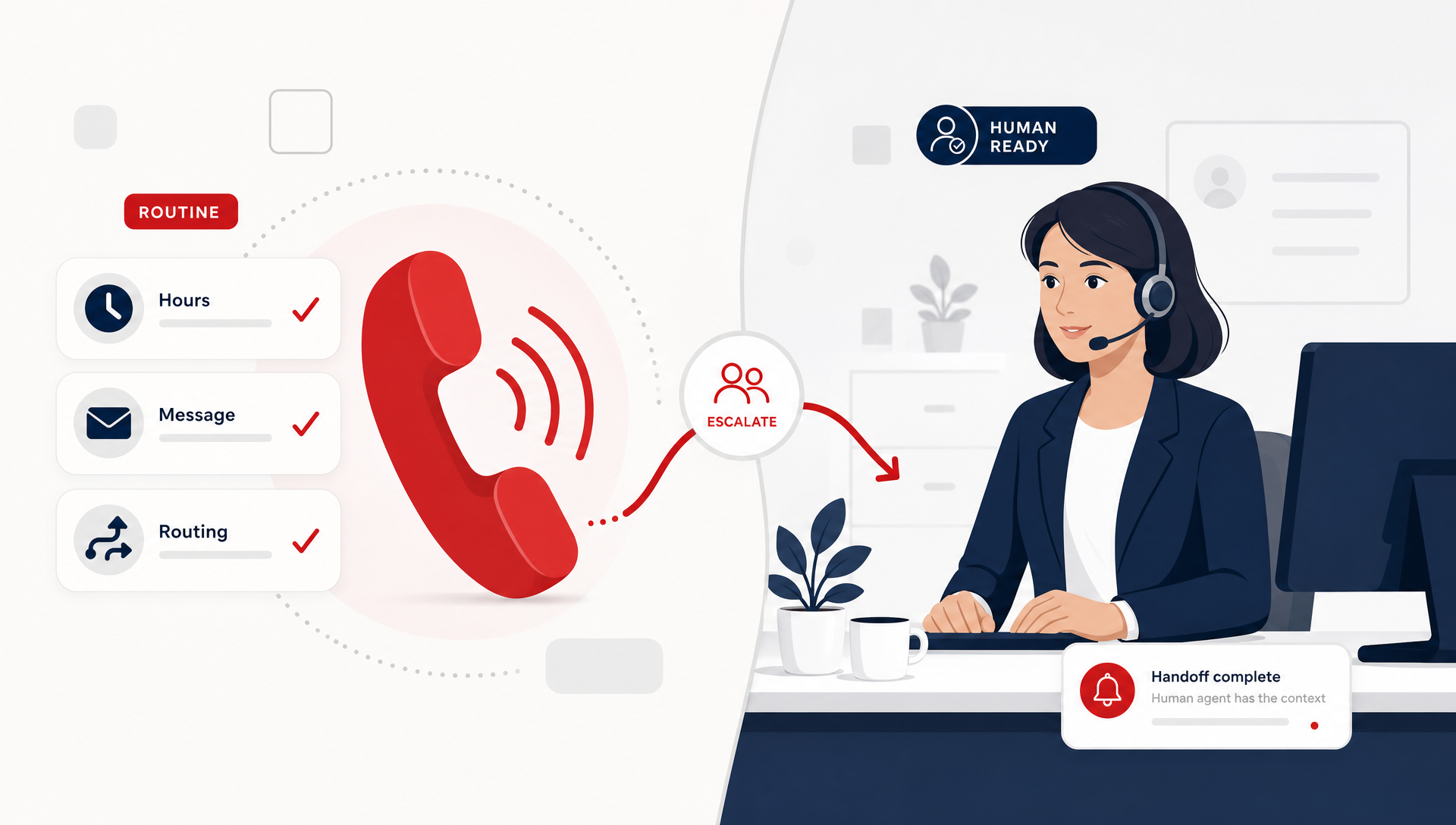
Did the call end with the right answer? Did the caller ask for a manager? Did the same caller try again later? Did the AI send a clean handoff to staff, or did the front desk have to re-open the whole issue?
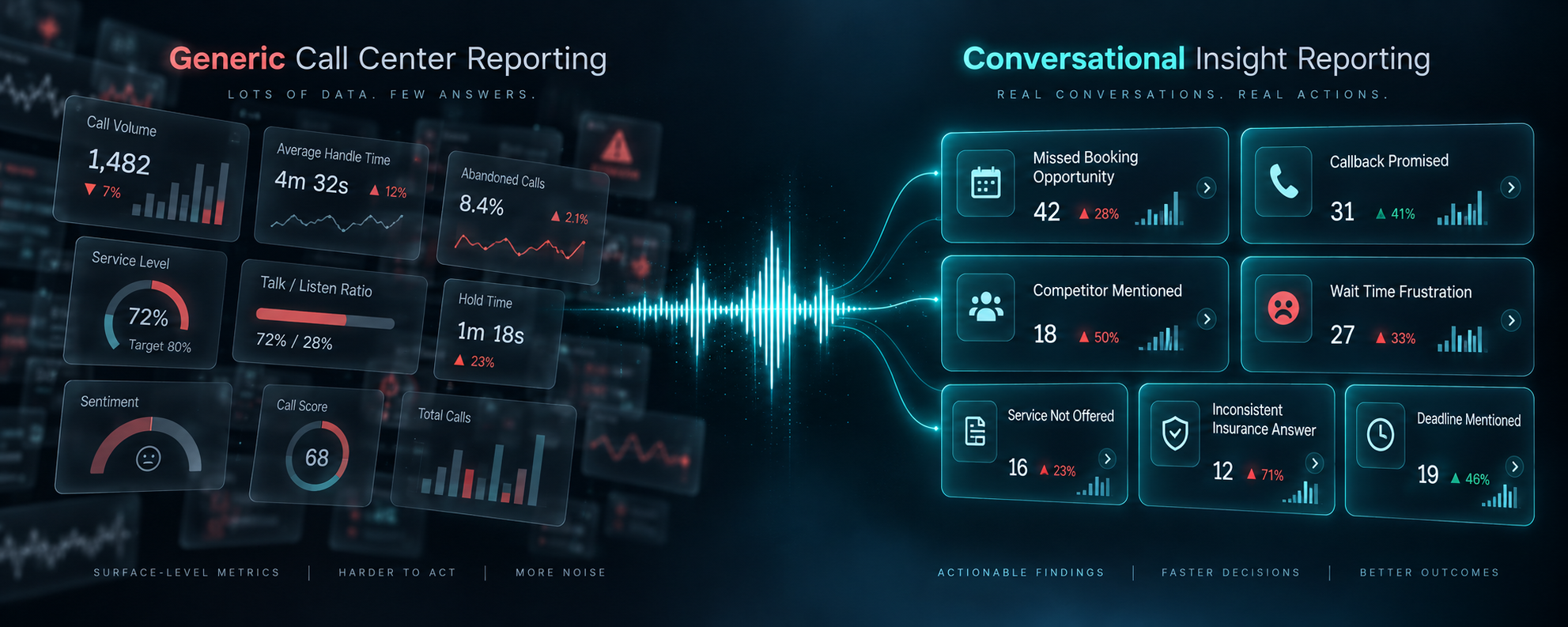
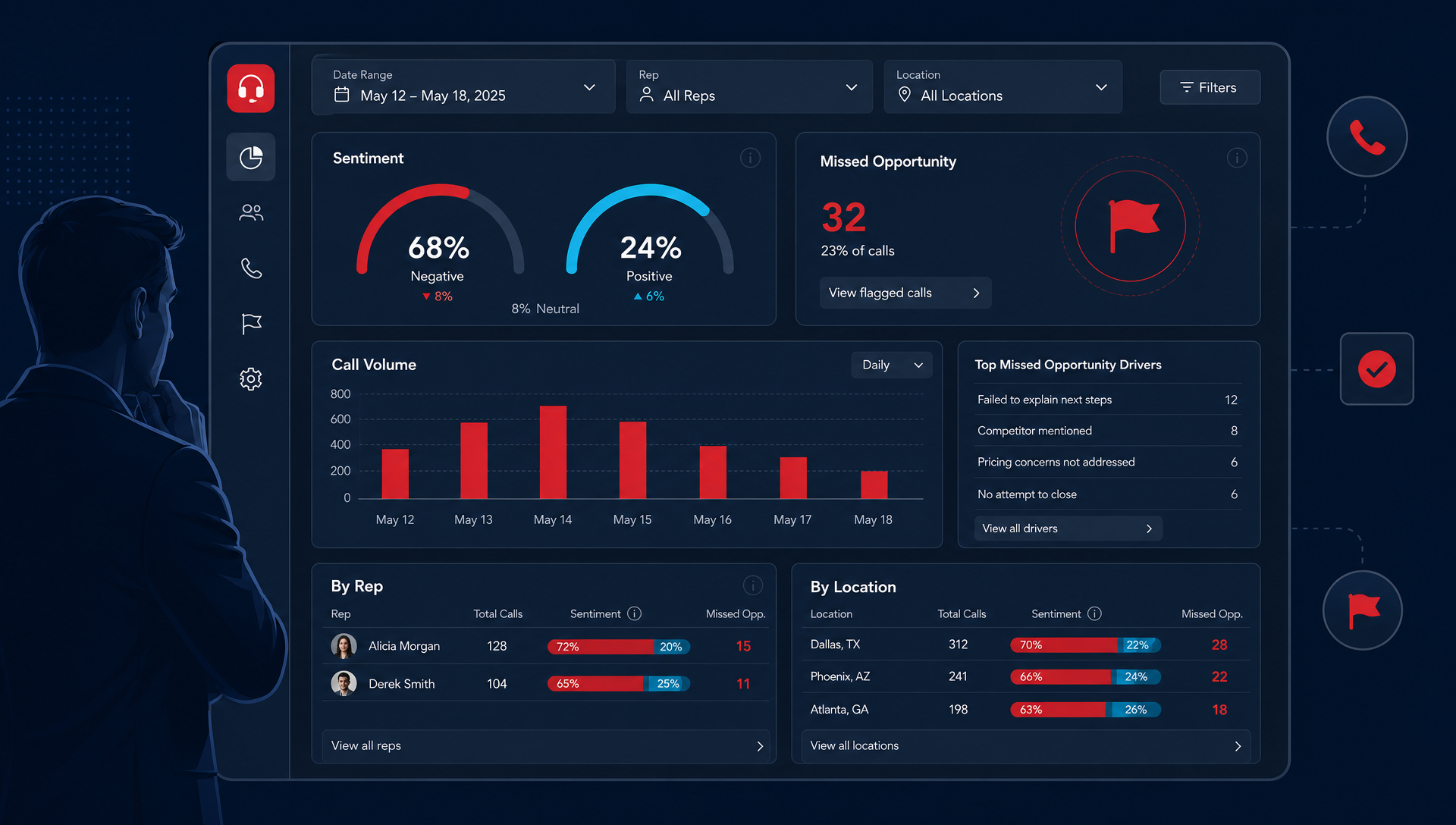
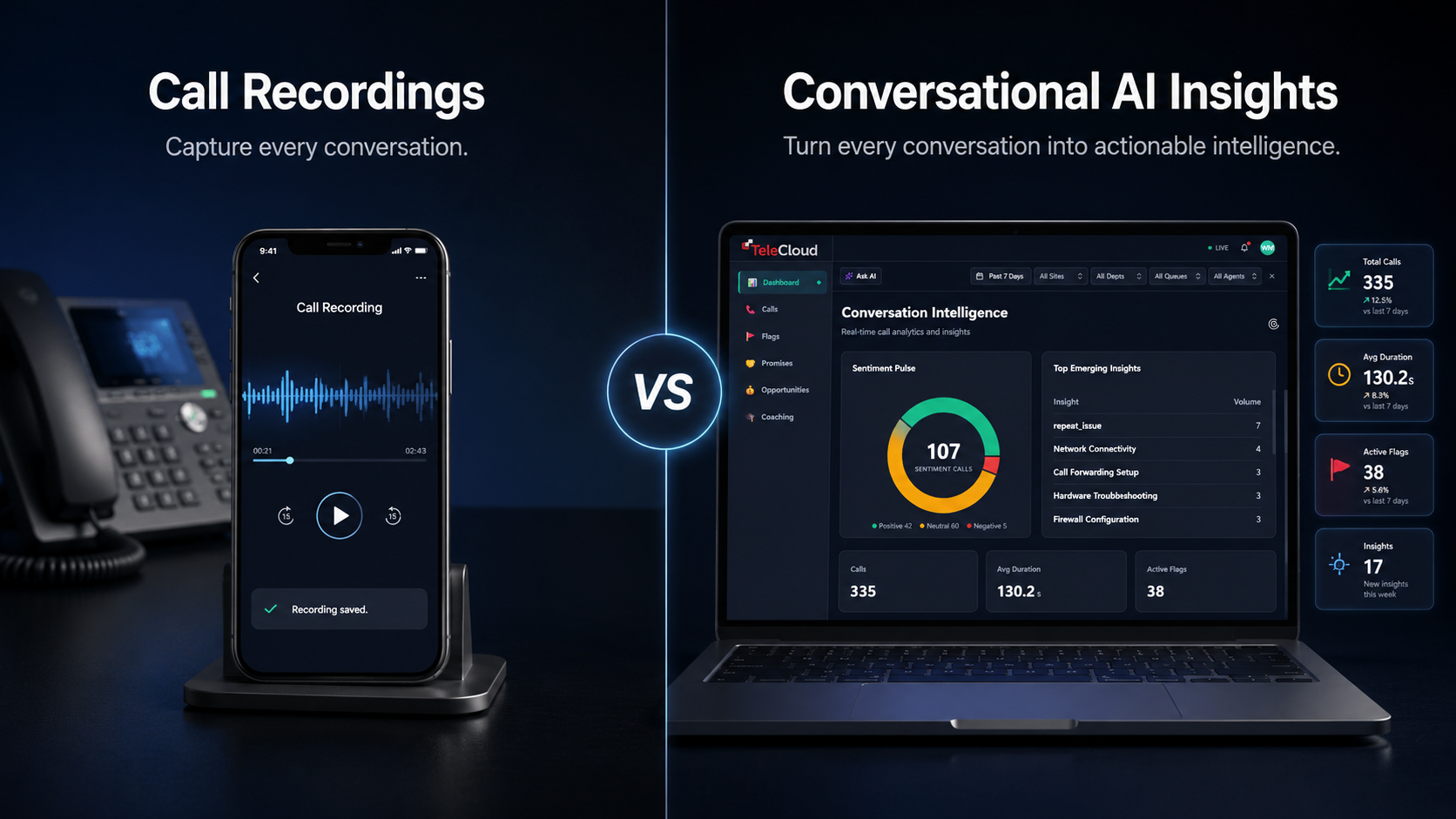
That is where call intelligence earns its keep. Conversational AI Insights reads the conversation, not just the call count. It can surface sentiment patterns, intent trends, and outcome signals so a manager can see which automation paths are working and which ones need tuning.
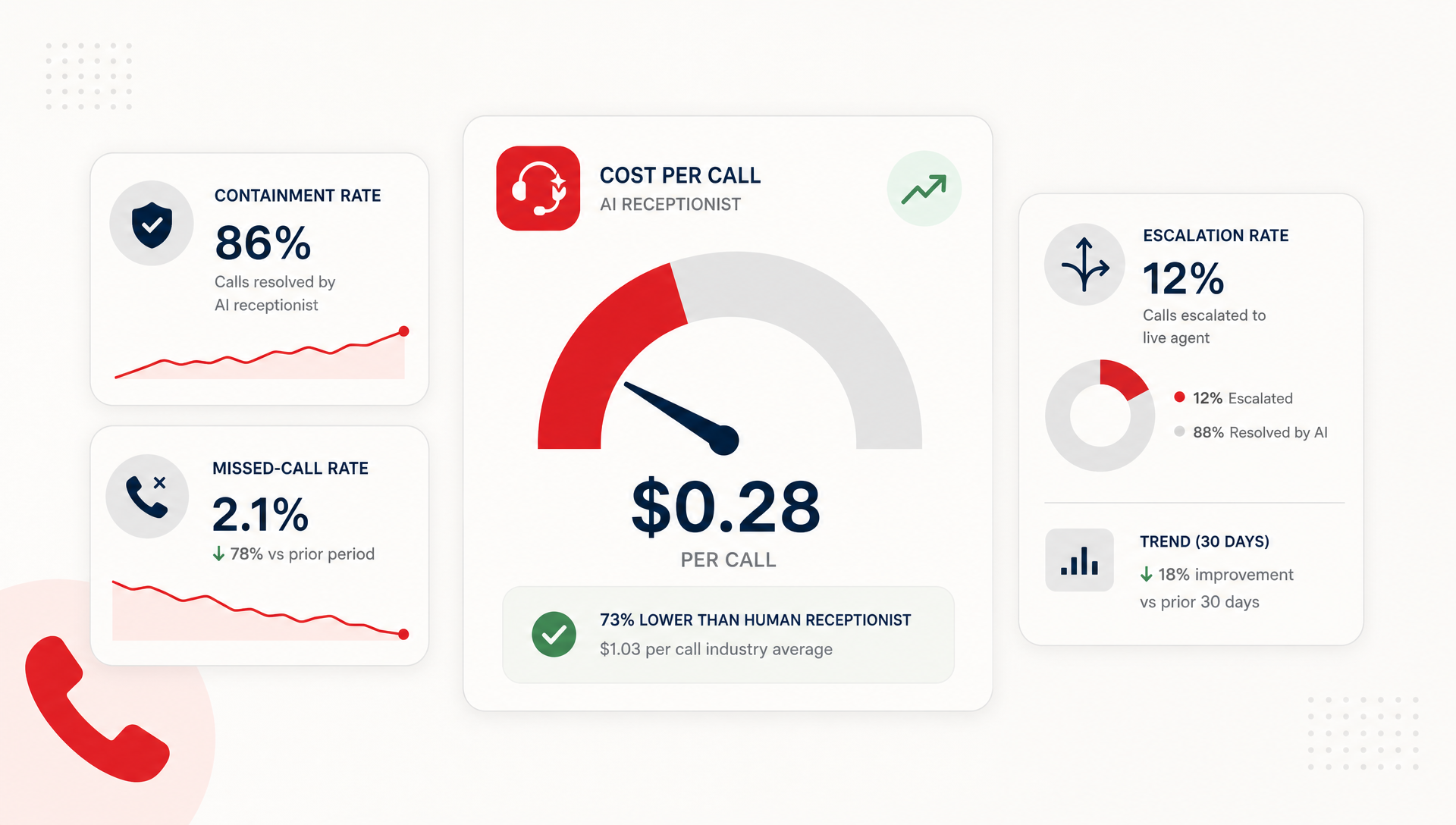
For a finance team, that changes the ROI discussion. Instead of saying, “we deflected 18% of calls,” you can say, “we reduced repeated calls on the same issue, we caught escalation points sooner, and we have the call evidence to prove it.”
Why deflection can mislead compliance reviews
This is where the metric gets dangerous. A call that never reached an agent may still contain a compliance problem if the AI gave the wrong instruction, collected sensitive data at the wrong time, or failed to hand off a protected issue.
If you work in healthcare, that risk is obvious. A caller asking about a patient record, scheduling, or insurance needs the right path, not just a fast path. A deflection dashboard cannot tell you whether the interaction was HIPAA-aware, but call analysis can show where the workflow needs tighter guardrails.
That is one reason we tell healthcare and other regulated teams to look at the conversation itself, not only the top-line automation rate. The question is not just whether the call skipped the queue, it is whether it ended in the right place with the right handling.
How do you defend the investment to finance?
Finance usually does not care about the AI story. It cares about fewer wasted calls, less rework, and better use of staff time.
That means your reporting should show:
- What volume moved out of human queues.
- What got resolved without a callback.
- What escalated and why.
- What changed in sentiment before and after the automation.
- What follow-up work still landed on staff.
That last one matters more than people think. If the AI deflects a call but creates a second call, a callback, or a manual rescue, the savings are thinner than they look.
For a cleaner read, the goal is not “fewer calls to agents”; it is fewer wasted touches per issue. That is a much better business case.
How TeleCloud helps you measure the right thing
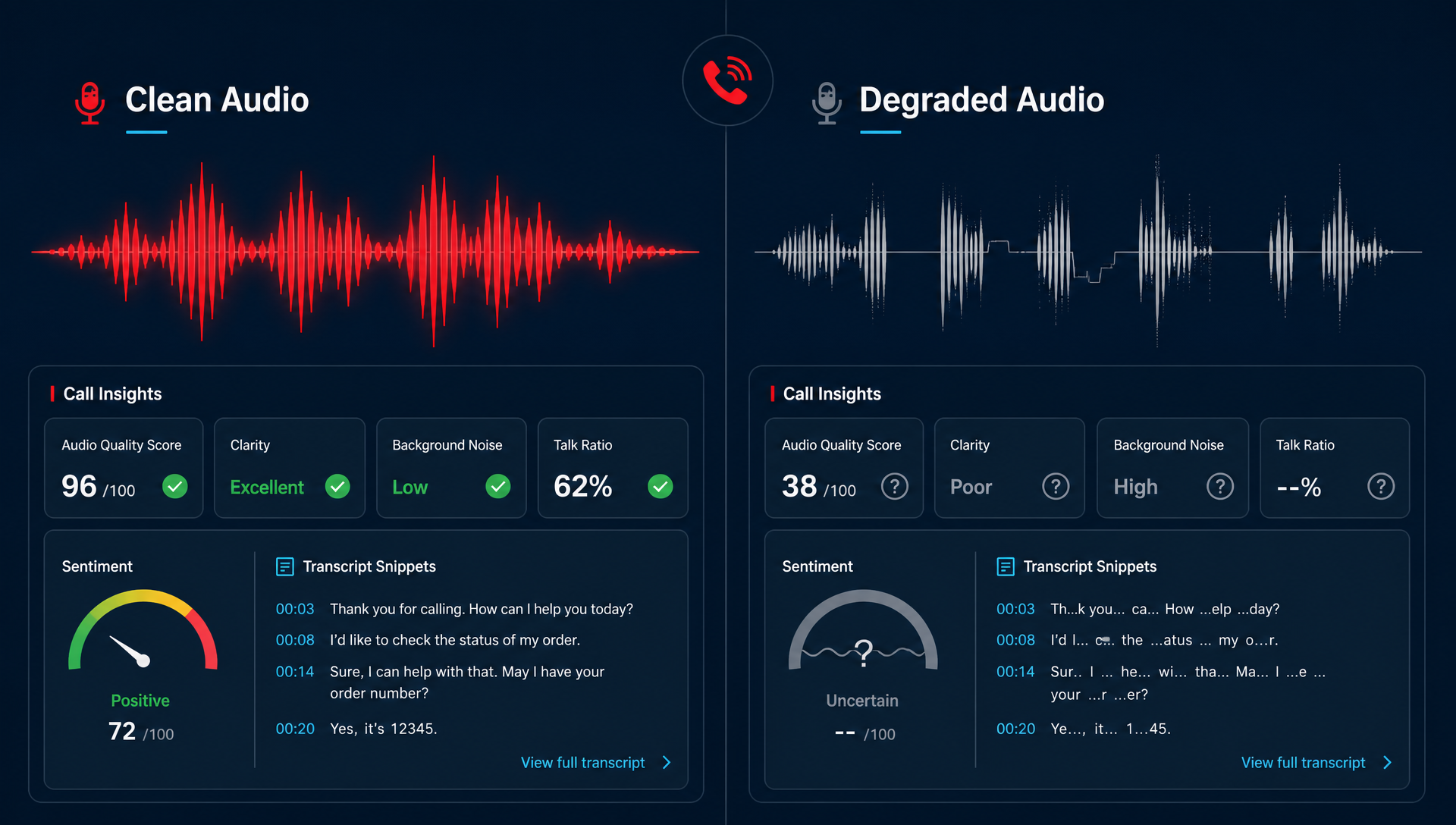
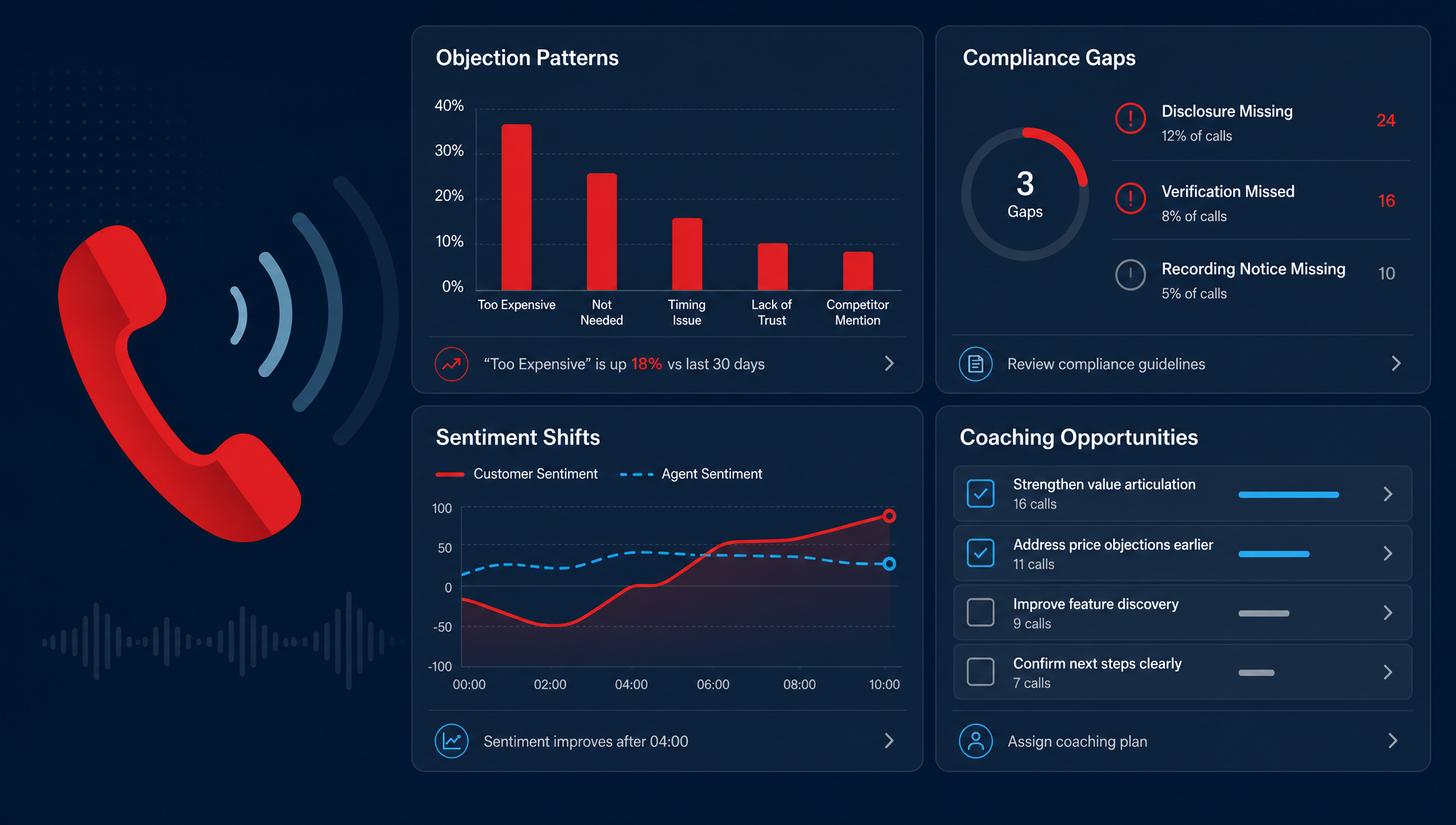
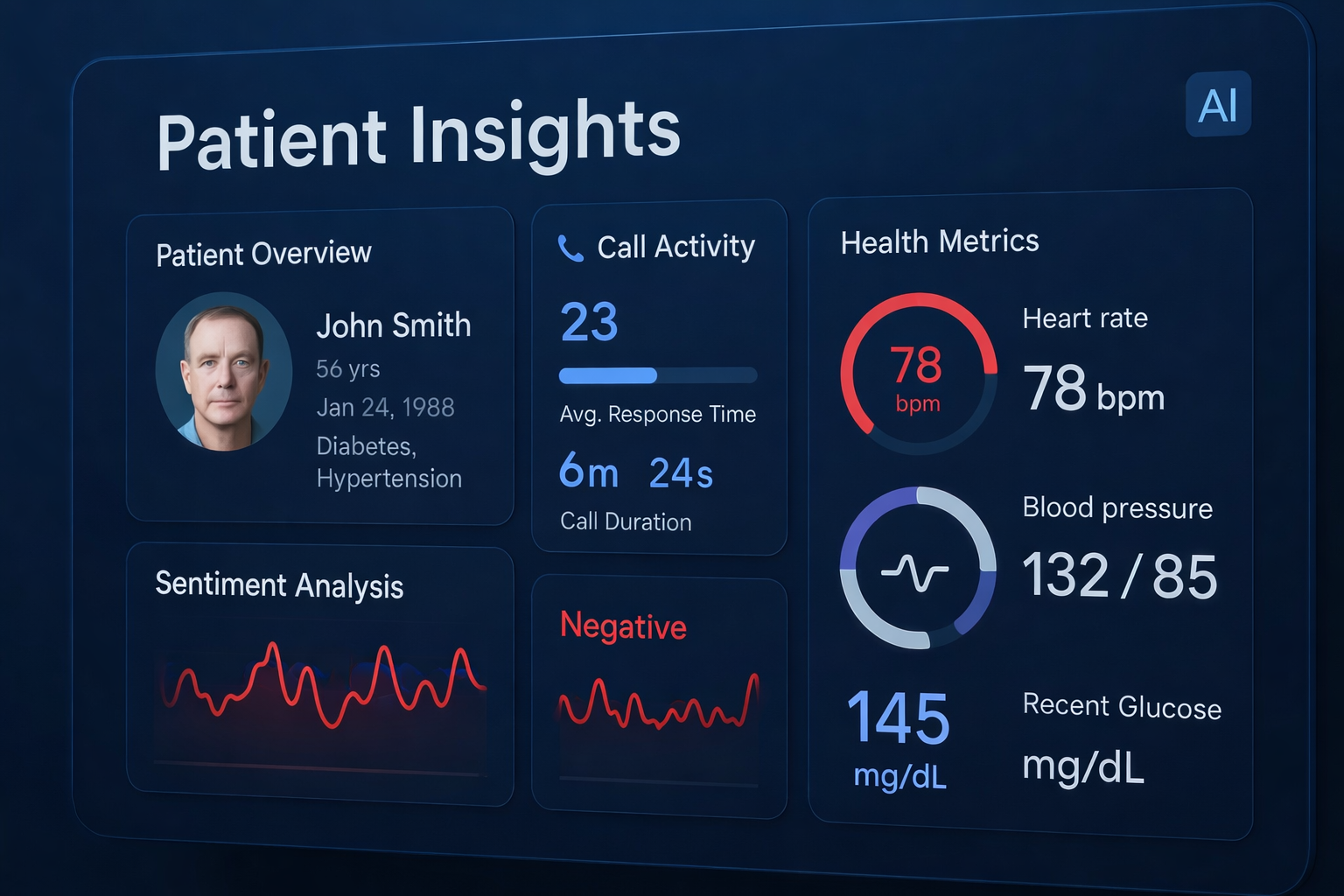
This is exactly where Conversational AI Insights fits. TeleCloud’s AI Insights dashboard turns recorded calls into structured signals, so you can review sentiment, intent, outcome trends, and coaching cues instead of guessing from a single deflection percentage.
In practice, that means a manager can see whether the AI is helping the front desk, the dispatcher, or the intake team do better work. It also gives you a way to spot the calls that look “handled” on paper but still need human cleanup.
If your current report only tells you how many callers never reached a person, you are missing the part that matters most: what happened inside the call and what it caused after the call ended.
Why this matters when the AI looks successful
The tricky part is that a clean deflection chart can hide two different stories. One story is good: the call was solved quickly, the caller left satisfied, and the team stayed out of the weeds. The other story is ugly: the caller gave up, the issue bounced back, or the AI pushed a sensitive call into the wrong workflow.
You do not need more vanity metrics. You need a read on whether the system is helping people get to the right outcome faster.
That is the difference between automation that saves time and automation that just shifts the burden. If your reports can show resolution quality, sentiment, and repeat-contact patterns, you can make a better case to both ops and finance.
FAQ
Is deflection still a useful KPI?
Yes, but only as one piece of the picture. It tells you how much traffic the AI handled, not whether the interaction was successful.
What should I track instead of deflection alone?
Track resolution quality, intent capture, sentiment shift, escalation rate, and repeat contact rate. Those tell you whether the call was actually handled well.
Can call intelligence help with compliance review?
It can help you see which calls need a closer look and where workflows may need tighter guardrails. For regulated teams, that is more useful than a raw automation count.
How does Conversational AI Insights help my team?
It turns recordings into call-level signals your managers can use for coaching, reporting, and issue detection. That gives you a clearer answer than deflection alone.
Is a high deflection rate ever bad?
Yes, if callers are dropping off, getting frustrated, or coming back with the same problem. A high number only helps if the underlying experience is actually working.
Matt Gavin is TeleCloud's Operations Manager, with 15+ years of telecom experience spanning network engineering, billing operations, and AI-driven process automation. He writes about the technology behind reliable phone systems, from VoIP infrastructure to how AI tools are changing day-to-day operations. Connect with Matt on LinkedIn or email him directly to learn more.
Topics: