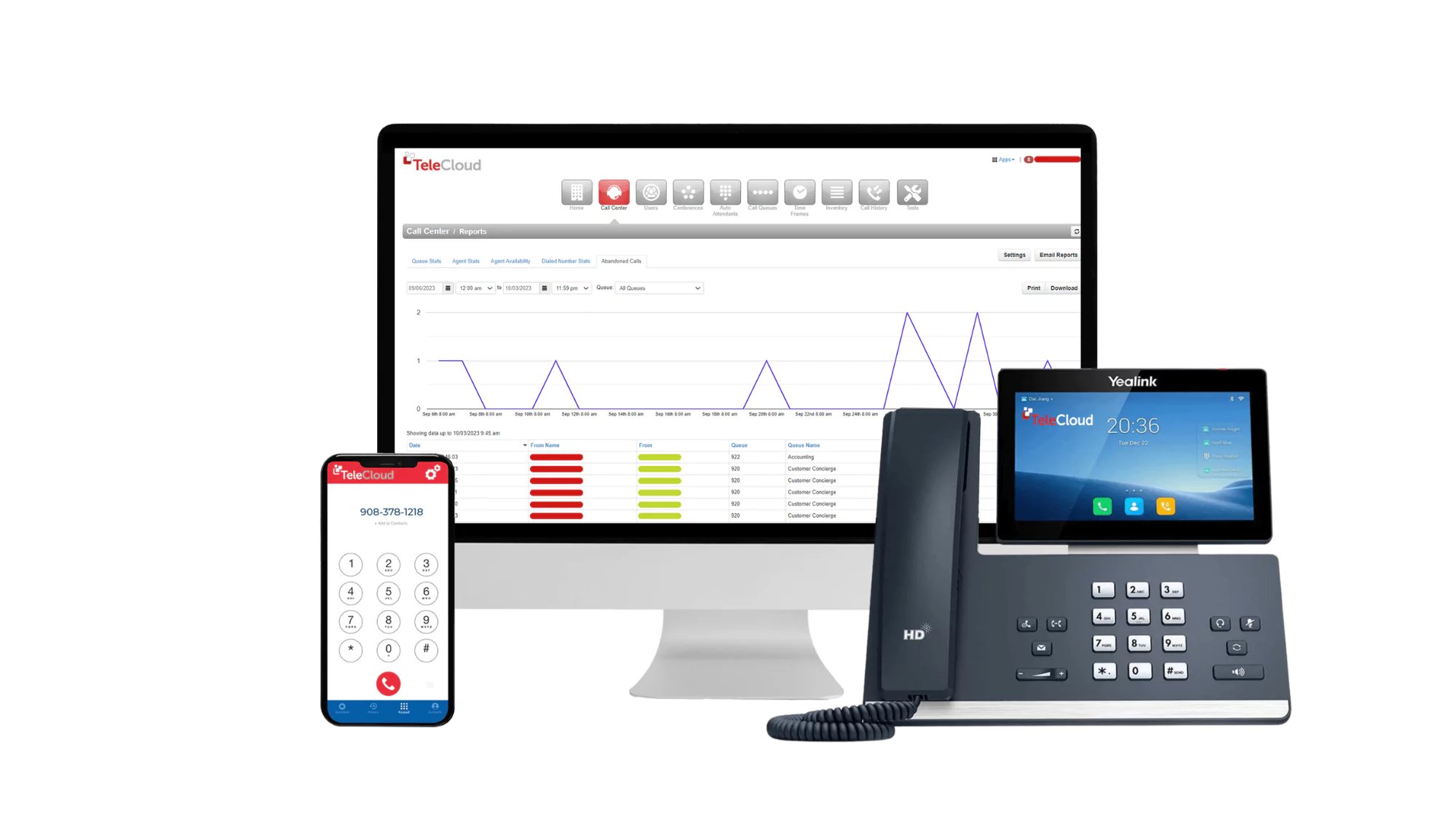

What 10,000 Urgent Care Calls Can Teach You About Patient Experience
April 21st, 2026
6 min read
By Will Maddox

Quick answer: Across thousands of urgent care calls, four problems show up repeatedly: long hold times, unanswered calls, inconsistent staff tone, and patients who give up before booking. Clinics that gain visibility into these patterns see measurable improvement in both patient satisfaction and visit volume.
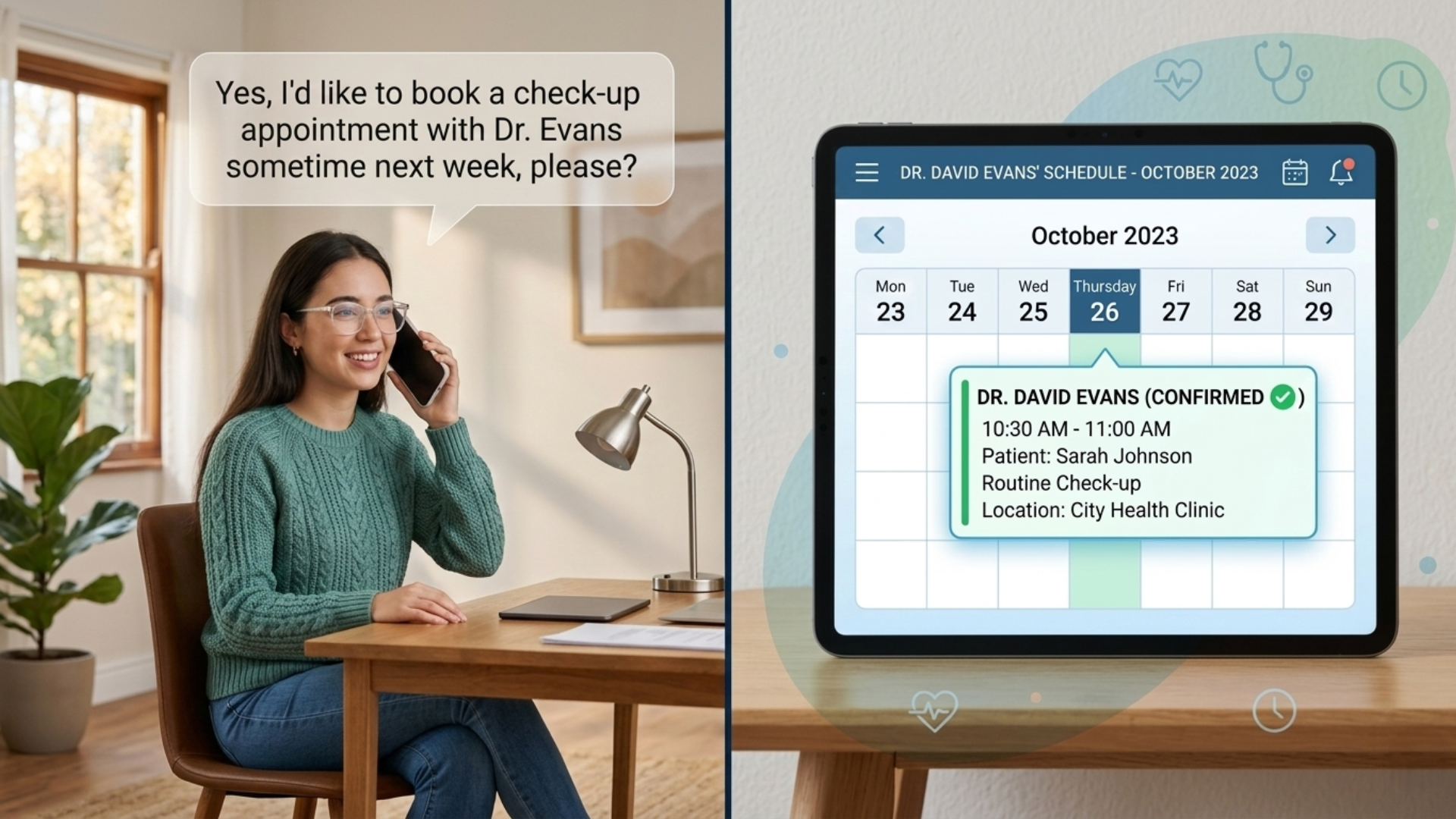
Most urgent care operators think of phone calls as logistics. A patient calls, someone answers, an appointment gets scheduled. But when you listen to thousands of those calls, a different picture emerges.
The phone is not a logistics tool. It is the first real moment of care. For many patients, it is where their experience with your clinic is won or lost before they ever walk through the door.
This post breaks down what patterns consistently surface in urgent care call data: what patients want, where the friction lives, and what that friction is actually costing clinics. No fluff. Just the patterns and what to do with them.
Why Do Urgent Care Calls Reveal So Much About Patient Experience?
A phone call captures a patient in the moment. They are deciding whether to come in, sometimes anxious or in pain, often weighing their options in real time. What happens on that call shapes everything that follows.
When call data is analyzed at scale, a few consistent truths emerge:
- Patients who get through quickly are more likely to show up.
- Patients who hit a long hold or reach voicemail often call the next clinic on the list.
- Staff tone on the phone directly correlates with patient satisfaction scores.
- After-hours calls that go unanswered represent some of the highest-intent patients of the day.
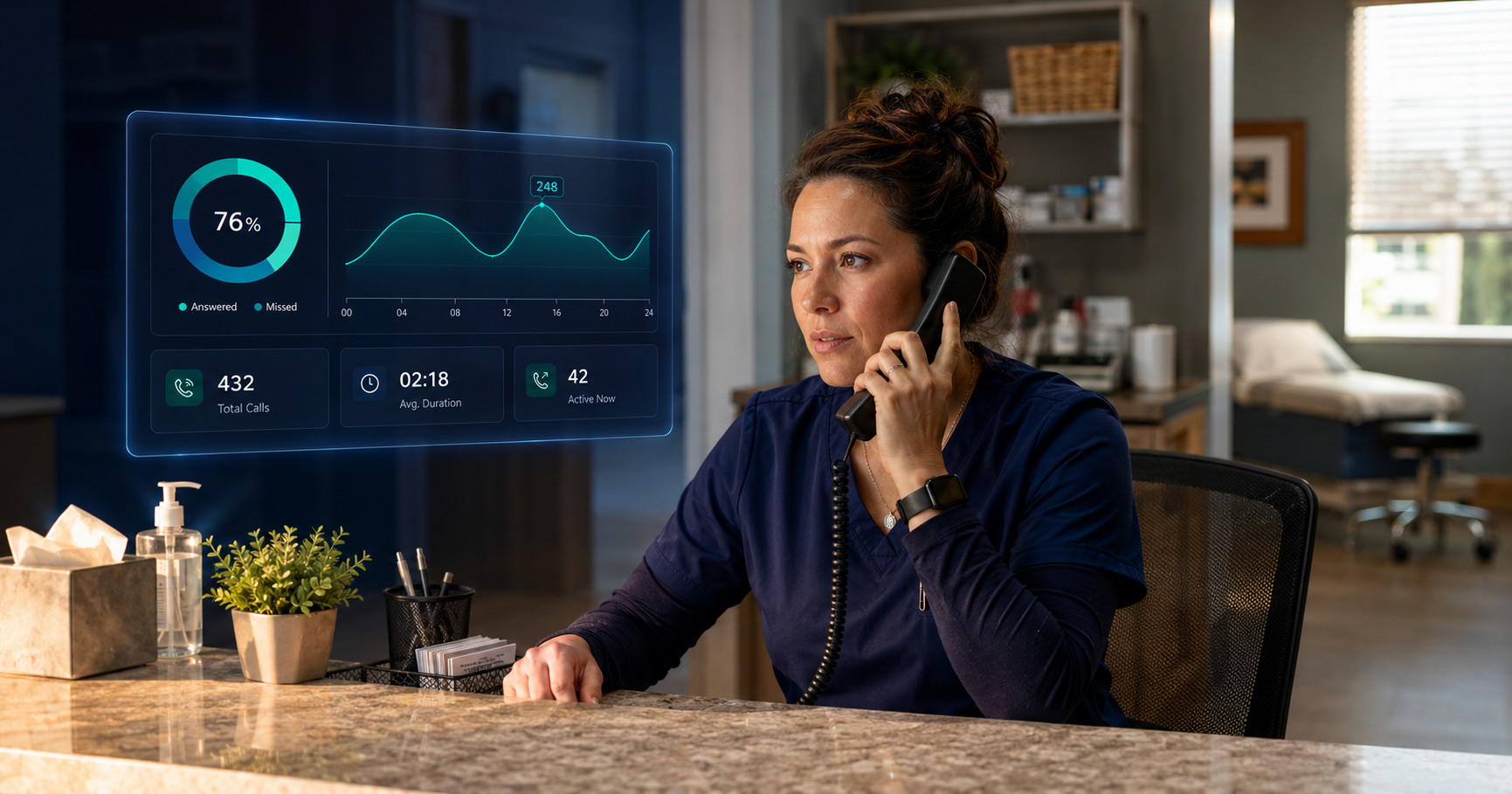
For most urgent care operators, the phone is also a blind spot. Without visibility into what is actually happening on those calls, there is no way to know what is working and what is not.
What Are the Most Common Patient Frustrations on Urgent Care Calls?
The same friction points surface again and again in call data. They are not exotic problems. They are predictable, and that is good news because predictable problems have predictable solutions.
Hold Times That Drive Patients Away
Hold time is the number one driver of call abandonment. Most patients will tolerate a short wait, but when a hold stretches past two or three minutes, a significant portion hang up. In urgent care, those callers are often dealing with a sick child or a weekend injury. They do not have the patience to wait on hold while the front desk juggles walk-ins.
What catches operators off guard is how bad their hold times actually are until they start measuring. You cannot fix what you cannot see.
Unanswered Calls, Especially After Hours
Industry benchmarks suggest urgent care clinics miss between 7 and 10 percent of inbound calls on a typical day, and that number spikes significantly after hours and on weekends. The patients calling at 8 PM on a Friday are not casual browsers. They are trying to decide between your clinic and the emergency room.
A missed after-hours call is not a minor inconvenience. For the patient, it can mean an unnecessary ER visit. For the clinic, it is a missed appointment and potentially a lost patient relationship.
Inconsistent Staff Tone
When you analyze a large volume of urgent care calls, you hear the full range: warm, professional staff who make patients feel cared for before they arrive, and exhausted front-desk workers who sound like they are answering the same question for the hundredth time, because they are.
Staff burnout is real, and so is the uneven patient experience it produces. A patient calling on a slammed Monday morning will have a very different experience than one calling mid-afternoon on a slow Tuesday. That inconsistency is a patient experience problem, even when the clinical care itself is excellent.
Routine Questions Eating Up Call Capacity
A significant share of inbound urgent care calls ask the same questions: What are your hours? Do you take my insurance? How long is the wait? These are not complex questions, but they create bottlenecks when volume is high and delay the calls that actually need human judgment.
What Does Call Data Tell You That Patient Surveys Cannot?
Patient satisfaction surveys are useful, but they have real limitations. They capture impressions after the fact, from a self-selected group of patients who bother to respond, and they rarely pinpoint exactly where in the experience something went wrong.
Call data is different. Every call is a data point. When analyzed systematically, it surfaces patterns no survey would catch:
- Which time slots generate the most abandoned calls
- Which staff members consistently receive positive responses and which generate patient hesitation
- Which call topics are consuming the most front-desk time
- Where negative sentiment clusters, and whether it ties to wait times, insurance, or something else
- Which locations in a multi-site operation are underperforming on call handling
|
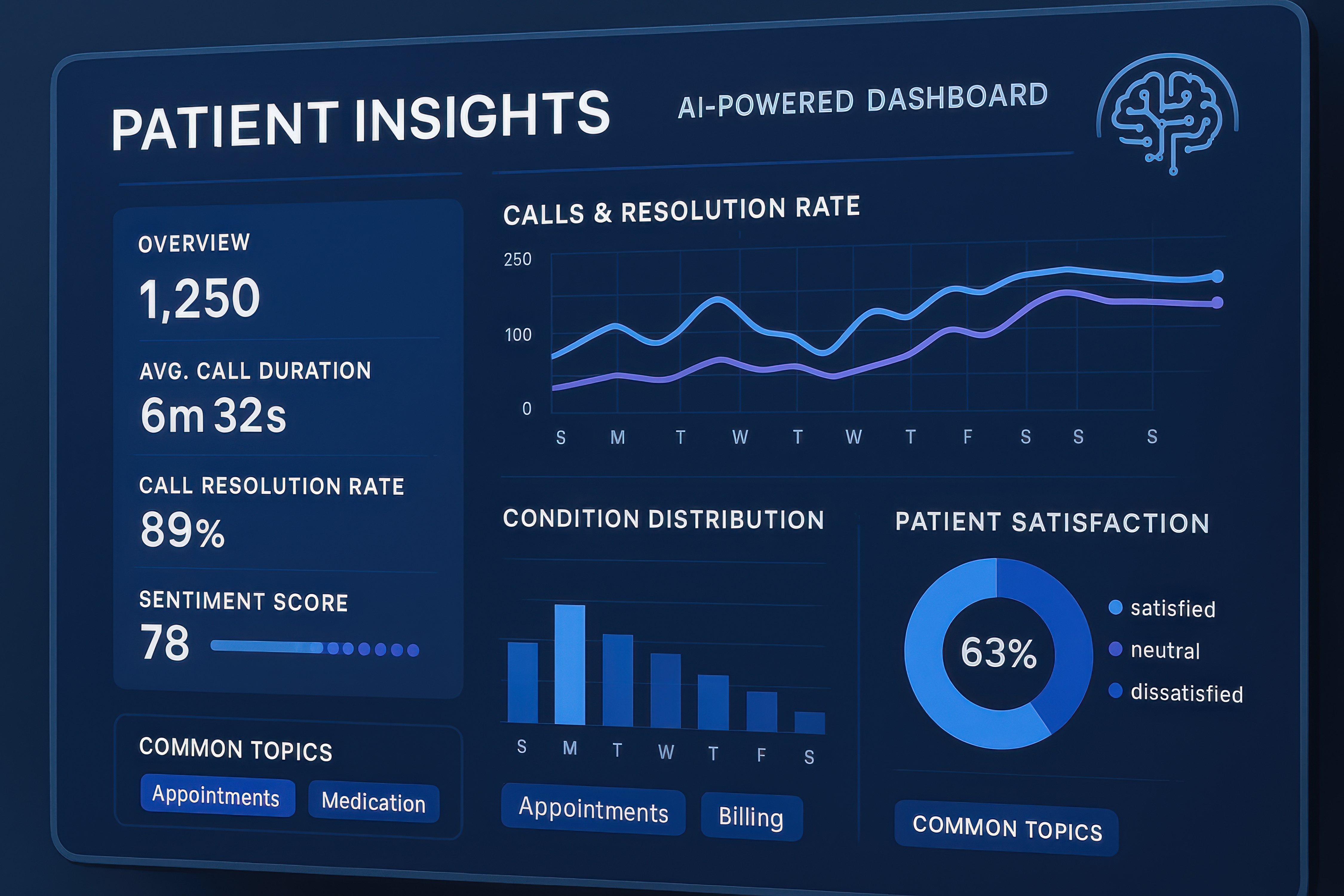
Every call tells a story. The challenge for most urgent care operators is that they have no way to read it. A clinic taking 3,000 calls per month cannot manually review more than a fraction of them, which means most of the operational intelligence in those calls goes unread. This is the core value of Conversational AI Insights: it turns every call into actionable data, not just the handful someone happened to review this week. |
How Does Call Visibility Connect to Revenue?
Patient experience and revenue are not separate conversations. They are the same conversation.
If a clinic takes 3,000 inbound calls per month and misses 8 percent, that is 240 missed calls. If 60 percent are scheduling-related, that is 144 patients who tried to book and could not get through. At an average revenue per visit of $90 to $150, recovering even a portion of those missed scheduling calls represents tens of thousands of dollars in annual revenue. The phone is not overhead. It is part of the revenue cycle.
Conversational AI Insights surfaces where revenue is leaking across the entire call experience:
- Calls where patients asked about a service and did not schedule
- Post-visit follow-up calls that dropped before the patient reconnected
- Locations consistently converting fewer scheduling calls than others
- Recurring friction points, like insurance confusion or wait time concerns, that are preventing patients from committing to a visit
When you can see these patterns clearly, you can act on them. When you cannot, you are managing by assumption.
What Does It Actually Look Like to Turn Call Data Into Action?
Sentiment Analysis Surfaces Training Opportunities
When every call is transcribed and scored for sentiment, patterns emerge quickly. Negative sentiment clustering around a specific time slot, staff member, or call topic is a training signal. Clinics that review sentiment data regularly catch small problems before they become reviews.
Call Topic Data Drives Operational Decisions
When you know that 30 percent of inbound calls are asking about insurance and wait times, you can act on that: update your auto-attendant, train staff to handle those questions faster, or add the information to patient-facing communications. Without the data, you are guessing.
Multi-Location Operators Get Portfolio-Level Visibility
For urgent care groups managing multiple locations, call data becomes a performance benchmarking tool. Which locations are answering calls consistently? Which have hold times driving abandonment? Conversational AI Insights makes this visible across every site from one place, so operators can allocate attention toward the locations that need it most.
Where Should an Urgent Care Operator Start?
- Pull your call abandonment data. If your phone system tracks it, look at how many calls drop unanswered on a typical day. If you do not have that visibility, getting it is step one.
- Listen to a week of calls. Not to evaluate staff, but to understand the patient experience from the other end of the line. You will hear patterns you did not know existed.
- Identify your highest-friction moments. Is it after-hours? Monday morning volume? Insurance questions? Most clinics have one or two predictable bottlenecks driving a disproportionate share of frustration.
- Ask what your data is telling you. If you have call recordings but no systematic way to analyze them, most of the intelligence in those calls is sitting unused. That is the problem Conversational AI Insights is built to solve.
The Phone Is Where Patient Experience Begins
For a large portion of your patients, their experience with your clinic starts on the phone. The call they make to check wait times, ask about insurance, or schedule a same-day visit is their first real impression. What happens in that moment shapes everything that comes next.
The clinics that understand their call data are better positioned to improve it. The ones that do not are often surprised to learn how much operational intelligence and revenue have been sitting in those recordings all along.
|
Want to see what is really happening in your urgent care calls? TeleCloud's Conversational AI Insights platform analyzes every call to surface patient sentiment, missed revenue signals, and staff coaching opportunities, without you manually reviewing a single recording. Request a free clinic assessment at telecloud.net. |
Frequently Asked Questions
How many calls does a typical urgent care clinic miss per day?
Industry benchmarks suggest urgent care clinics miss between 7 and 10 percent of inbound calls on average, with that percentage climbing significantly during peak hours and after hours. For a clinic receiving 150 calls per day, that can mean 10 to 15 missed connections daily, most of them scheduling-related.
What is Conversational AI Insights and how does it work for urgent care?
Conversational AI Insights is a call analytics platform that transcribes and analyzes every recorded phone call automatically. It identifies trends in call topics, flags calls with negative patient sentiment, scores staff interactions, and surfaces training opportunities, giving urgent care operators visibility into their full call volume without manual review.
How does call data connect to patient satisfaction scores?
Research consistently shows a correlation between front-desk communication quality and patient satisfaction outcomes. Hold times, staff tone, call resolution rates, and scheduling friction all influence how patients perceive the quality of their care, even before they arrive. Call data captures these moments in real time rather than through after-the-fact surveys.
Why do patients hang up before speaking to someone?
Hold time is the primary driver of call abandonment. Most patients will tolerate a wait of one to two minutes, but abandonment rates increase sharply after that. In urgent care, where patients are often calling because they need information quickly, the threshold for hanging up is lower than in many other settings.
What should a multi-location urgent care operator look for in call analytics?
Multi-location operators should prioritize tools that provide portfolio-level visibility: the ability to compare call performance, abandonment rates, sentiment scores, and scheduling conversion across all locations from a single view. Conversational AI Insights is built for this use case, allowing operators to identify underperforming locations and address communication gaps proactively.
Will Maddox is the Digital Marketing Coordinator at TeleCloud, overseeing content, brand, and outbound strategy for the company. He writes about cloud communications, AI tools for business, and what SMBs and urgent care operators need to know to run better phone systems. Connect with Will on LinkedIn or email him directly to learn more.