
Who owns the liability when AI answers your business phone?
October 6th, 2026
4 min read
By Matt Gavin
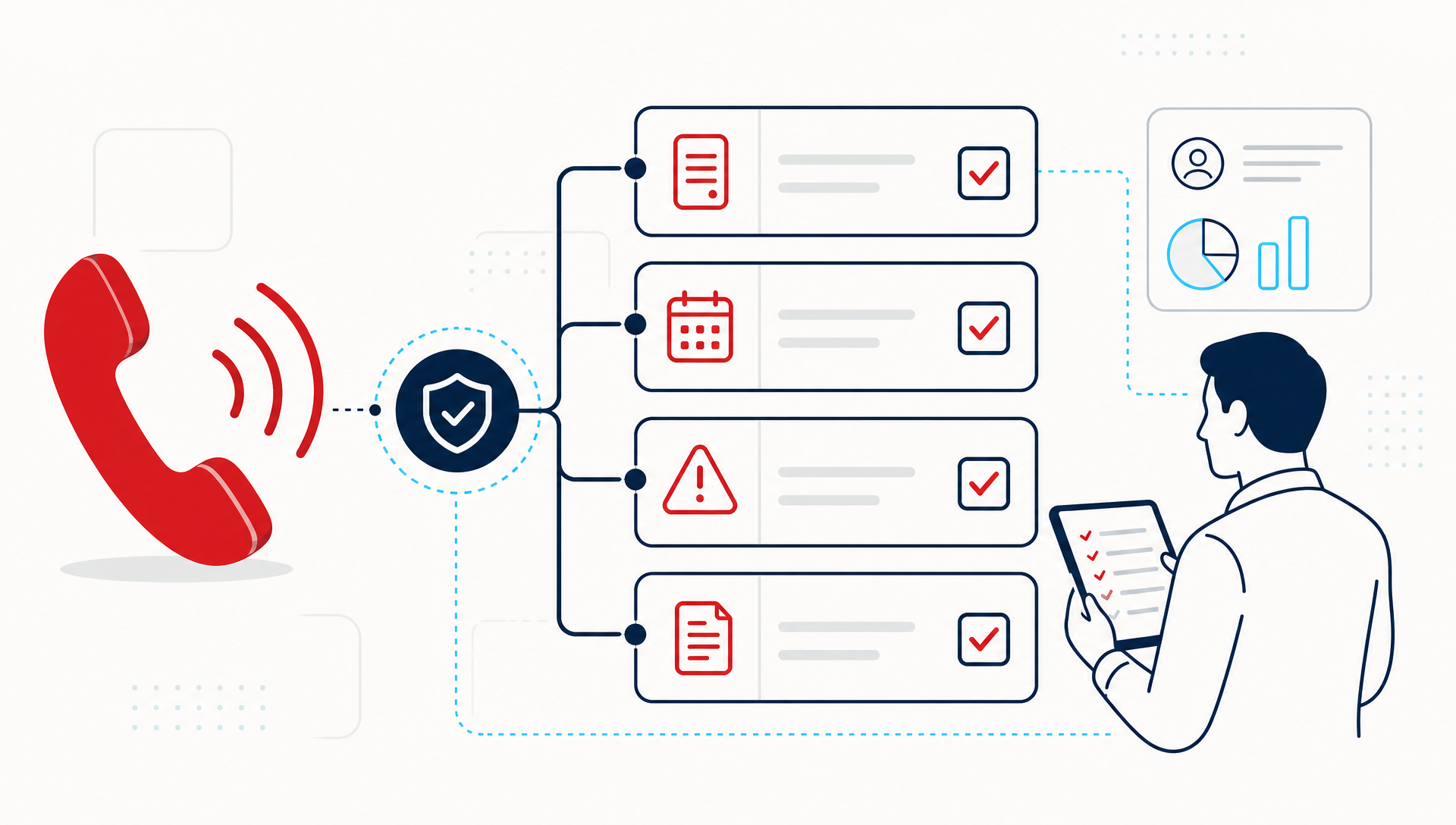
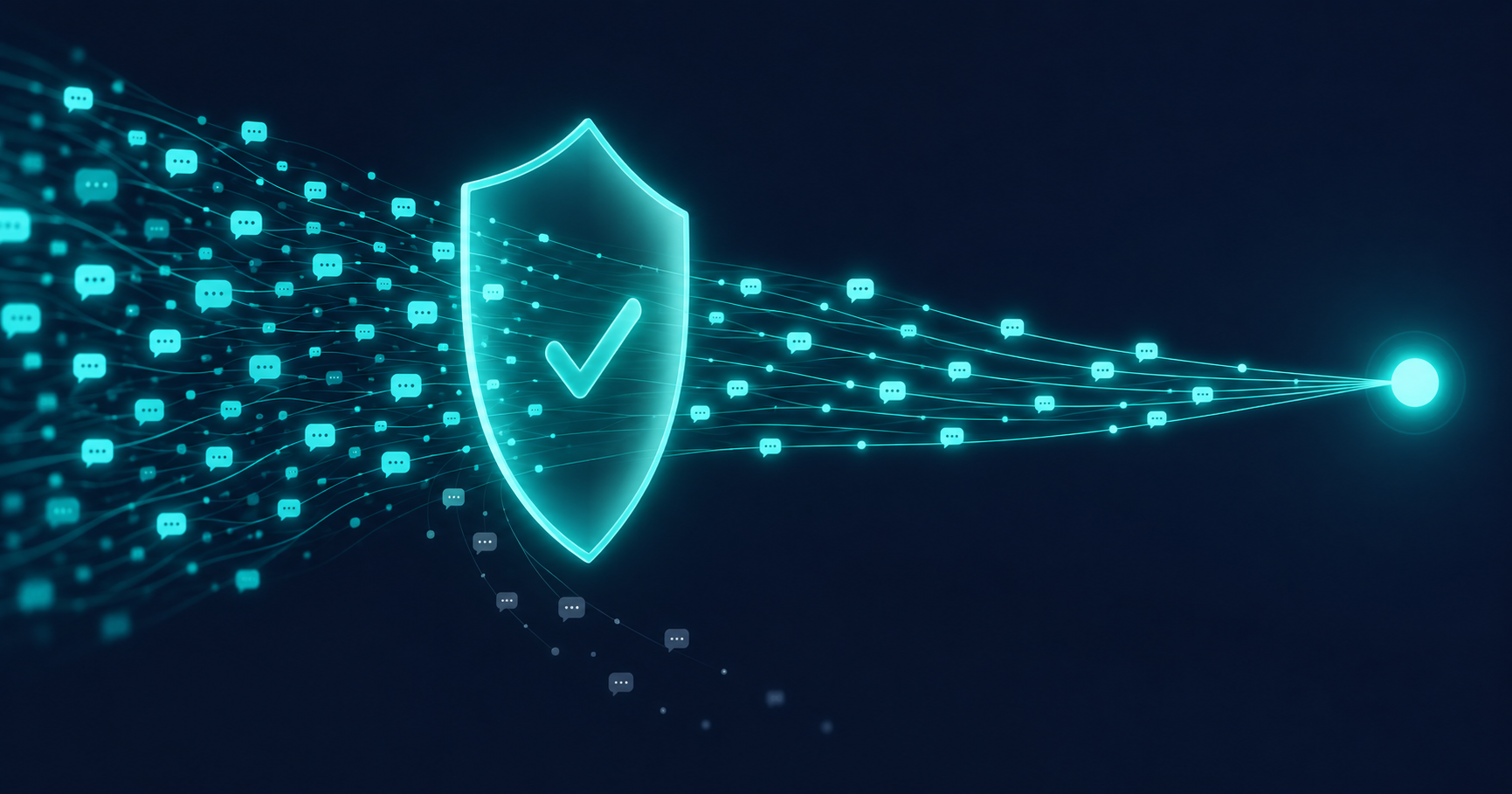
You do. If an AI receptionist or phone agent gives the wrong answer, misses an escalation, or creates a bad record, you still own the fallout. That means you need governance, logs, review rules, and a clear human owner before the system starts taking calls.
Most front desks do not think about that part until something goes wrong. Then the questions show up fast: who approved the script, who checks the transcripts, who fixes bad routing, and who decides when the AI should stop talking and hand the call to a person? We see that gap a lot, especially in teams that bought the AI first and planned the controls later.
What liability actually means for an AI phone agent
Liability is not just a legal word here. It is the practical answer to, “Who is on the hook when this call handling decision hurts a customer, wastes staff time, or creates a compliance problem?”
For an SMB, that usually breaks into four pieces:
- Answer quality, did the AI give the right information?
- Escalation control, did it hand off at the right moment?
- Recordkeeping, can you see what it said and why?
- Owner assignment, who reviews it and fixes it?
If you cannot answer those four questions, you do not have governance. You have automation with a nice voice.
That is why the strongest deployments treat the AI like a staff member with a manager. It needs rules, review, and a paper trail. Without that, the “AI receptionist” becomes the fastest way to spread one bad answer across every caller who asks the same thing.
What should be in place before the AI takes live calls
Start with a named owner, not a committee. The front desk lead, practice manager, dispatcher, or office manager should know who approves changes and who gets the alert when the AI misses.
Then put four controls around it:
- A call script boundary, what the AI may answer and what it must hand off.
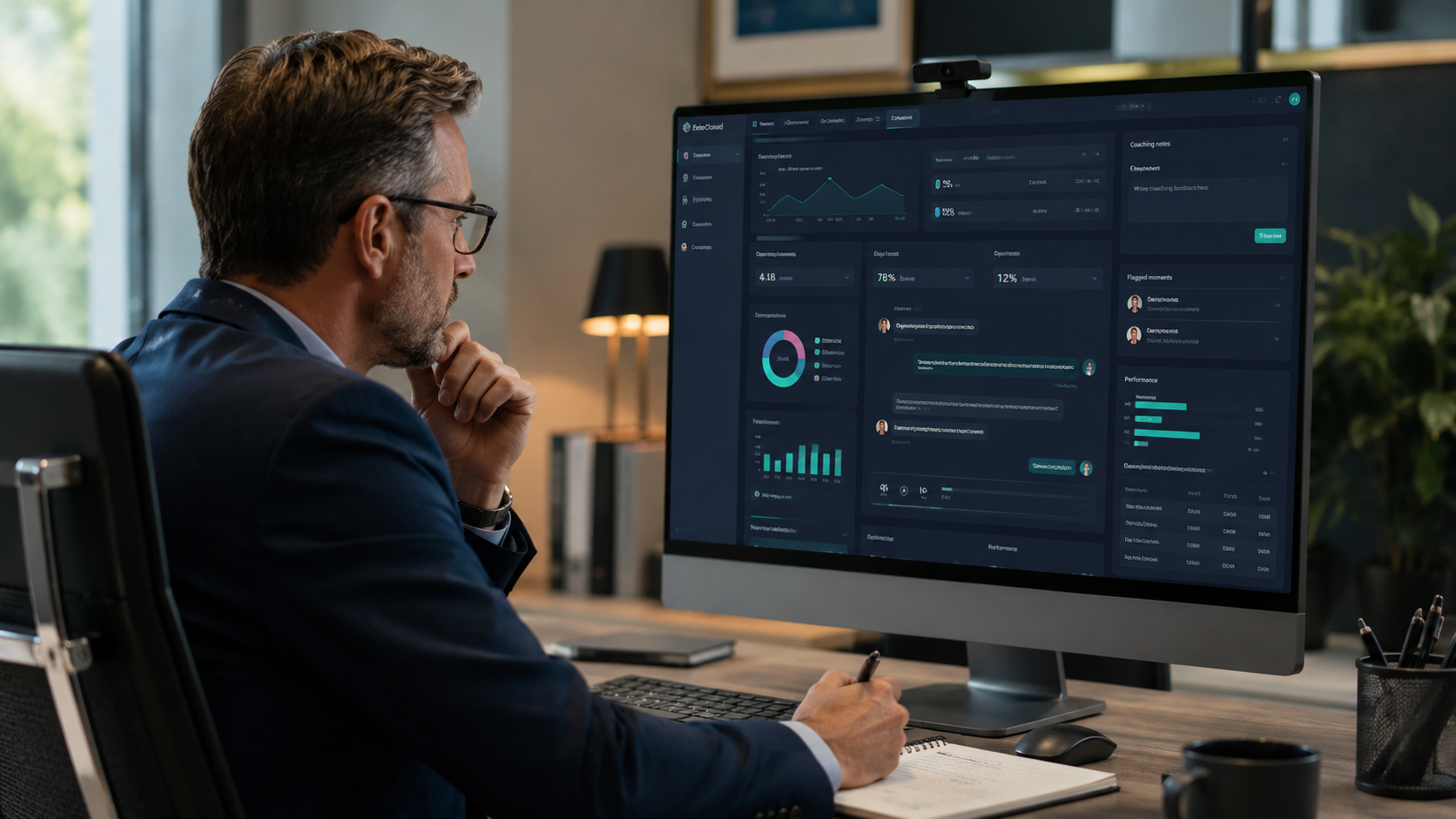
- A review cadence, daily at first, then weekly once it is stable.
- Exception rules, billing disputes, urgent requests, complaints, or anything regulated should escalate fast.
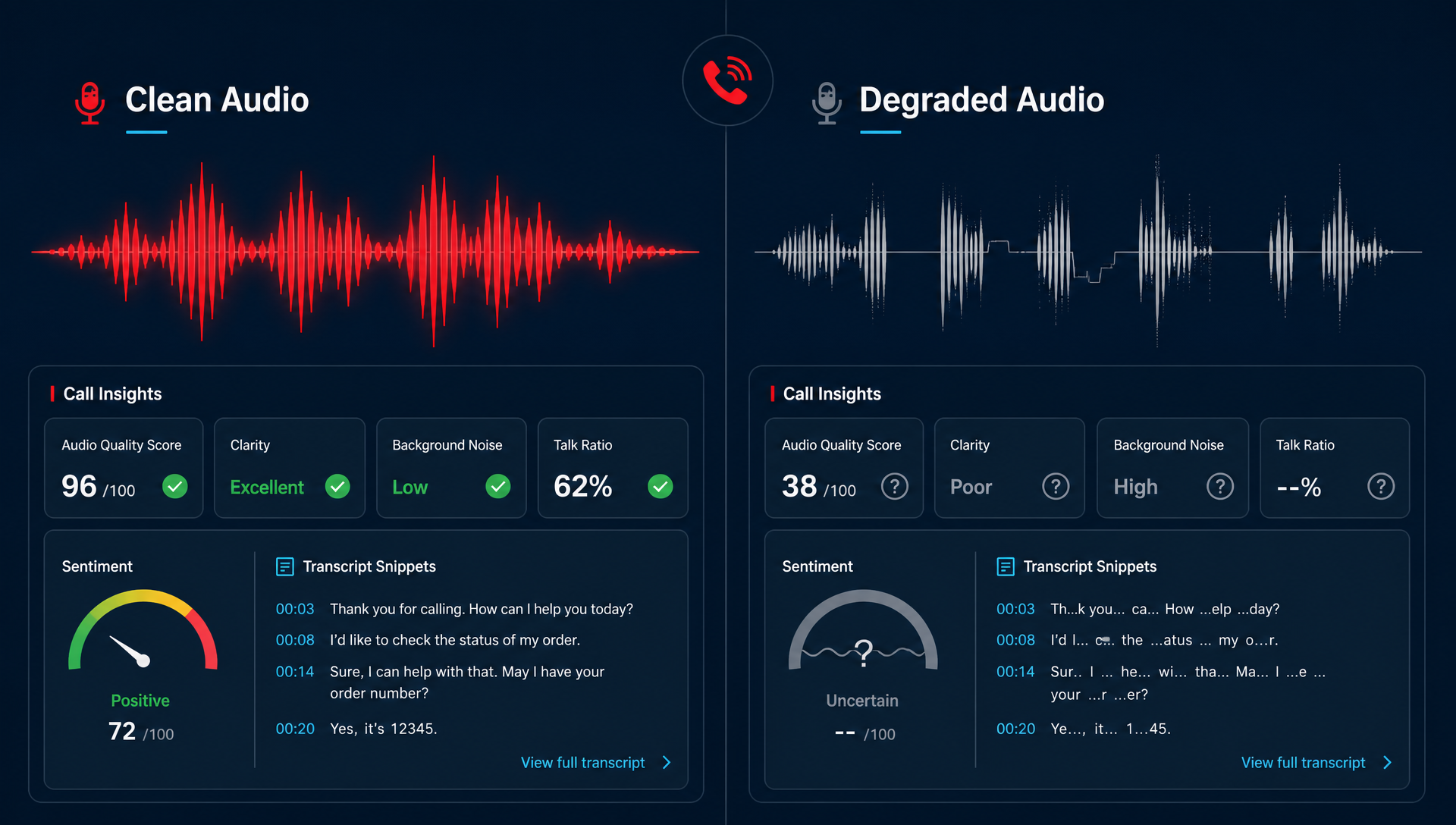
- A transcript and summary record, so you can audit what happened later.
If you want a baseline for why this matters, the FTC has been blunt that automated decisions should be explainable and should not mislead customers. Read its guidance on business use of AI and its consumer protection rules around deceptive practices. That does not mean every AI call is a legal problem. It means you should not run one without oversight.
What this looks like in a real SMB workflow
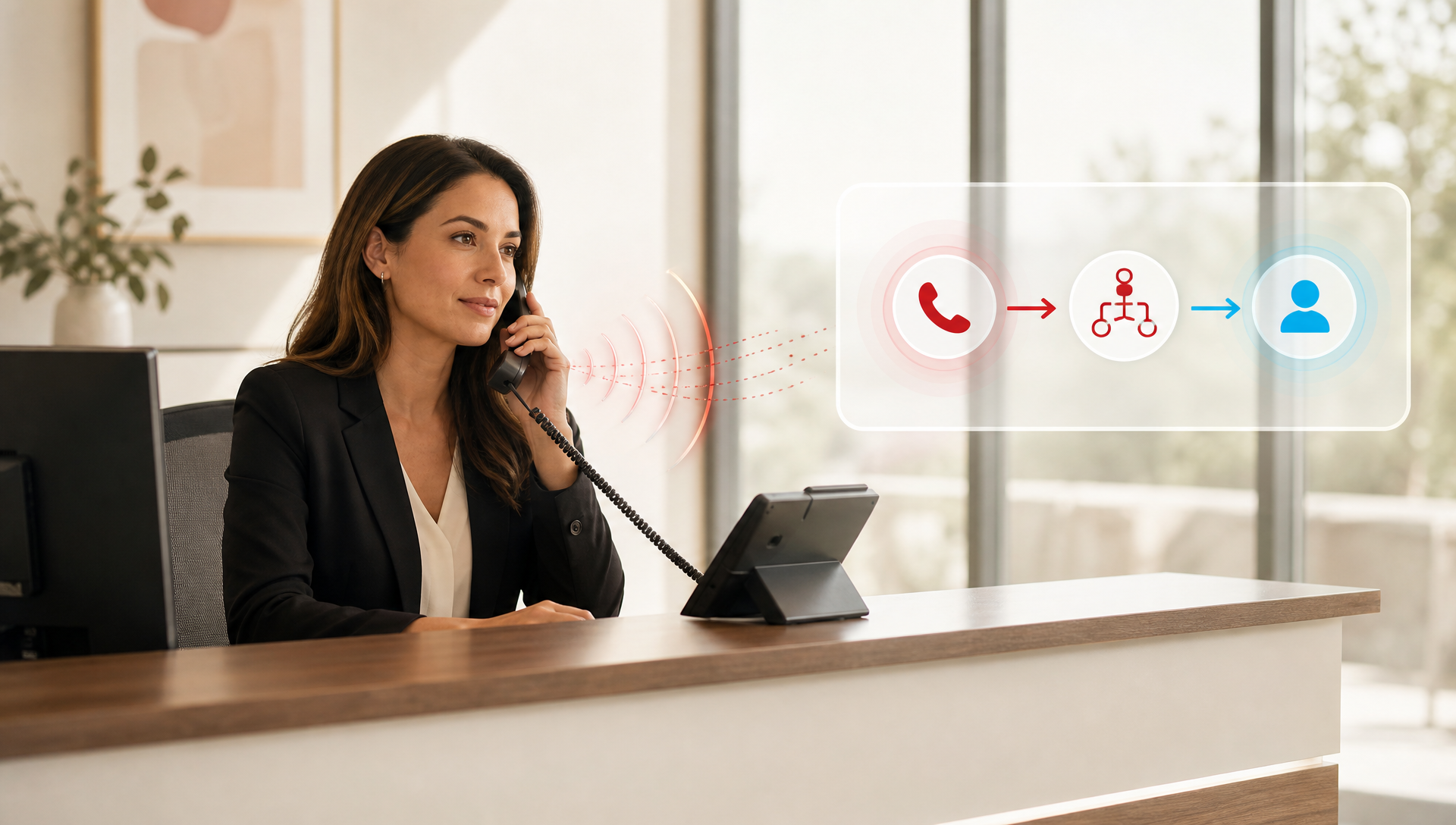
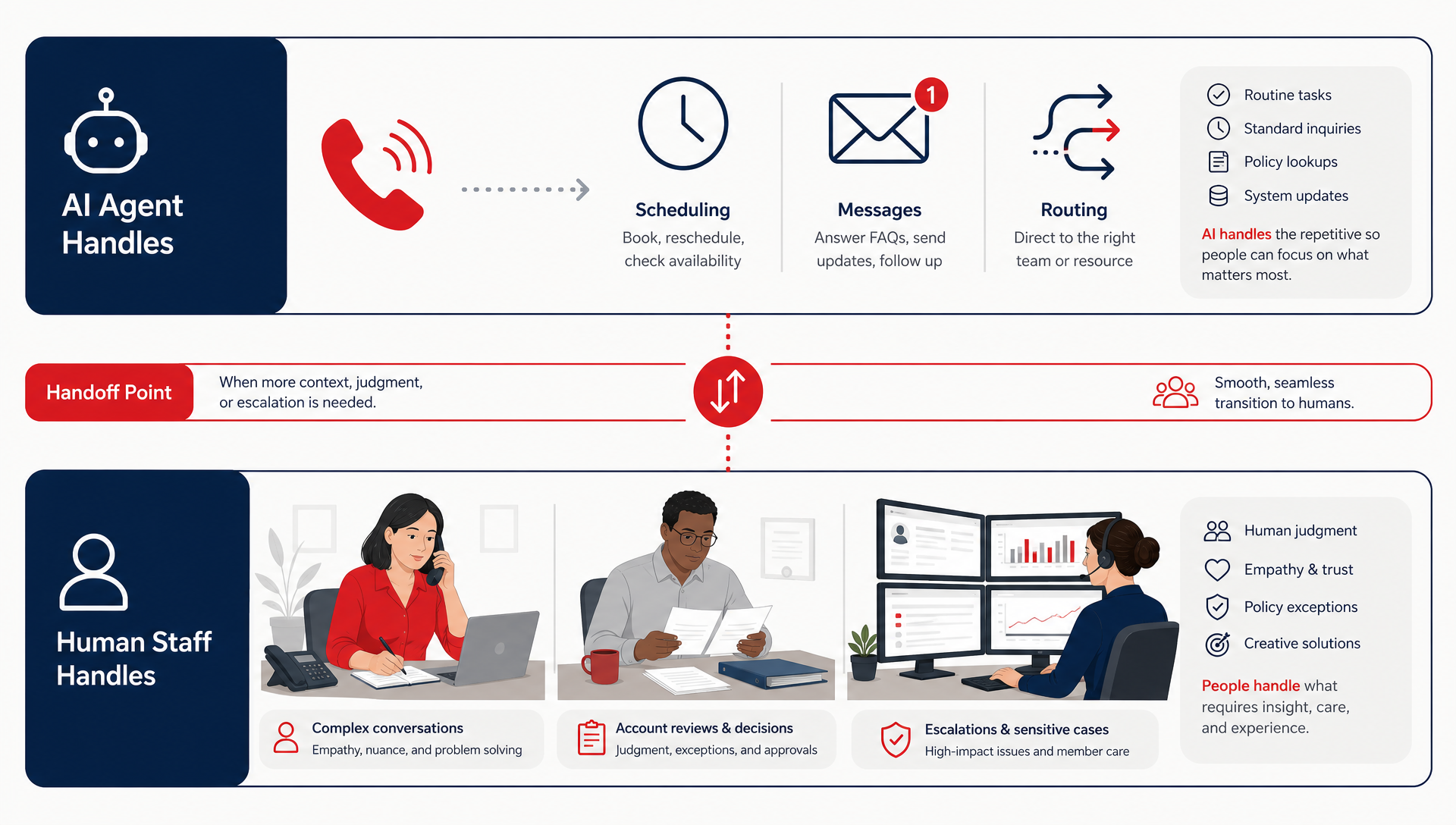
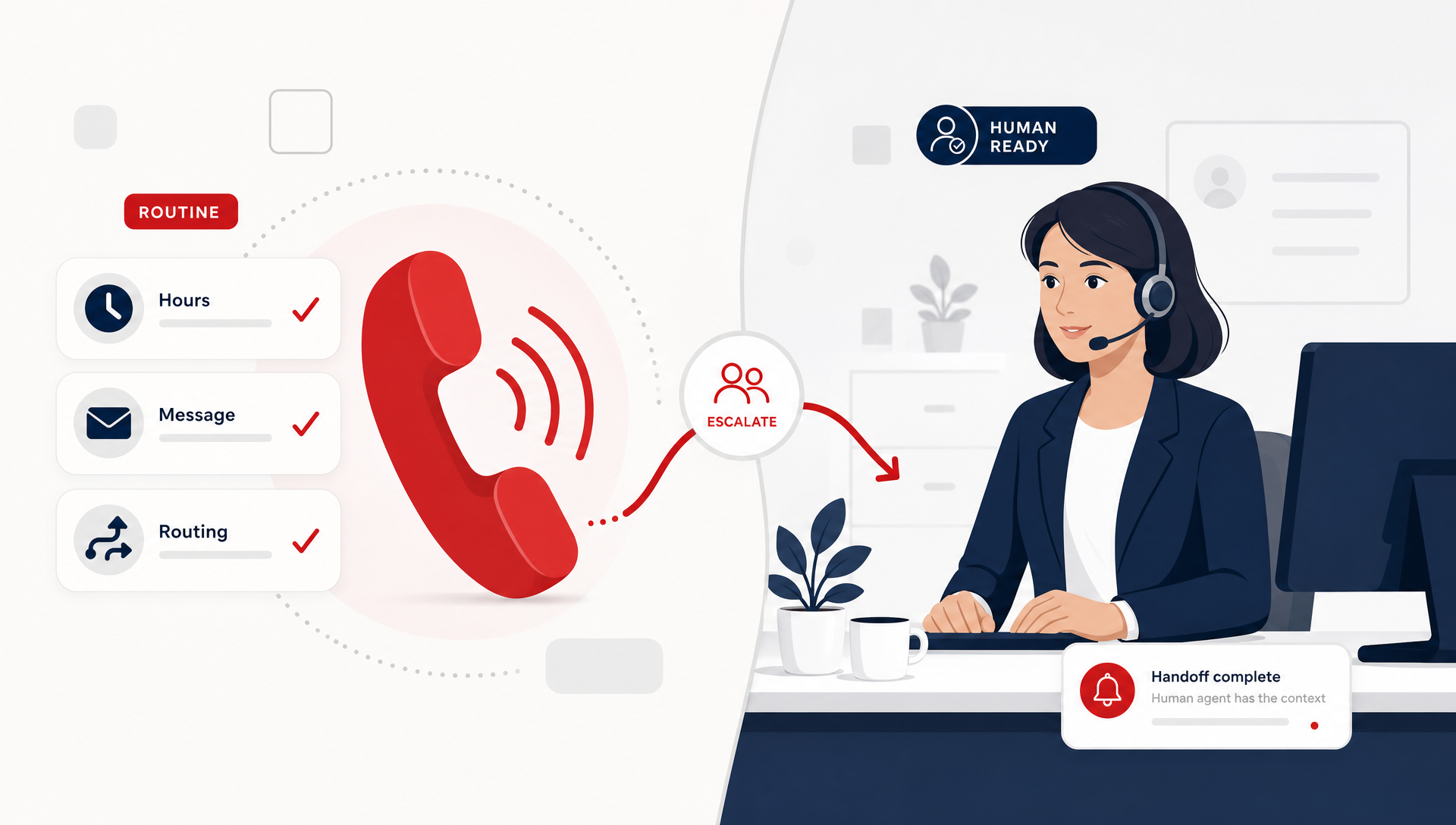
Picture a multi-location dental office, a home services dispatcher, or an urgent care front desk. The AI receptionist answers the first ring, handles routine questions, and routes simple requests. That is fine, until a caller starts describing a billing issue, a possible emergency, or a time-sensitive complaint.
The system should not guess. It should hand off.
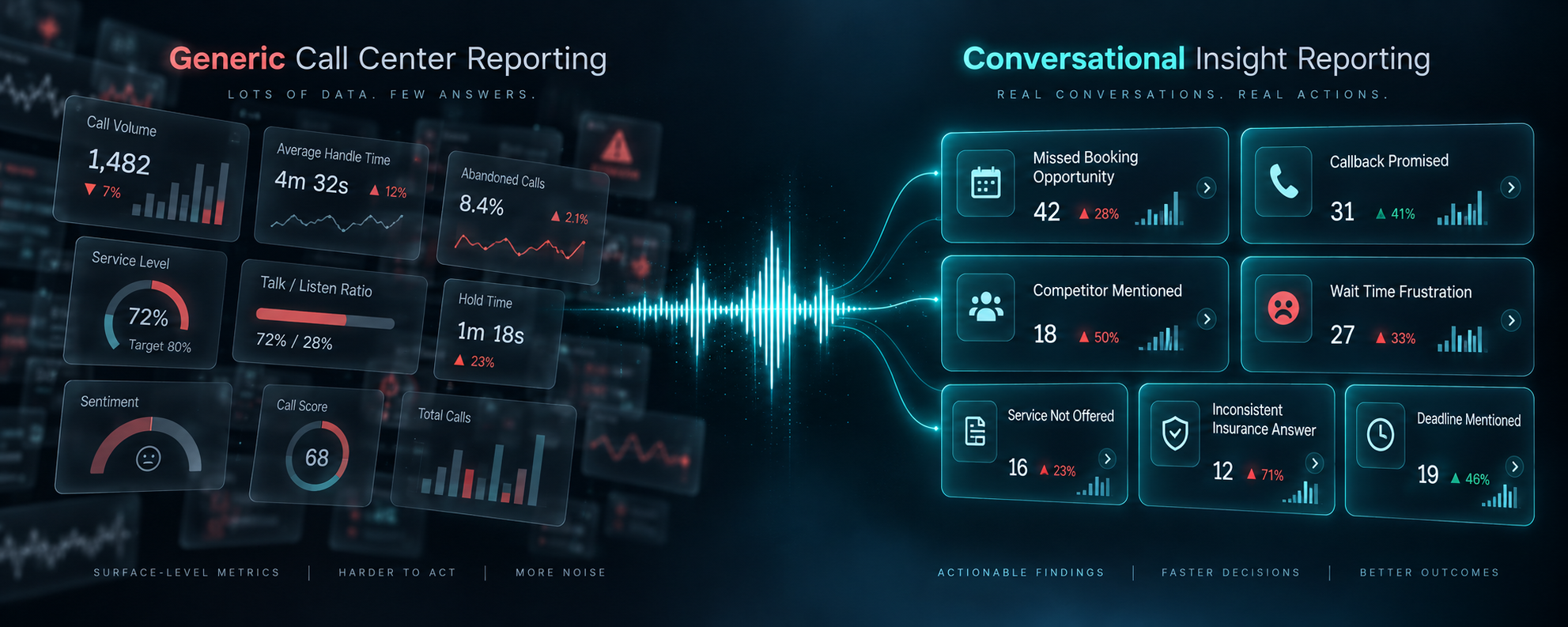
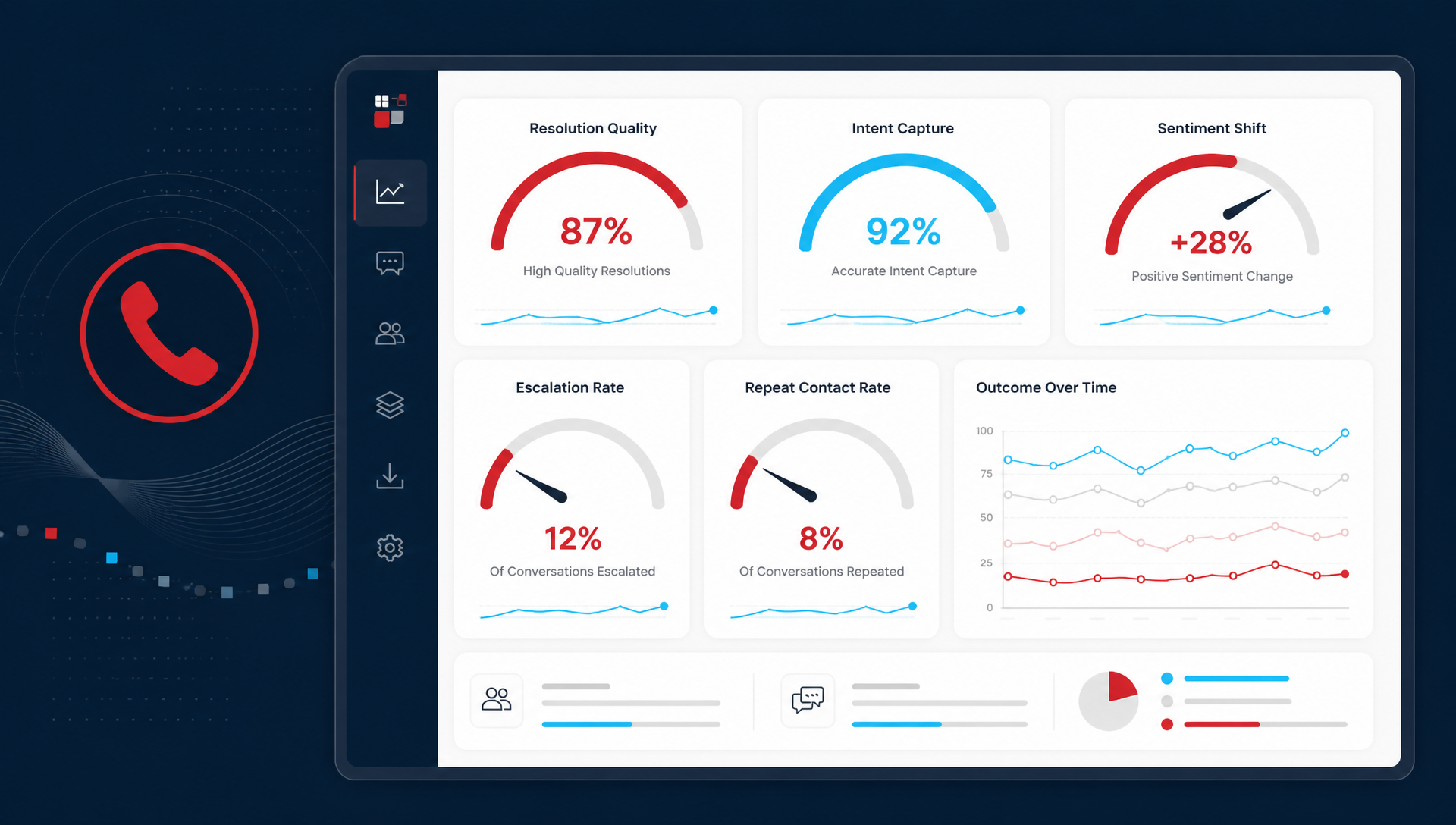
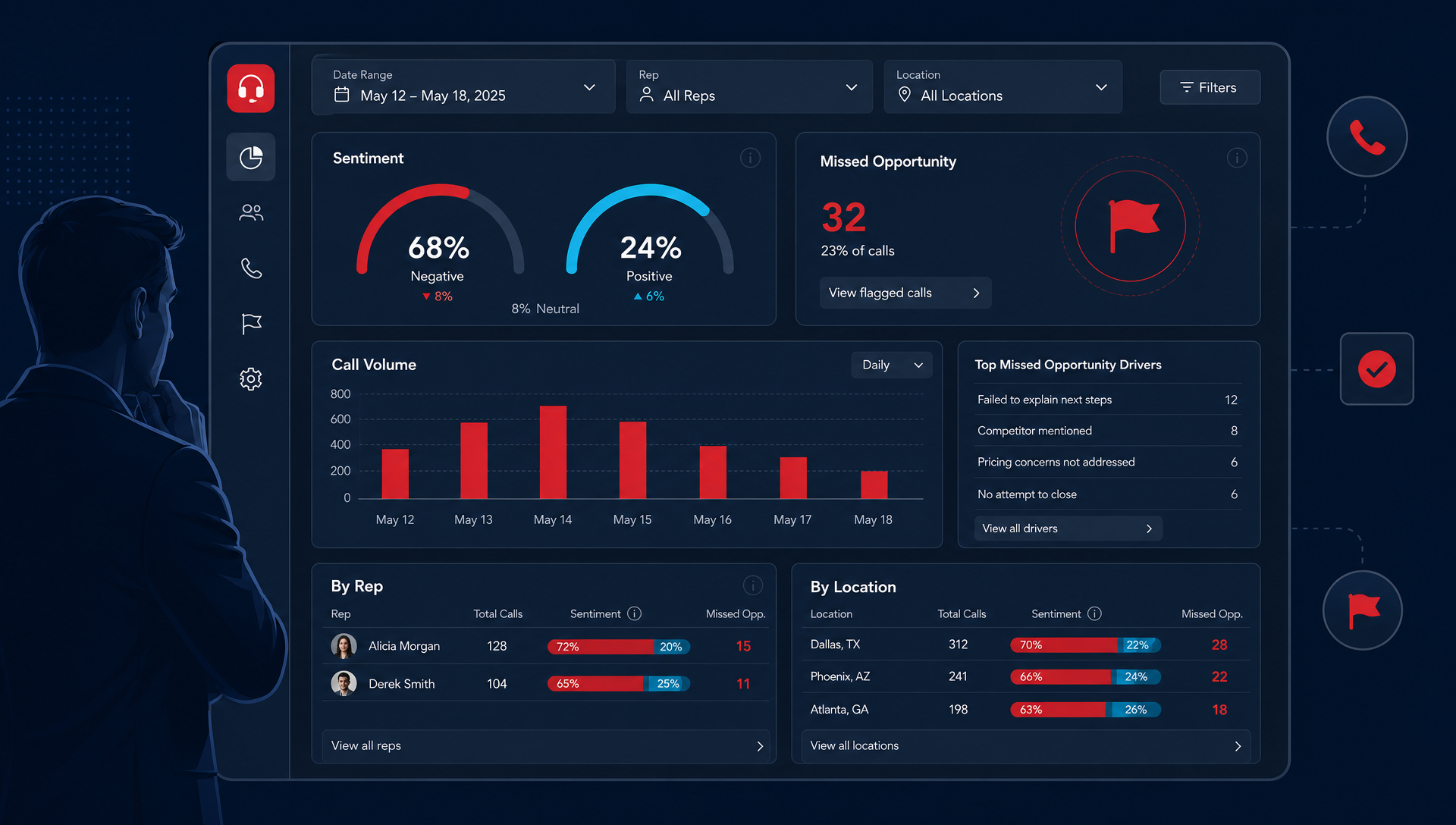
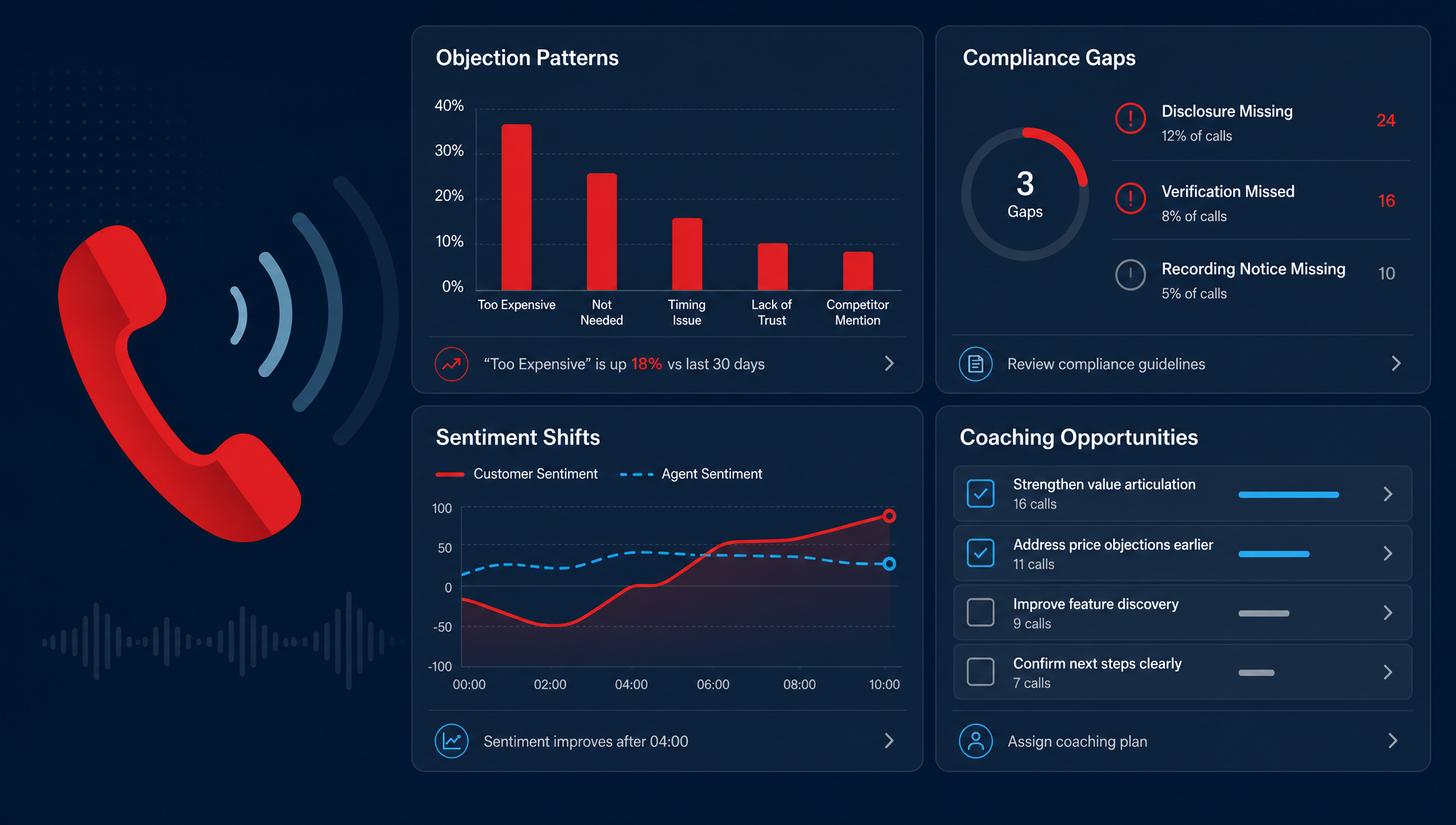
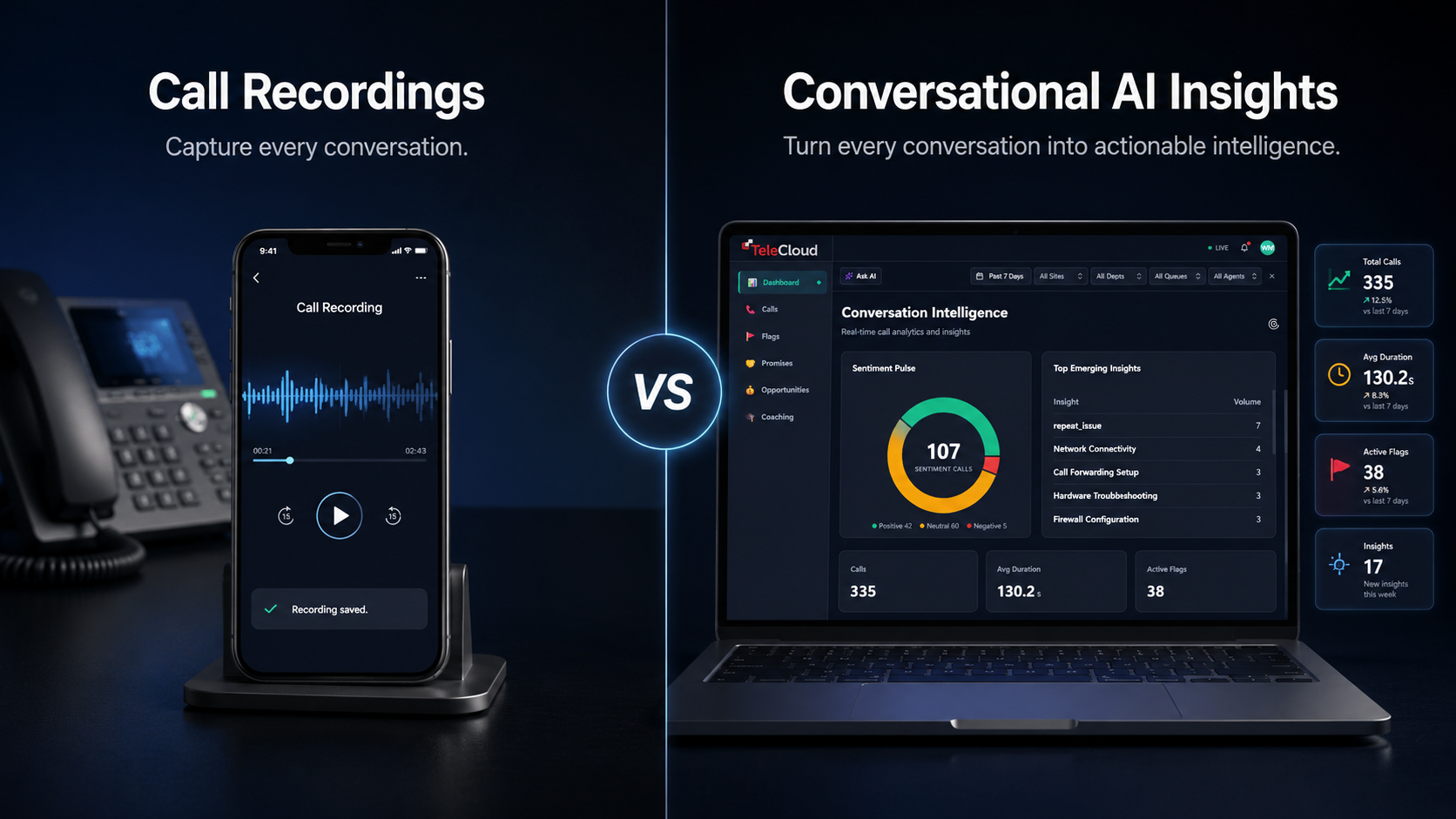
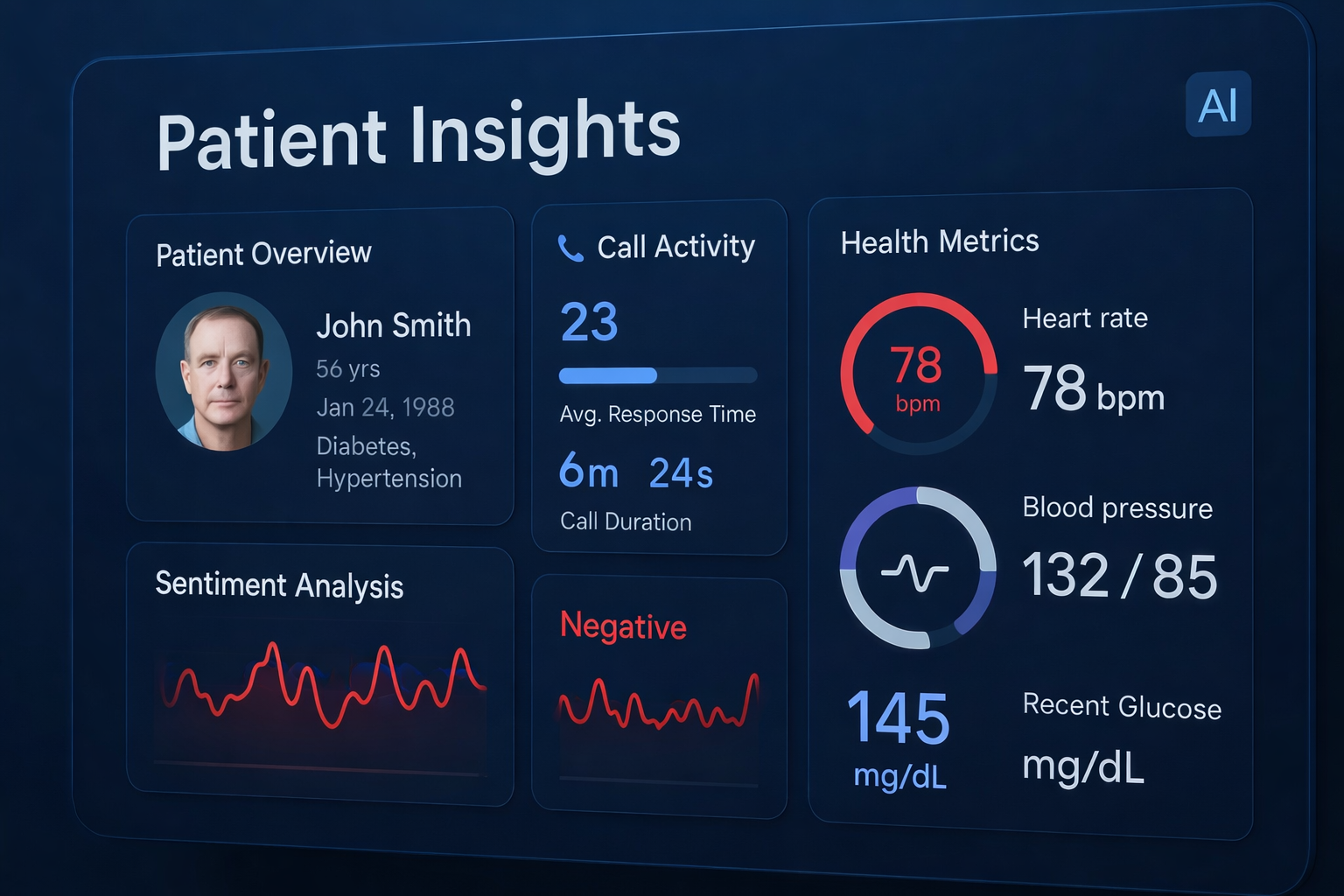
In practice, the difference between a useful AI receptionist and a risky one is the review layer behind it. TeleCloud's AI Receptionist can answer calls and route common questions, but the operational value shows up when you pair it with Conversational AI Insights, so you can review transcripts, check for repeated failure patterns, and spot where callers are getting stuck. That is the part many teams miss. Call handling only stays trustworthy if someone is checking the output.
A simple governance stack might look like this:
| Control | What it does |
|---|---|
| Approved intent list | Limits what the AI answers on its own |
| Escalation tree | Sends sensitive or unclear calls to staff |
| Transcript review | Lets a manager audit what was said |
| QA checklist | Scores the AI the same way you score a human rep |
| Change log | Shows when prompts, scripts, or routing rules changed |
That is not heavy process. It is the minimum you need if the phone line matters to revenue or care delivery.
How TeleCloud helps you keep score
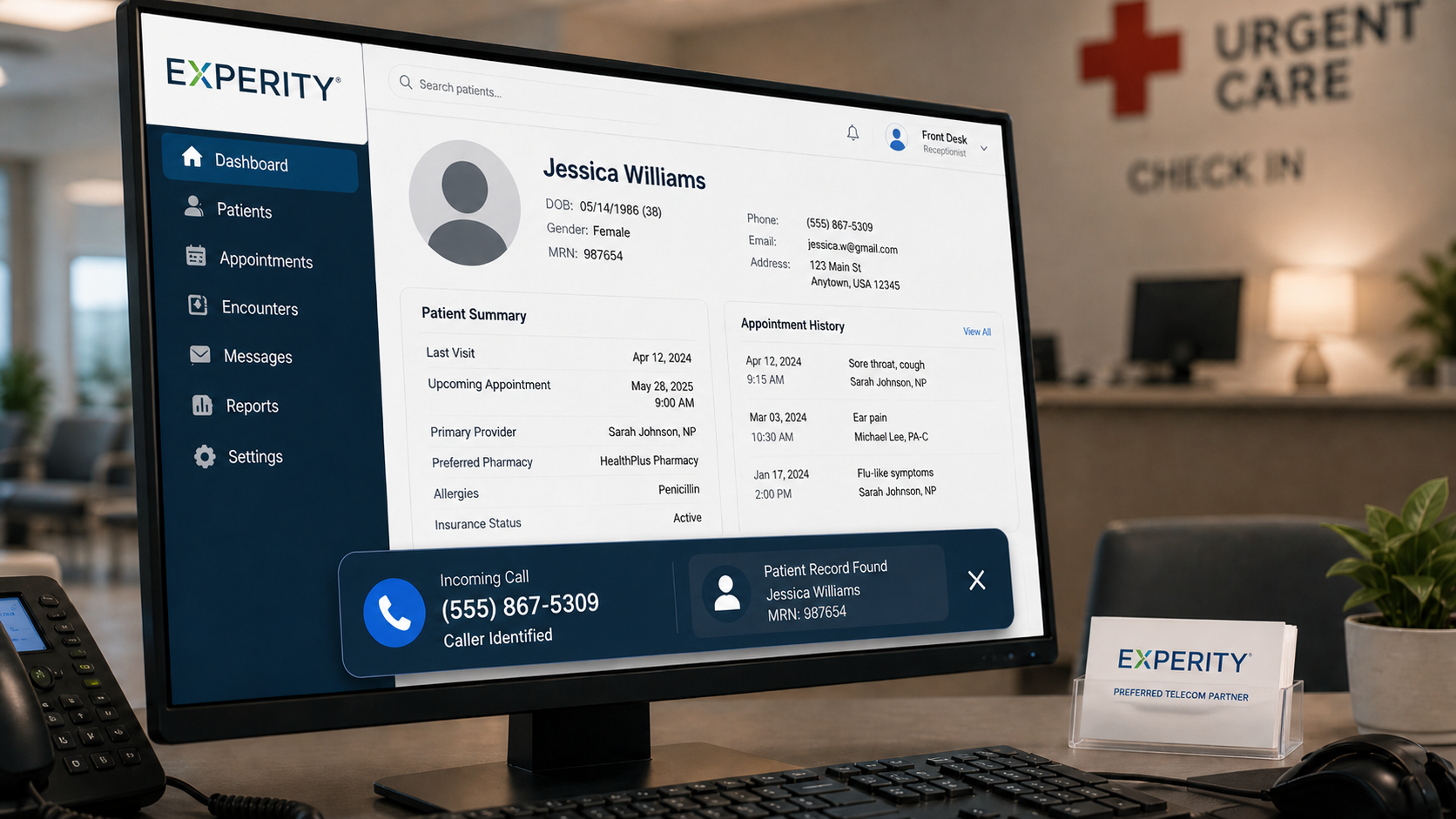
This is where the product answer matters. TeleCloud gives you call visibility and controls so the AI does not run outside the lines. The phone system can capture the call, the transcript, and the summary, and the insights layer helps you review the interaction instead of trusting the model blindly.
That matters for Monday morning. If a caller says, “The bot kept sending me in circles,” you need more than a complaint. You need to see the transcript, understand where the handoff failed, and change the rule set. If a staff member says the AI is missing urgent calls, you need a way to prove it and fix the workflow.
We have seen that the best teams treat AI call handling like any other business process. They assign ownership, review exceptions, and keep the human team in charge of policy. The AI can answer. You still decide.
When AI call handling is not a good fit yet
It is not a fit if no one will own the review queue. It is also a bad idea if your team expects the AI to make judgment calls in messy situations without a fallback.
Be careful if your calls involve:
- regulated advice,
- high-stakes scheduling,
- customer complaints that need empathy,
- or any workflow where a wrong answer creates more work than it saves.
If that sounds familiar, start smaller. Use the AI for routine intake, after-hours coverage, or FAQ handling first. Keep human staff in the loop until the transcript review tells you the system is stable.
Put the owner in charge before the bot answers
The real issue is not whether AI can answer the phone. It is whether you can explain, review, and correct what it says.
If you are going to let AI handle calls, set the rules first, name the owner, and build the review habit into week one. If you want to see how TeleCloud handles the monitoring and accountability side, we would be happy to show you!
FAQ
Is the business or the vendor liable when an AI receptionist makes a mistake?
Usually you own the customer-facing outcome, because the AI is acting on your behalf. The vendor may be responsible for product defects or contract terms, but that does not remove your duty to supervise how the system is used.
What should I audit in AI call transcripts?
Start with accuracy, escalation timing, and whether the AI stayed inside approved topics. Then check for repeated failure patterns, like callers getting stuck in a loop or sensitive requests not reaching a person.
Do I need a human to review every AI call?
Not forever, but you should review enough calls to prove the system is behaving. Most teams start with daily checks, then move to weekly sampling once the scripts and routing are stable.
Can an AI receptionist handle compliance-sensitive calls?
Yes, if you keep the scope narrow and build strong handoff rules. If the call crosses into regulated or high-risk territory, the system should escalate fast and leave a clear record of what happened.
How does TeleCloud help with AI governance?
TeleCloud gives you the call record, transcript, summary, and visibility into what the AI said. That makes it easier to audit behavior, fix bad patterns, and hold the AI to the same standards you expect from staff.
Matt Gavin is TeleCloud's Operations Manager, with 15+ years of telecom experience spanning network engineering, billing operations, and AI-driven process automation. He writes about the technology behind reliable phone systems, from VoIP infrastructure to how AI tools are changing day-to-day operations. Connect with Matt on LinkedIn or email him directly to learn more.
Topics: