
No. They can handle a lot of the first-ring work, but they do not replace the front desk, the office manager, or the dispatcher. The real win is using AI agents to answer repetitive calls, gather basic details, and hand off the rest to a person when it matters.
If you run a small business, Monday morning usually starts with the same problem: calls come in while your staff is already doing three other jobs. Someone is checking in a patient, someone else is taking a payment, and the phone rings again. We have seen that pattern across healthcare, HVAC, and multi-location offices, and it is where AI agents can help without pretending to be your whole team.
What AI Receptionists can handle today
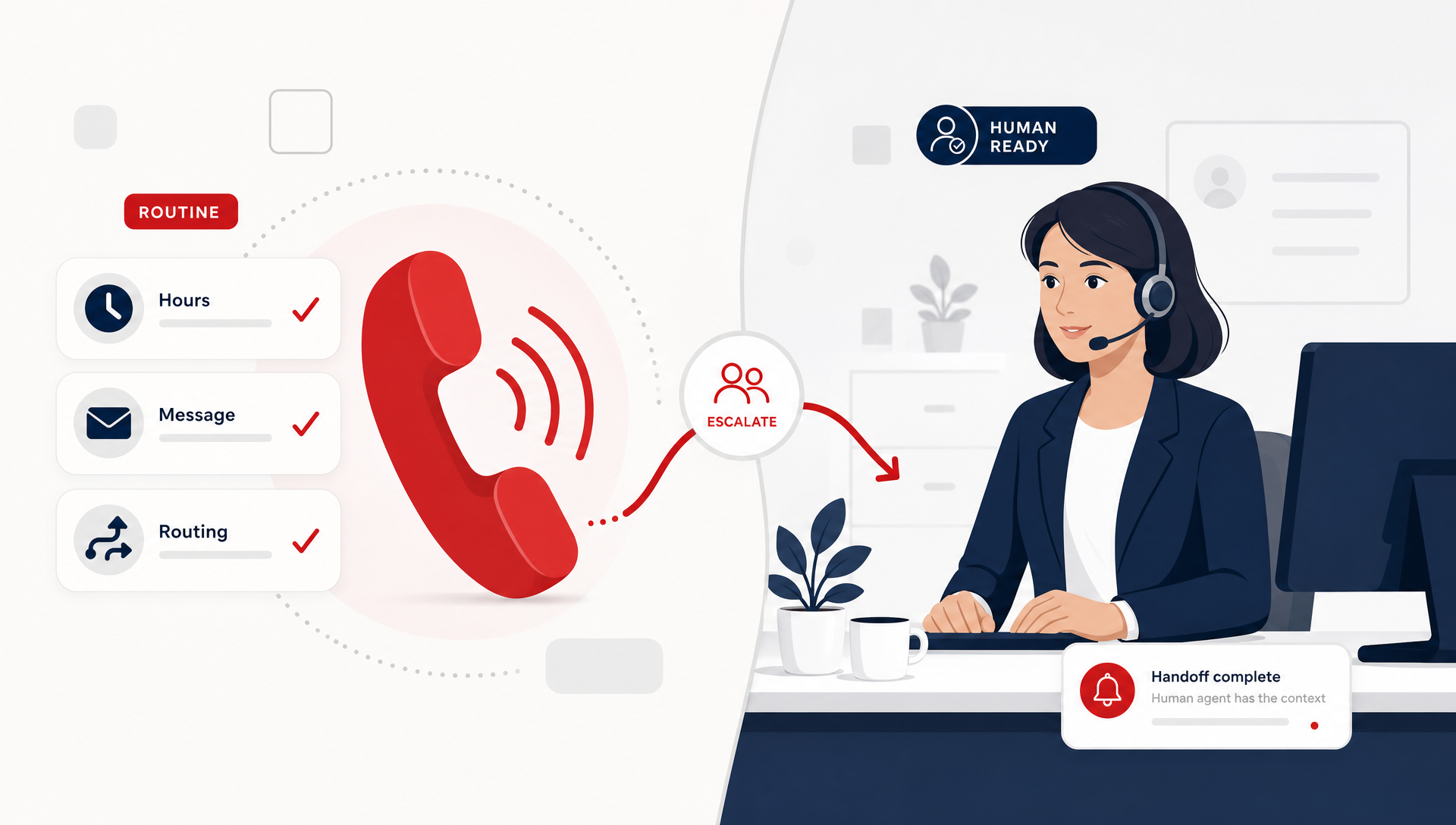
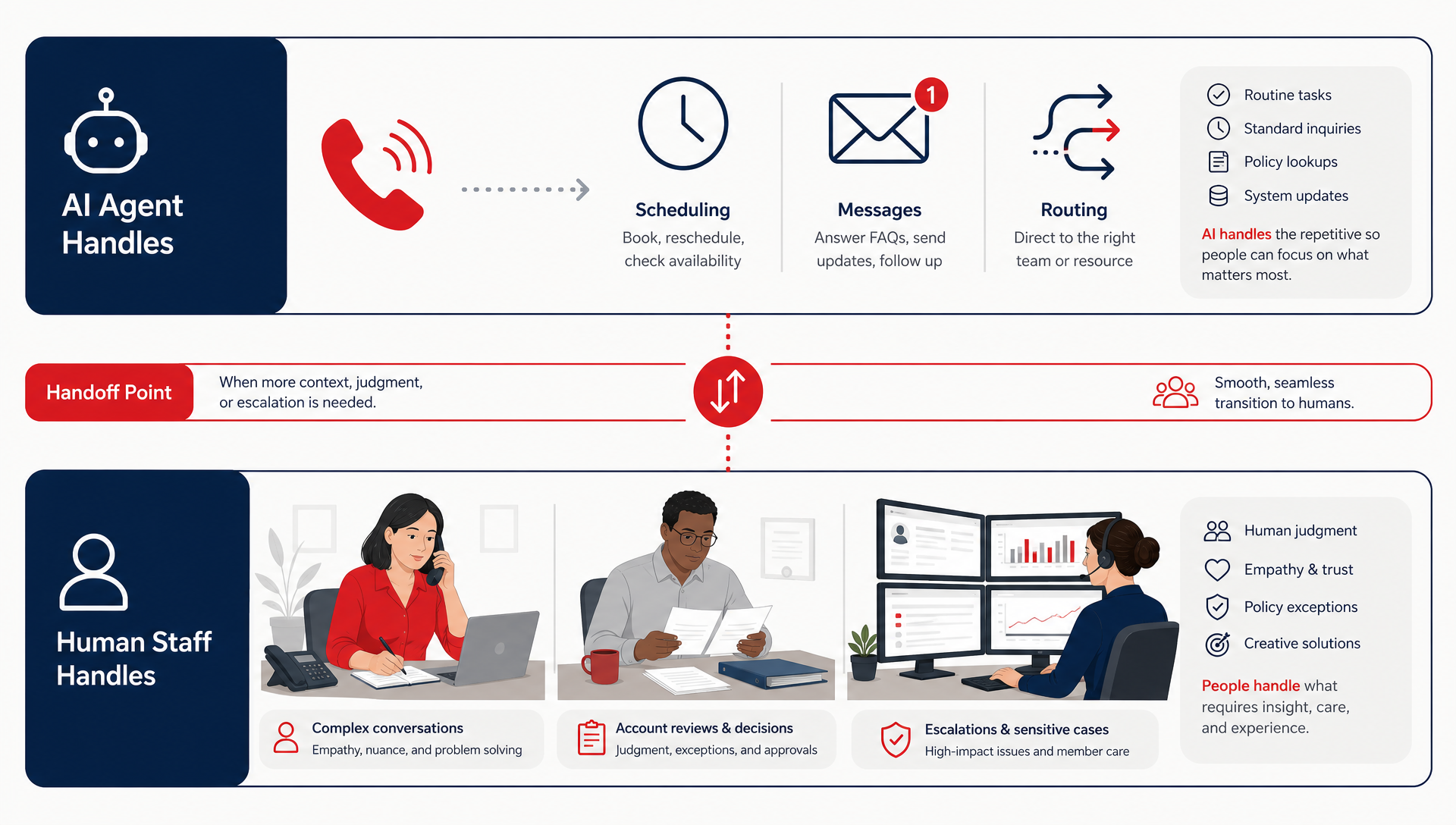
AI receptionists are good at the work that repeats. They can answer common questions, capture caller name and reason for the call, route by topic, send a text, and escalate when the caller needs a person.
That means they are useful for:
- After-hours call answering
- Simple scheduling questions
- Basic routing by department or location
- Taking messages when no one is free
- Collecting details before transfer
The important part is scope. AI is strongest when the job is structured and the outcomes are clear. If the call needs judgment, empathy, or a messy back-and-forth, a person still does better.
What AI Receptionists still should not do
A front-office team does more than answer questions. They calm upset callers, spot urgency, catch edge cases, and make judgment calls that keep the day moving.
AI receptionists still struggle when a call involves:
- A frustrated customer who keeps changing the story
- Multiple questions that depend on context
- Sensitive conversations that need a human ear
- A caller who will not follow the script
- Situations where the wrong answer creates a bigger problem
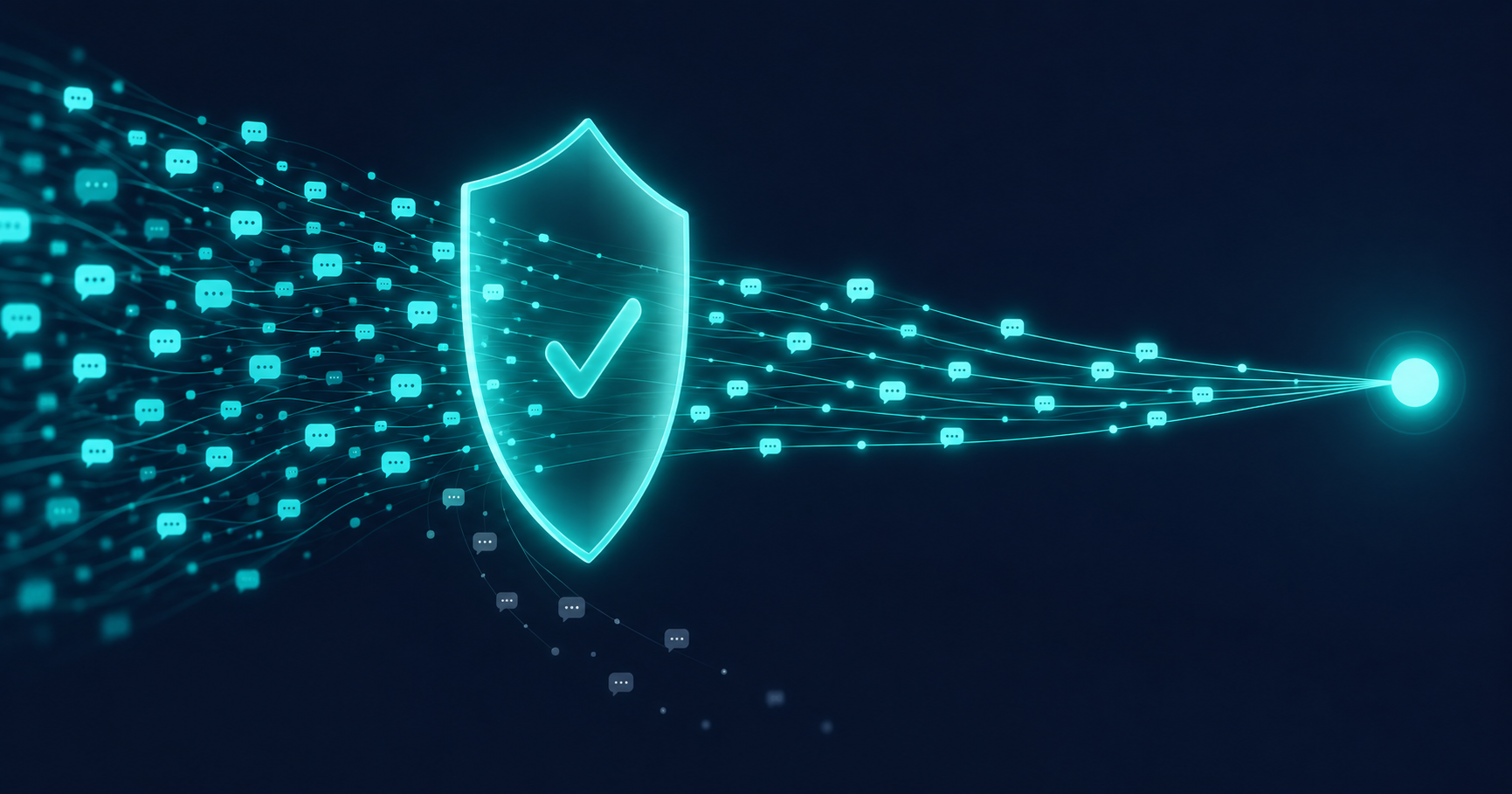
That is why the best setup is not replacement. It is triage. The AI agent handles the easy first step, then your staff gets the calls that actually need them.
What this looks like in a phone system
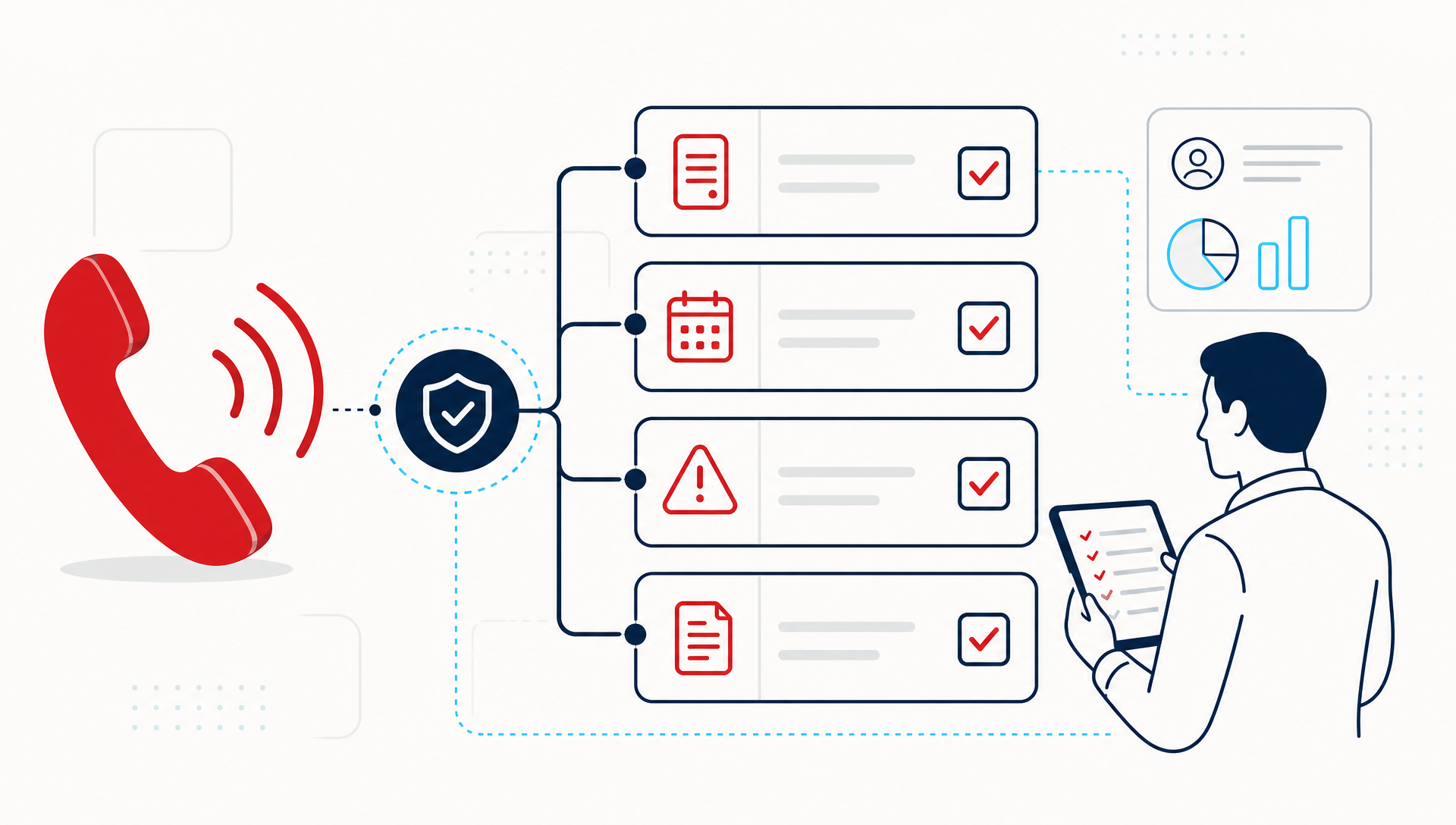
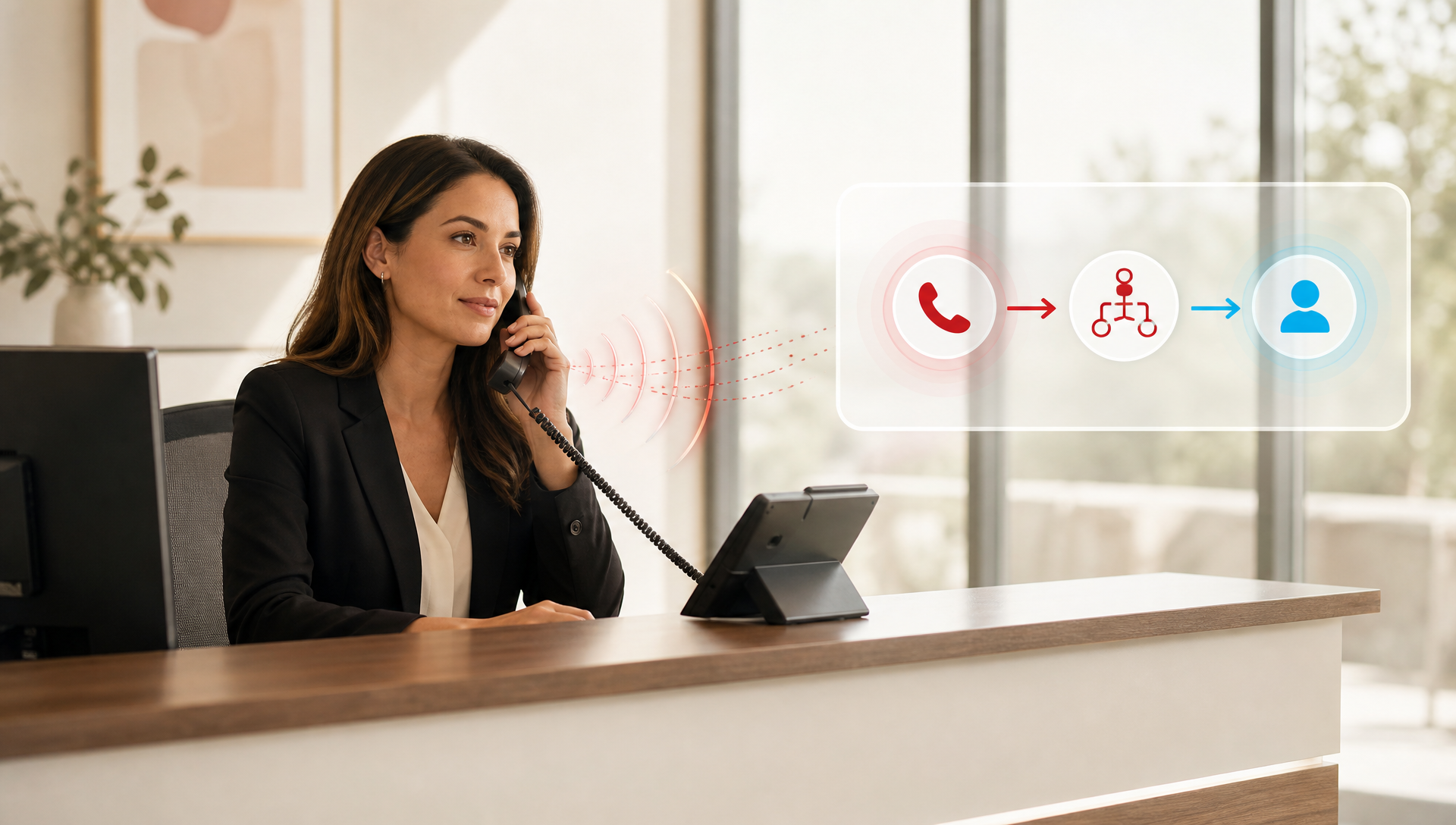
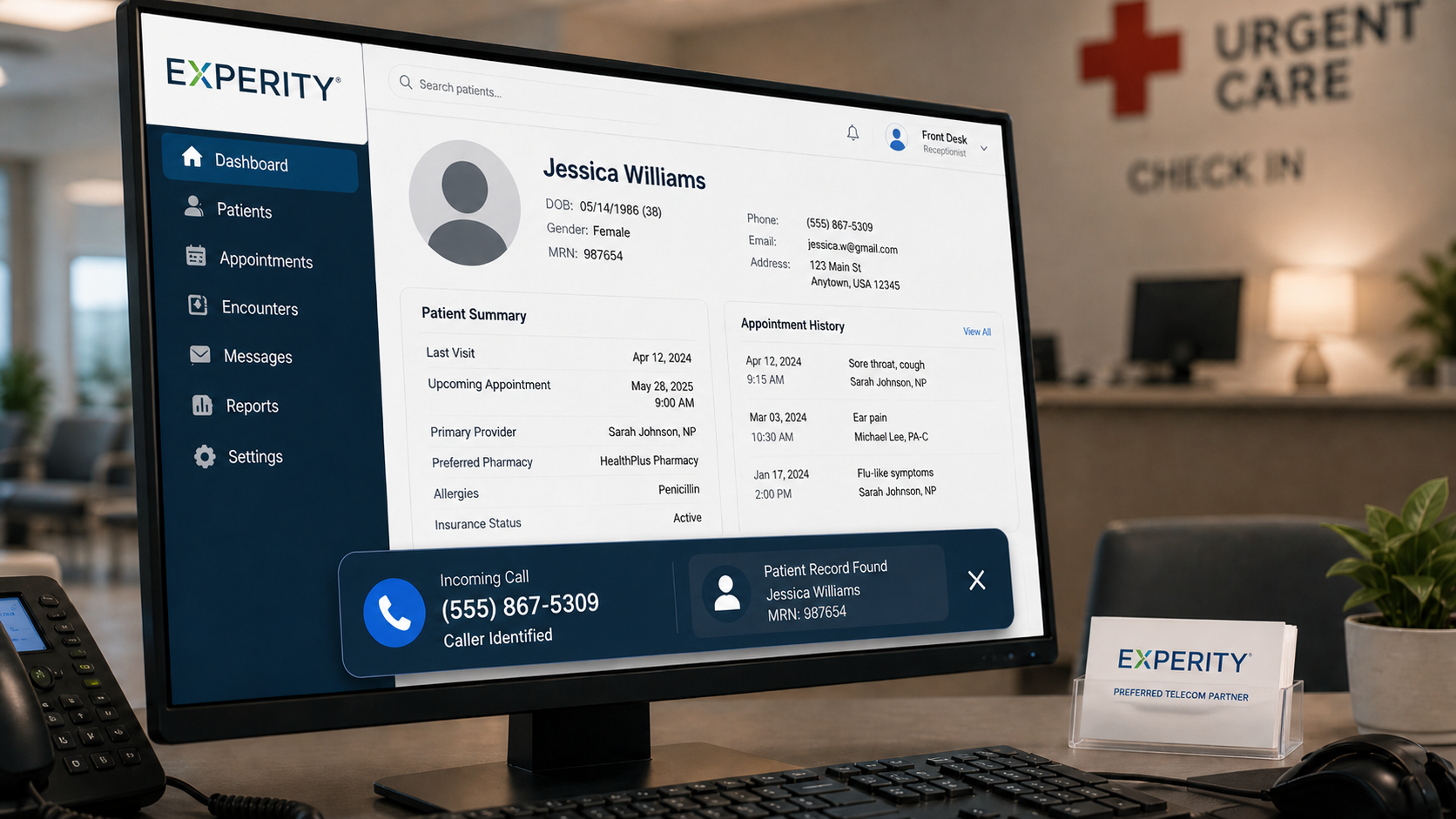
This starts inside your existing phone workflow, not in a separate app nobody checks. The AI receptionist answers the call, identifies what the caller needs, and either resolves it or passes it to the right person.
In practice, that means a caller can reach your business after hours and get one of three outcomes:
- Their question is answered right away.
- Their details are captured and routed to the right queue.
- A human gets the call because it needs attention.
That is where TeleCloud's AI Receptionist fits. It answers calls 24/7, handles FAQs and scheduling basics, and routes to staff when the call needs a person. For a front office, that means fewer missed calls and less time spent on the same script over and over. If you want to see the rest of the phone workflow around it, our VoIP phone system overview shows where routing, texting, and handoff fit together.
What changes for your team
The change is not that people disappear. The change is that your staff stops getting buried in low-value calls.
A front desk can spend more time on:
- Confirming appointments
- Helping the caller who really needs help
- Following up on the calls that matter
- Keeping the schedule clean
- Handling the exceptions AI should not touch
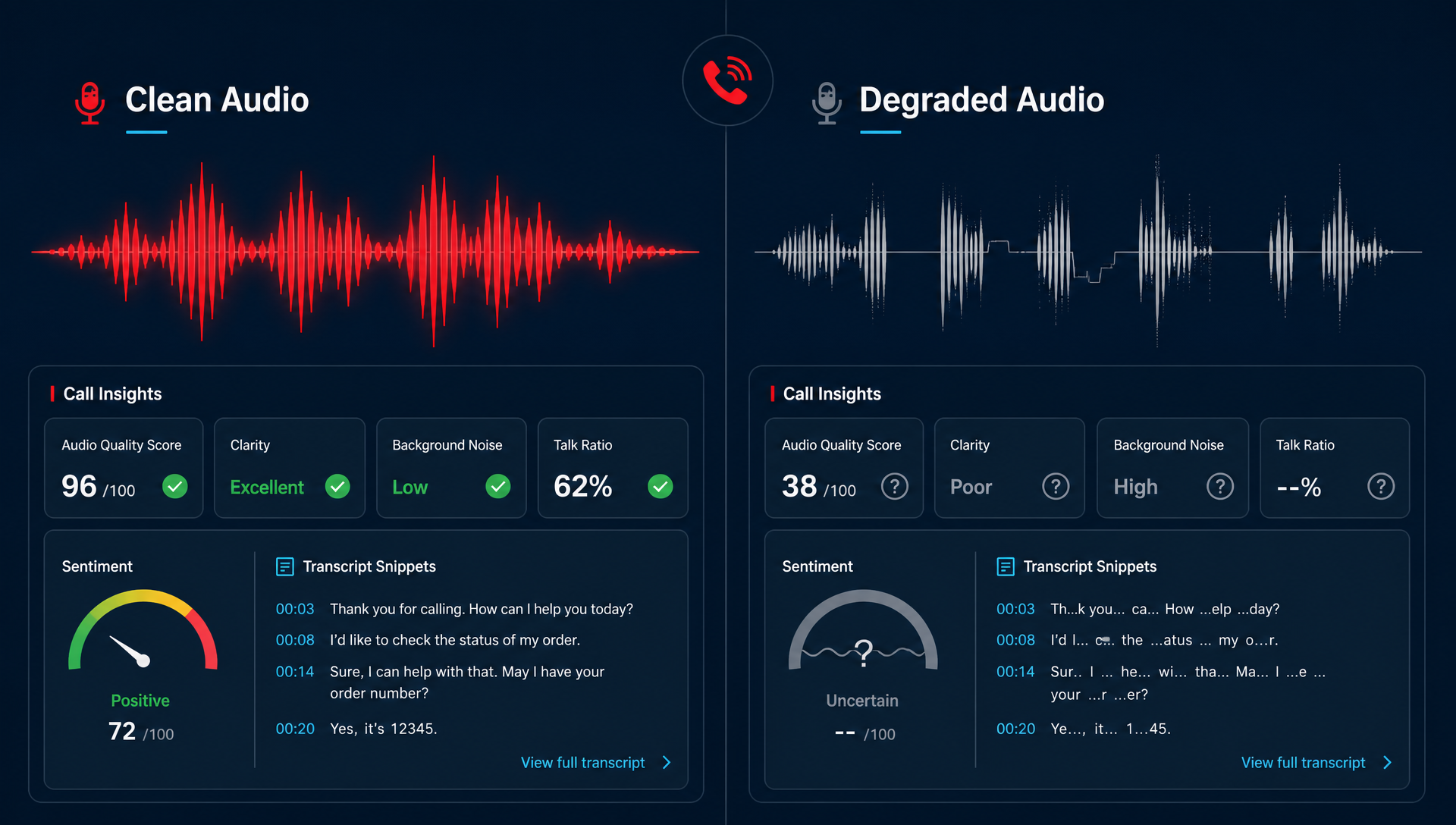
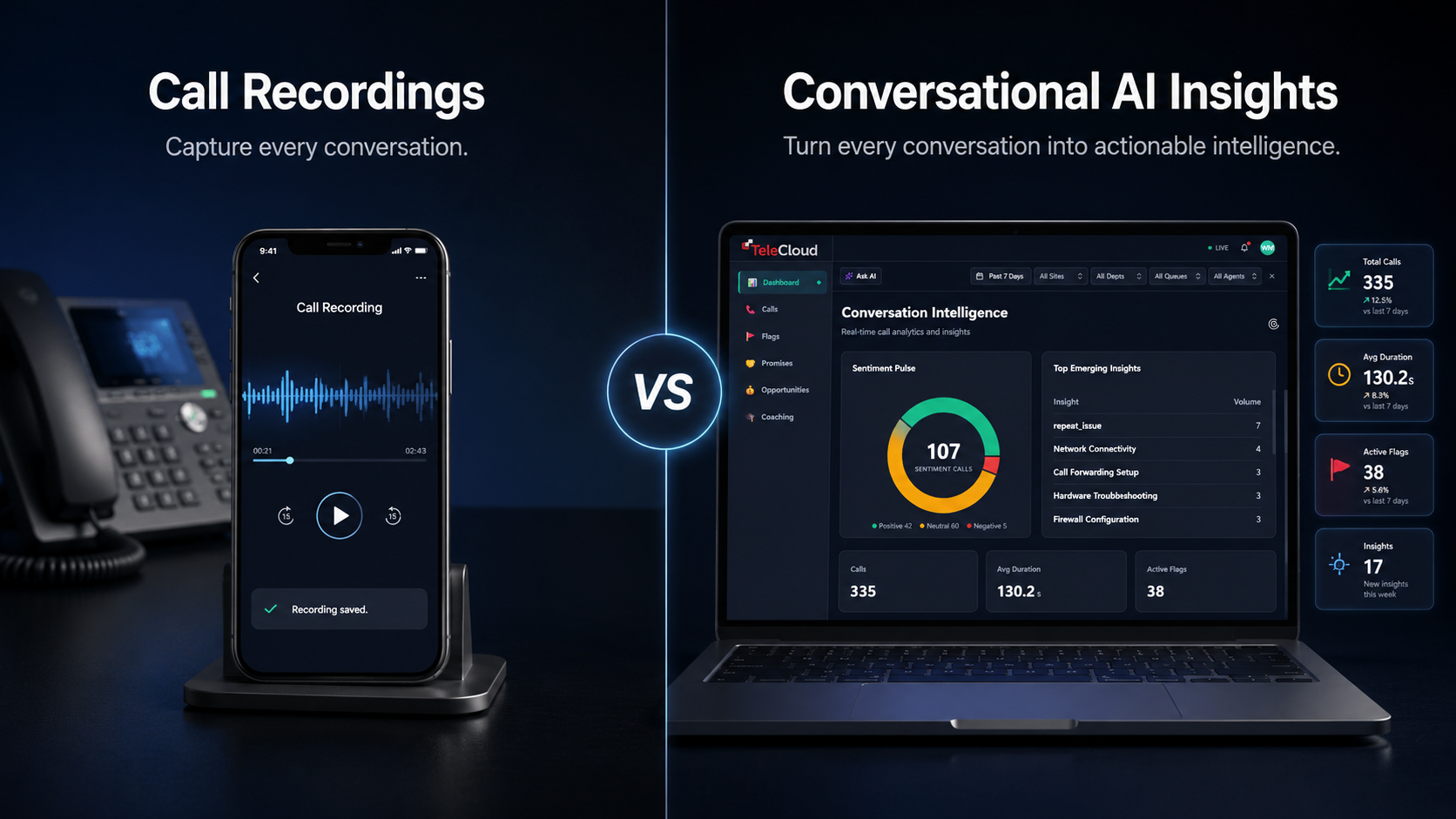
We have seen this matter most in offices that live and die by the phone. In urgent care, for example, the phone often decides whether a patient gets scheduled or hangs up. In HVAC and field service, it is the difference between booking the job and losing the lead before dispatch ever sees it. For a deeper look at the call-recording side of that workflow, our call recording foundation piece explains why clean call data matters before anything else.
When AI agents are a fit, and when they are not
AI receptionists make sense when your front office has a steady stream of repeat calls and clear handoff rules. They are a bad fit if every call is a snowflake, if your workflows change daily, or if nobody owns the escalation path.
Ask three questions before you deploy one:
- What calls should the AI answer without help?
- What calls must go to a person?
- Who owns the fallback when the AI gets stuck?
If you cannot answer those clearly, the problem is not the AI. It is the workflow.
What to do before you buy
Before you buy anything, map the top 10 reasons people call your office. Then mark which ones can be answered by script, which ones need routing, and which ones need a person.
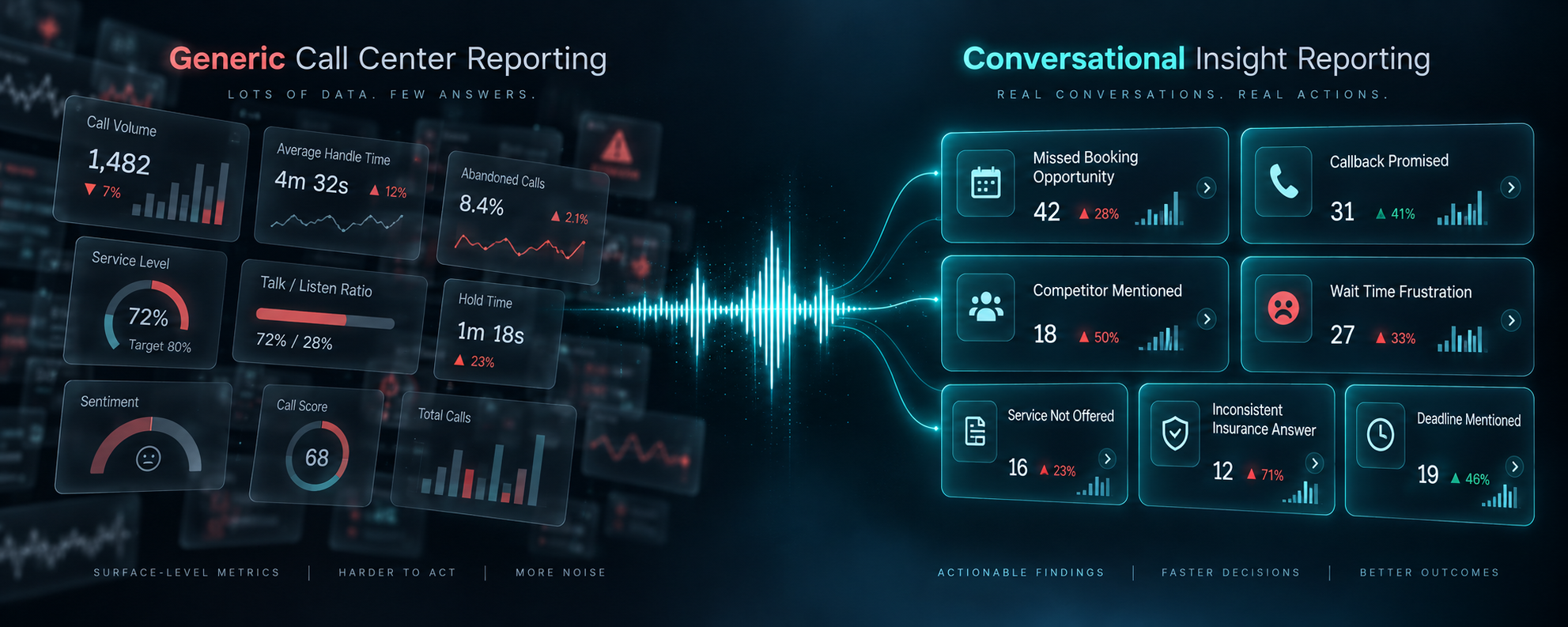
If you want a real test, start with one high-volume queue and measure three things:
- Missed calls
- Transfers that fail
- Calls that still need human intervention
That tells you whether AI is actually helping or just adding another layer.
What to put in place before your next call spike
The better question is not whether AI can replace your front office. It is whether your front office has enough coverage when the phones start stacking up.
AI agents are useful when they take the first pass, reduce the load, and hand off cleanly. If you want to see how that works in a real phone workflow, talk to TeleCloud about AI Receptionist and how it fits into your call flow.
FAQ
Can AI agents answer all my business calls?
No. They can handle many routine calls, but they are not a full substitute for a trained front desk or dispatcher. The best use is to cover repeat questions, capture details, and route the rest.
Will AI agents reduce staffing needs?
They can reduce pressure on staff, but that is not the same as removing people from the workflow. Most small businesses still need humans for judgment, exceptions, and sensitive calls.
How do I know if my phone workflow is ready for AI?
Look at your call types first. If you can define the top reasons people call and the right handoff for each one, you probably have a good starting point.
What happens when the AI cannot help the caller?
It should escalate to a person or take a message, depending on the workflow you set. A good deployment does not trap the caller in a loop.
Is AI Receptionist meant to replace the front desk?
No. It is meant to handle routine call work so your front desk can focus on the conversations that need a human. That is usually where the value shows up first.
Matt Gavin is TeleCloud's Operations Manager, with 15+ years of telecom experience spanning network engineering, billing operations, and AI-driven process automation. He writes about the technology behind reliable phone systems, from VoIP infrastructure to how AI tools are changing day-to-day operations. Connect with Matt on LinkedIn or email him directly to learn more.
Topics: