
Your Phone Is Your Front Door. Do You Know What's Happening There?
May 5th, 2026
6 min read
By Will Maddox
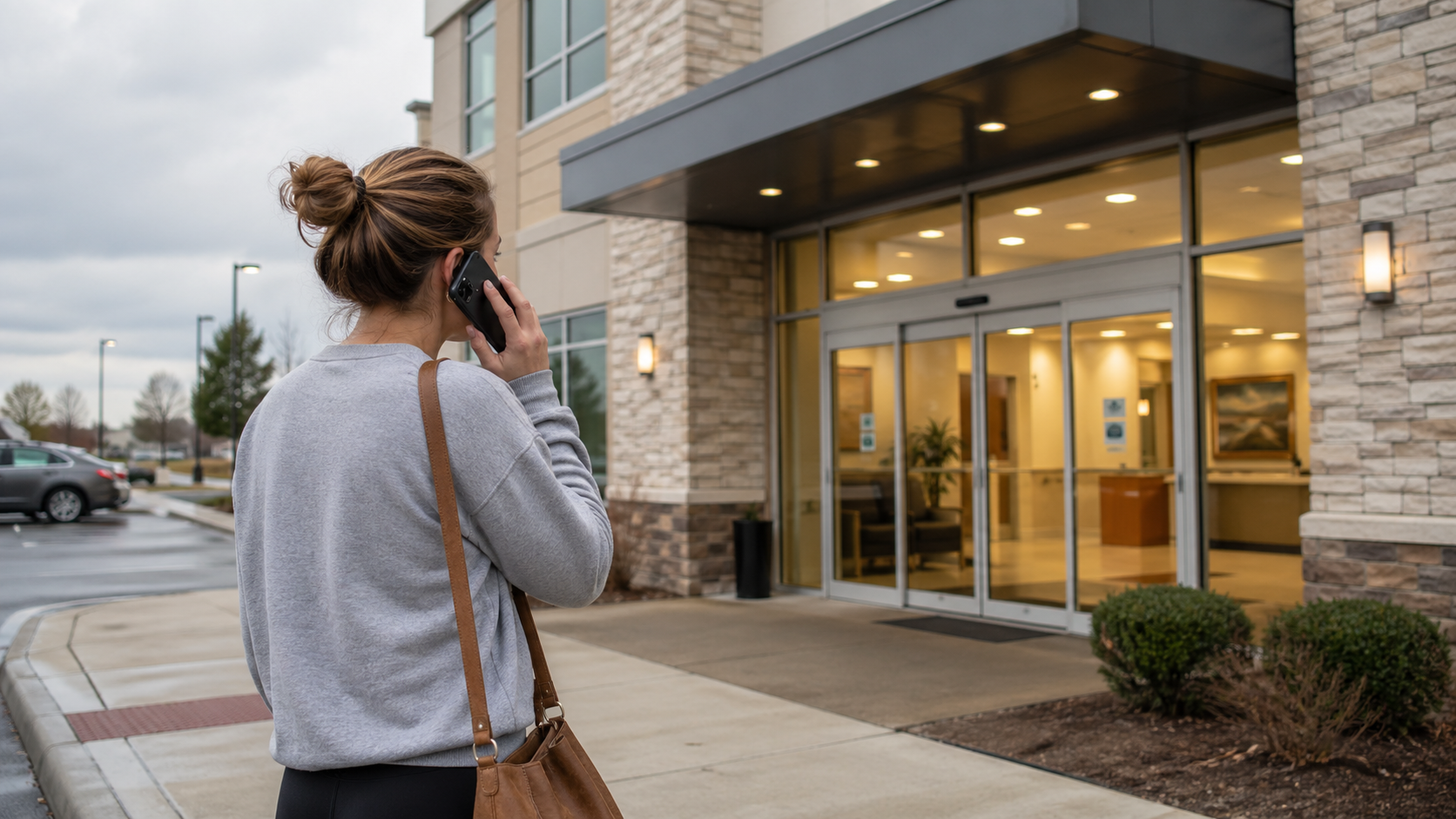
For most patients, the phone call comes before everything else. Before the waiting room, before check-in, before they ever meet your staff. It is the first impression your urgent care makes, and for a lot of operators, it is also the least visible part of the entire patient journey.
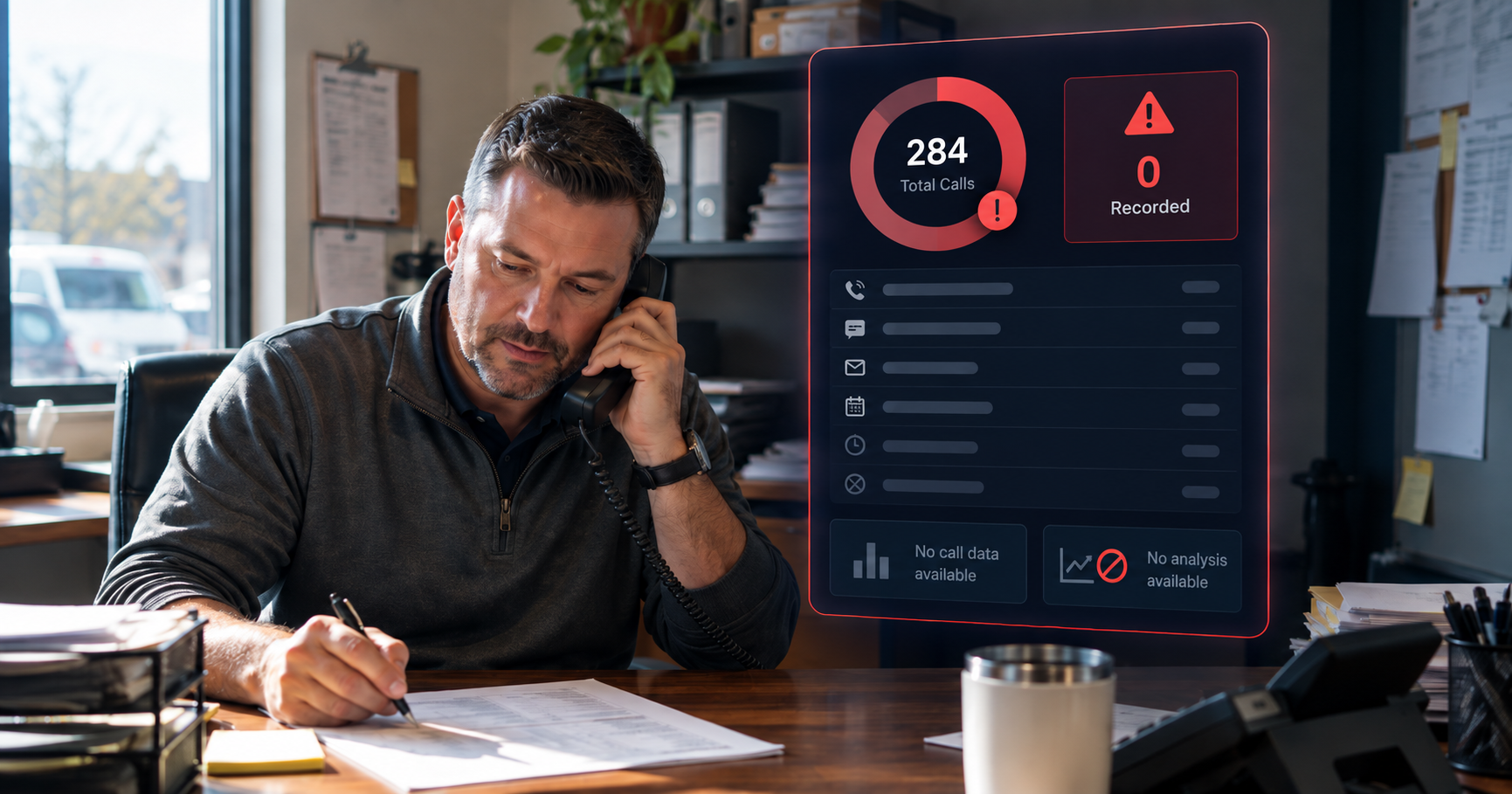
You can see your wait times. You can track patient satisfaction scores. You can watch the waiting room fill up and slow down throughout the day. But what is happening on your phones? How many calls are going unanswered? Which ones are converting to visits? Where are patients getting frustrated before they even walk through your door?
Most urgent care operators cannot answer those questions. Not because they do not care, but because no one has ever given them the tools to see it. This article is about what call visibility actually means, why it matters more than most operators realize, and what you can do about it.
Why Is the Phone the Front Door of Your Urgent Care?
Despite everything digital, the phone is still how the majority of patients first contact their urgent care. According to industry research, 67 percent of patients prefer to call when reaching out to a healthcare provider. Not a portal. Not an app. The phone.
That first call is not just an administrative touchpoint. It is a brand moment. The tone of whoever answers, the wait time before someone picks up, whether the call gets answered at all, these details shape how a patient feels about your practice before they have seen a single provider.
Patients who have a poor phone experience are four times more likely to switch providers. That is not a satisfaction stat. That is a retention stat. And in urgent care, where patients have more choices than ever, first impressions on the phone can determine whether someone becomes a repeat patient or a one-time visitor who goes elsewhere next time.
|
Every call is a patient experience moment. It just happens to occur before anyone walks through the door. |
What Does 'No Complaints' Actually Tell You About Your Phones?
Here is something worth sitting with: most patients who have a bad phone experience do not tell you about it. They do not leave feedback. They do not fill out a survey. They just do not come back.
If your urgent care is not hearing complaints about the phones, that is not necessarily a sign that things are going well. It may simply mean that the patients who were frustrated already left, and the ones who stayed are tolerating an experience they would not recommend.
The absence of complaints is not the same as a good call experience. It just means you are not hearing about the bad ones. And if you do not have a way to analyze what is happening on your phones, you are relying on silence as a signal, which is about as reliable as it sounds.
What Are Urgent Care Operators Actually Missing on Their Phones?
Which calls are being missed and when?
The industry average missed call rate for urgent care is between 7 and 10 percent. For a busy location handling 3,000 calls a month, that is up to 300 calls going unanswered. But the number alone is only part of the picture. When those calls are being missed matters just as much.
Are they dropping during the morning rush when everyone is checking in patients? Are they disappearing after hours when no one is staffed to answer? Without call data broken down by time of day, you are guessing. And the fix for a peak-hour problem looks very different from the fix for an after-hours problem.
What are patients actually calling about?
Not all calls are equal. A patient calling to schedule an appointment has a different urgency than someone asking for directions. A call about insurance coverage has different staffing implications than a clinical question.
When you know your call type breakdown, scheduling, insurance, wait time inquiries, directions, clinical questions, you can make smarter decisions about which calls to automate, which to prioritize, and how to train your team. Without that data, every call looks the same, and your staffing and training decisions are built on assumptions.
How are those calls actually being handled?
This is the question most operators are least equipped to answer. You can hire great people and still have no visibility into whether a patient calling about scheduling felt heard, got the information they needed, or hung up frustrated.
Without call analysis, you are taking your team's word for it. That is not a knock on your staff. It is just a structural gap. The only way to know what is happening in those conversations is to actually look at them, and that is not something any team can do manually at scale.
Where is patient frustration showing up before you find out about it?
Negative reviews often trace back to a phone interaction that happened days or even weeks earlier. A patient who felt dismissed on a call, who waited too long on hold, or who called twice and never got through, they may not say anything in the moment. But they remember.
By the time that frustration shows up in a Google review or a patient satisfaction score, the chance to address it has already passed. Call visibility closes that gap. It surfaces the frustration signal when it happens, not after it costs you.
|
Want to see what is actually happening on your phones? Request a call analysis from TeleCloud and get a clear picture of your call patterns. |
What Does Call Visibility Actually Look Like in Practice?
Call visibility is not just about recording calls and storing them somewhere. It is about turning every conversation into data your team can actually use.
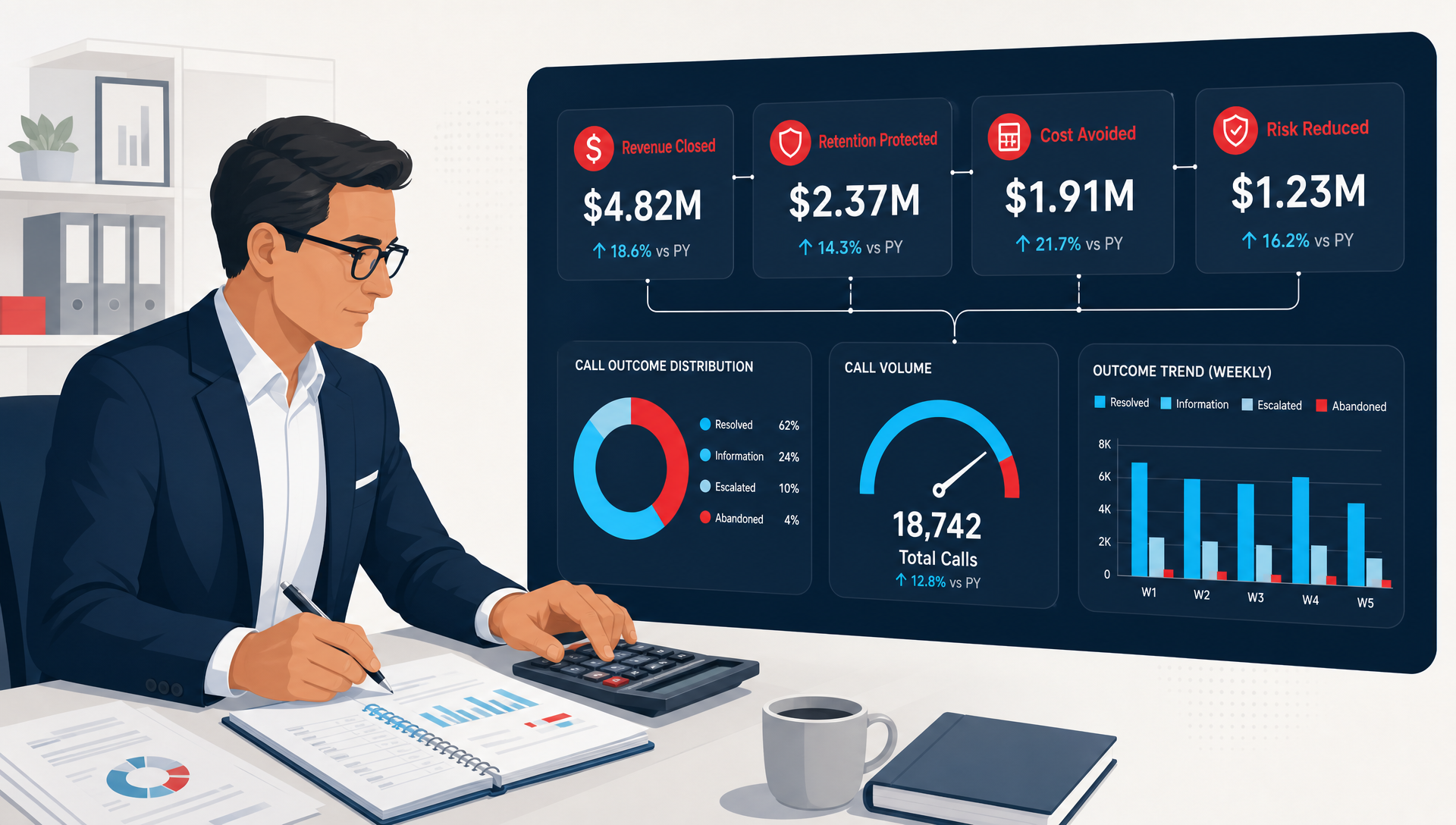
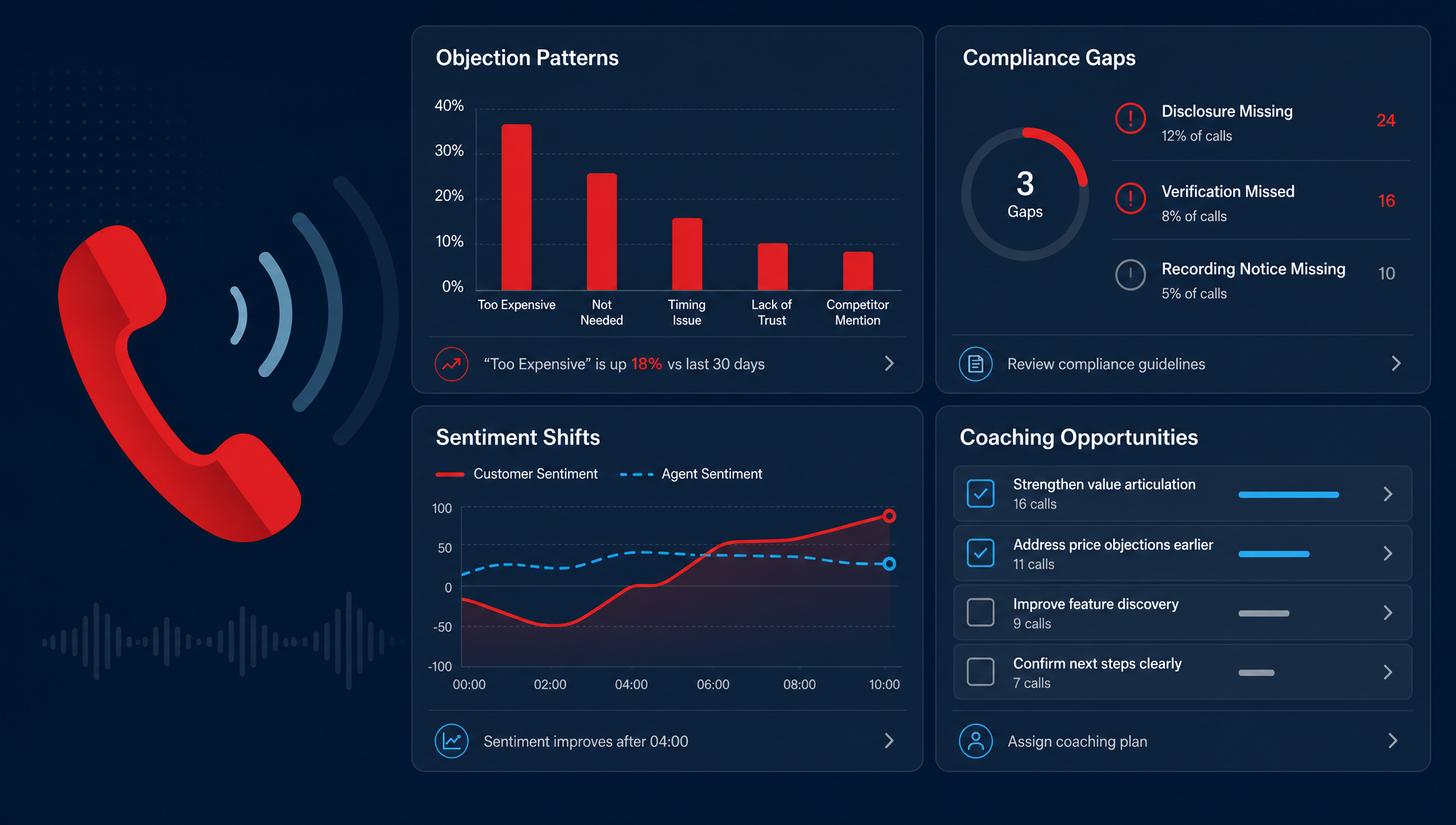
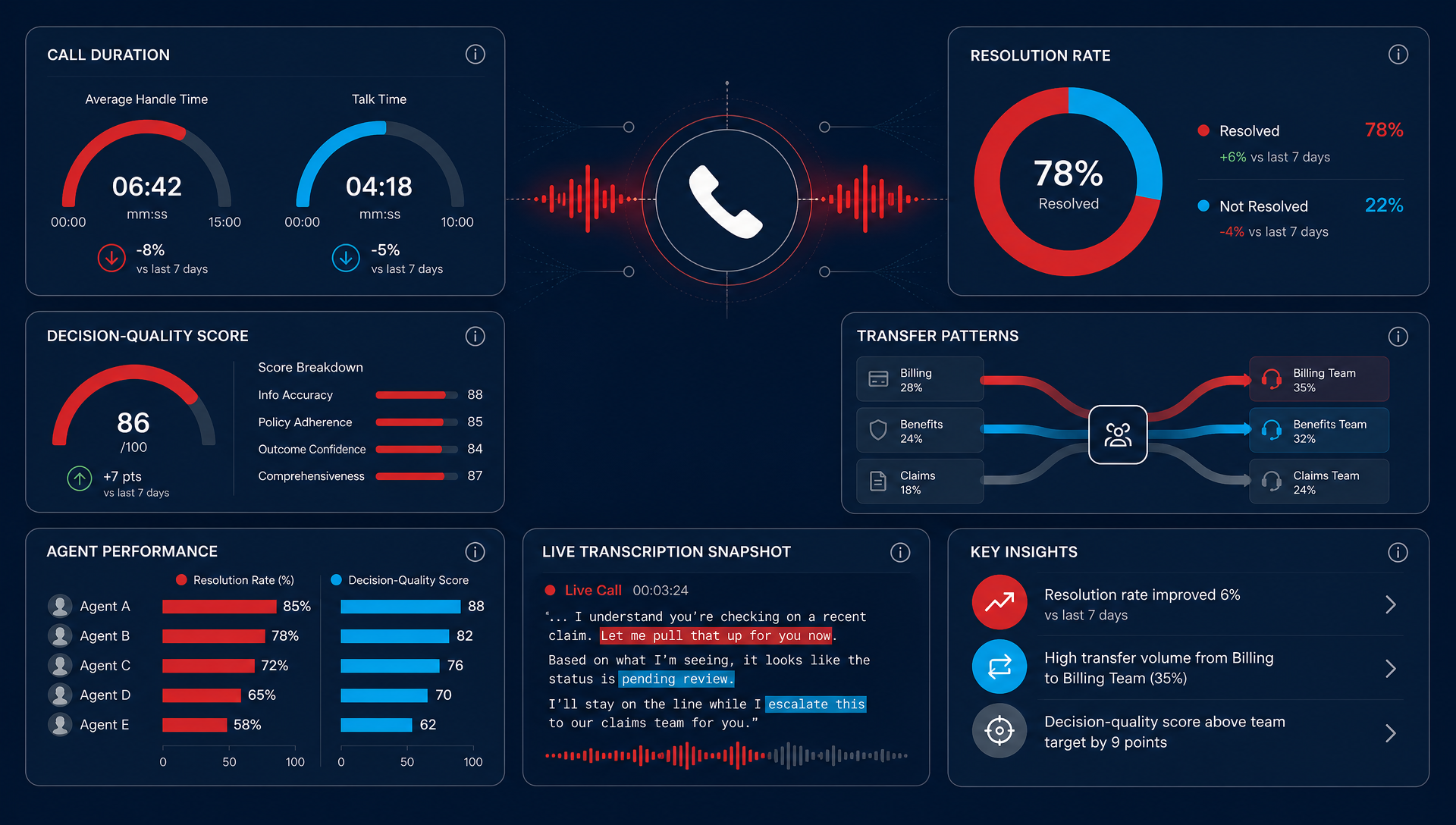
Conversational AI Insights from TeleCloud analyzes every inbound call automatically. It transcribes, scores, and surfaces what matters: missed calls by time of day, call type breakdowns, sentiment trends, and individual call quality signals that would take a manager hours to find manually.
|
What You Can See |
Why It Matters |
|
Missed call rate by time of day |
Shows exactly when your coverage gaps are, not just that they exist |
|
Call type breakdown |
Reveals which calls can be automated vs. which need a human |
|
Sentiment analysis per call |
Surfaces patient frustration before it becomes a review |
|
Staff call quality scoring |
Enables coaching based on real conversations, not guesswork |
|
Scheduling conversion rate |
Connects call handling directly to visit volume and revenue |
|
90 percent faster call review and analysis. 2x improvement in identifying negative sentiment calls. These are the benchmarks from Conversational AI Insights. You cannot improve what you cannot see. |
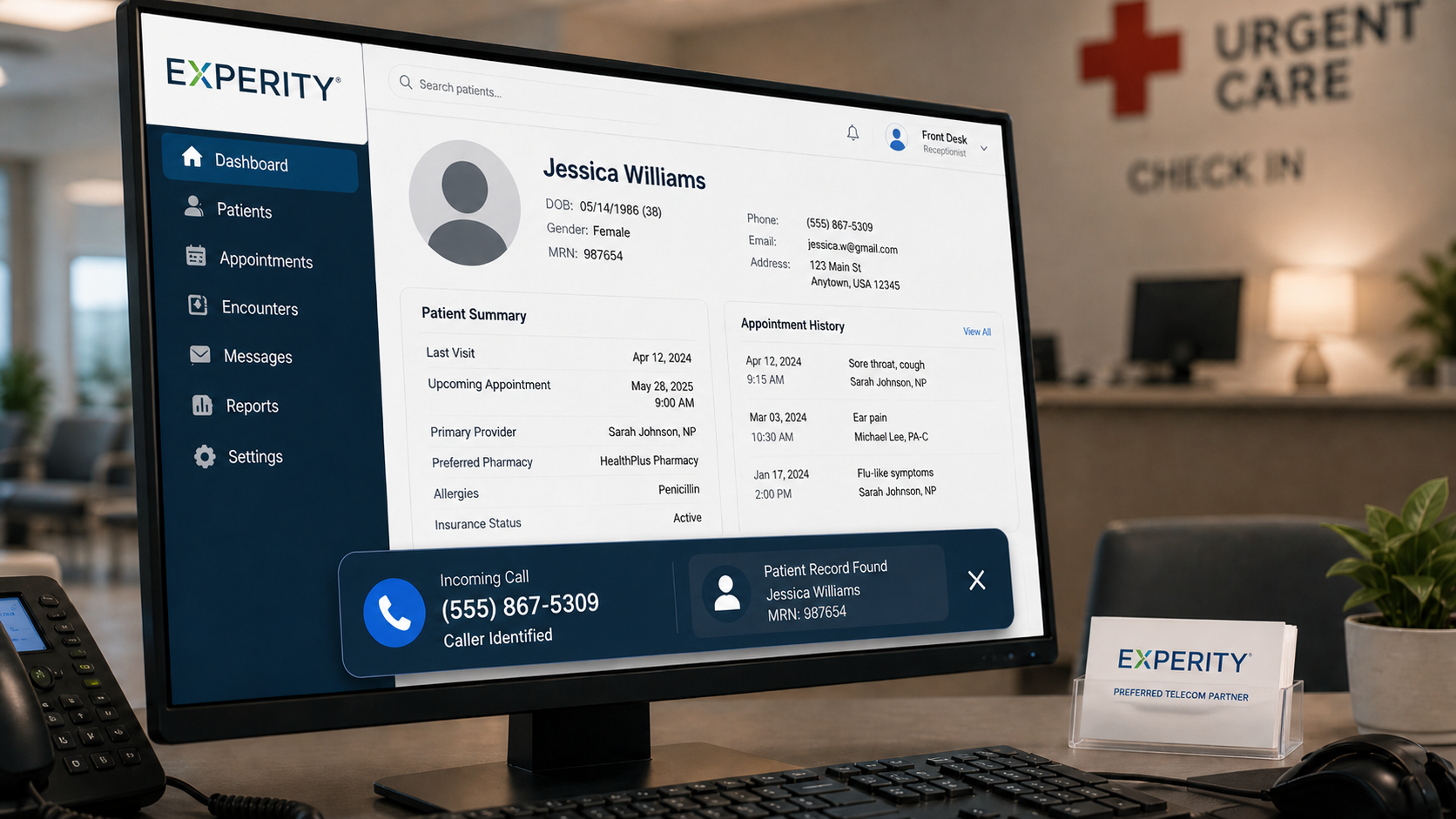
For urgent cares on Experity, this data does not live in a separate system. TeleCloud connects directly with Experity so call insights sit alongside your patient records, linking communication performance to scheduling outcomes in one place.
What Should Urgent Care Operators Do With This Data?
How do you use call data to improve patient experience?
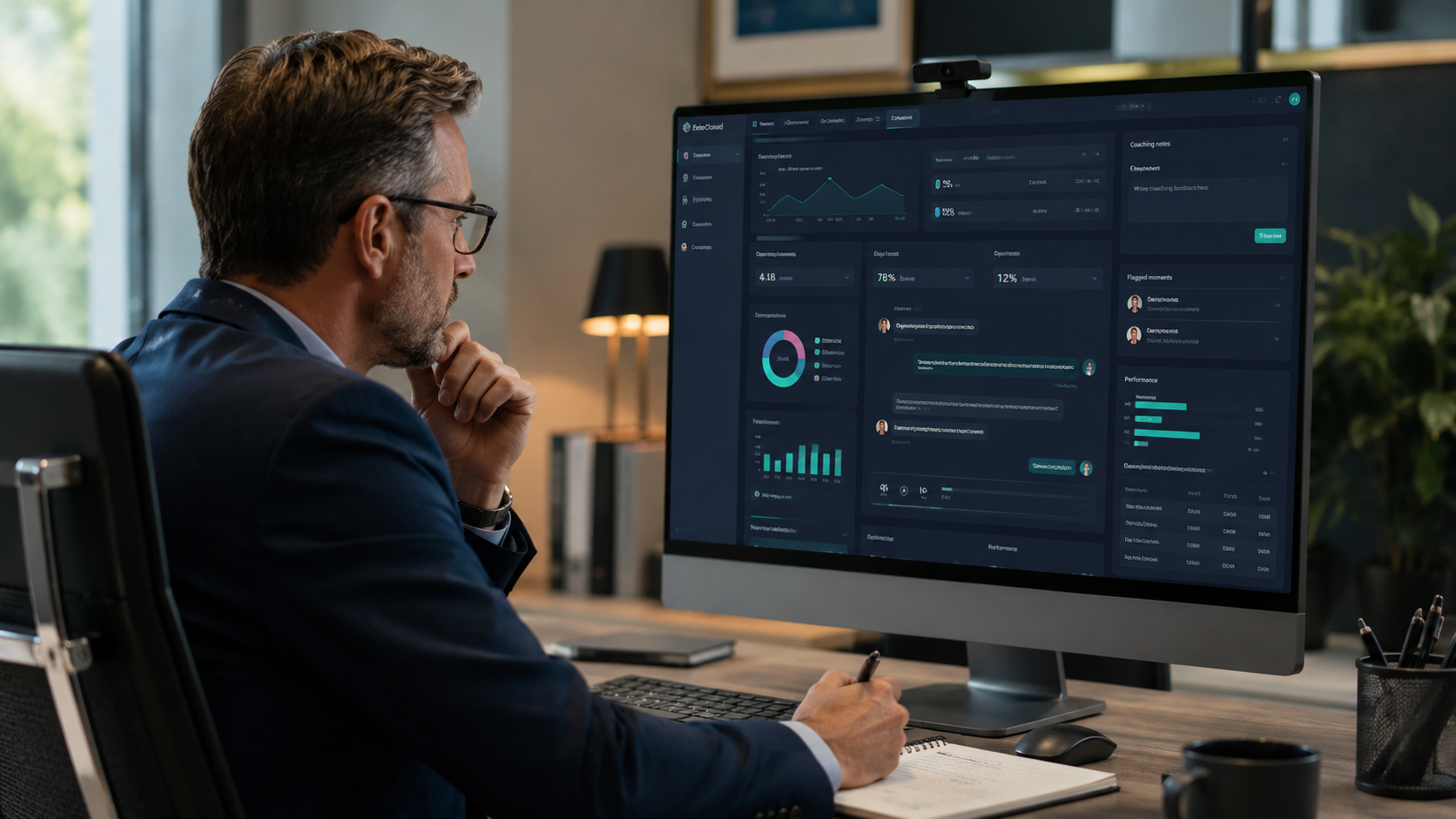
Start with sentiment. When you can identify which calls had frustrated patients, you have a coaching opportunity before it becomes a retention problem. Instead of telling a team member their calls need improvement, you can show them exactly where the interaction shifted and what a better response looks like.
That kind of specific, evidence-based coaching is far more effective than general training. And it is only possible when you can see what actually happened on the call.
How do you use call data to recover lost revenue?
Every missed scheduling call has a dollar value. Once you know your missed call rate, your scheduling-related call percentage, and your average revenue per visit, the math becomes concrete.
|
Input |
Example Value |
|
Monthly missed calls |
300 |
|
Scheduling-related |
60% (~180 calls) |
|
AI recovery rate (conservative) |
50% (~90 visits recovered) |
|
Average revenue per visit |
$120 |
|
Monthly recovered revenue |
$10,800 |
That math only works if you know your actual missed call volume. Without visibility, you are leaving recoverable revenue on the table without knowing how much.
How do you know if things are getting better?
Set a baseline before you change anything. Document your current missed call rate, your sentiment scores, your call type distribution. Then measure against it monthly.
Call data becomes a performance metric just like wait time or patient satisfaction. When you can track it, you can manage it. And when you can show improvement over time, you have proof that the changes you made actually worked.
You Already Have a Front Door. Do You Know What Is Happening There?
The phone has always been how patients first reach your urgent care. What has changed is that you no longer have to manage it blindly.
Every unanswered call, every frustrated patient, every scheduling inquiry that does not convert, it is all data. Right now, for most urgent care operators, that data is invisible. It sits in recordings no one has time to review, in hold times no one is tracking, in sentiment no one is measuring.
The urgent cares pulling ahead are not just answering more calls. They are learning from every single one. They know which calls are converting, where patients are dropping off, and what their team sounds like when things go well and when they do not.
That level of visibility is available. The question is whether you are using it.
|
Want to see what is actually happening on your phones? Schedule an Experity-connected Conversational AI Insights demo with TeleCloud and get a clear look at your call patterns, sentiment trends, and missed revenue. |
Frequently Asked Questions
What is call visibility in urgent care?
Call visibility means having data on what is happening across every inbound call: how many are answered, when calls are being missed, what patients are calling about, how staff are handling interactions, and where patient frustration is occurring. Most urgent care operators do not have this data and are managing their phone experience without it.
How does Conversational AI Insights work?
Conversational AI Insights from TeleCloud automatically transcribes, scores, and analyzes every recorded call. It surfaces missed call patterns, call type breakdowns, sentiment trends, and staff performance signals without requiring anyone to manually listen to recordings.
What call data should urgent care operators be tracking?
At minimum: missed call rate by time of day, call type distribution (scheduling, insurance, clinical, general), sentiment scores by call, and scheduling conversion rate. These four data points reveal where your coverage gaps, training opportunities, and revenue losses are.
Will Maddox is the Digital Marketing Coordinator at TeleCloud, overseeing content, brand, and outbound strategy for the company. He writes about cloud communications, AI tools for business, and what SMBs and urgent care operators need to know to run better phone systems. Connect with Will on LinkedIn or email him directly to learn more.
Topics: