
Why Hiring More Front-Desk Staff Doesn't Fix Urgent Care Call Chaos
March 31st, 2026
5 min read
By Will Maddox

Hiring more front-desk staff does not fix call chaos. The problem is not the number of people answering the phone. It is that the system itself was never built to handle modern call volume.
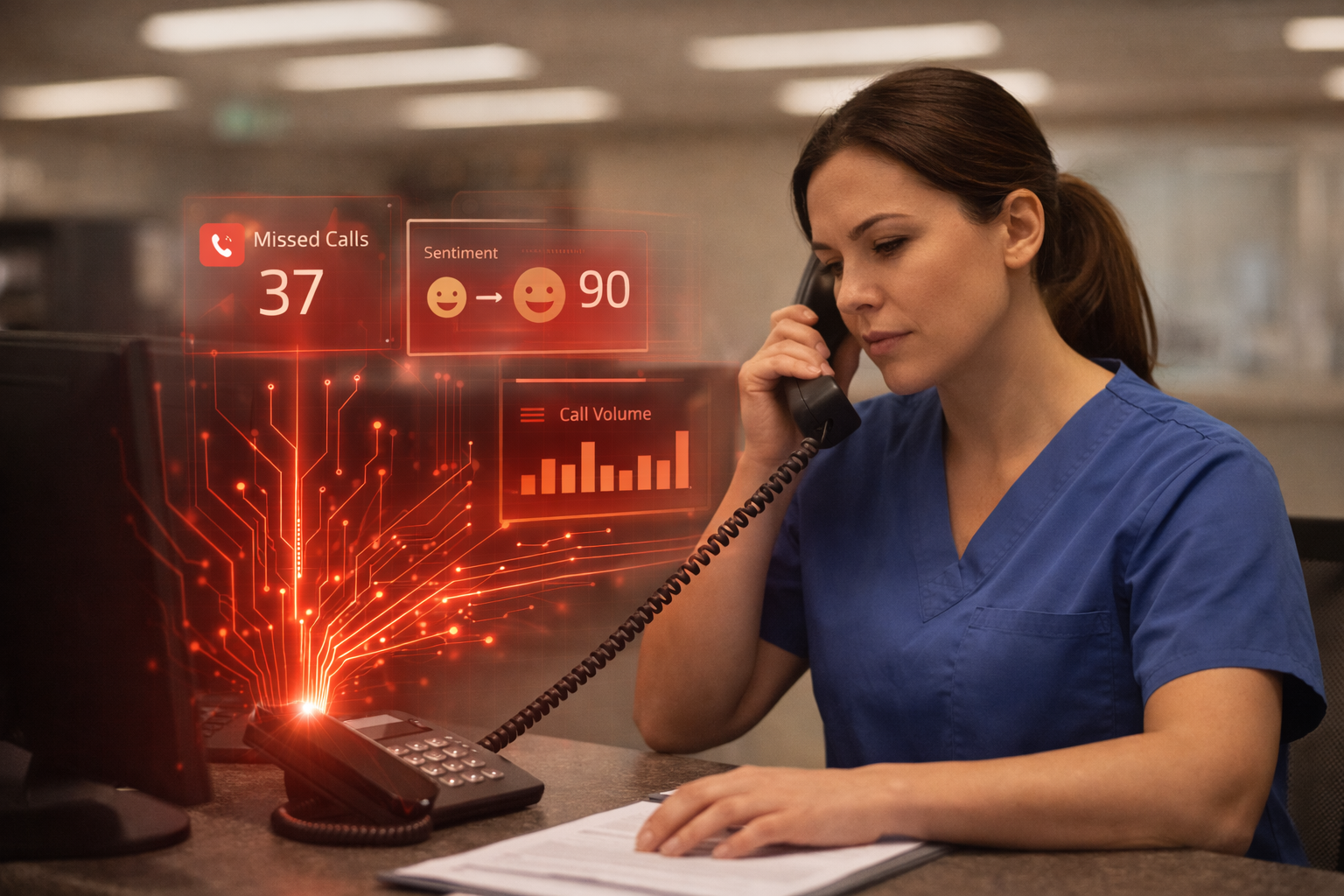
Urgent care centers miss between 7 and 10 percent of incoming calls on average. About 60 percent of those are patients trying to schedule. That is not a staffing gap. That is a structural problem, and more hires do not solve it.
This article explains why staffing alone falls short, what is actually driving the chaos, and what it takes to fix it for good.
Why Do Urgent Care Operators Assume More Staff Will Solve the Phone Problem?
The instinct makes sense. Phones are ringing, patients are frustrated, and adding people feels like the most direct response. It also worked well enough for years when call volumes were manageable.
Post-pandemic, that math changed. Call volume climbed and stayed high. Patients now expect instant answers and will move on if the phone experience does not hold up. More staff feels like control. The problem is that it does not change how many calls are coming in, especially outside of business hours.
What Is Actually Causing Call Chaos at the Front Desk?
Is the issue really too few staff, or too many of the wrong calls?
According to industry standards, around 60 to 80 percent of incoming calls to an urgent care front desk are routine: hours, directions, insurance questions, basic service inquiries. These calls do not require clinical judgment. They just require someone to repeat the same answer for the hundredth time that week.
That is what your team is doing right now, not because they are not good at their jobs, but because that is what the phone demands. Hiring another person does not change what types of calls are coming in. It just means two people are handling repetitive questions instead of one.
What happens to call volume when you add a new employee?
Call volume does not go down when you hire. If 400 calls come in this week, 400 calls need to be handled regardless of headcount. What usually happens is that the load spreads thinner for a few weeks, then volume catches up and staff are just as overwhelmed as before.
Front-desk burnout in urgent care is high for exactly this reason. The volume of low-complexity, high-repetition calls wears people down, and no amount of hiring changes that on its own.
What Does the Data Say About Missed Calls in Urgent Care?
The numbers are worth sitting with.
|
Metric |
Value |
|
Industry missed call rate |
7 to 10% average |
|
Scheduling-related missed calls |
~60% of missed calls |
|
Average revenue per visit |
$90 to $150 |
|
AI call recovery rate (conservative) |
50% |
|
If your urgent care misses 300 calls a month and 60 percent are scheduling-related, you are leaving over $16,000 in monthly revenue on the table. That is before factoring in lifetime patient value. |
That is a real number with a real impact. And it is one that staffing does not reliably fix, because most of those missed calls happen during peak periods when everyone is already occupied, or after hours when no one is there at all.
|
Want to see exactly how many calls your urgent care is missing and what it is costing you? Request a call analysis from TeleCloud. |
Why Does Adding Staff Still Leave Gaps in Coverage?
What happens to calls before and after business hours?
Patients do not only call between 9 and 5. They call at 7 am, on weekends, and right before your doors open. When those calls go to voicemail, most patients do not wait. They call the next urgent care on their list.
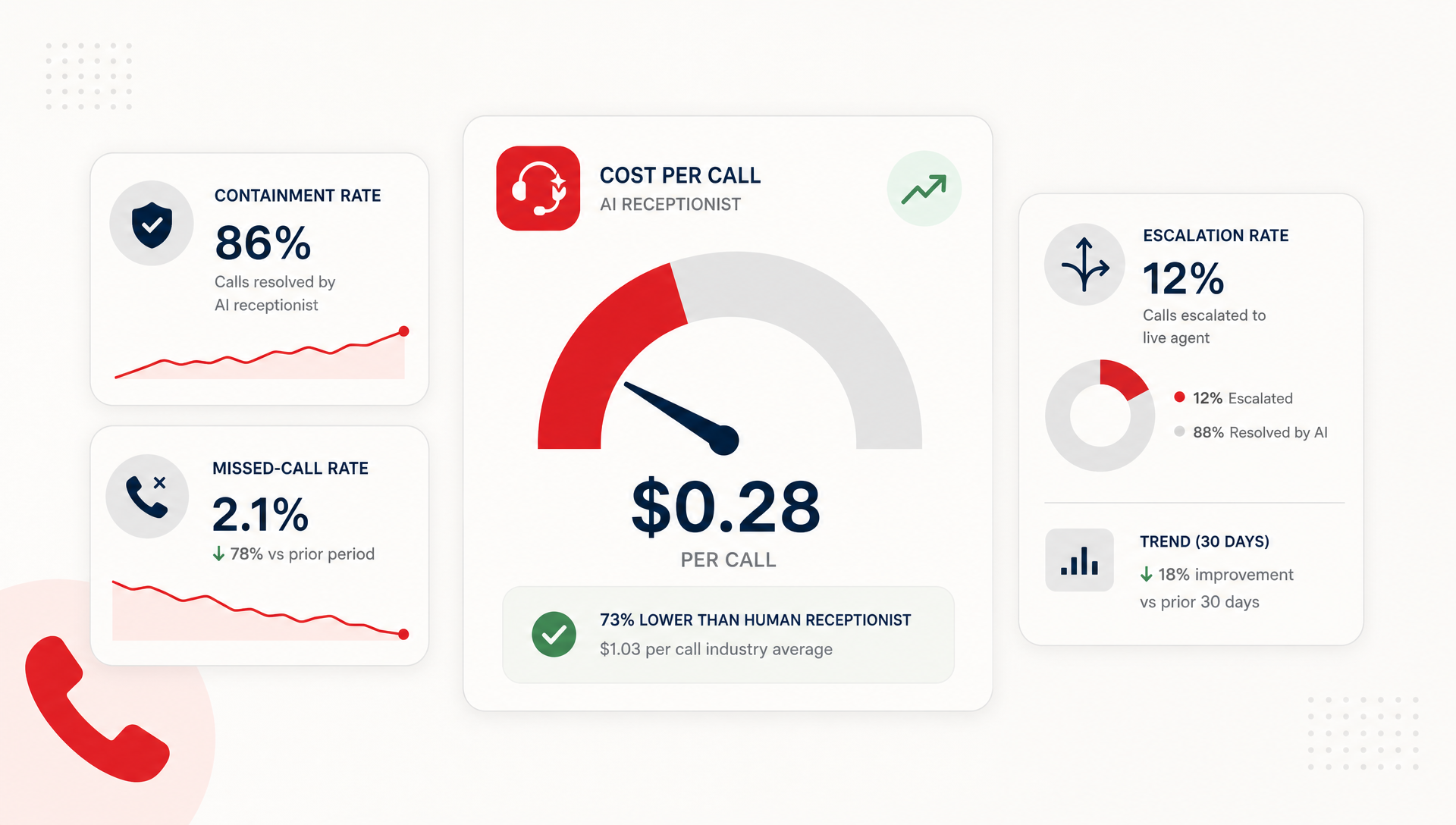
Urgent care operations using AI call handling see a 70 percent reduction in missed after-hours calls. No hire achieves that. A system that answers, routes, and responds in real time does.
How does staff turnover make the problem worse?
When a team member leaves, coverage drops, call quality drops, and the cycle starts over. Hire, train, hope volume does not spike during ramp-up, watch morale dip, repeat.
Turnover stays high because the job, as currently structured at most practices, involves a significant amount of repetitive, high-pressure phone work. Automation does not replace your team. It removes the part of the job that burns them out.
What Does It Actually Take to Fix Call Chaos?
What is AI call handling and how does it work in urgent care?
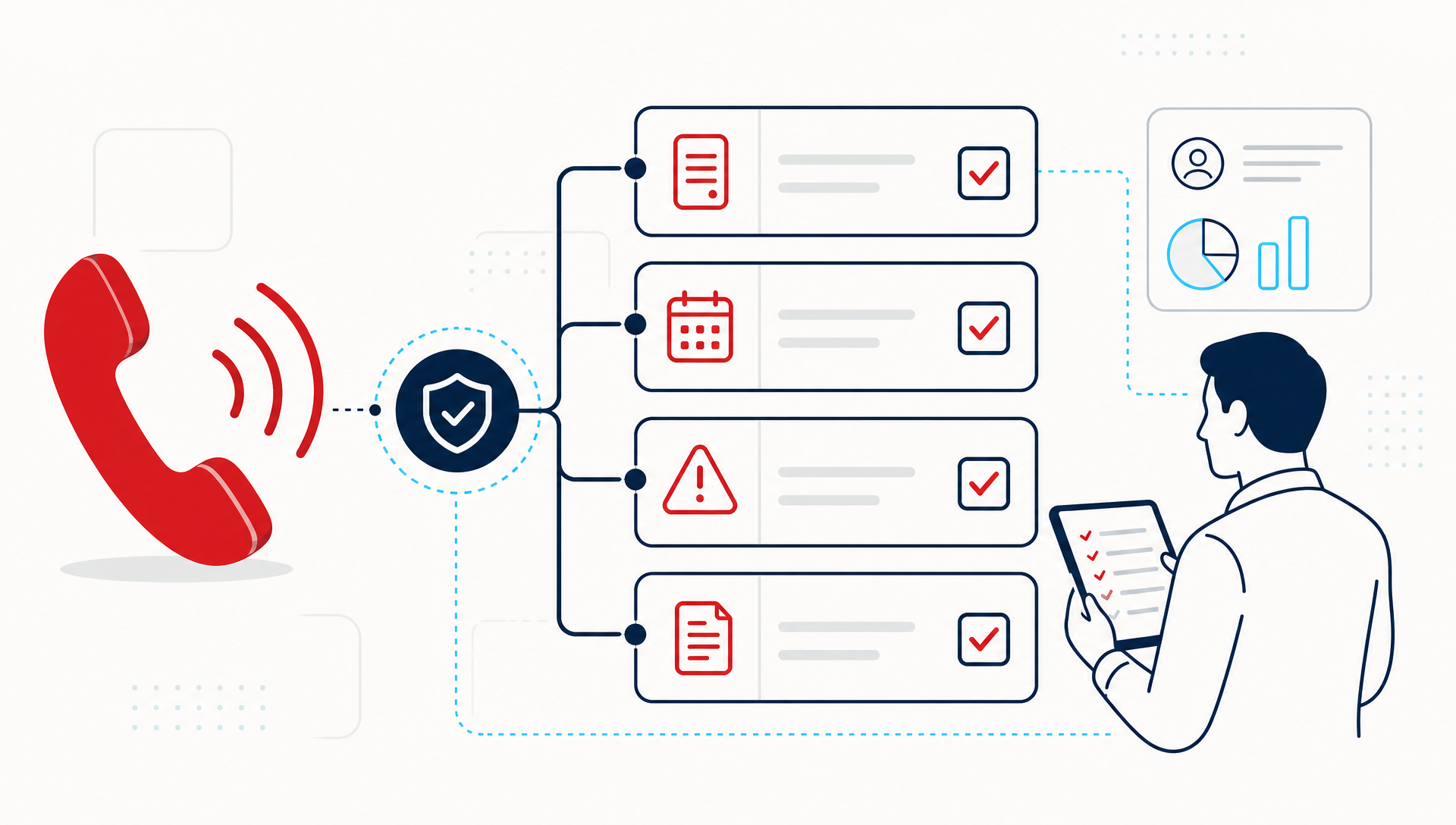
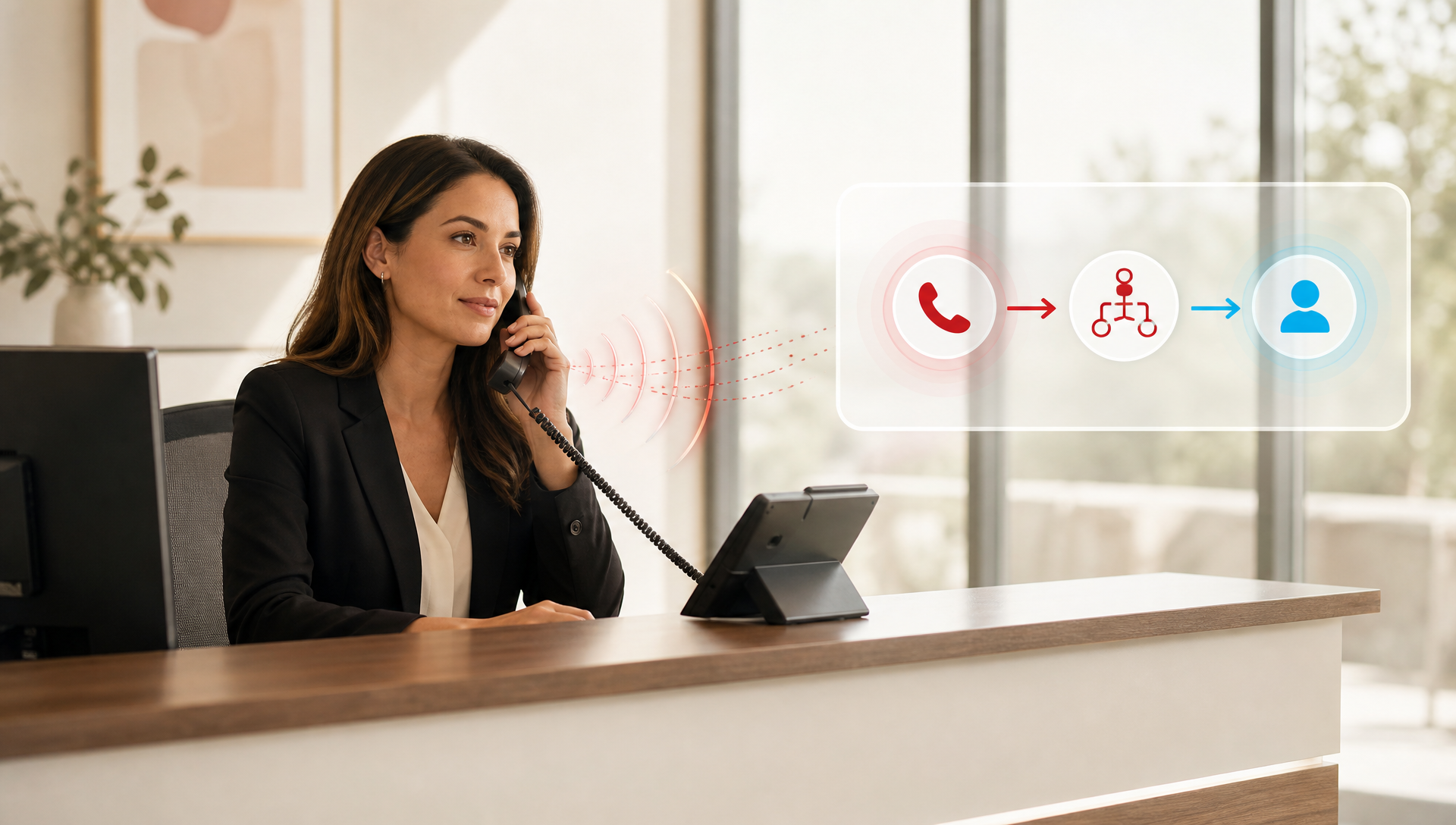
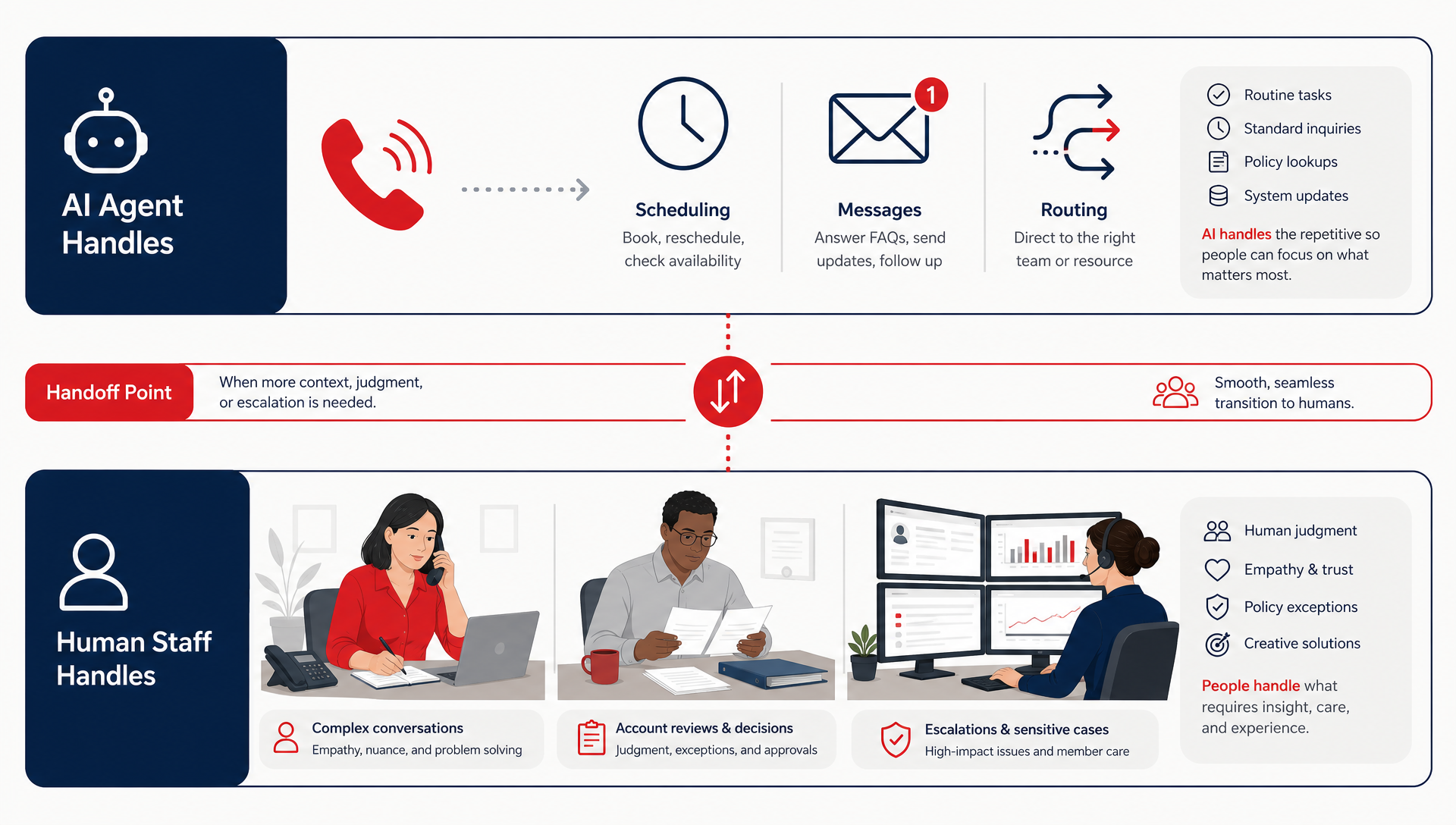
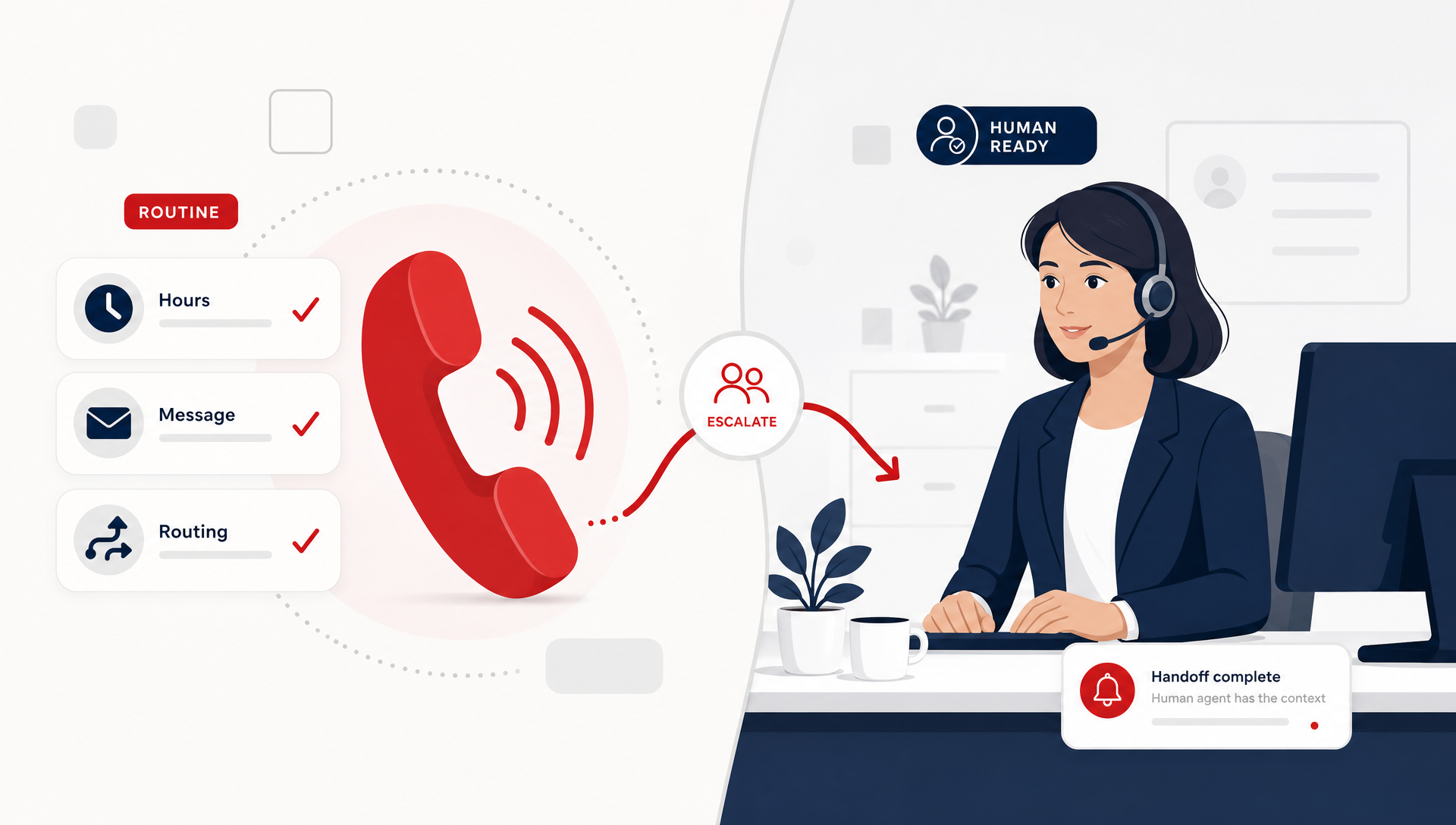
An AI Receptionist handles the first 30 to 90 seconds of every inbound call. It greets the patient, identifies what they need, and either resolves the inquiry automatically or routes the call to the right person with context already prepared.
Routine calls get handled without pulling anyone off the floor. Complex calls go to your team ready to move. The result is that staff are no longer fielding every call. They are fielding the ones that actually need them.
How do you get visibility into what is actually happening on your phones?
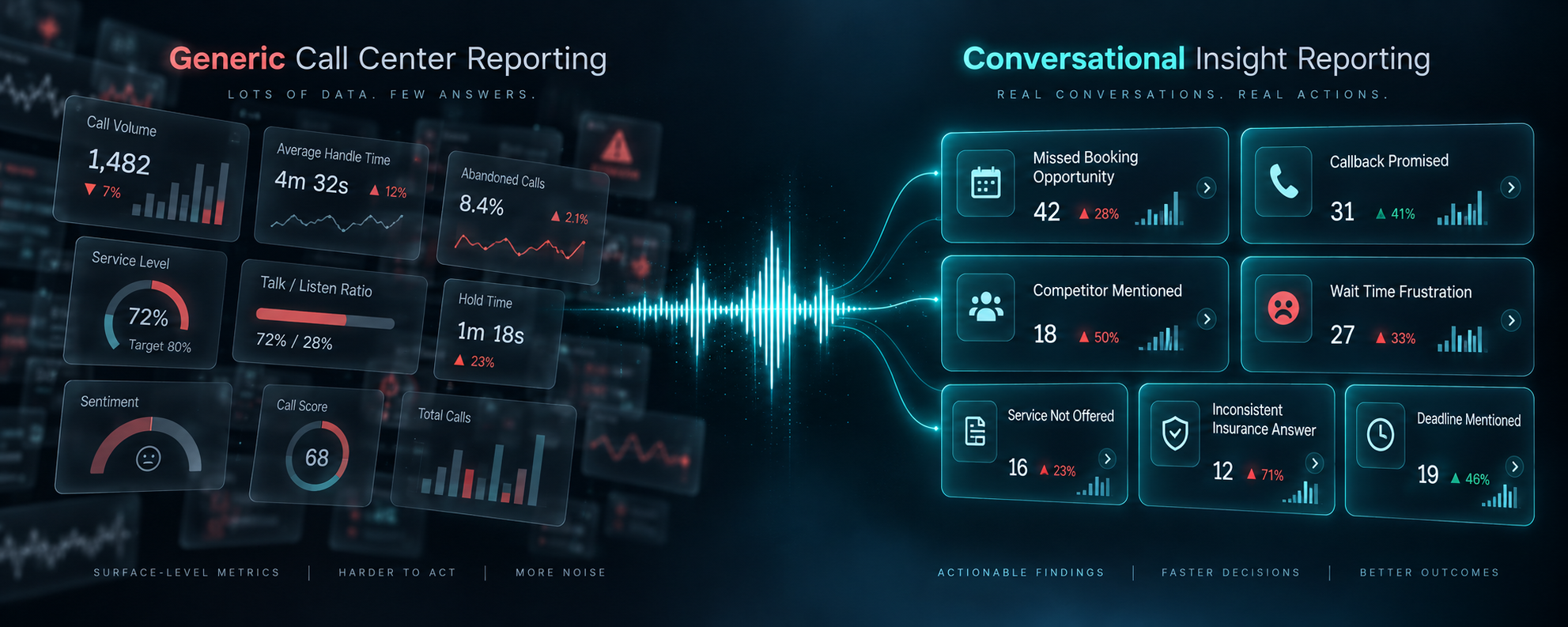
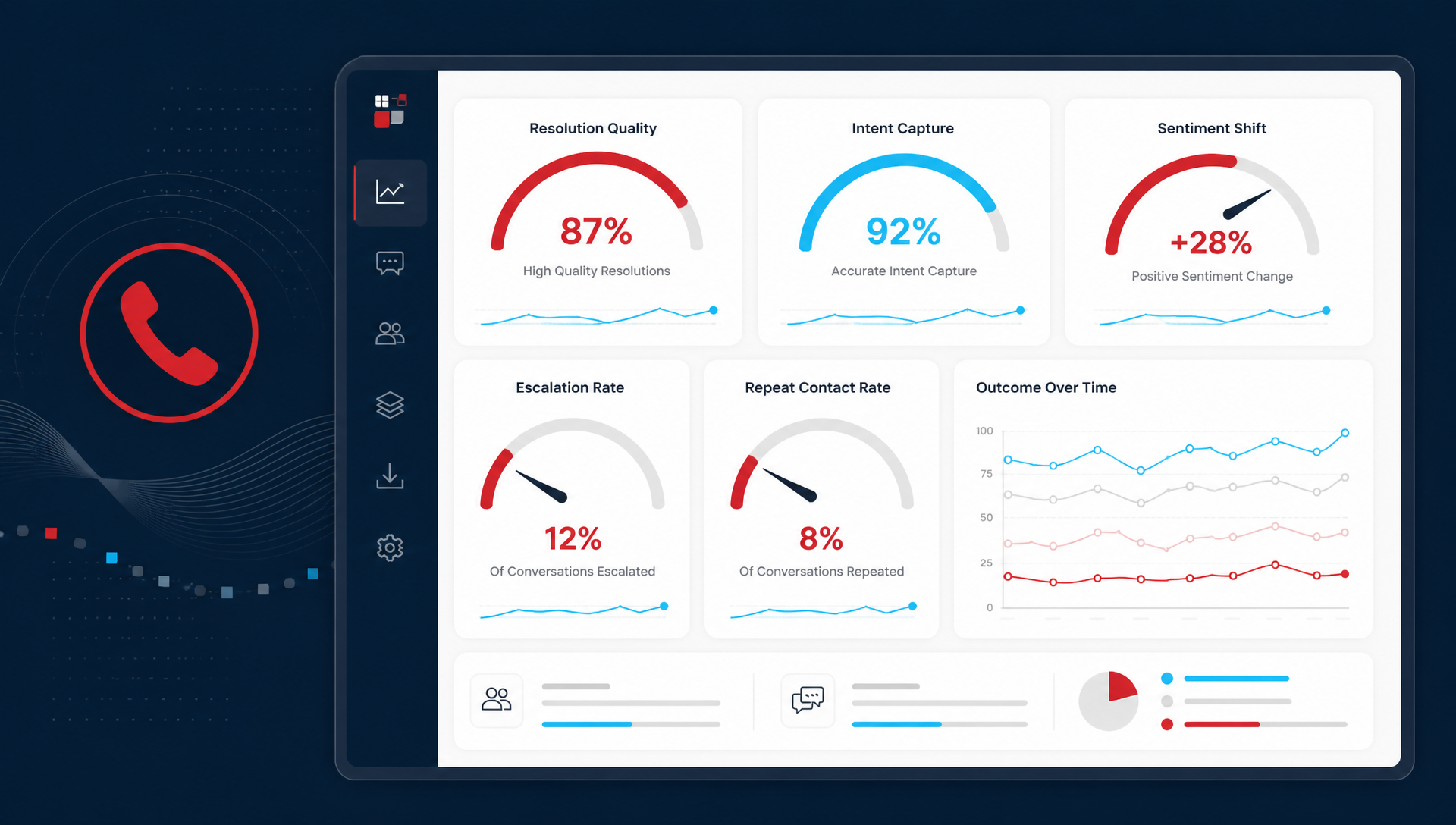
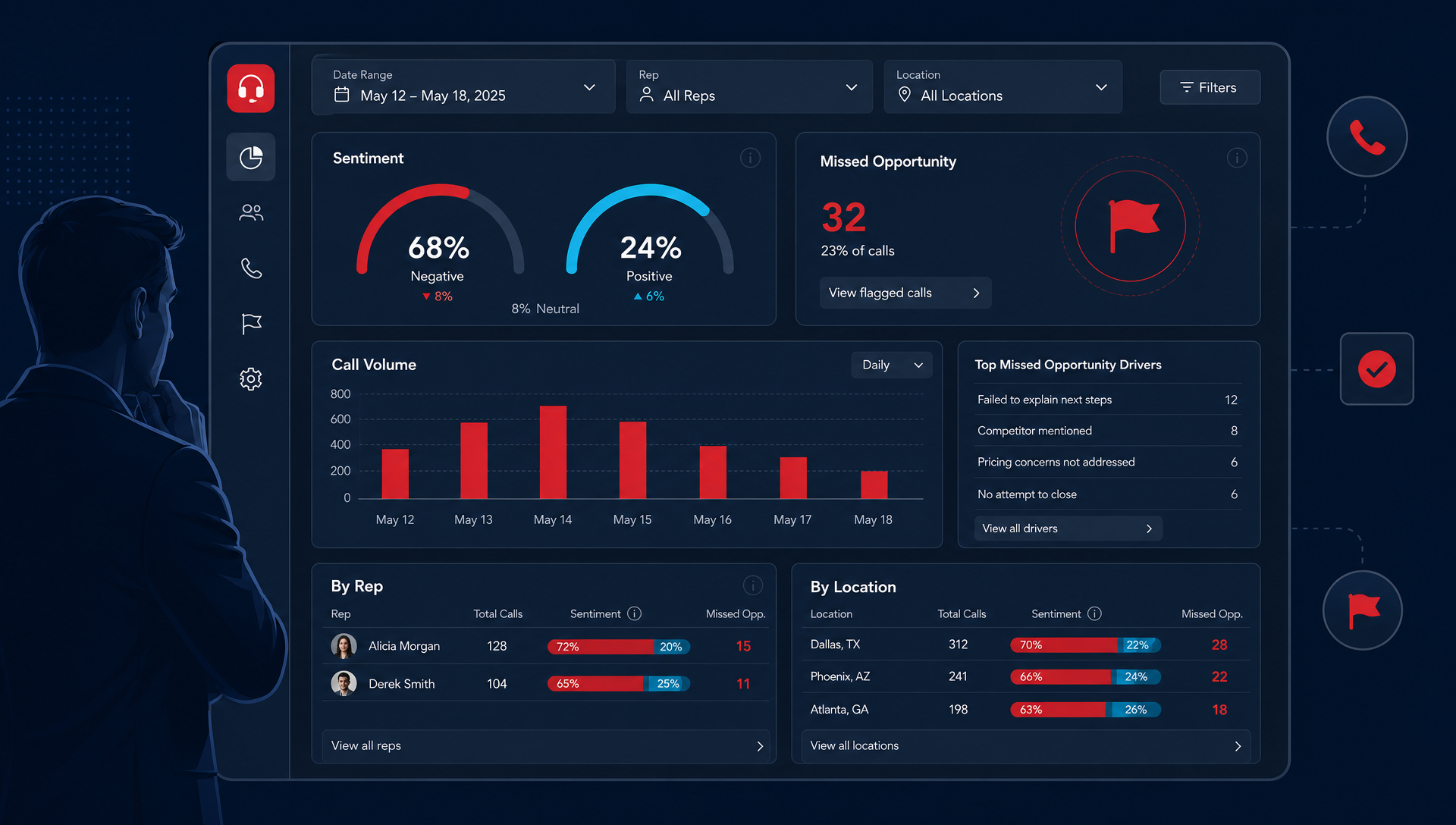
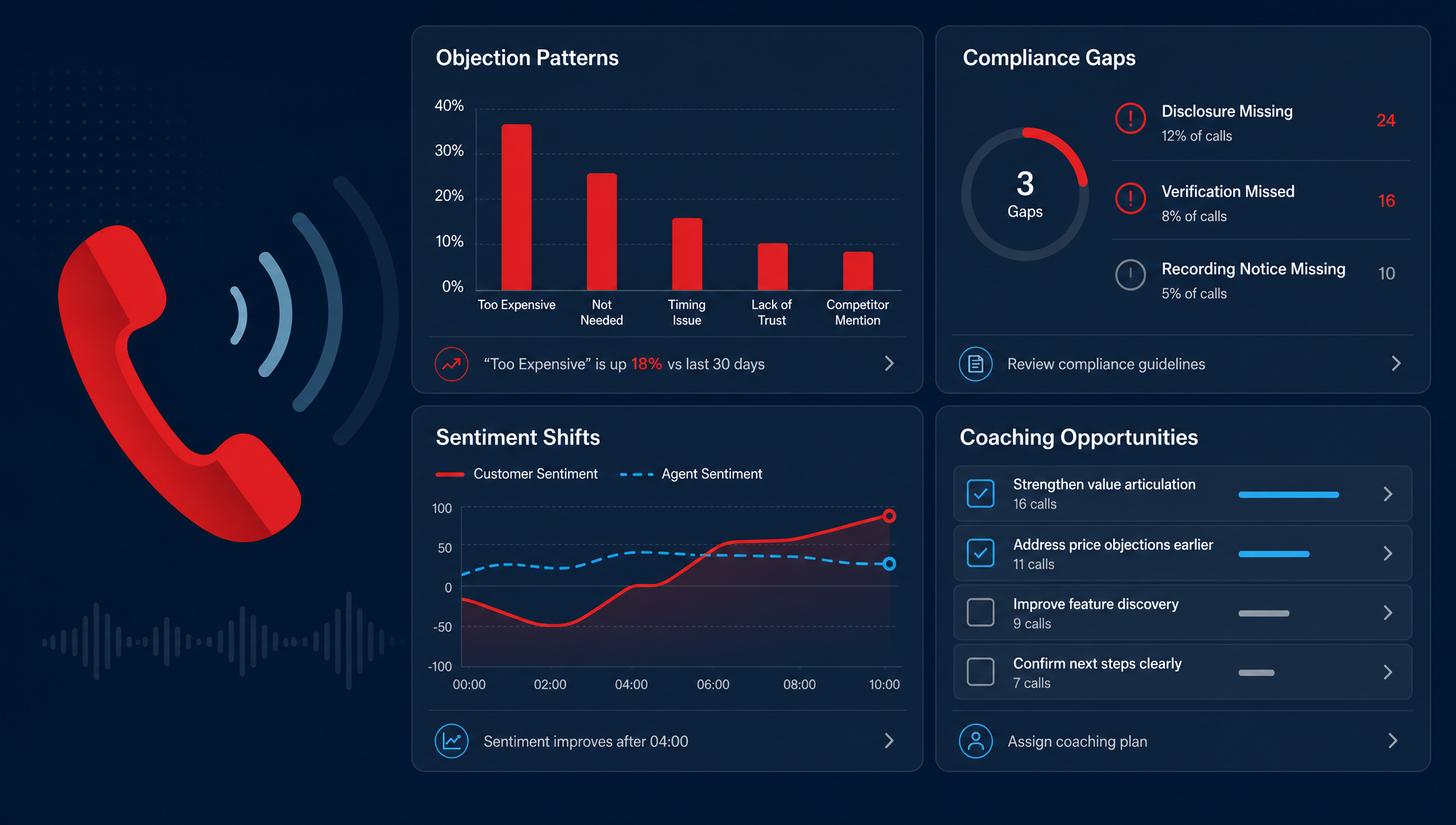
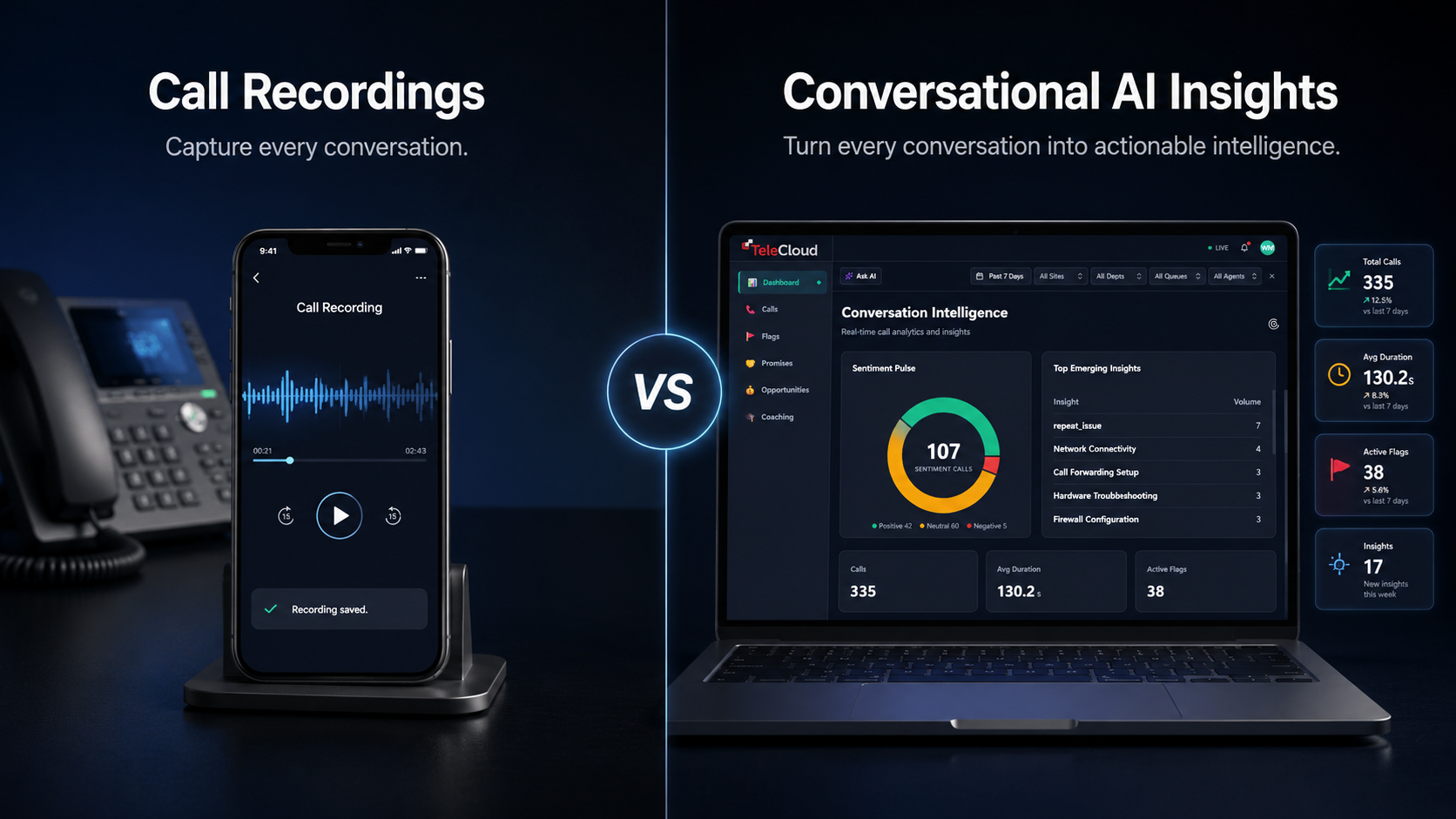
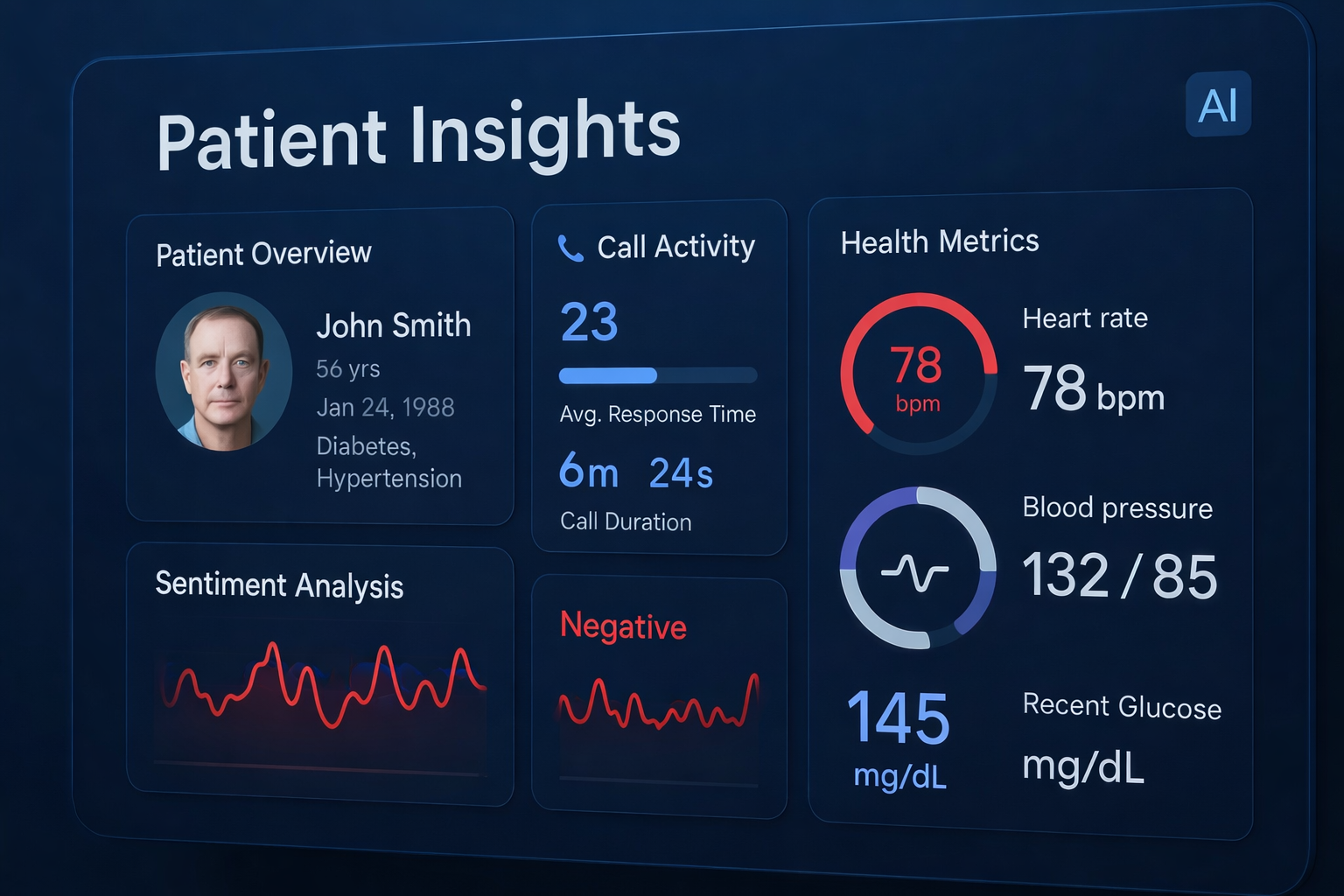
Most urgent care operators know calls are being missed. They do not know which calls, when, or what those calls cost them. Conversational AI Insights analyzes every interaction and surfaces what matters: where calls are dropping, where patient frustration is highest, and which conversations are converting to visits.
|
2x improvement in identifying negative sentiment calls. 90 percent faster call review and analysis. You cannot improve what you cannot see. |
How does this integrate with Experity?
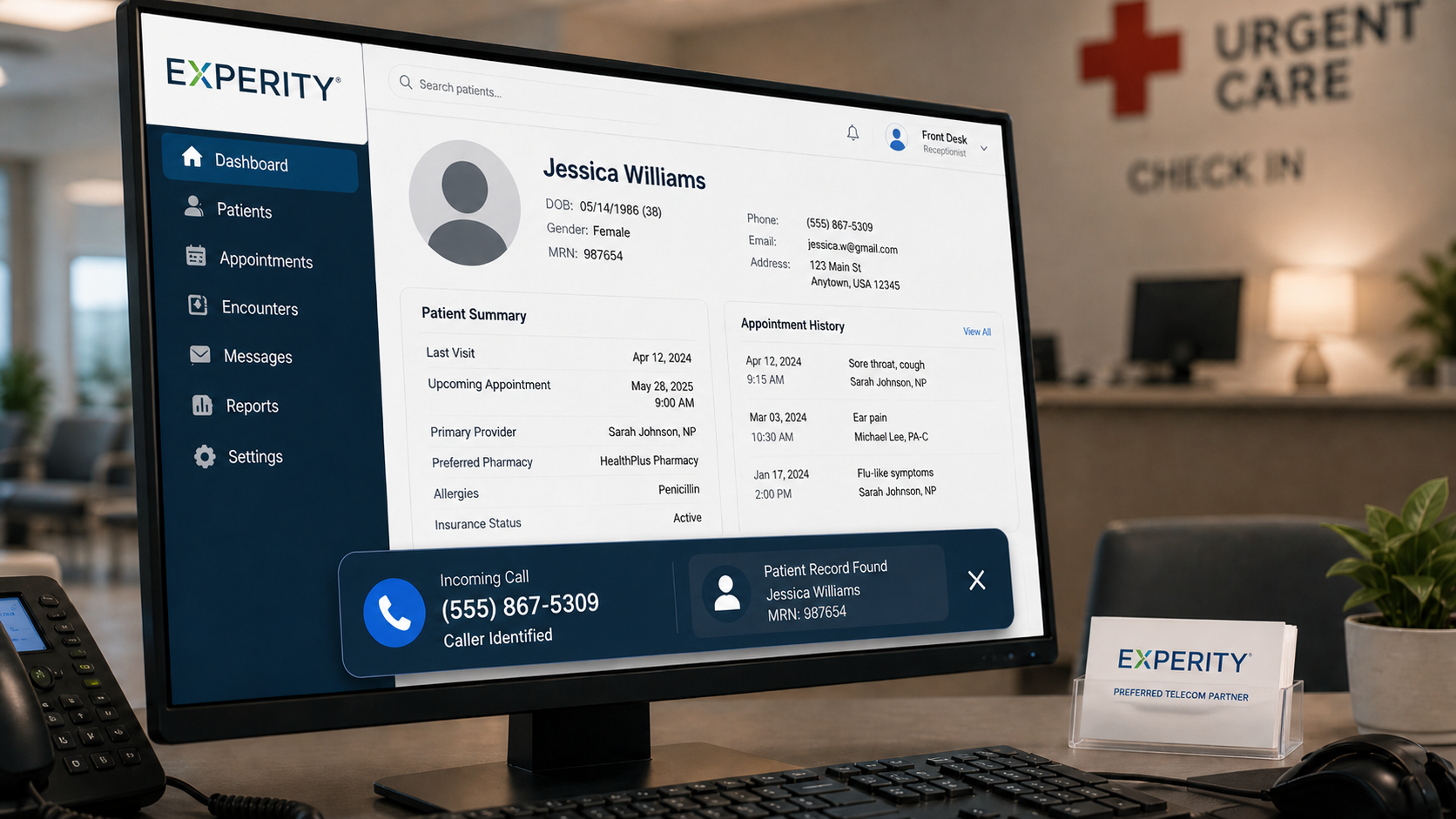
TeleCloud connects directly with Experity so patient context flows from the call into the chart without manual entry. Appointment bookings made through AI handling live in your existing system. The communication layer and the clinical layer finally work together.
What Should Urgent Care Operators Do First?
-
Audit your current call volume and missed call rate. If you do not have this data, that is itself a sign something is missing.
-
Identify what percentage of calls are routine versus complex. The split is usually more lopsided than operators expect.
-
Start with after-hours or overflow coverage. It is the lowest-friction entry point and often where the biggest gaps are.
-
Set a baseline with Insights data before measuring improvement. You need to know where you started.
Most operators start small, prove the value, and expand. The point is to stop adding headcount to a structural problem and start building a system that handles the load.
The Real Problem Is Not Your Team
Your front-desk staff is not the problem. They are working hard inside a system that was not designed for the call volume urgent care now faces.
Missed calls are not a staffing gap. They are a revenue gap. Every unanswered call is a patient who called a competitor instead. The urgent cares solving this are not hiring their way out. They are building a system where every call gets answered, every routine inquiry gets handled automatically, and every conversation becomes data the team can use.
Your call data already tells this story. The question is whether you have a way to read it.
|
Want to see your call patterns and find out what they are costing you? Schedule an Experity-connected AI Insights demo with TeleCloud. |
Frequently Asked Questions
Does adding front-desk staff reduce missed calls in urgent care?
Not reliably. Adding staff helps with in-hours coverage but does not address after-hours gaps, peak overflow, or the volume of routine calls that drive most missed interactions.
What causes call chaos at urgent care front desks?
High volumes of routine, repetitive calls combined with limited after-hours coverage and no visibility into call outcomes. The problem is structural, not a headcount issue.
How much revenue does an urgent care lose from missed calls?
A location missing 300 calls per month with a 60 percent scheduling-related rate can lose more than $16,000 monthly in unrecovered visit revenue, not counting lifetime patient value.
What is an AI Receptionist for urgent care?
An AI Receptionist handles the first 30 to 90 seconds of every inbound call, resolves routine inquiries automatically, and routes complex calls to staff with context already prepared.
How does AI call handling integrate with Experity?
TeleCloud connects directly with Experity so patient context flows from inbound calls into the chart without manual data entry. Appointment bookings made through AI handling live inside your existing system.
Will Maddox is the Digital Marketing Coordinator at TeleCloud, overseeing content, brand, and outbound strategy for the company. He writes about cloud communications, AI tools for business, and what SMBs and urgent care operators need to know to run better phone systems. Connect with Will on LinkedIn or email him directly to learn more.