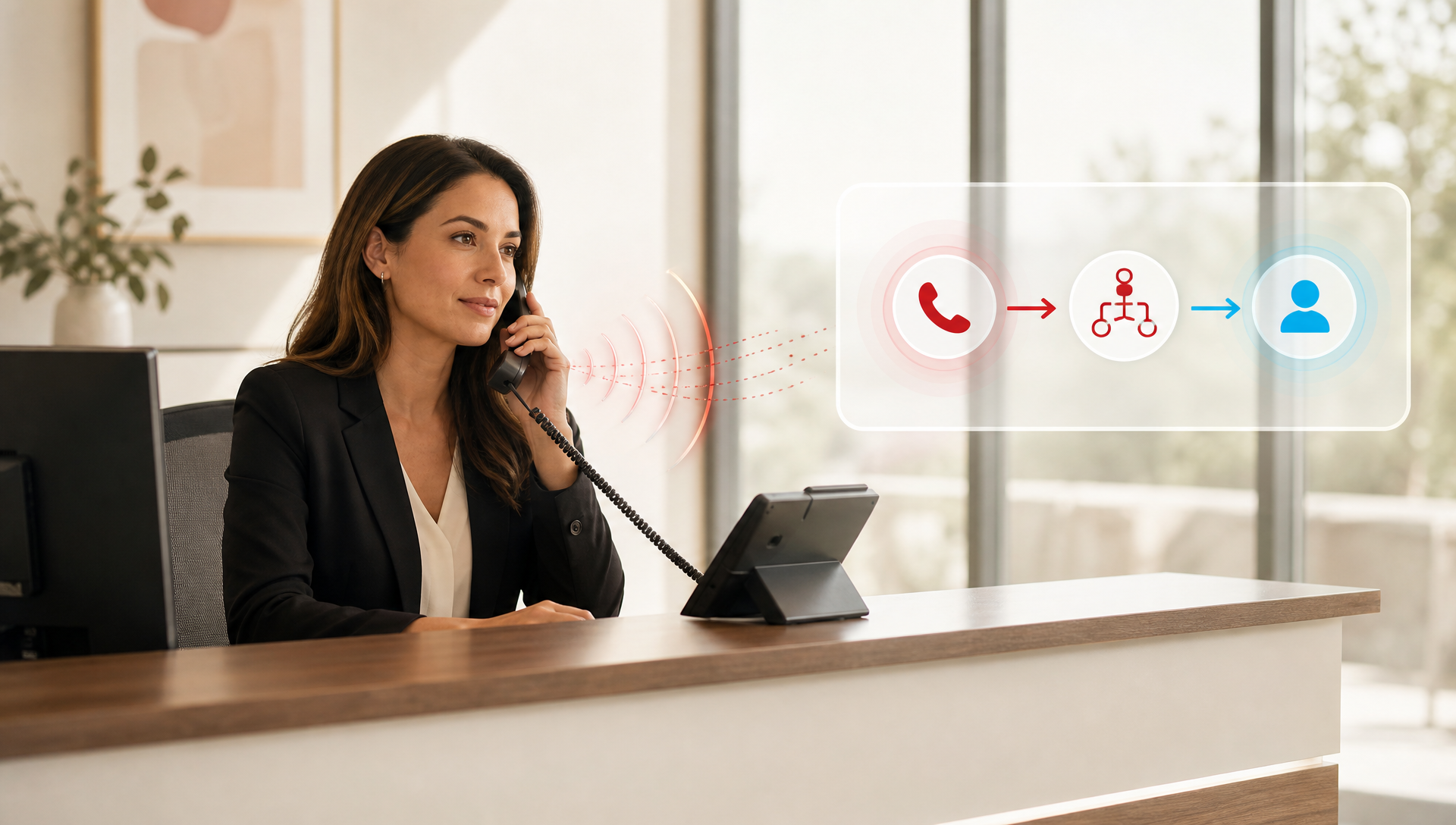

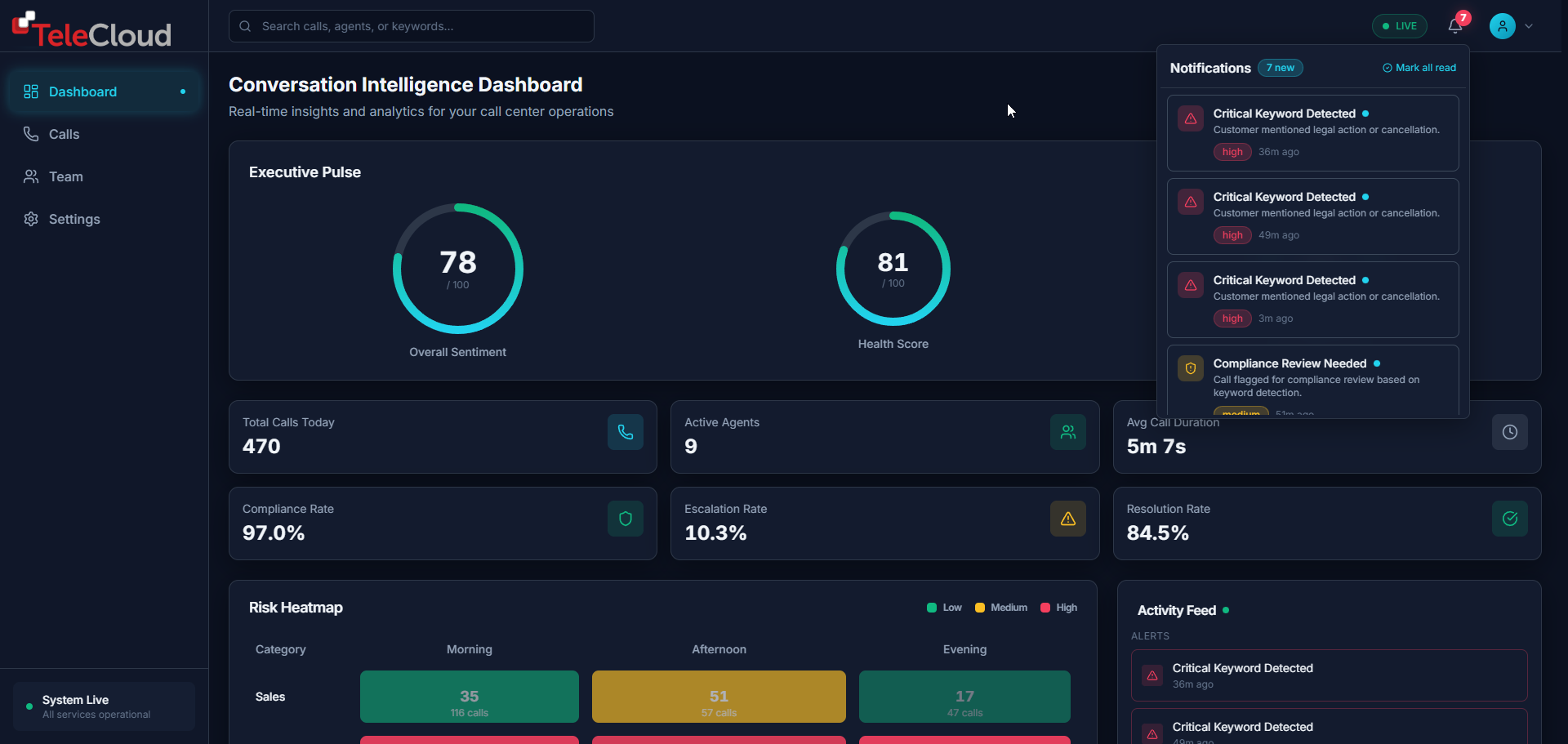
Conversational AI Insights is an AI-driven dashboard that analyzes recorded customer calls and turns conversations into clear, actionable intelligence.
Most businesses already record calls. They capture them for quality, training, or compliance. But once the call ends, very little is done with that information. Leaders know important details are buried in those conversations, but they don’t have the time to listen to hundreds or thousands of recordings.
Conversational AI Insights exists to solve that problem. It gives business owners and managers a simple way to see what is really happening on their phones without manual review, guesswork, or extra tools.
This article explains what Conversational AI Insights is, how the dashboard works, and how businesses are using it to gain visibility, improve coaching, and strengthen customer experience.
Why Calls Are an Untapped Source of Business Insight
Every call reflects something important. Why customers are calling. What they are confused about. Where they get frustrated. Where conversations succeed or fall apart.
The challenge is scale. Most teams only review a handful of calls each week. That means decisions are often based on assumptions instead of patterns.
The Visibility Gap Most Businesses Face
When leaders can only hear a small sample of conversations, blind spots form. Small issues repeat quietly. Inconsistent service becomes normal. Customer frustration builds until it shows up as churn or negative reviews.
Without visibility across all calls, improvement becomes reactive instead of proactive.
.png?width=1920&height=911&name=image%20(31).png) What Is Conversational AI Insights?
What Is Conversational AI Insights?
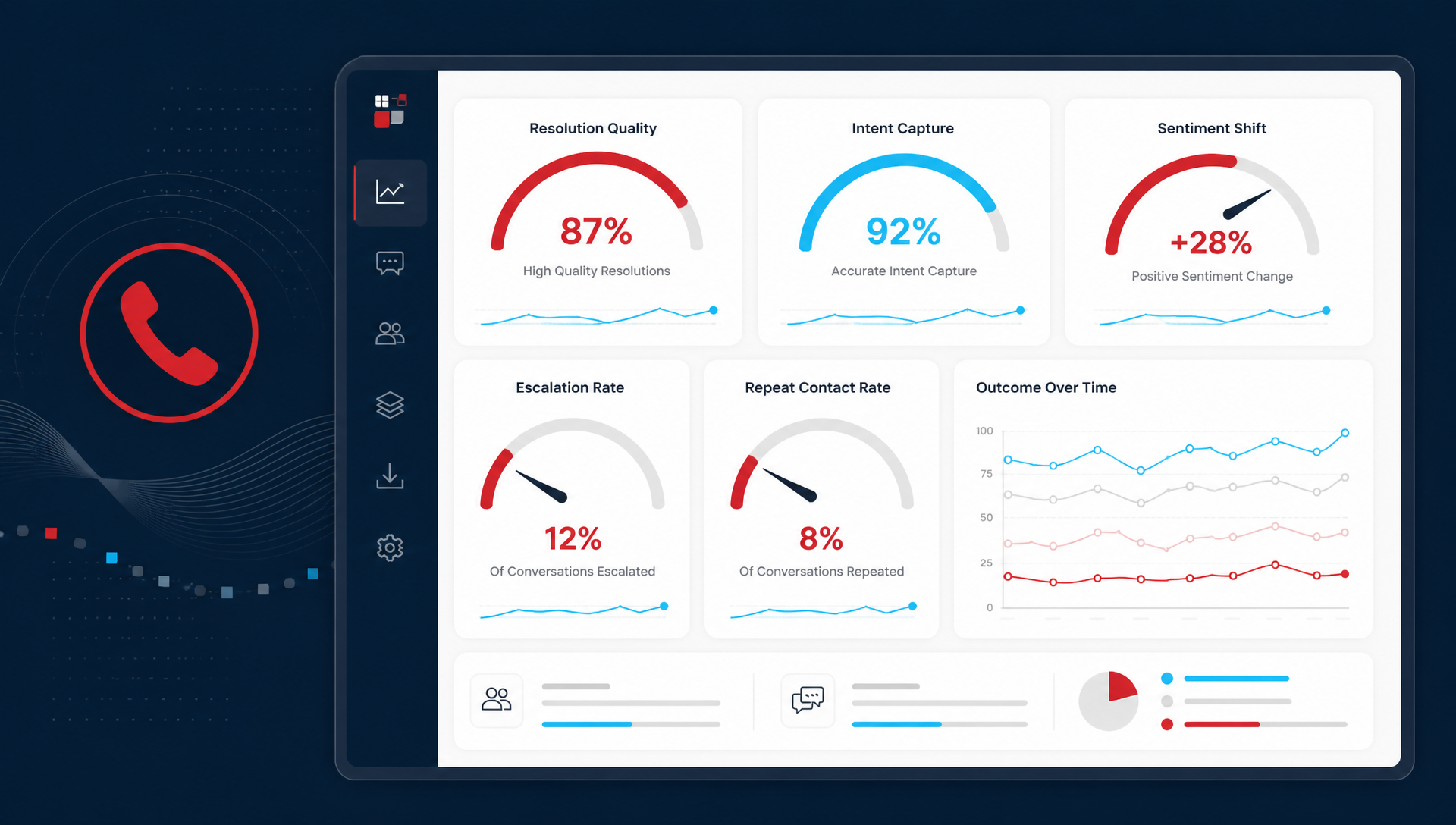
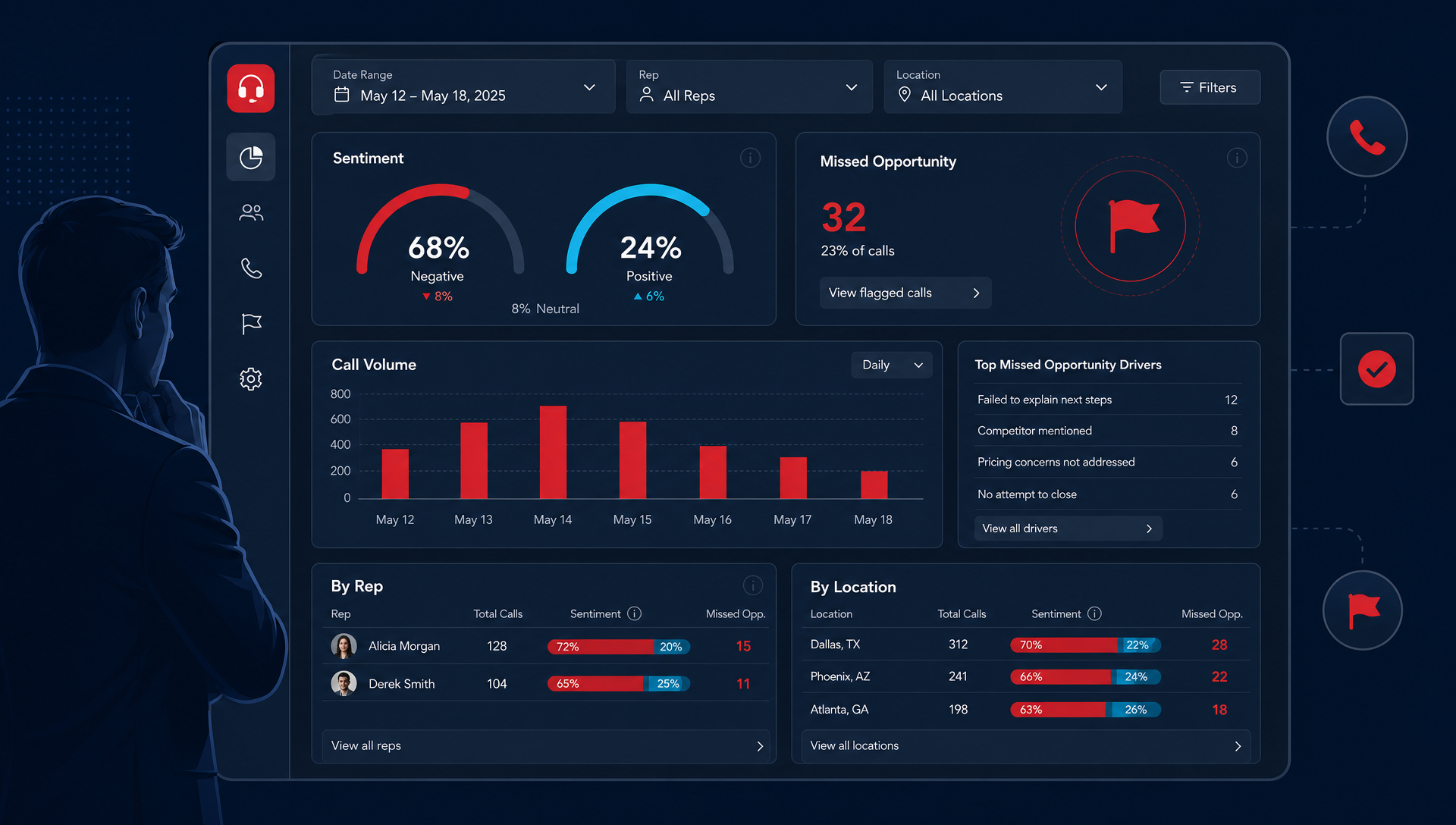
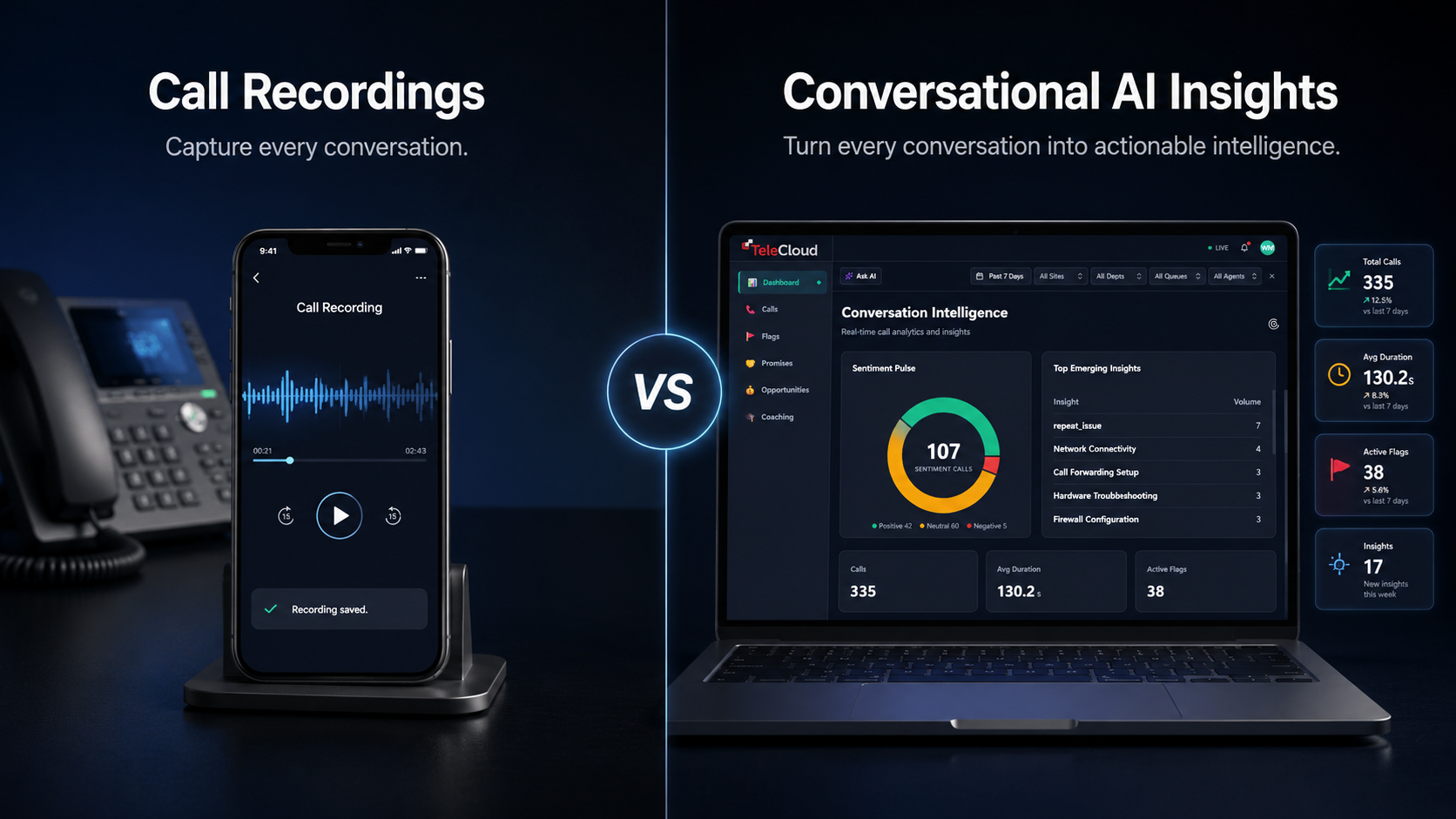
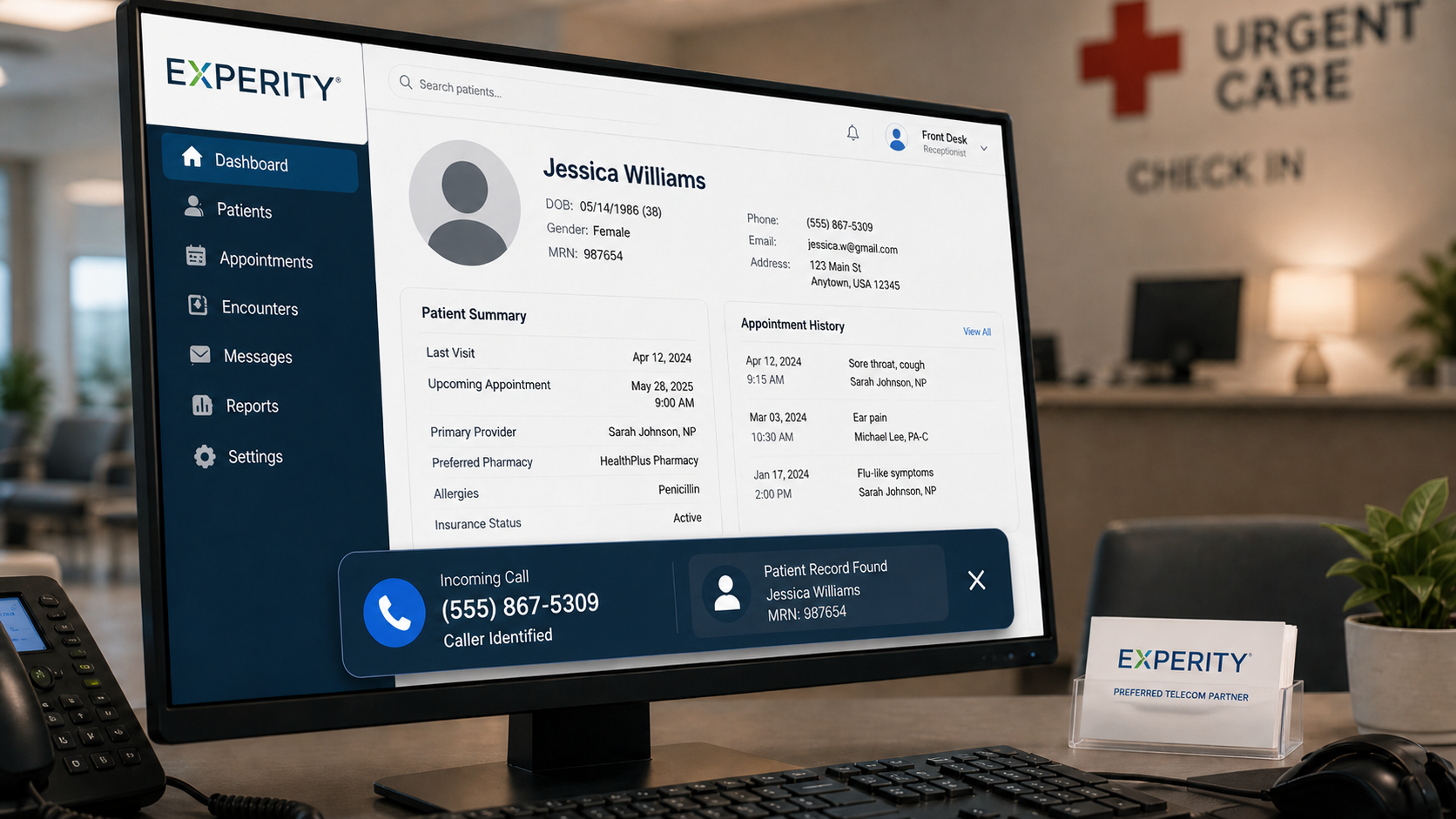
Conversational AI Insights is a dashboard that sits on top of your recorded calls. It listens to conversations, analyzes what is being said, and surfaces trends that matter.
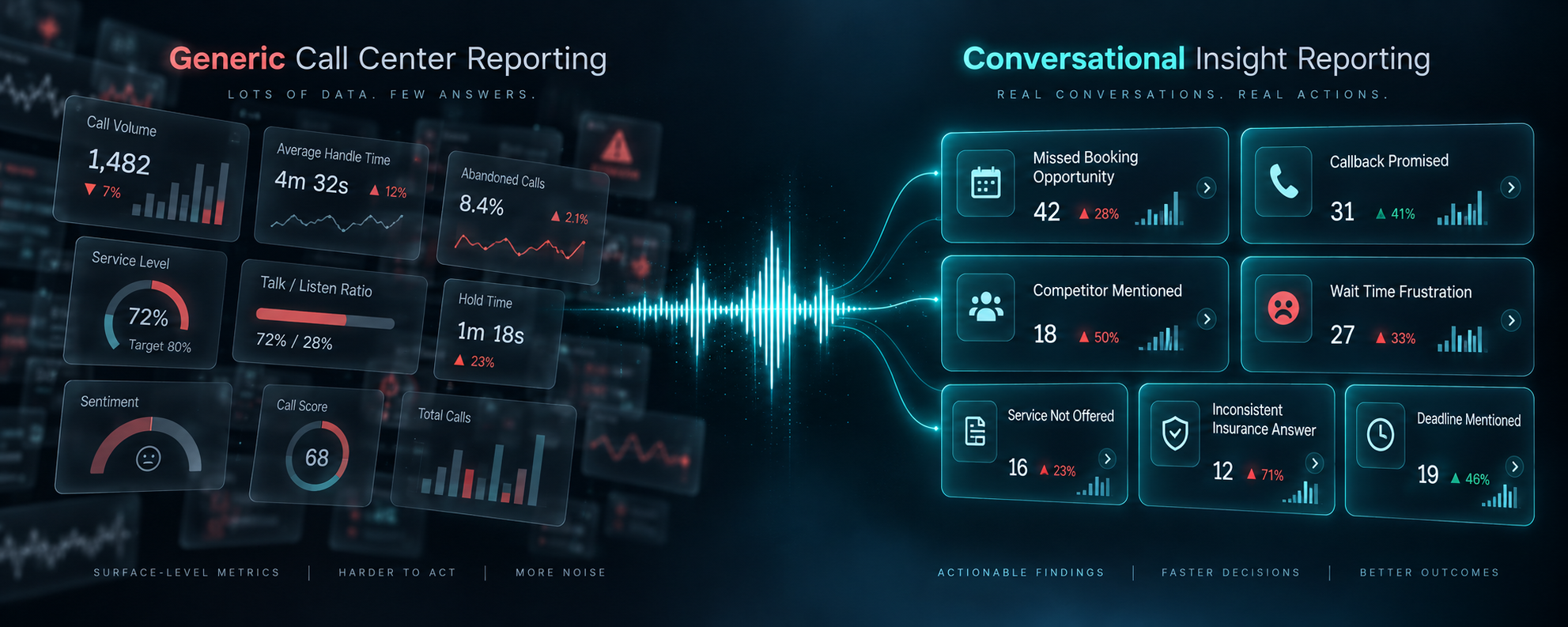
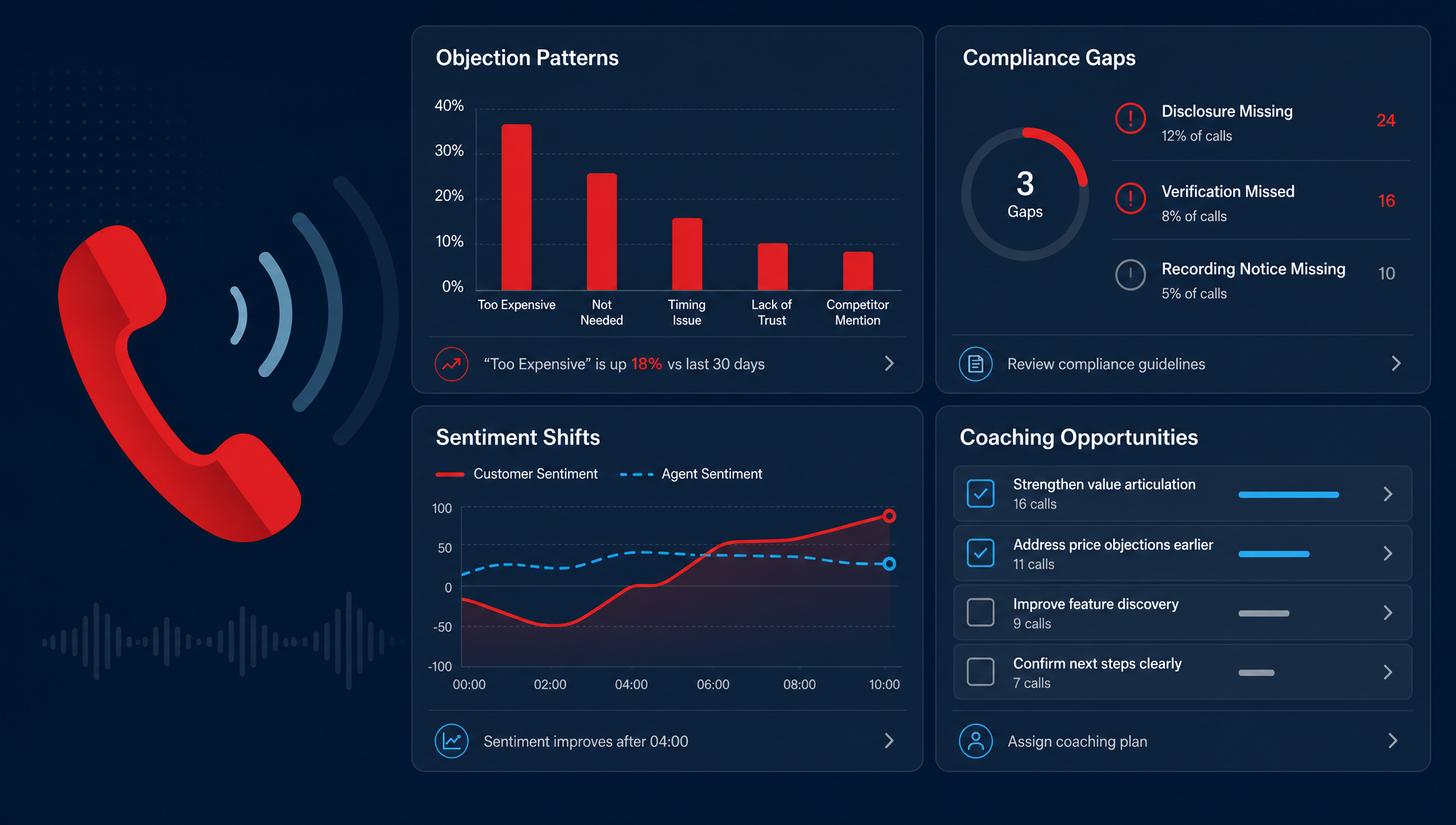
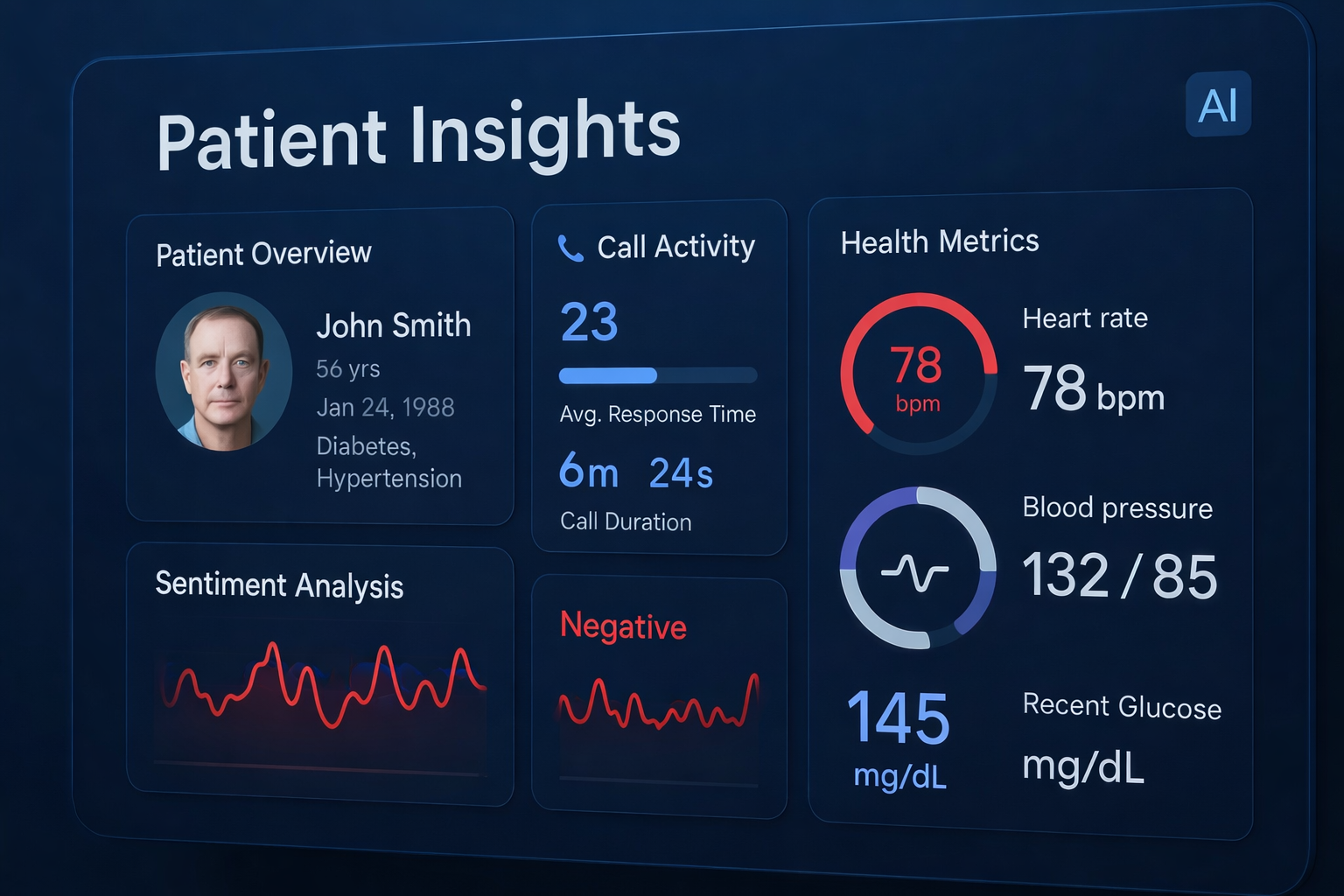
Instead of storing recordings and hoping someone reviews them later, the dashboard shows patterns across every conversation. Sentiment. Common topics. Missed opportunities. Performance signals.
It is designed for clarity, not complexity. Managers do not need to be data experts to use it. The dashboard does the listening so teams can focus on action.
How the Conversational AI Insights Dashboard Works
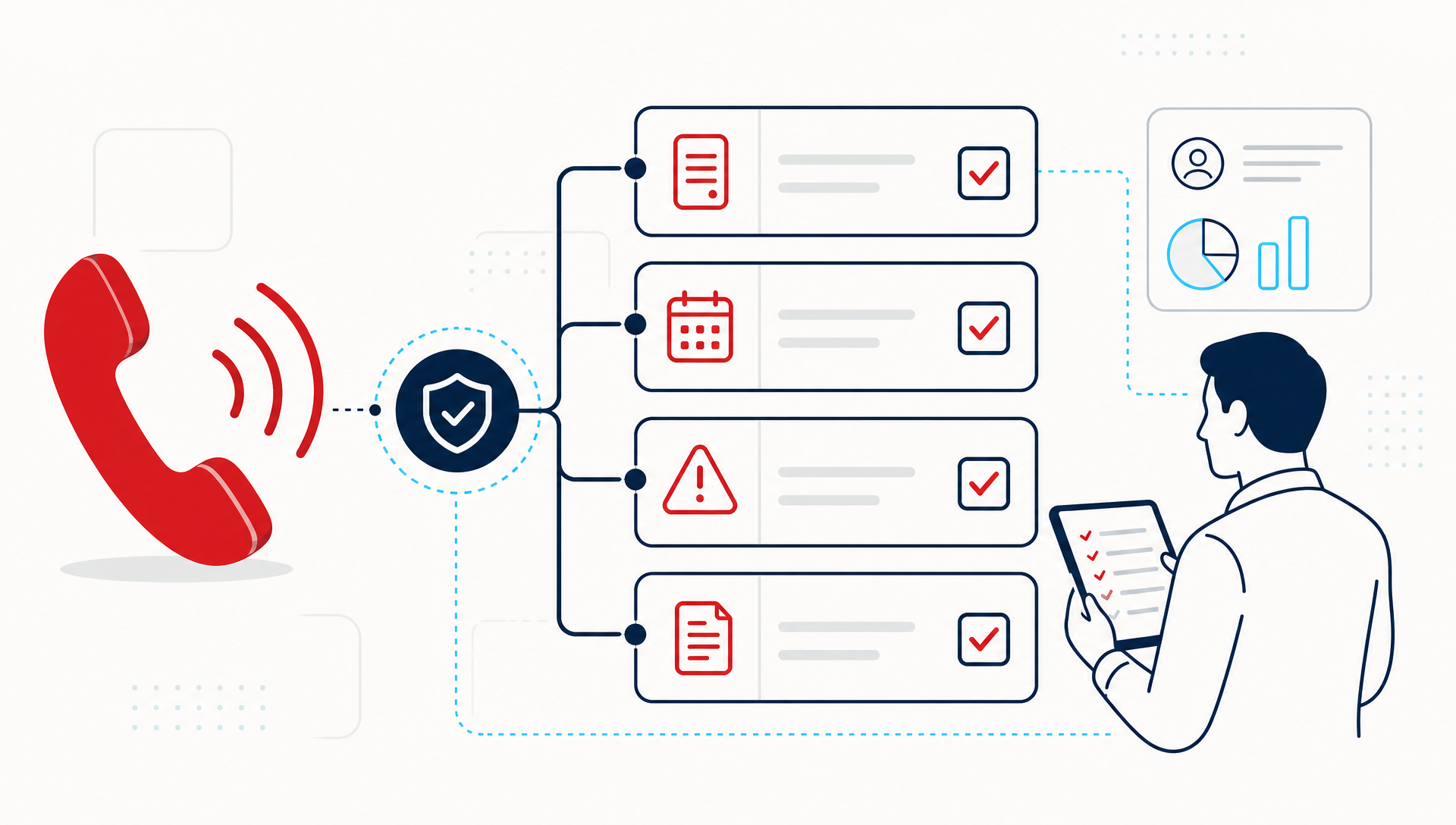
Conversational analytics turns everyday conversations into structured insight through a simple process.
1. Call Data Collection
Recorded phone calls from your existing system are securely captured. No changes to how calls are handled are required.
2. Transcription
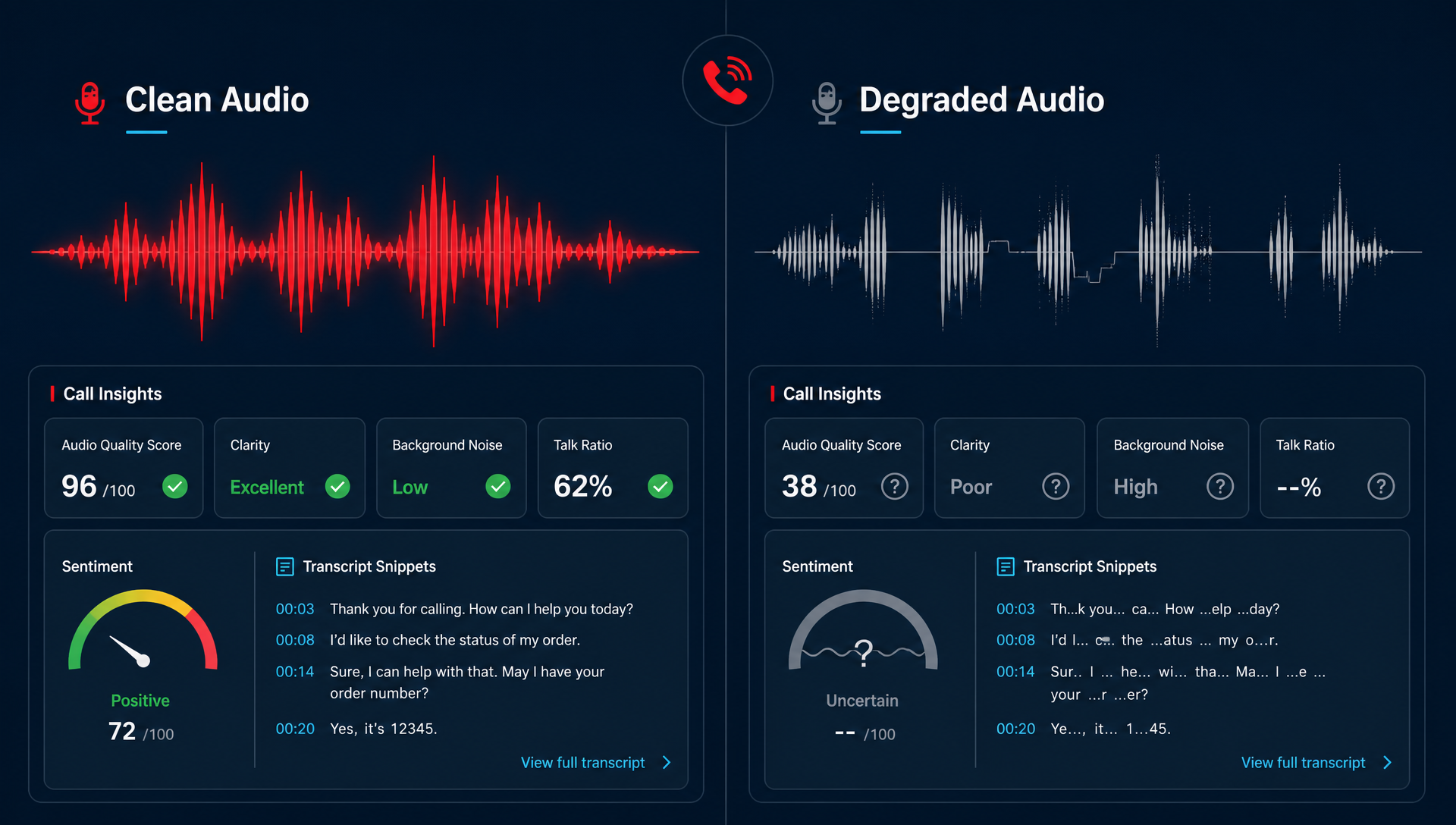
With AI transcription, speech-to-text technology converts spoken conversations into written transcripts. This makes every call searchable and ready for analysis.
3. Text Preparation
The system cleans and organizes the text. Background noise and filler language are reduced so the focus stays on meaning.
4. Language and Sentiment Analysis
Natural language processing evaluates the conversation to understand:
- What the caller is calling about
- The intent behind questions or requests
- Emotional signals like frustration, satisfaction, or confusion
- Keywords and phrases that indicate risk or opportunity
5. Insight and Reporting
The dashboard presents findings in clear views that highlight trends, outliers, and calls that need attention. Instead of reviewing recordings, leaders review insights.
.png?width=1920&height=911&name=image%20(32).png) What Problems Does Conversational AI Insights Solve?
What Problems Does Conversational AI Insights Solve?
The value of the dashboard is not the technology itself. It is the clarity it provides.
From Guessing to Knowing
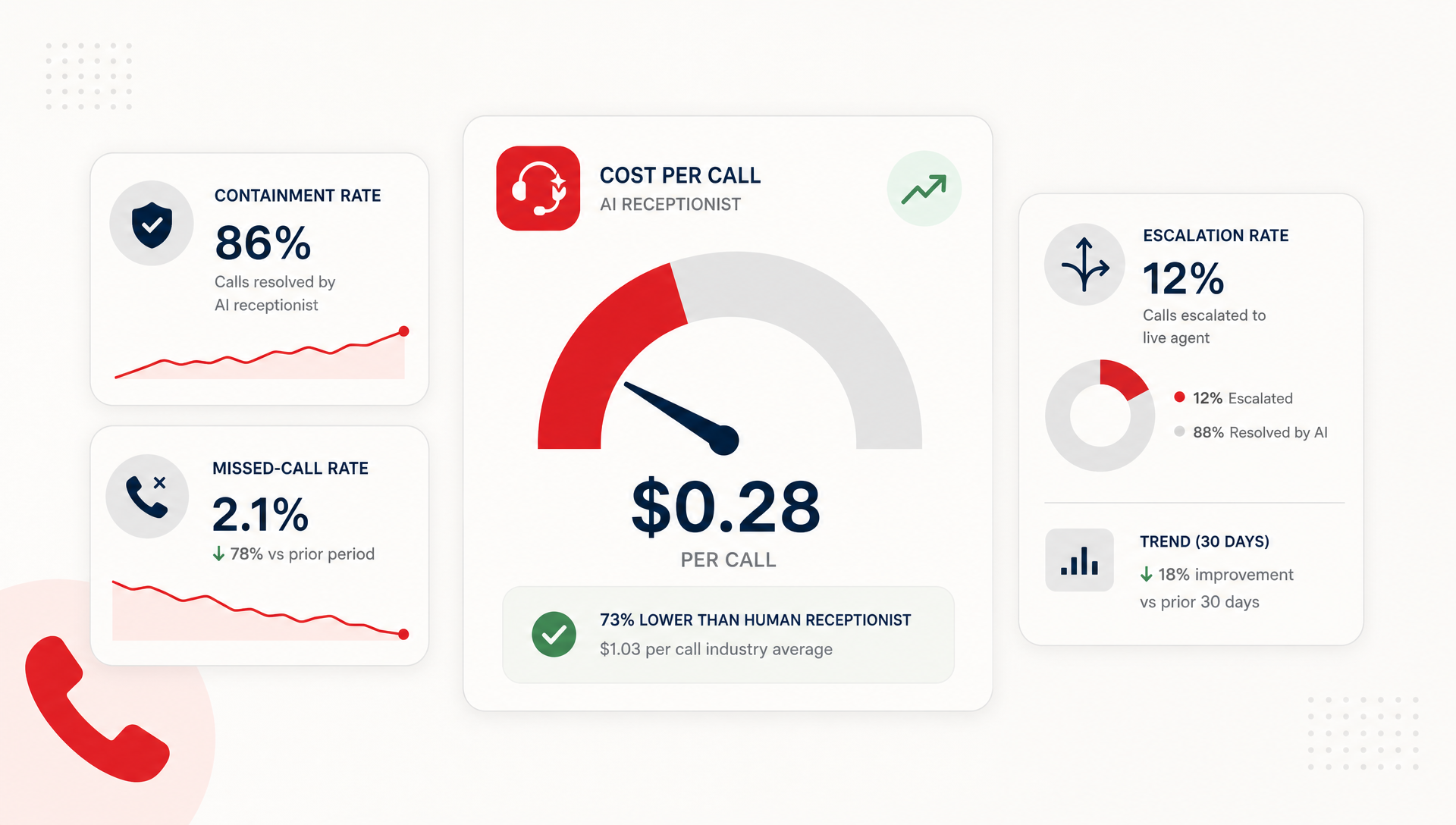
See why customers call and what issues repeat across conversations. Decisions are based on real patterns, not assumptions.
From Manual Review to Smarter Coaching
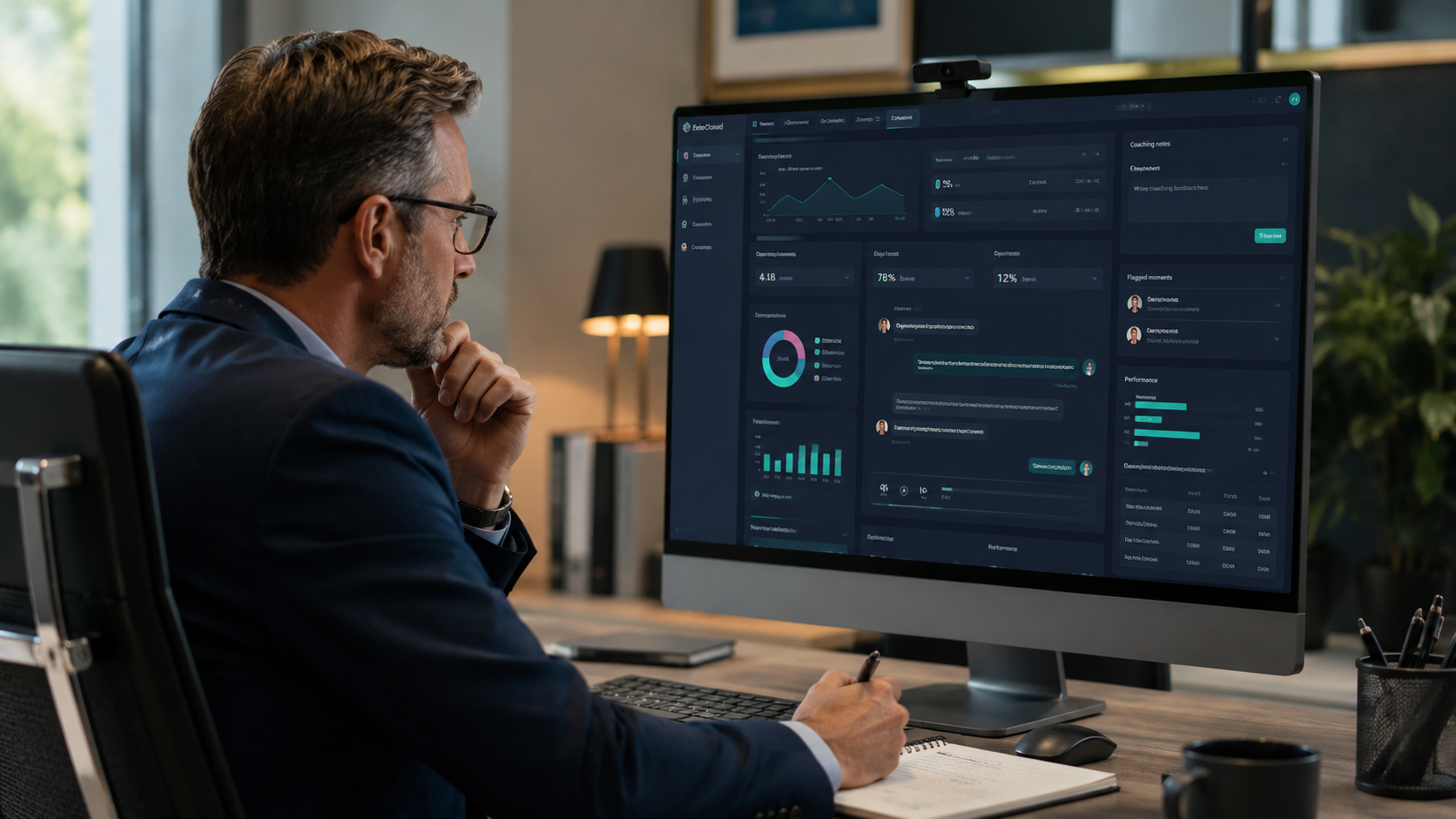
Supervisors get targeted coaching insights without listening to hours of recordings. Feedback becomes consistent and actionable.
From Reactive to Proactive Customer Experience
The dashboard acts as an early warning system. Spikes in negative sentiment or risky language are flagged before issues escalate.
.png?width=1920&height=911&name=image%20(33).png) How Businesses Are Starting to Use Conversational AI Insights
How Businesses Are Starting to Use Conversational AI Insights
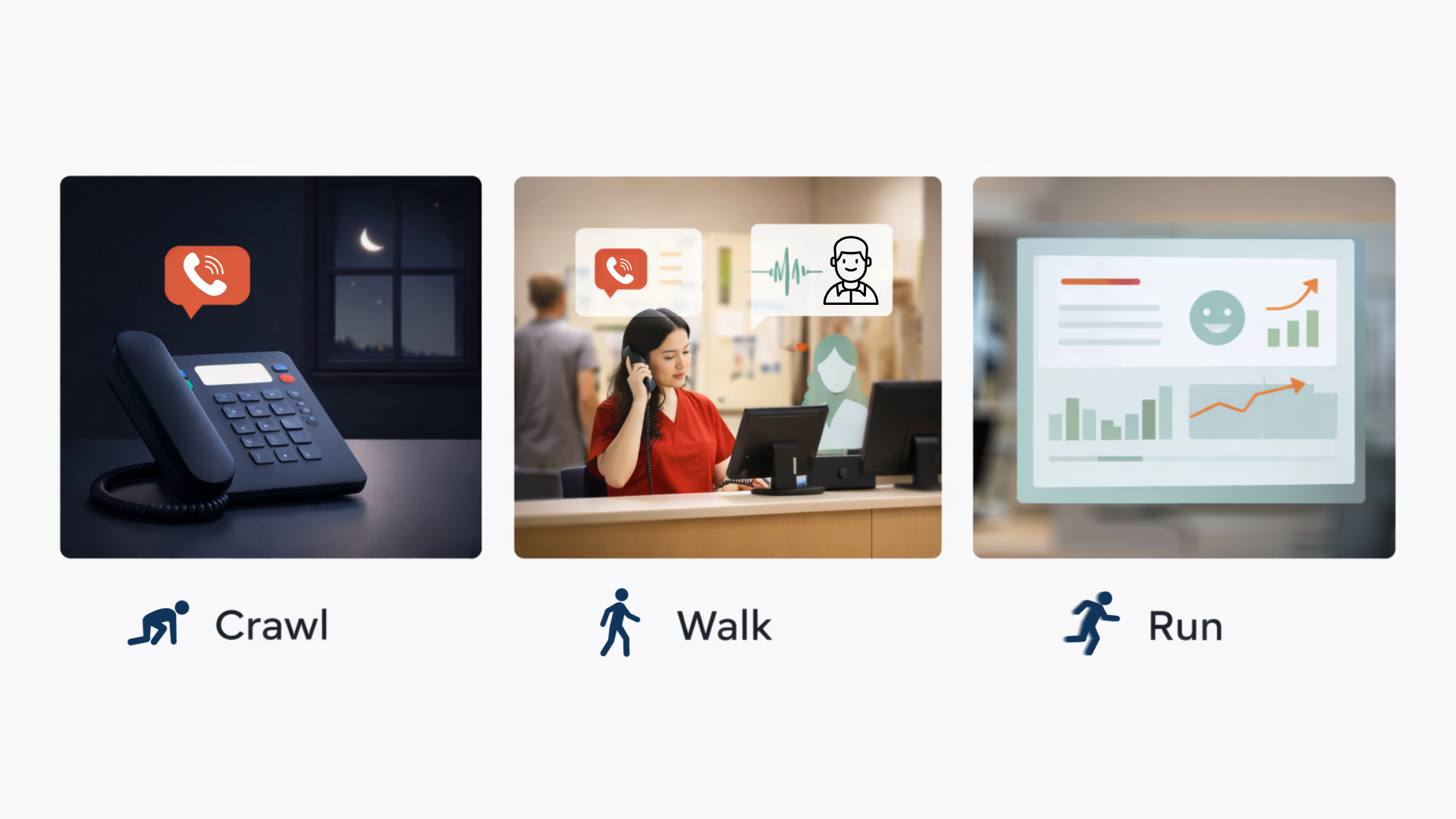
Most teams adopt the dashboard gradually.
Start With Visibility
Basic transcription and sentiment views help teams understand call volume, topics, and customer tone.
Add Coaching and Quality Signals
Talk ratios, keyword alerts, and performance trends help standardize service and identify training needs.
Use Insights to Guide Decisions
Over time, insights influence staffing, processes, and customer experience improvements.
How It Fits Into Your Existing TeleCloud System
Conversational AI Insights is an add-on layer, not a replacement.
If you are already recording calls through TeleCloud, you are halfway there. The dashboard simply turns those recordings into clarity. No new system. No workflow disruption.
It works quietly in the background and delivers insight where it matters.
Who Conversational AI Insights Is For and Who It Is Not
A good fit if you:
- Handle meaningful call volume
- Want visibility without added work
- Care about coaching, consistency, and CX
Not a fit if you:
- Do not record calls
- Are not ready to act on insights
- Prefer manual review alone
Is This About Replacing People or Monitoring Them?
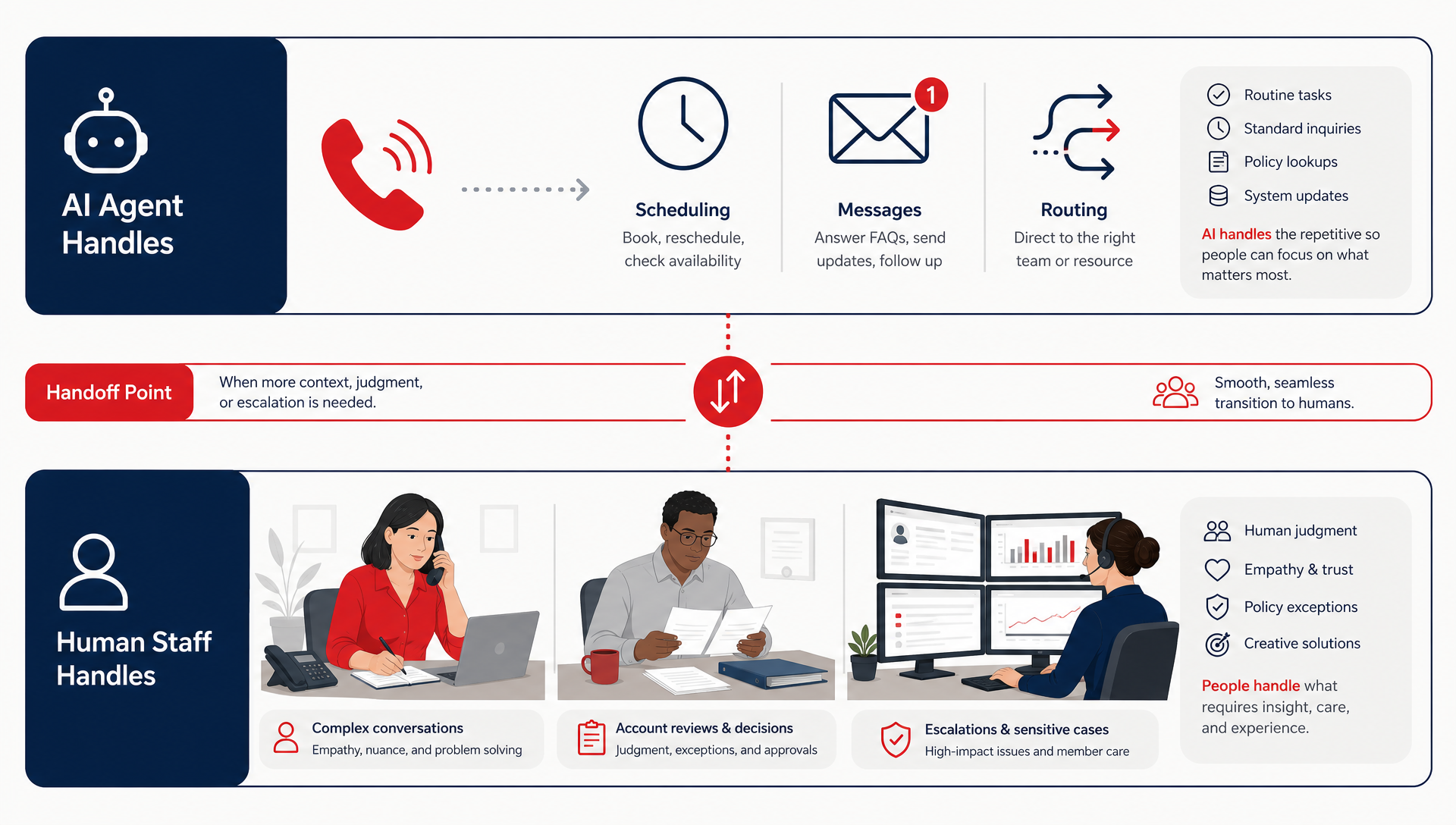
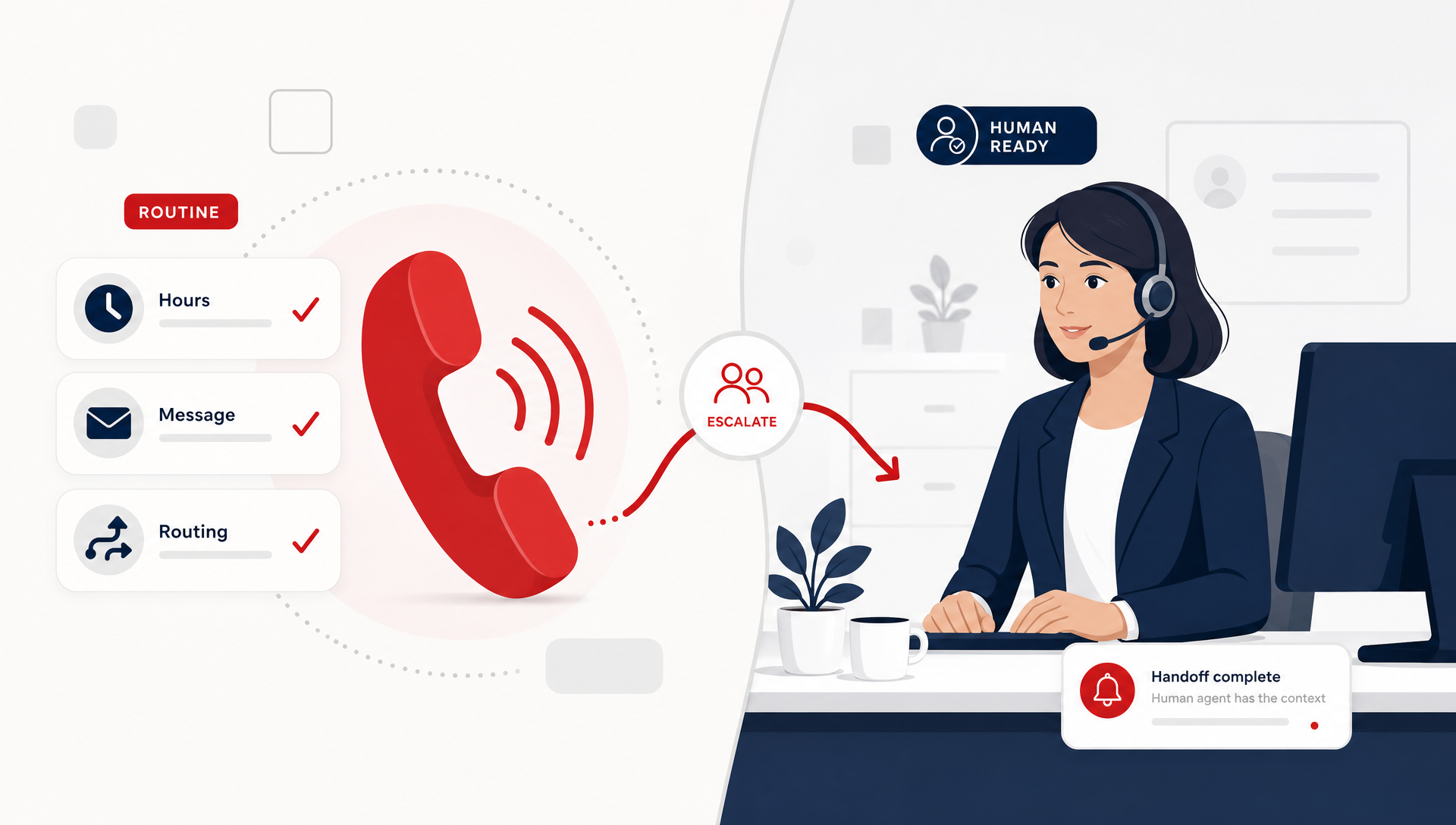
No. The dashboard does not replace managers or supervisors. It supports them with undeniable actionable data.
Conversational AI Insights helps teams focus on improvement, not surveillance. It provides shared visibility so coaching is based on facts instead of assumptions.
When used correctly, it builds trust and consistency.
From Recorded Calls to Real Business Clarity
Most businesses already have the information they need to improve performance and customer experience. It lives inside their conversations.
The Conversational AI Insights Dashboard turns those conversations into something teams can actually use. It reveals patterns, highlights issues early, and helps leaders coach smarter and act faster.
This is not about automation for its own sake. It is about seeing clearly, deciding confidently, and improving continuously.
TeleCloud helps businesses get there by making insights simple, accessible, and built into the communication systems they already rely on.
Topics: