
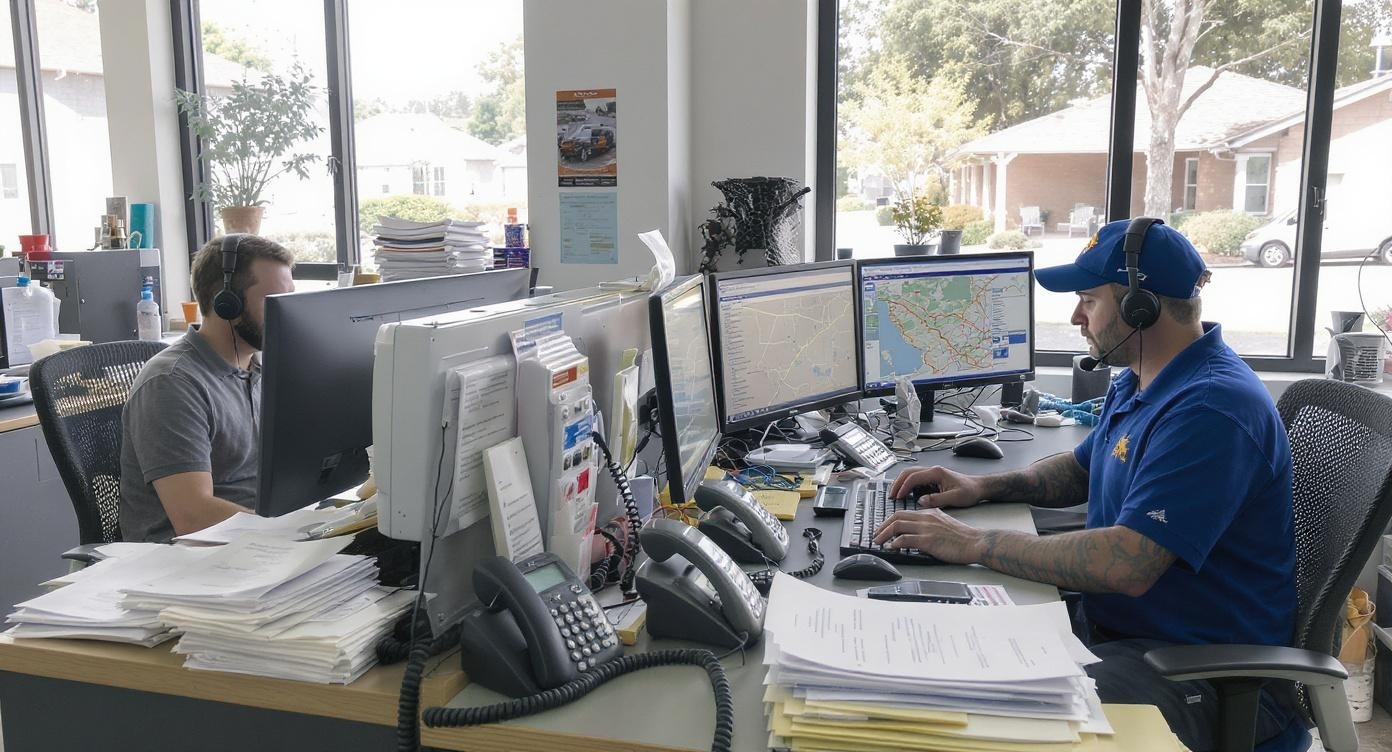
It usually starts the same way.
The weather shifts, the phones light up, and suddenly every call feels urgent. No heat. No air. Water dripping from somewhere it should not be. Your dispatchers are juggling lines, techs are rolling out, and you are just trying to keep things moving.
By the end of the day, you know the phones rang nonstop. What you do not know is which calls turned into booked jobs, which ones fell through the cracks, and which customers hung up frustrated and called someone else.
That uncertainty is common in HVAC. And it is exactly where most missed opportunities hide.
This article breaks down how HVAC companies are starting to see and learn from every customer call, not by listening to recordings all night, but by using conversational insights to finally understand what is happening on the phones.
Why Calls Matter So Much in HVAC
For HVAC businesses, calls are not just conversations. They are the front door to revenue.
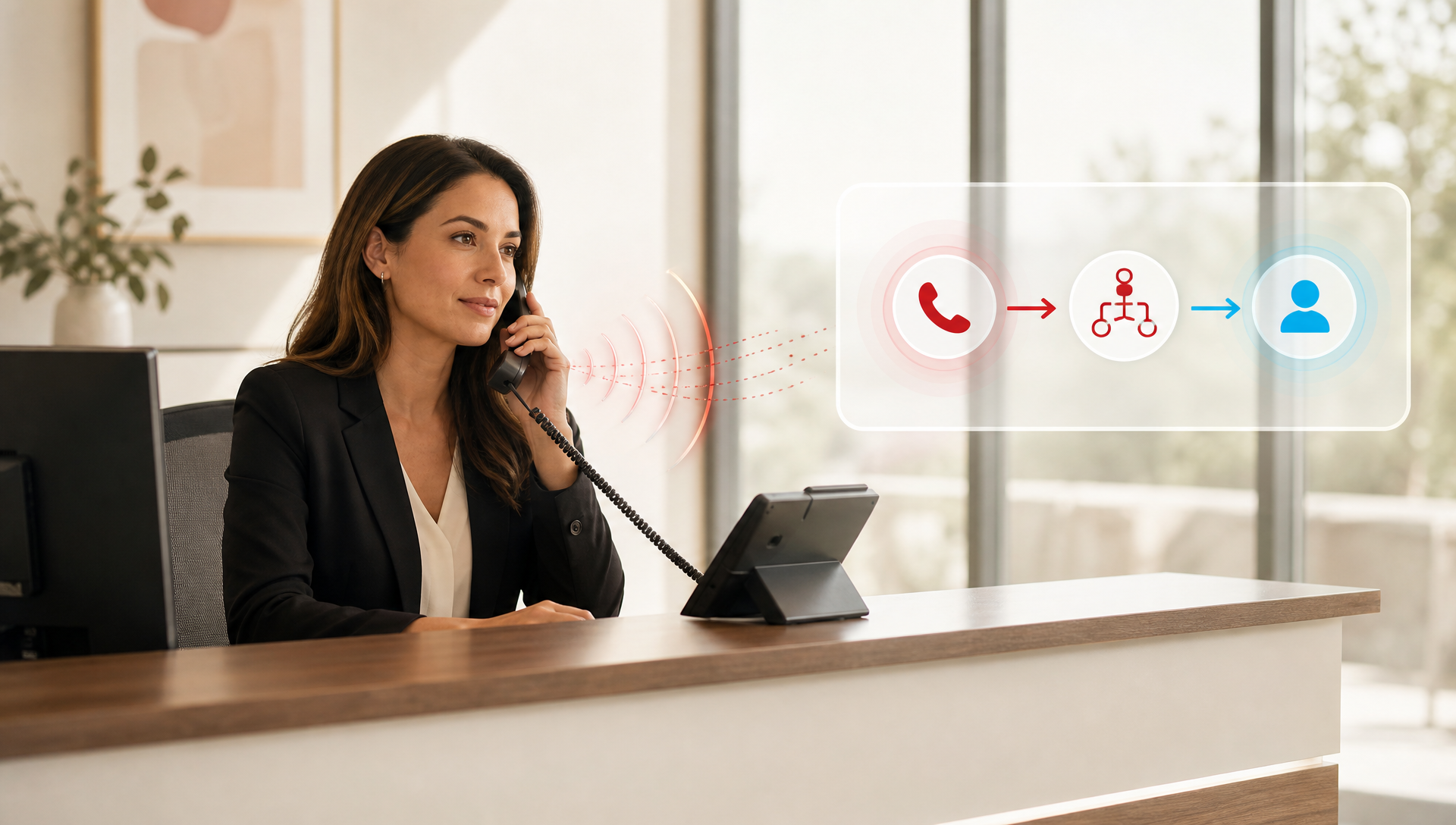
Service calls. Emergency repairs. Maintenance plans. System replacements. Nearly all of them start with someone picking up the phone, often stressed, uncomfortable, or in a hurry.
When calls go well, customers feel taken care of. When they do not, they move on quickly.
One Missed Call Can Mean a Lost Job
Most HVAC owners can think of at least one time this happened.
A call comes in during a rush. The dispatcher puts them on hold. Another line rings. Someone hangs up. By the time you realize it, that customer already booked with another company.
No follow-up. No second chance. Just a quiet loss you never see on a report.
Multiply that by a busy season, and the impact adds up fast.
The Visibility Problem HVAC Companies Face
Here is the uncomfortable truth.
Most HVAC companies record calls, but very few actually know what is happening on them.
Owners might listen to a few calls a week. Managers review recordings when there is a complaint. Dispatchers do their best, but nobody has a clear view of the whole picture.
You Cannot Fix What You Cannot See
When you only hear a handful of calls, patterns stay hidden.
A dispatcher might rush emergency calls without realizing it. Certain questions might confuse customers every day. Replacement inquiries might not get handled consistently.
From the outside, everything looks fine. From the inside, small problems repeat quietly.
What It Means to Truly See Your HVAC Calls
Seeing your calls does not mean listening to hours of recordings.
It means understanding what customers are calling about, how those conversations feel, and what happens next.
This is where conversational insights come in.
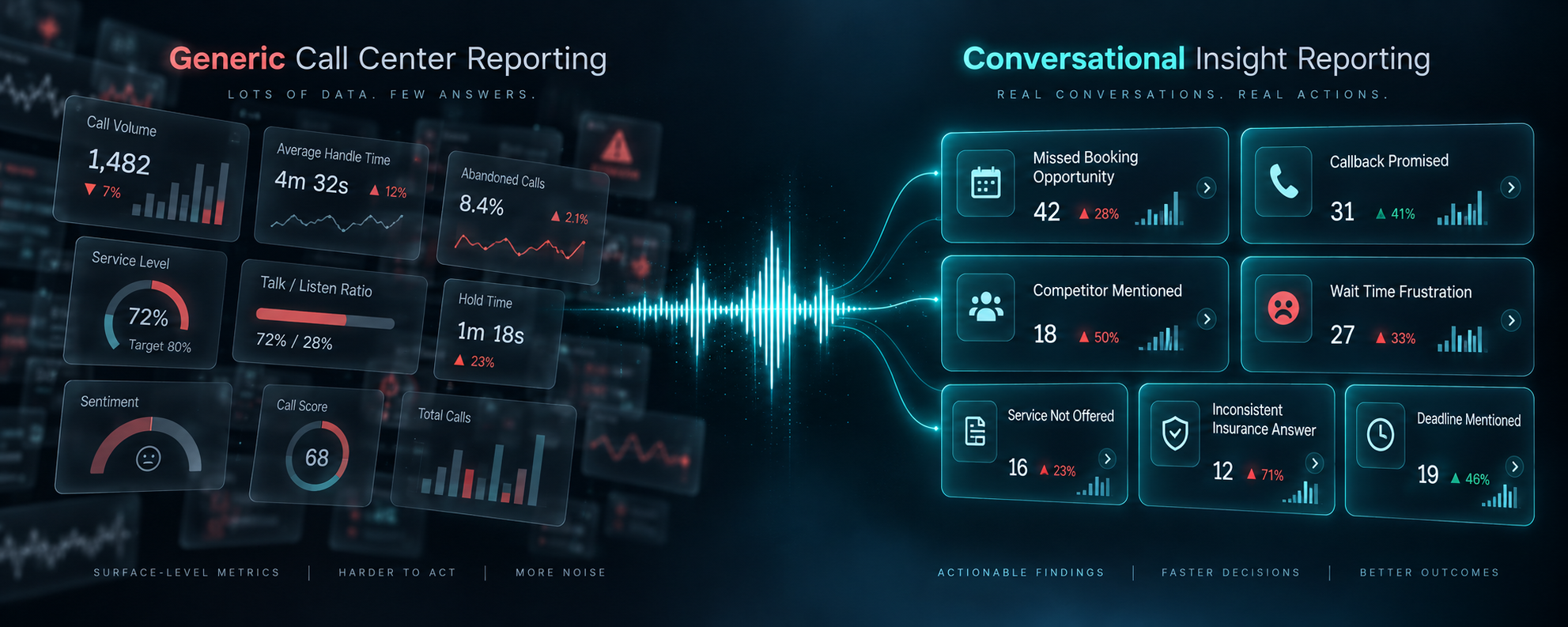
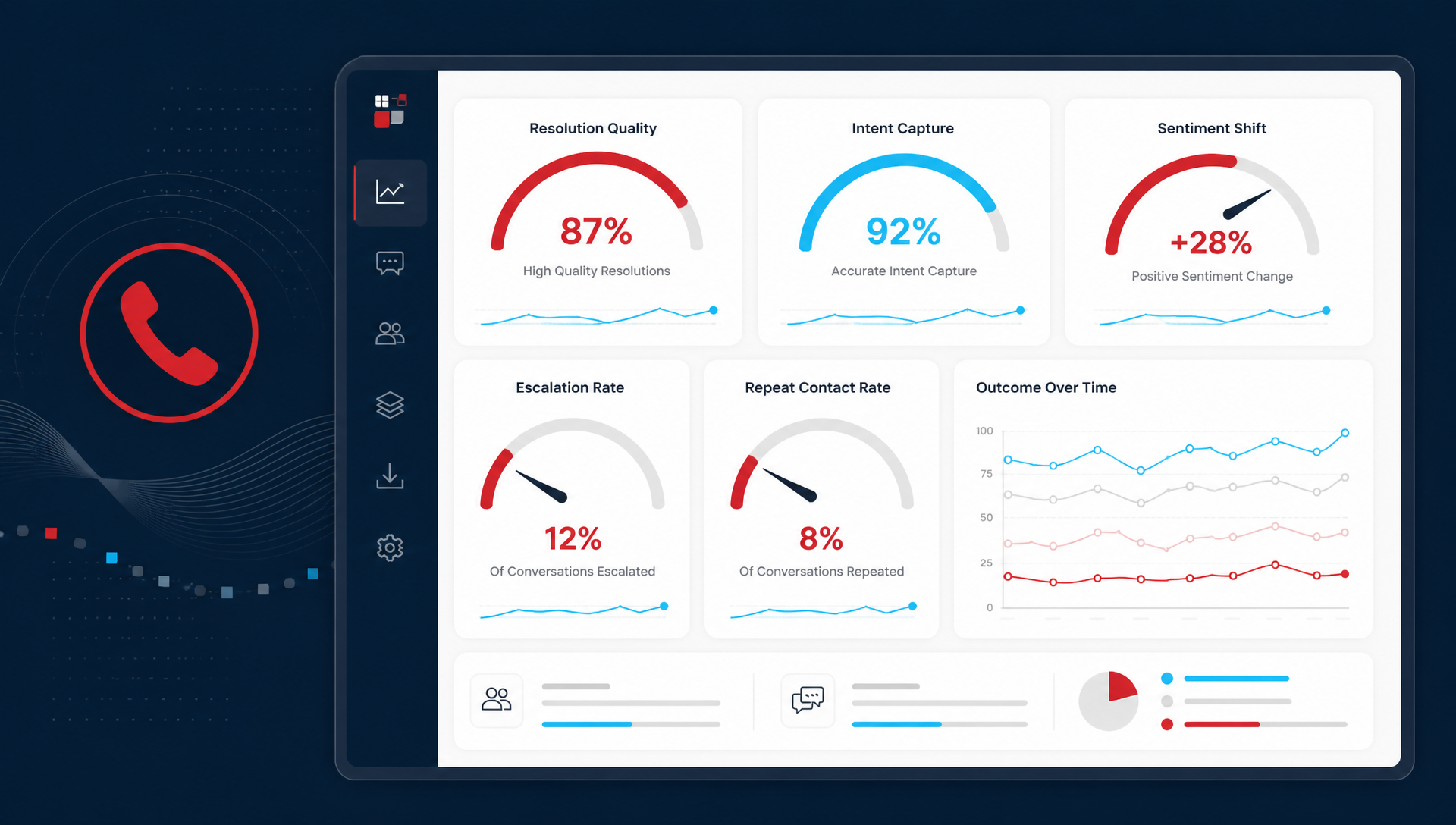
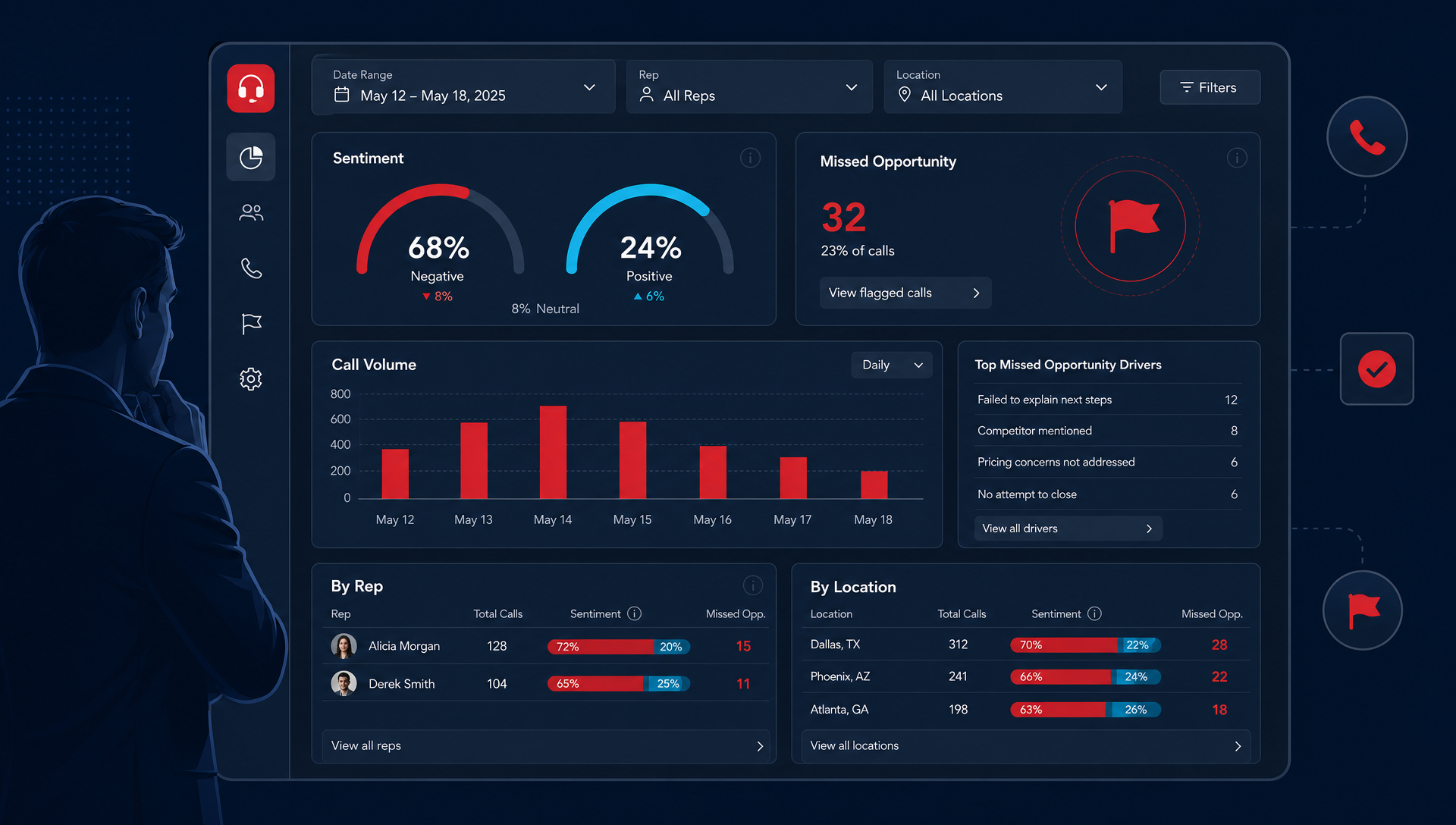
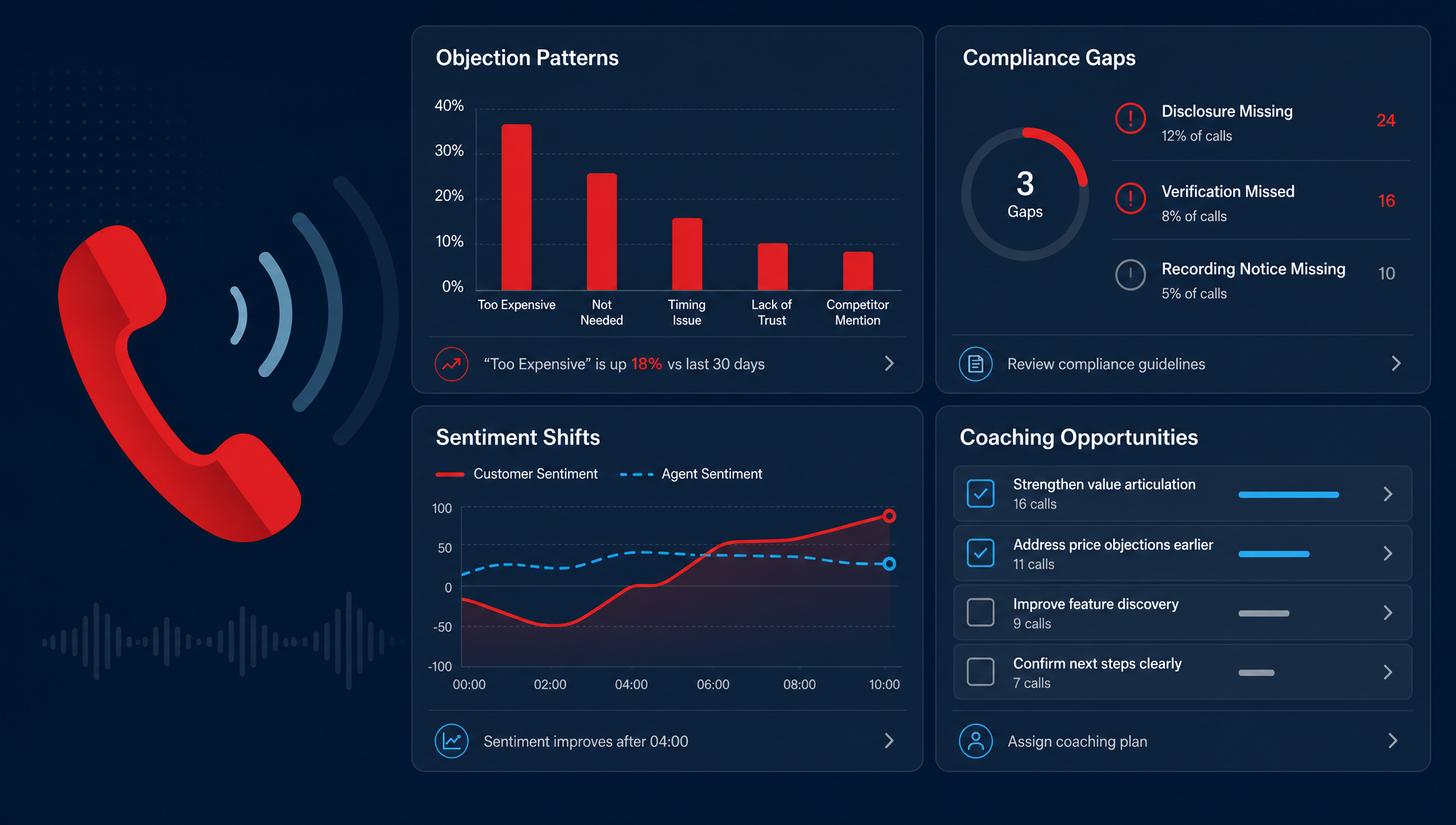
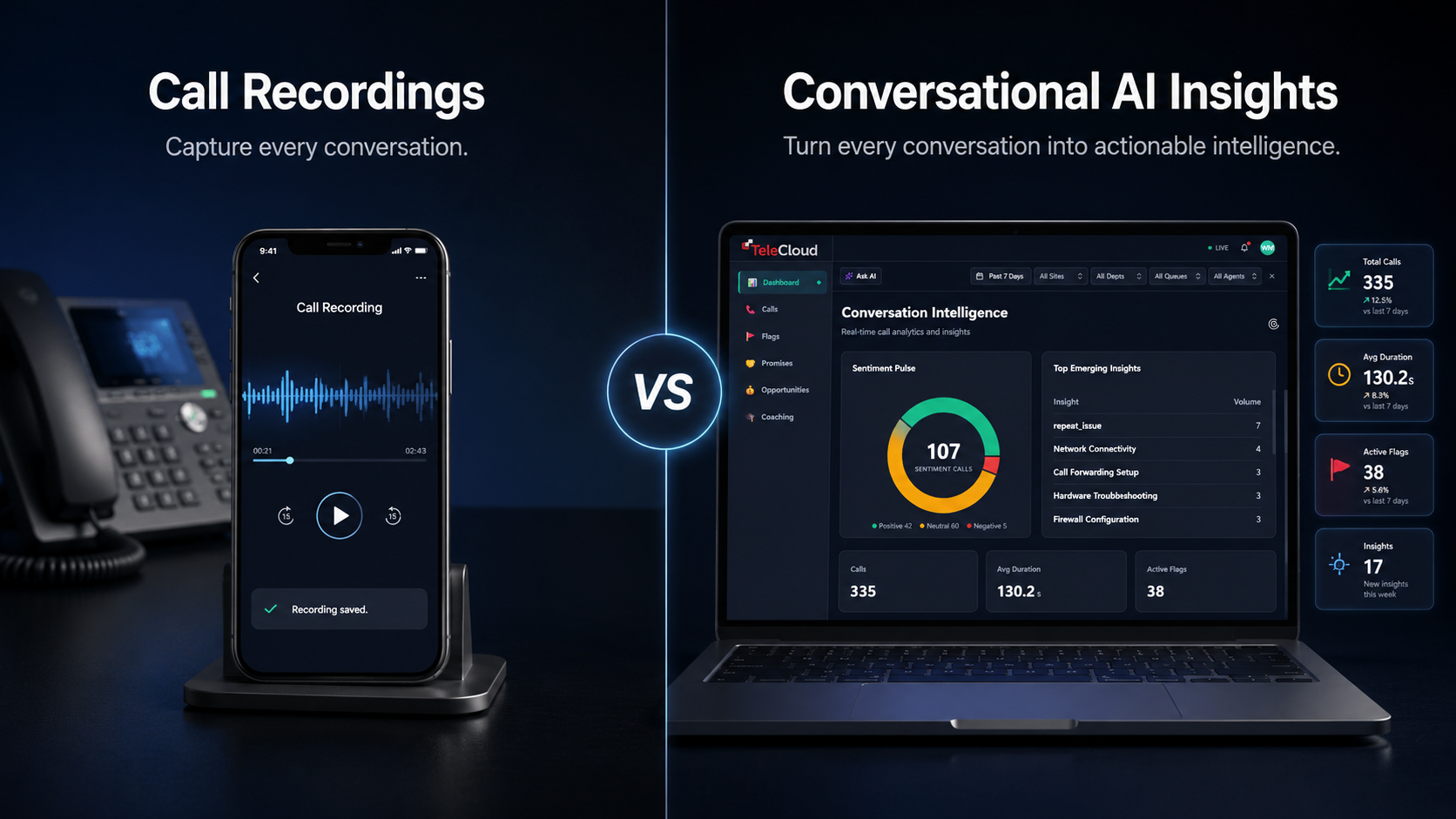
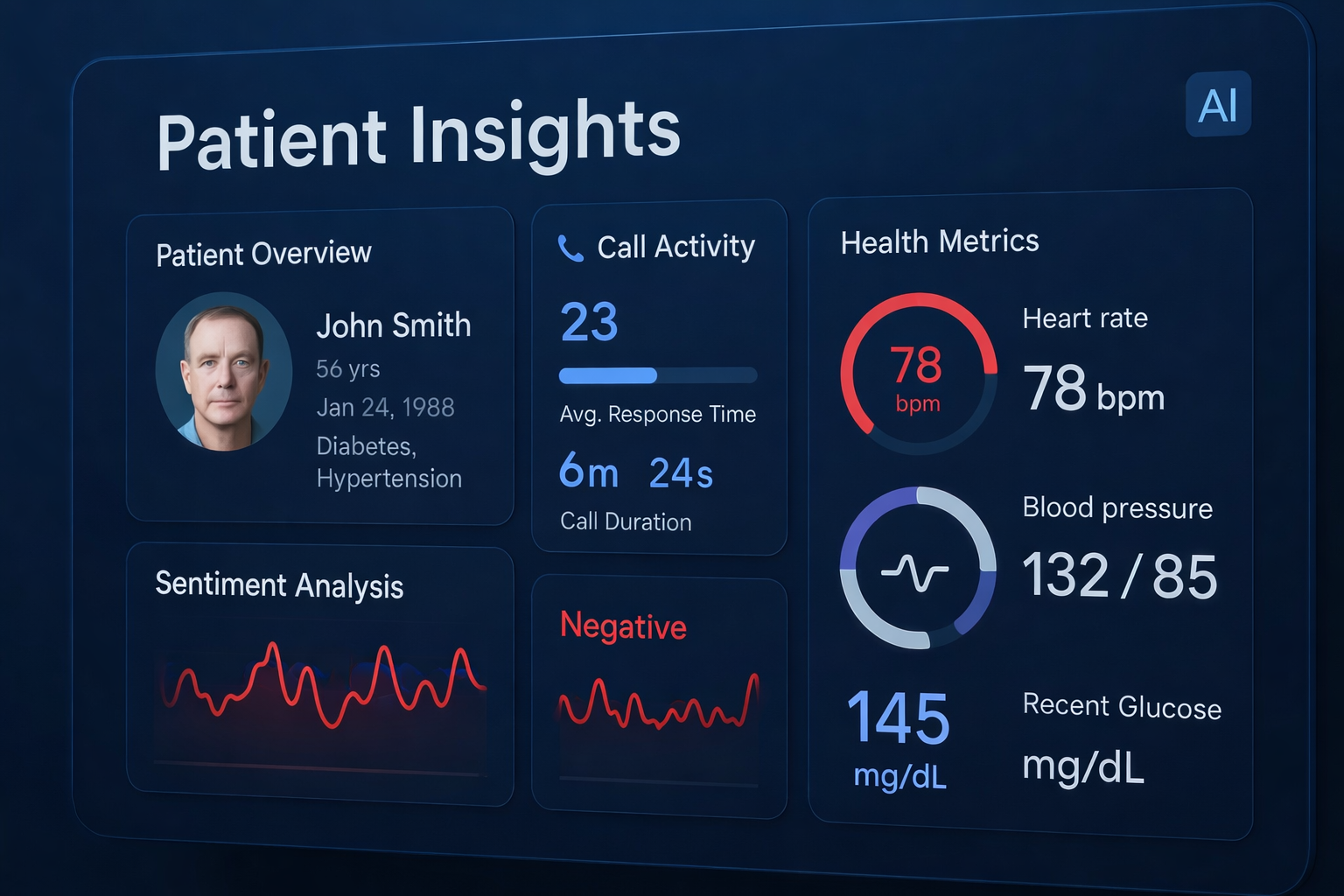
At its core, conversational insights is a dashboard that listens to recorded HVAC calls, analyzes them, and shows you patterns across all conversations.
Not just the loud complaints. Not just the calls someone happened to review. All of them.
.png?width=851&height=404&name=image%20(31).png) How Conversational Insights Actually Work in HVAC
How Conversational Insights Actually Work in HVAC
The process is simpler than most people expect.
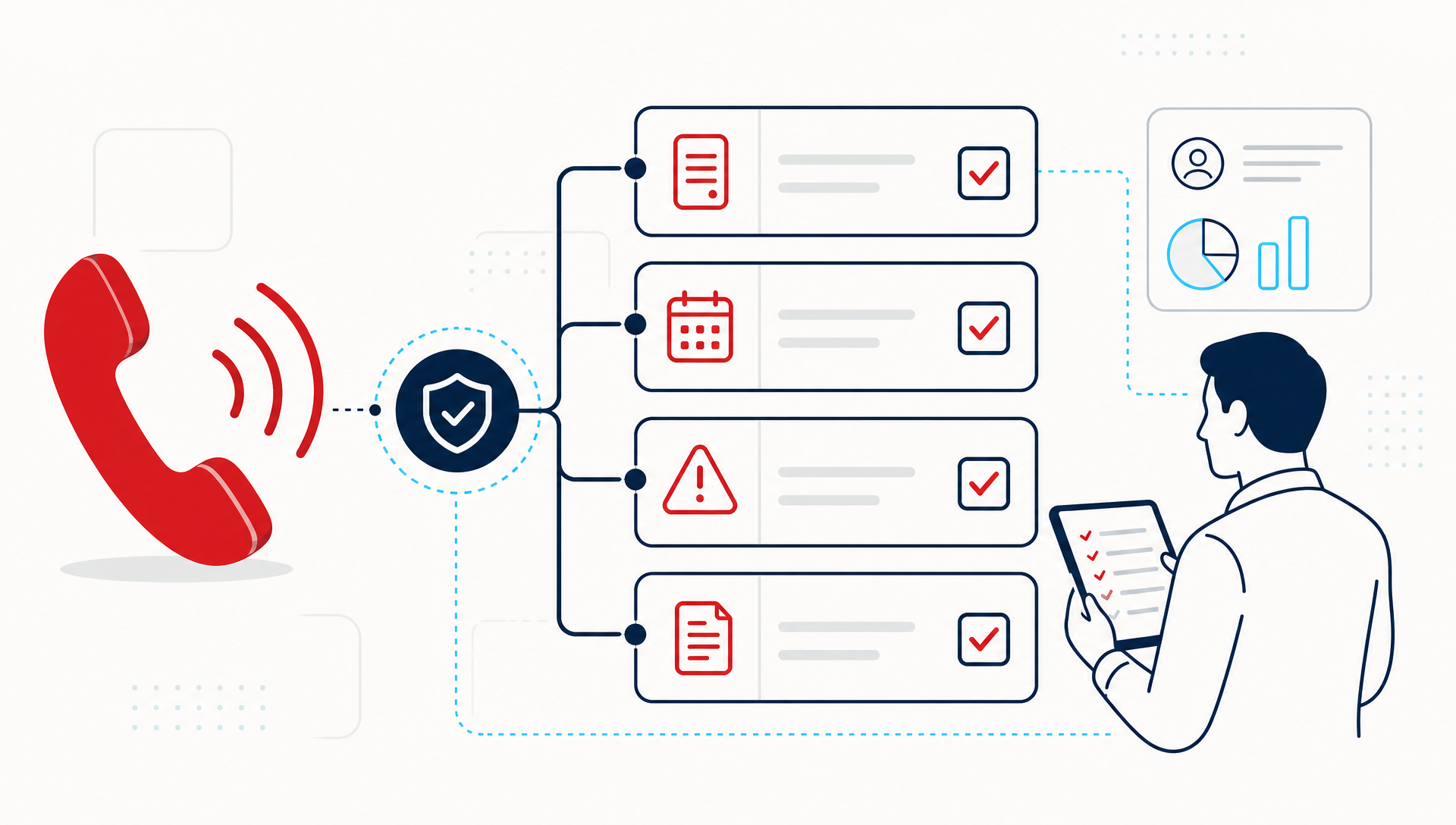
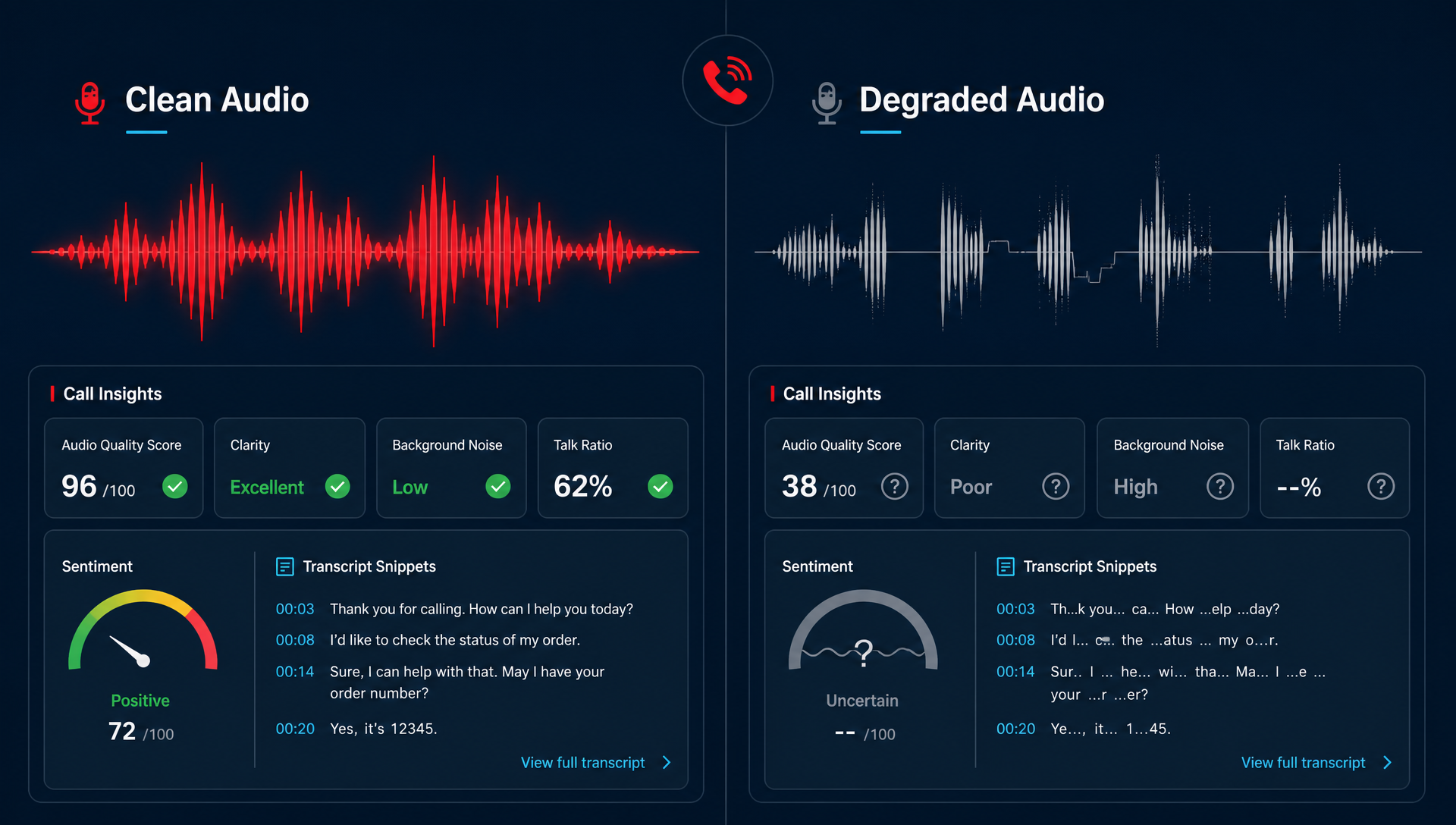
Calls are recorded through your existing phone system. Those calls are transcribed so the words can be analyzed. From there, the system looks for patterns.
It identifies what customers are calling about. Emergency service. Maintenance scheduling. Replacement questions. Billing issues.
It picks up on tone and sentiment. Calm. Frustrated. Urgent. Confused.
Then it organizes that information into dashboards that show what is really happening across your calls by time of day, location, or dispatcher.
Instead of guessing, you can see.
Common HVAC Problems Conversational Insights Helps Uncover
Emergency Calls That Are Not Handled Like Emergencies
Nobody ignores emergency calls on purpose. But during peak times, urgency can get lost.
Conversational insights can show when emergency language shows up in calls and whether those calls are handled quickly and correctly.
Inconsistent Call Handling Across Dispatchers
Most HVAC companies rely on multiple dispatchers, often across shifts.
Some book confidently. Others hesitate. Some ask the right questions. Others miss details.
Seeing these differences helps managers coach fairly and consistently instead of relying on gut feelings.
Replacement and Upsell Opportunities That Go Quiet
Not every replacement conversation is obvious.
Sometimes it sounds like a repair call. Sometimes a customer hints at bigger problems. Without visibility, those moments get missed.
Insights help surface when those conversations happen and whether they lead to follow-up.
Seasonal Chaos That Burns People Out
When the phones blow up, even great teams feel it.
Insights help you see when call volume overwhelms staff, when hold times spike, and where customers start to get frustrated. That makes it easier to plan coverage and avoid burnout.
How HVAC Teams Are Starting to Use Call Insights
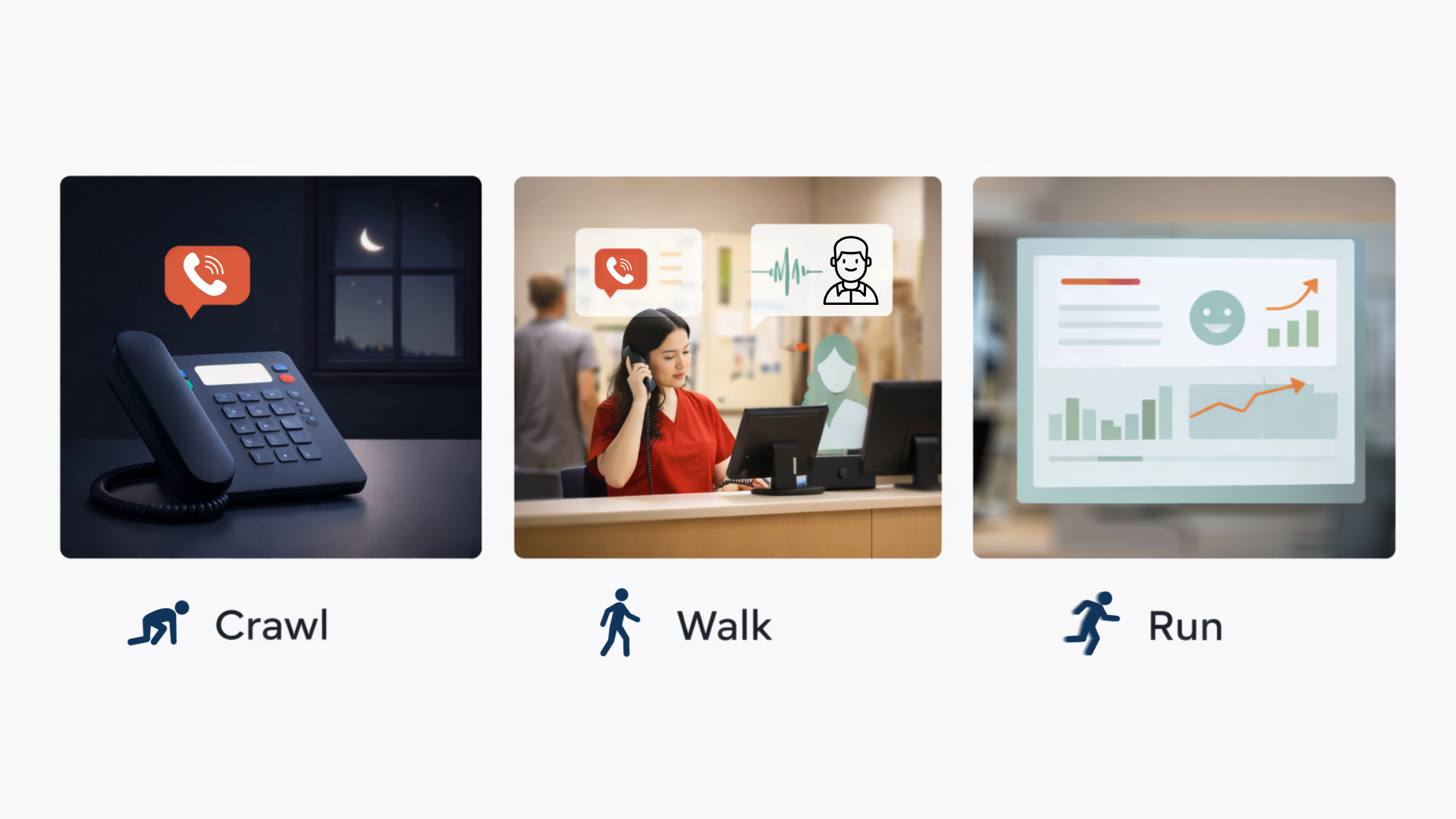
Most HVAC companies do not jump all in at once.
They start by getting visibility. Why are customers calling. What issues repeat. Where sentiment shifts during busy periods.
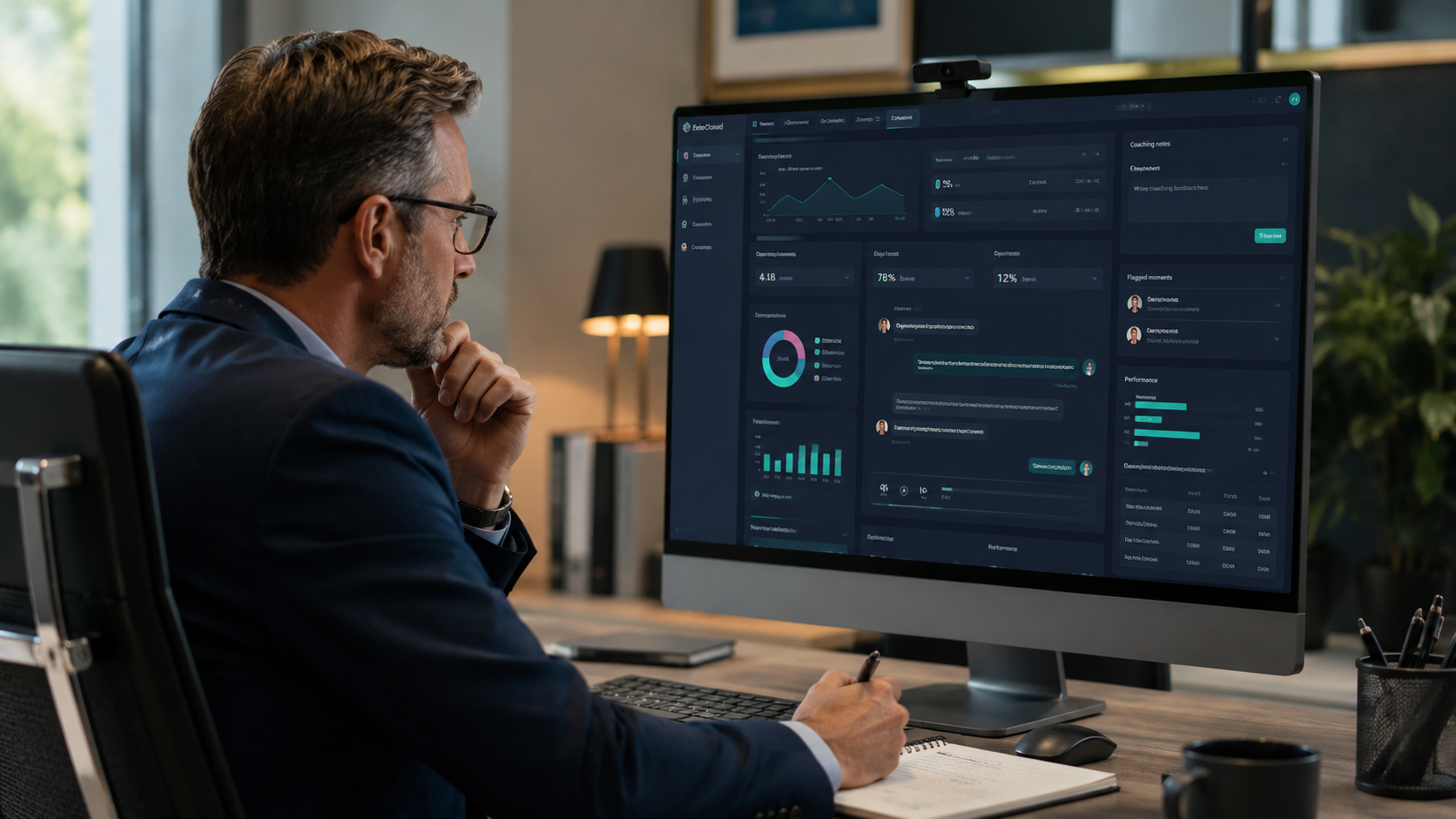
Then they use those insights to improve coaching. Not by criticizing, but by showing patterns and helping dispatchers succeed.
Over time, those insights guide smarter decisions around staffing, scheduling, and after-hours coverage.
Who This Works Best For
Conversational insights are a strong fit for HVAC companies that handle steady call volume and want better consistency across teams or locations.
It is especially helpful for growing businesses where owners can no longer listen to everything themselves.
It is less useful for very small operations with low call volume or teams that are not ready to act on what they learn.
Is This About Replacing Dispatchers or Managers?
No. This is about supporting them.
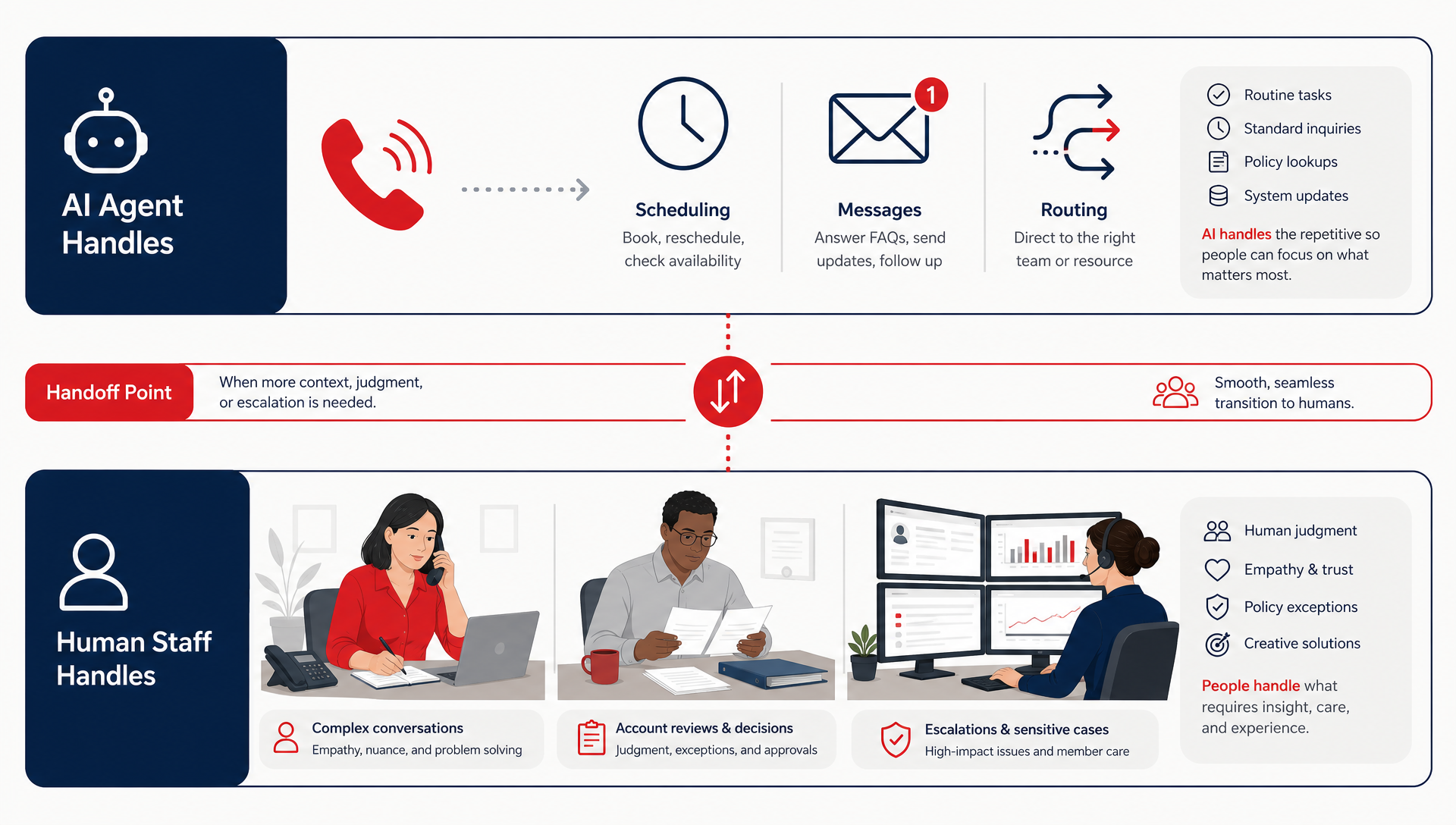
The dashboard does not replace judgment or experience. It gives context. It helps managers coach without guessing. It helps dispatchers improve without feeling watched.
When teams can see what is happening together, conversations get better.
From Guessing to Understanding Your Calls
Most HVAC businesses already have the answers they need. They are just buried inside conversations.
When you can see those conversations clearly, small problems get fixed early. Customers feel heard. Teams feel supported. Revenue stops slipping away quietly.
Seeing your calls is not about control. It is about clarity.
And for HVAC companies that rely on phones every day, clarity is a real competitive advantage.
Topics: