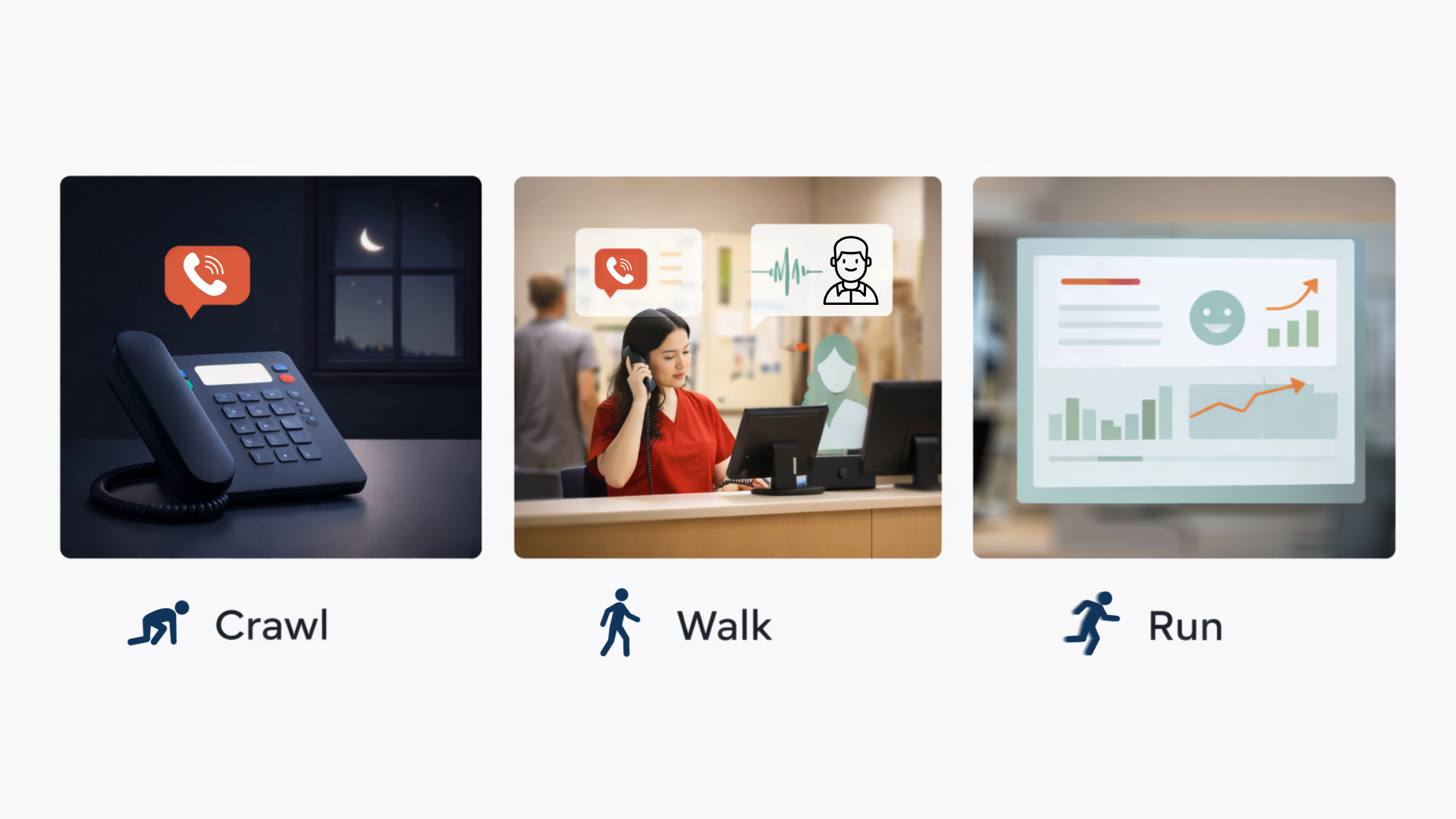

Why Urgent Cares Need Conversational Insight, Not Just Call Recordings
February 17th, 2026
4 min read
By Will Maddox
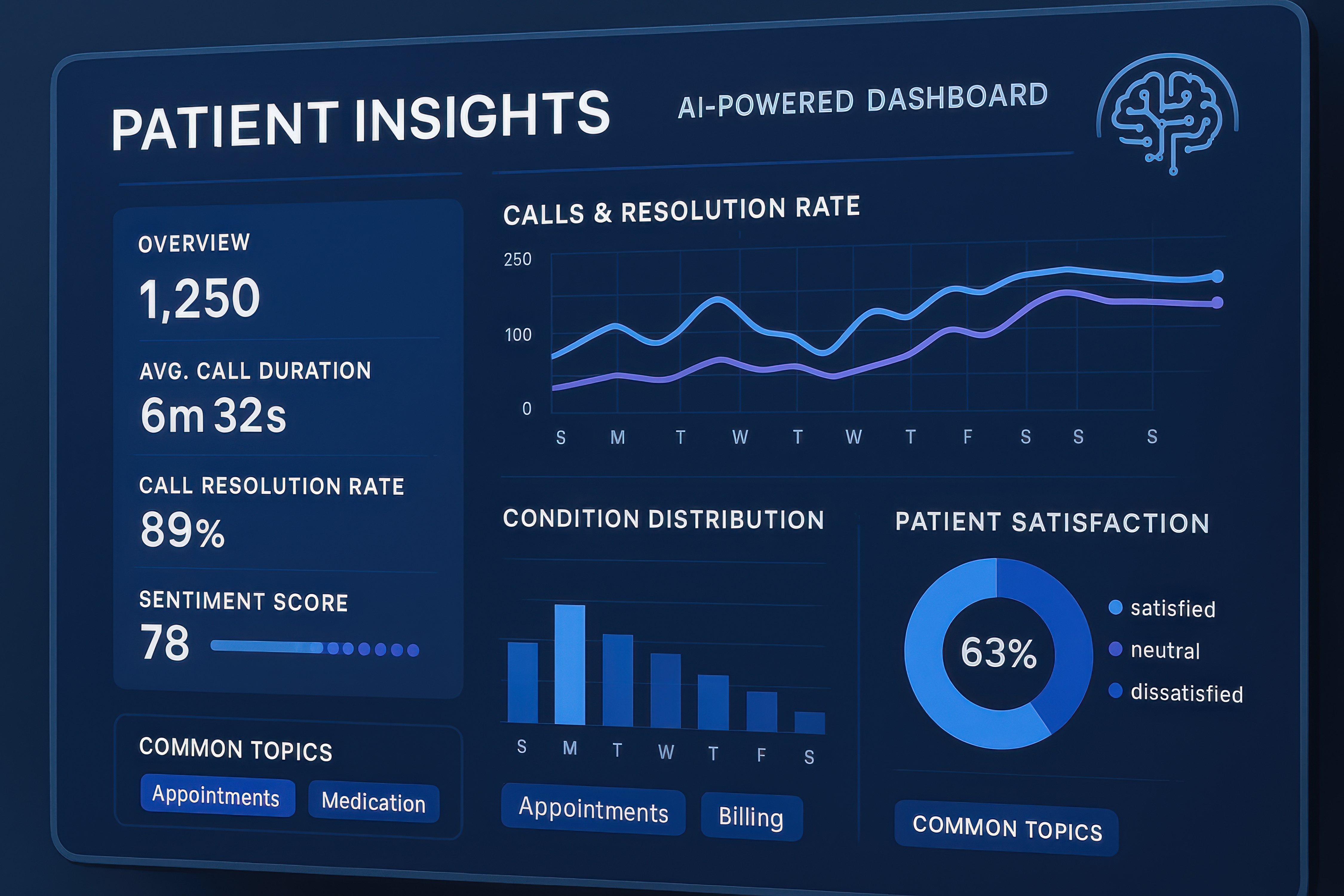
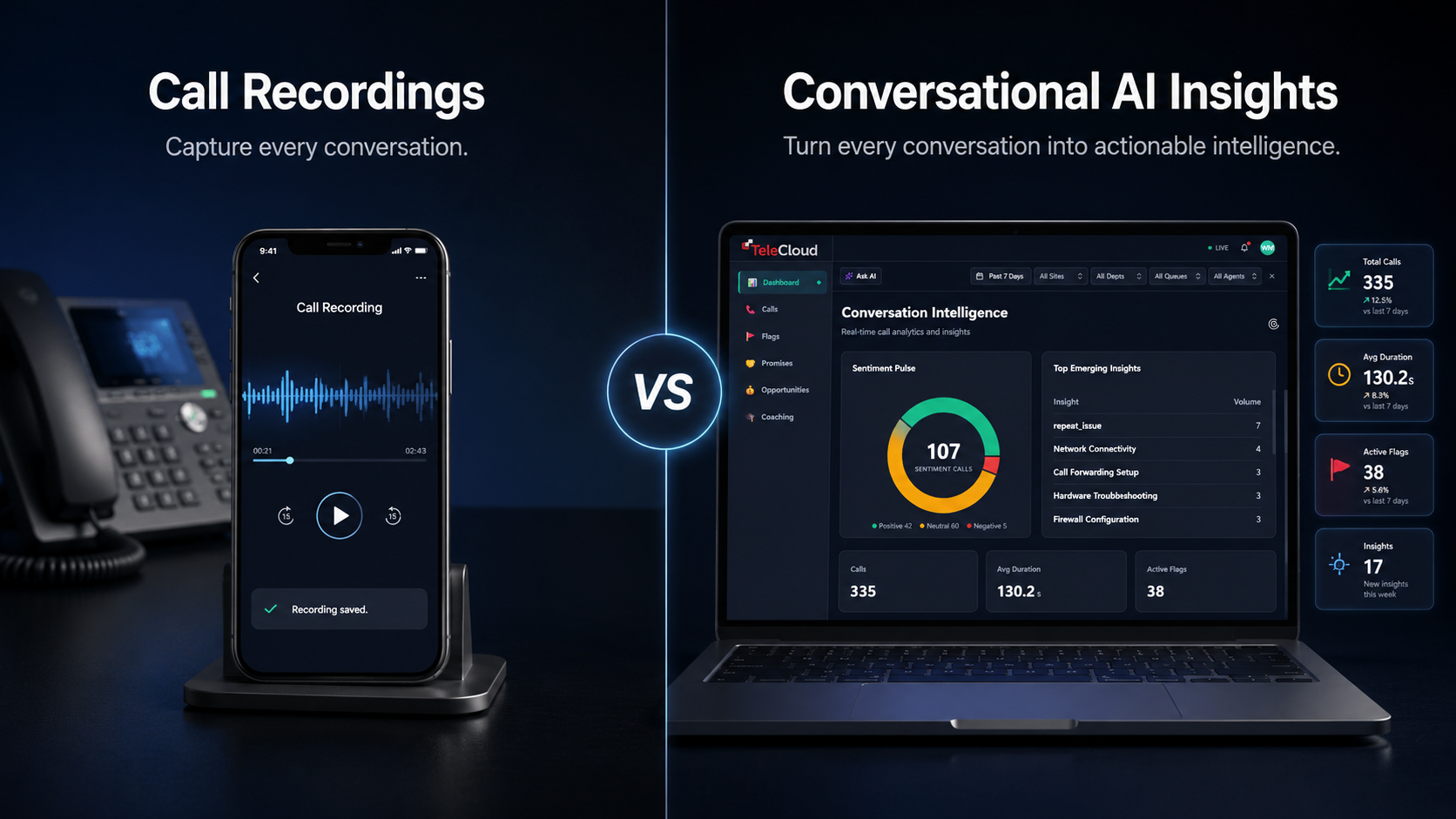
Call recordings show what happened during patient calls, but conversational insights explain why it happened and what urgent care leaders should change to improve revenue, staffing, and patient experience.
Urgent care operators know the phone is one of their most important patient touchpoints. Every day, patients call to ask about wait times, insurance, services, and availability. Many clinics record these calls, believing that recordings provide visibility and protection. Yet despite having thousands of recorded conversations, many urgent care leaders still struggle with abandoned calls, missed appointments, staff burnout, and inconsistent patient experiences.
This article explains why call recordings alone are no longer enough, what Conversational Insights actually is, and why it has become essential for modern urgent care operations.
Why Are Call Recordings No Longer Enough for Urgent Care Operations?
Recordings create data, not clarity.
Call recording was originally designed for compliance and dispute resolution. In healthcare, it helps document conversations, support appeals and grievances, and provide a record when questions arise. Those benefits still matter. But recordings were never designed to help leaders understand performance at scale.
What call recordings do well
Call recordings are useful for:
- Compliance documentation
- Reviewing isolated incidents
- Resolving patient disputes
- Training new staff with examples
These use cases assume someone has the time to listen.
Where recordings fall short
In reality, urgent care leaders cannot listen to more than a small fraction of their calls. Most organizations review one to two percent of recordings at best. That means:
- Problems are discovered weeks after they occur
- Coaching is based on anecdotes, not patterns
- Leadership lacks confidence in phone performance
- Revenue and experience issues stay hidden
Recordings tell you what happened on a single call. They do not explain what is happening across hundreds or thousands of calls each week.
What Is Conversational Insights in an Urgent Care Context?
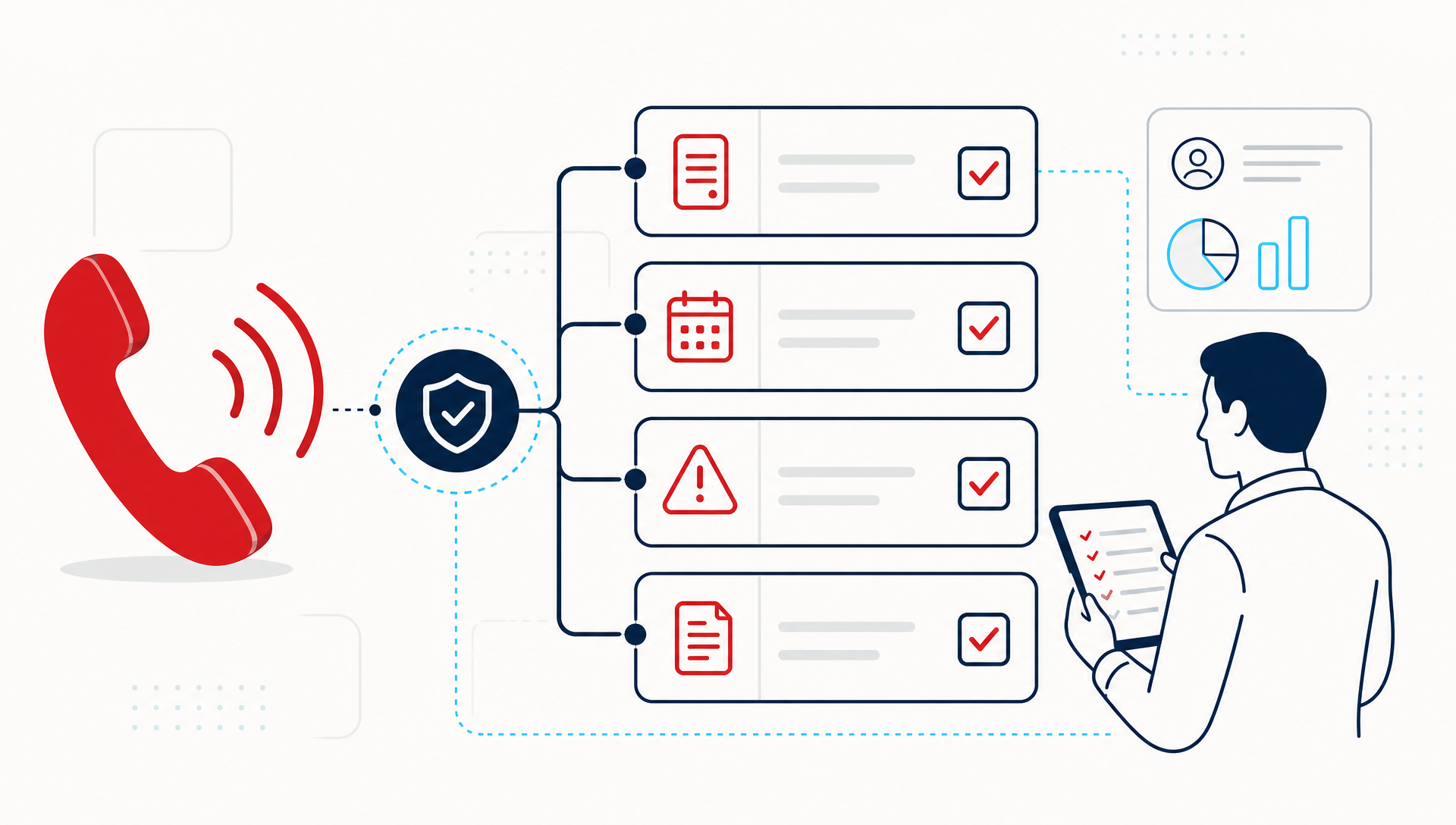
Conversational insights turns every call into structured insight instead of raw audio.
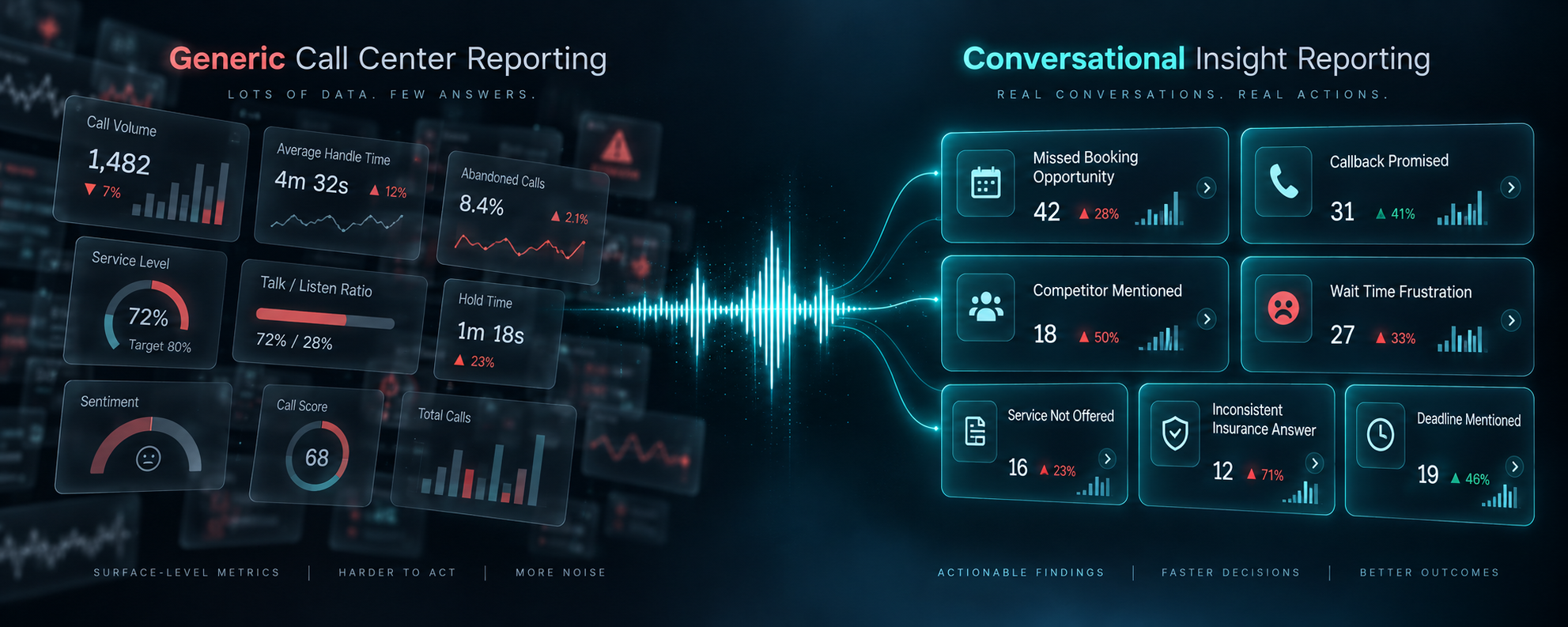
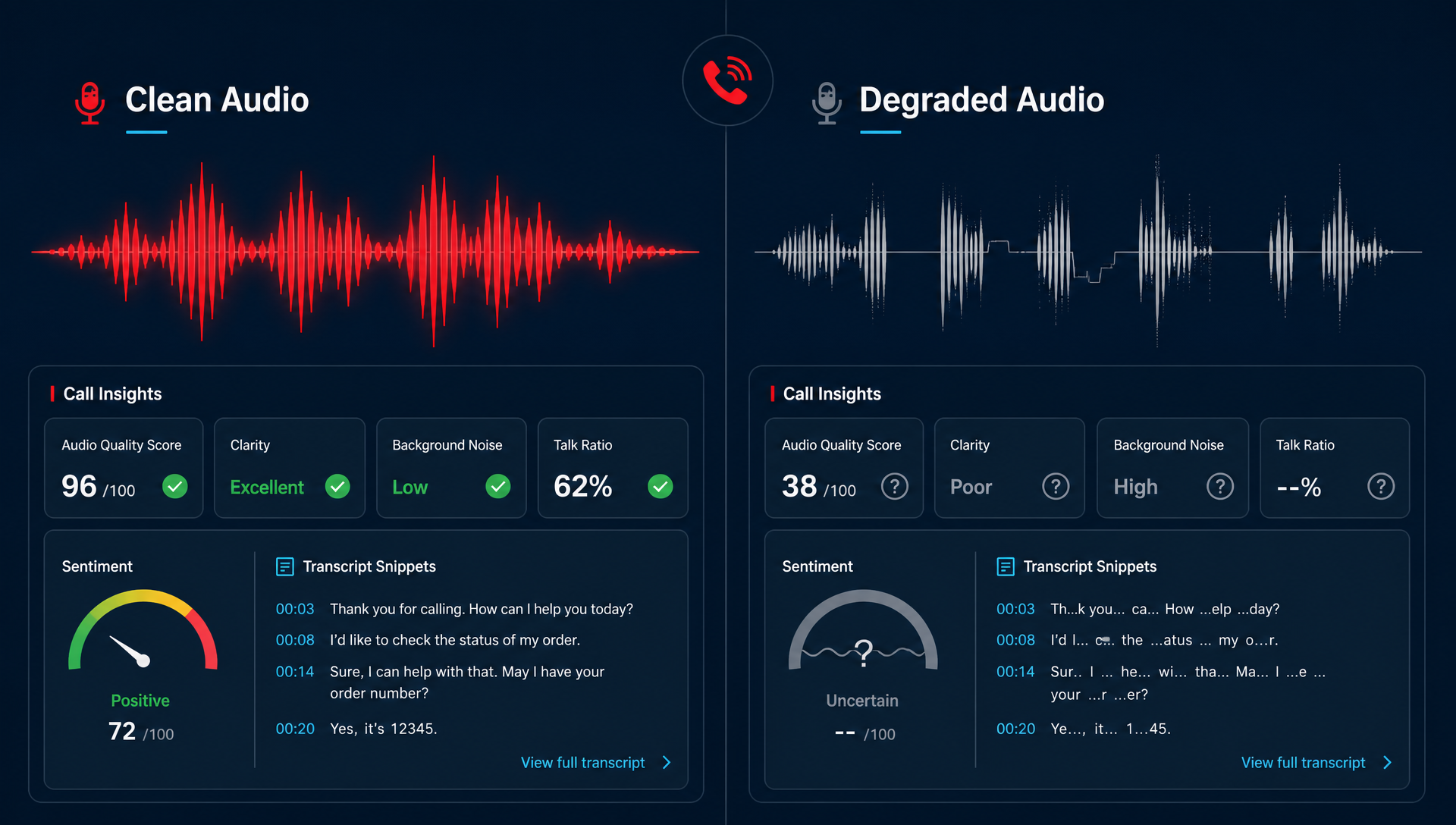
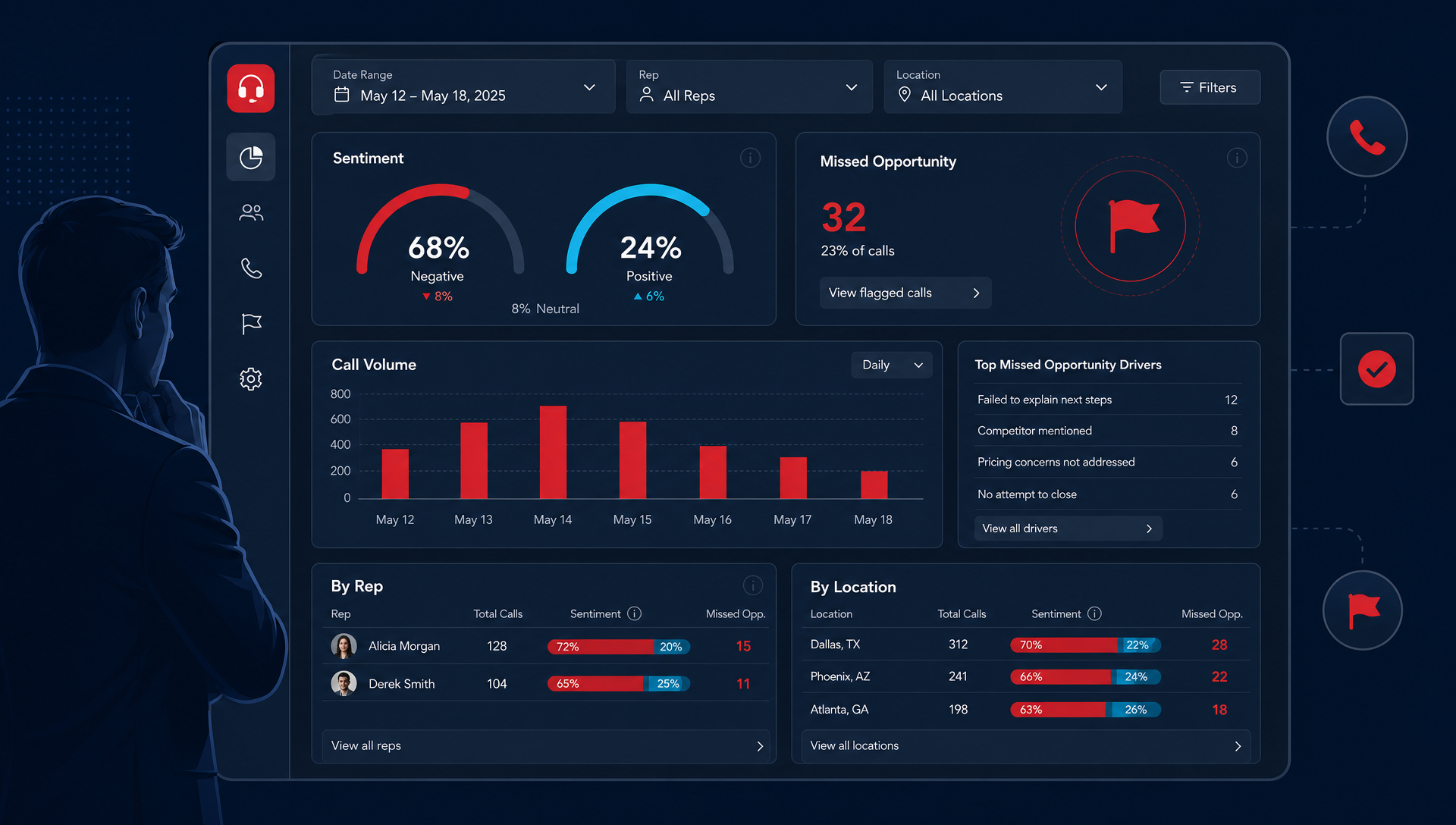
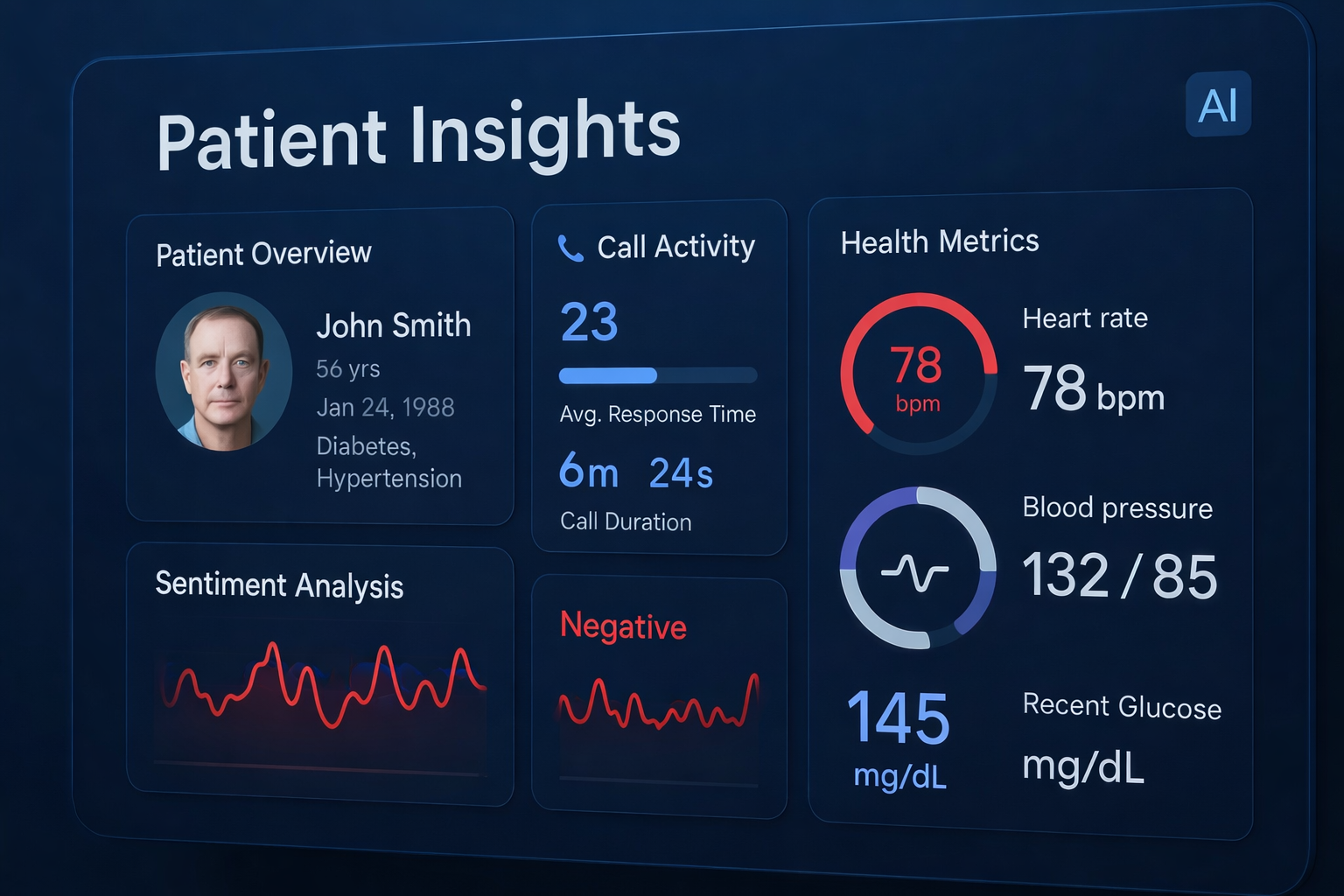
Conversational insights uses AI to listen to, transcribe, and analyze all calls automatically. Instead of forcing managers to review recordings manually, it identifies patterns, intent, sentiment, and outcomes across every conversation.
How conversational insights goes beyond transcription
Conversational insights does more than convert speech to text. It helps urgent care teams understand:
- Why patients are calling
- Whether calls result in booked appointments
- Where frustration or confusion appears
- Which conversations lead to missed opportunities
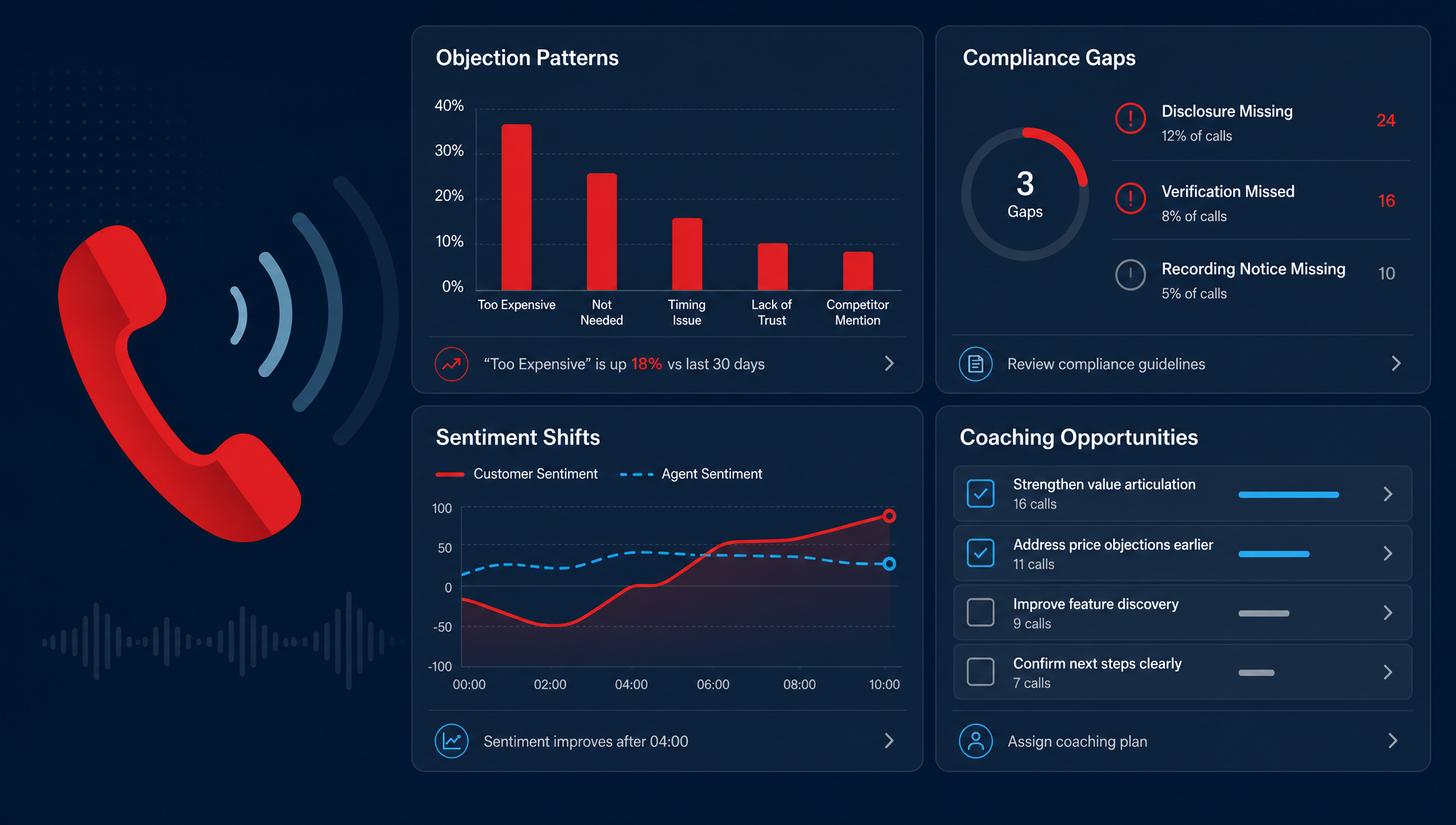
Rather than reviewing individual calls, leaders see trends, alerts, and summaries that explain what is working and what is not.
Why healthcare conversations require specialized intelligence
Urgent care calls are not generic customer service interactions. Patients call with urgency, anxiety, and time sensitivity. They ask about insurance coverage, services offered, and whether they should come in now or wait.
Healthcare-specific conversation intelligence recognizes:
- Clinical urgency versus general inquiries
- Insurance questions that block appointment booking
- After-hours calls with high abandonment risk
- Language related to compliance, grievances, and appeals
Generic analytics tools are not built for these realities. Urgent care conversations require context and understanding, not just keywords.
How Invisible Phone Conversations Create Revenue Loss in Urgent Care
When leaders cannot see what happens on calls, revenue leaks quietly every day.
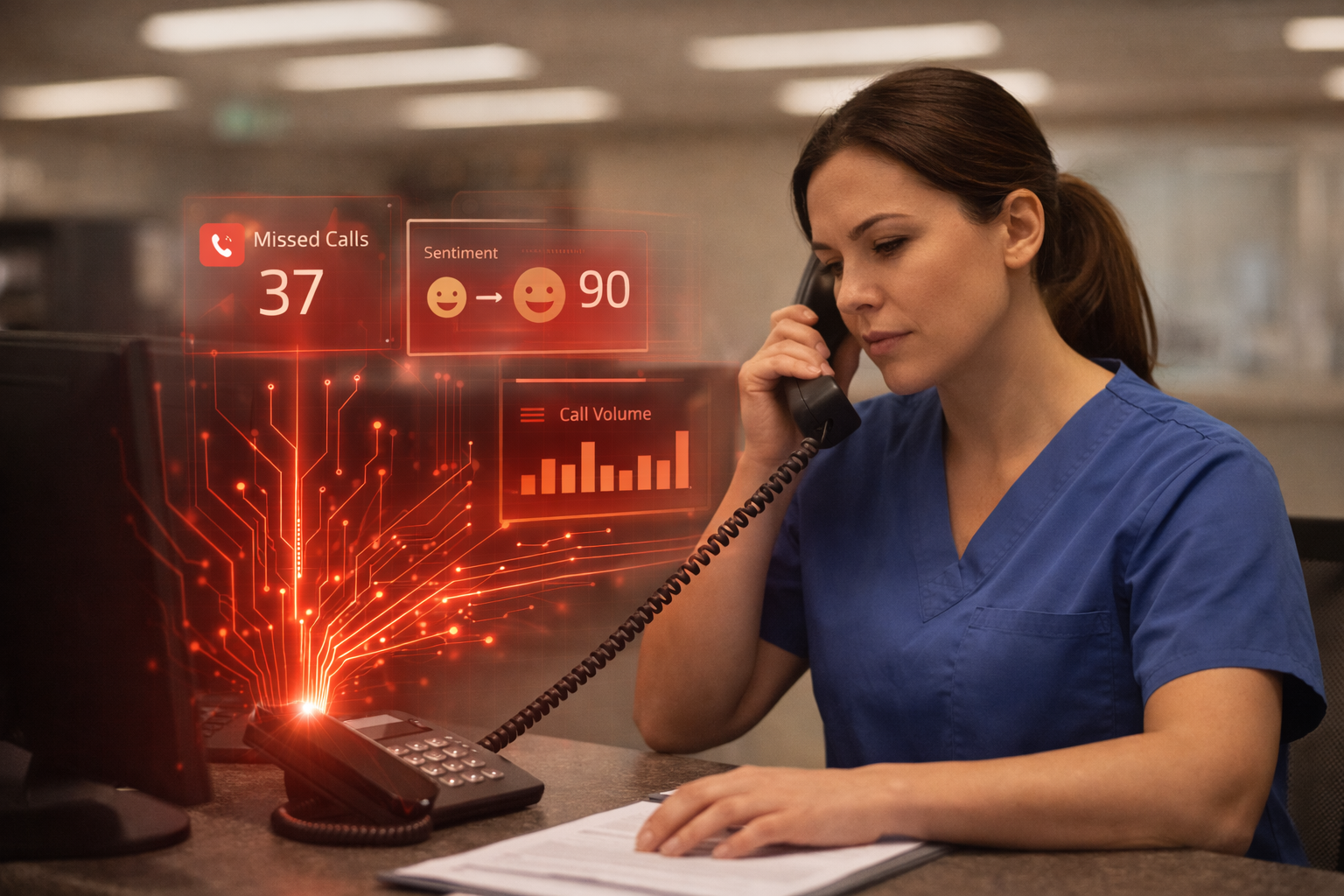
Urgent care relies on volume. Each missed call or abandoned conversation represents a patient who likely chose another provider. Industry data shows that 30 to 40 percent of callers hang up before speaking to anyone. That is not a staffing issue alone. It is a visibility issue.
The real cost of abandoned and mishandled calls
When calls go unanswered or unresolved:
- Appointments are never booked
- Patients choose competing clinics
- Front desk teams feel constant pressure
- Leadership underestimates demand
Call recordings do not reveal why abandonment happens or which calls were most valuable.
Why recordings fail to surface revenue opportunities
Recordings do not automatically show:
- Why a patient decided not to book
- Which services patients asked about but never received
- How often insurance confusion stopped conversion
- Where follow-up should have occurred
Without aggregated insight, urgent care leaders are guessing where revenue is lost instead of measuring it.
How Conversational Insights Improves Patient Experience at Scale
It helps urgent care deliver consistent, reliable phone experiences across all locations.
In crowded markets, urgent care clinics offer similar clinical services. The differentiator is often the experience. For many patients, that experience starts on the phone.
From reactive service to proactive experience management
Conversational insights act as an early warning system. It highlights:
- Repeated patient frustrations
- Long holds or multiple transfers
- Confusion around hours, services, or insurance
- Mentions of competitors
Instead of waiting for online reviews or complaints, leaders see issues while they are still fixable.
Why experience wins in urgent care markets
Patients often call multiple urgent care centers before deciding where to go. The clinic that answers quickly, provides clear guidance, and sounds organized usually wins.
Conversational insights help organizations:
- Identify breakdowns in call handling
- Improve first call resolution
- Maintain consistency across locations
- Reduce patient walkaways
Better phone experiences lead to higher trust and higher conversion.
What Urgent Care Leaders Can See With Conversation Intelligence That Recordings Hide
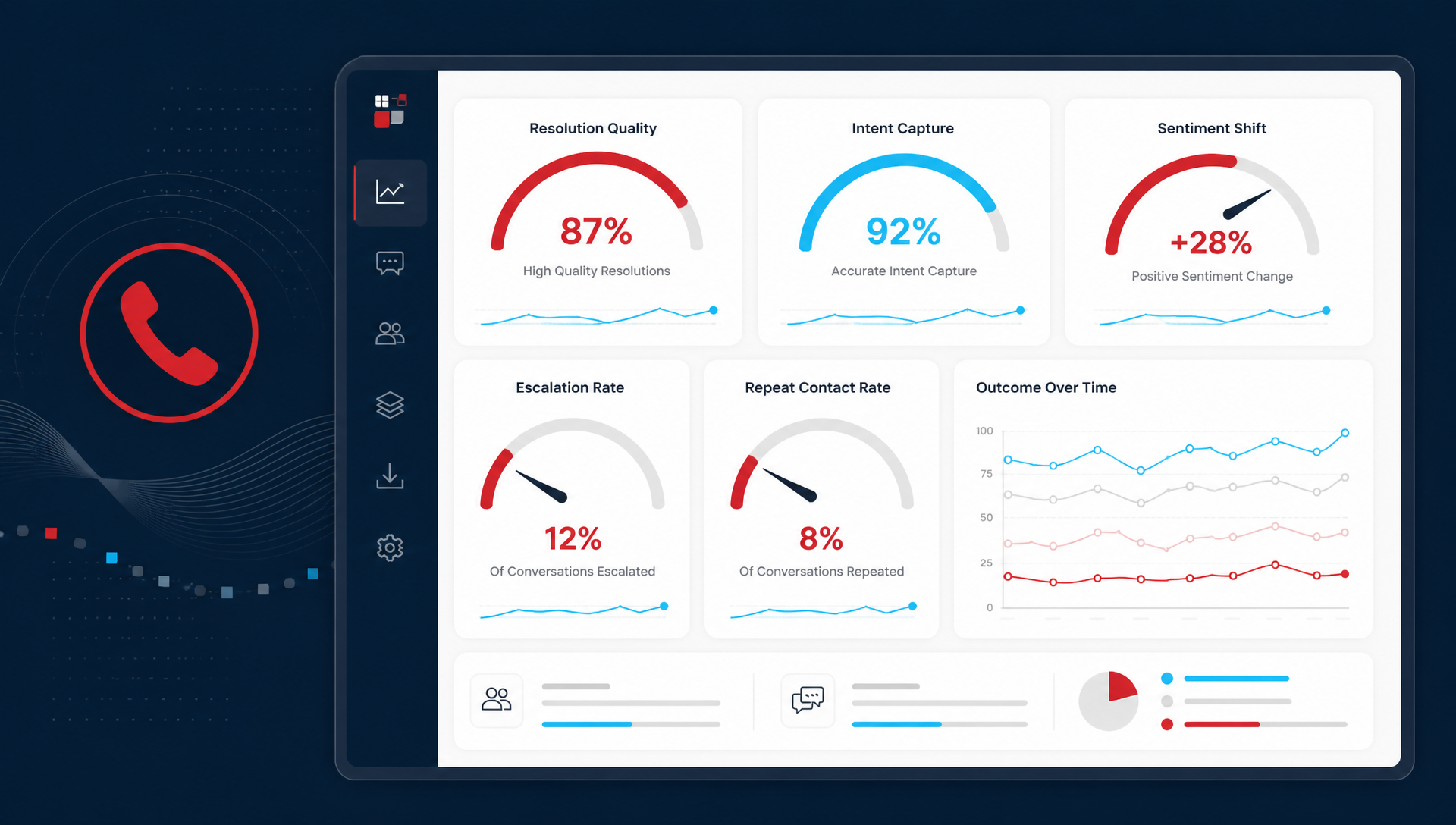
Leaders gain operational clarity instead of assumptions. Conversational insights transform phone calls into measurable performance data.
Insights recordings do not provide
With conversational insights, leaders can see:
- Top call drivers by time of day and season
- Appointment conversion rates by location or team
- Common questions driving unnecessary calls
- Talk to listen ratios that signal rushed conversations
- Missed follow-ups that impact patient satisfaction
These insights are impossible to extract by listening to random recordings.
How visibility improves staffing and workflows
When leaders understand call patterns, they can:
- Staff based on real demand, not guesswork
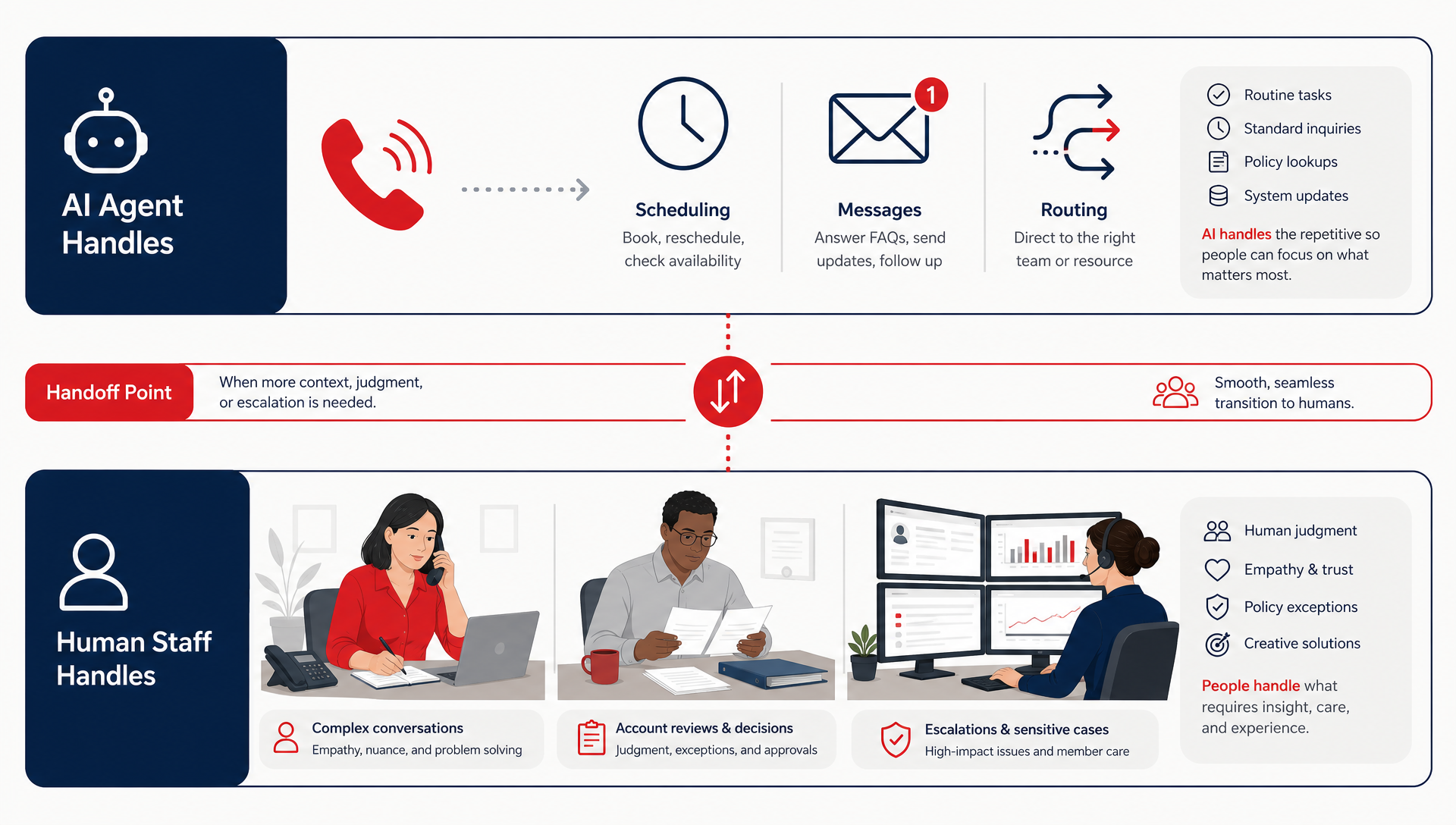
- Reduce burnout by automating repetitive calls
- Improve training using real performance trends
- Align front desk workflows with patient needs
Visibility replaces reaction with planning.
How Conversational Insights Support Compliance Without Adding Work
Compliance becomes automatic instead of manual. Healthcare communication carries regulatory responsibility. Recording calls helps, but it does not ensure quality or consistency.
Compliance beyond storing audio
Conversational insights helps ensure:
- Required disclosures are consistently delivered
- Quality issues are flagged automatically
- Appeals and grievances are documented accurately
- Leadership can prove adherence without audits
Why automation matters for lean teams
Urgent care teams are already stretched. Conversation intelligence does not require manual tagging or review. It works in the background, reducing administrative burden while improving oversight.
When Should an Urgent Care Move Beyond Call Recording?
If your organization is growing or struggling with call volume, recordings alone are already limiting you.
Signs you have outgrown basic call recording
You may need conversation intelligence if:
- You operate multiple locations
- Call volume spikes seasonally or after hours
- Leadership lacks confidence in phone performance
- Staff report constant phone interruptions
- Revenue and experience metrics do not align
At this stage, recordings protect you, but they do not help you improve.
Seeing the Difference Between Data and Insight
Call recordings are a starting point, not a solution. They capture conversations but leave leaders guessing about performance, revenue, and patient experience.
Every urgent care call contains intent, emotion, and opportunity. Without intelligence, that value stays hidden.
Urgent care leaders should evaluate whether their phone data explains why outcomes occur and not just that they occurred.
Conversation intelligence transforms phone operations from invisible cost centers into measurable drivers of patient experience, operational efficiency, and sustainable growth.
Will Maddox is the Digital Marketing Coordinator at TeleCloud, overseeing content, brand, and outbound strategy for the company. He writes about cloud communications, AI tools for business, and what SMBs and urgent care operators need to know to run better phone systems. Connect with Will on LinkedIn or email him directly to learn more.
Topics: