
The Crawl–Walk–Run Guide to Implementing AI Receptionists
January 13th, 2026
4 min read
Many businesses know that AI can help with call handling, scheduling, and customer service. But when it comes to actually putting it into practice, most leaders hesitate. The biggest concern isn’t whether AI can work; it’s how to start.
Implementing AI doesn’t have to be complicated or disruptive. The key is to start small, learn what works, and grow from there. That’s what we call the Crawl–Walk–Run approach.
This guide will show you how to introduce AI receptionists in your business step by step. You’ll see how to start simply, build confidence, and expand at your own pace, without losing the personal touch your customers value.
What the Crawl–Walk–Run Approach Means for AI Receptionists
The Crawl–Walk–Run approach helps businesses roll out new technology gradually. It’s based on a simple principle: take one step at a time and measure success before moving to the next.
Here’s how it applies to AI receptionists:
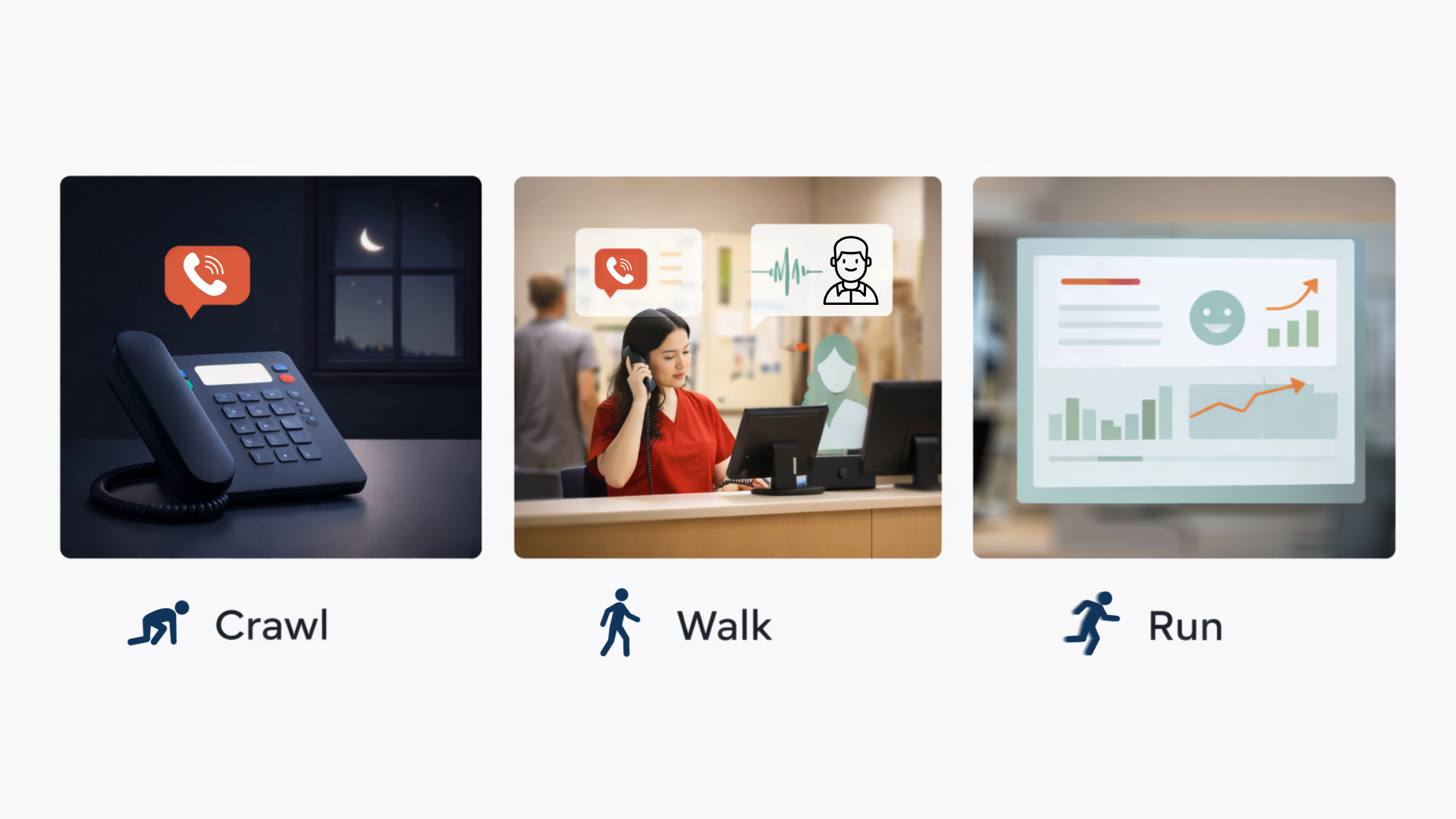
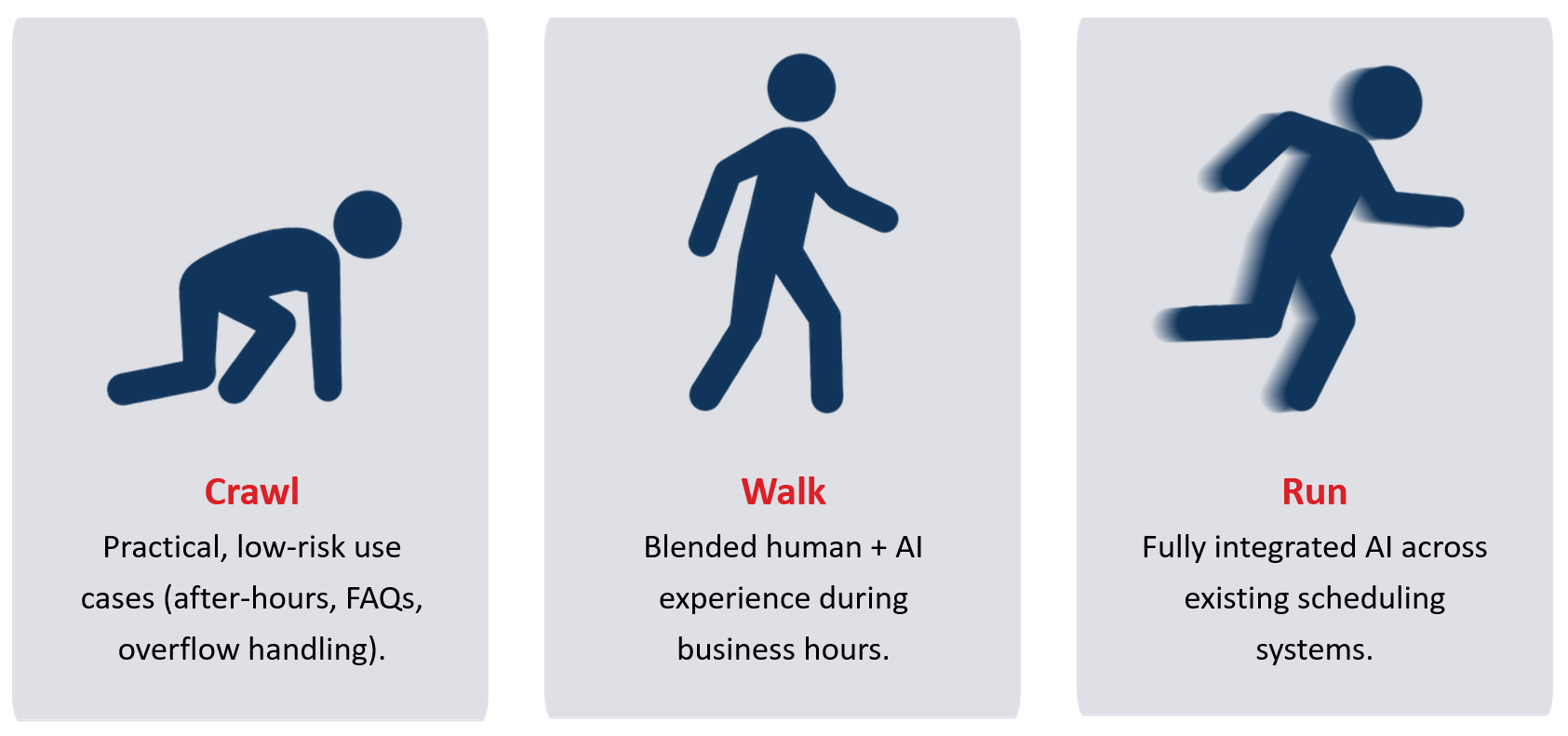
- Crawl: Start small by automating basic after-hours calls.
- Walk: Add more functionality, like handling routine daytime questions.
- Run: Fully integrate AI into your system for 24/7, personalized service.
This approach minimizes risk and helps your team get comfortable with new technology before scaling it up.
Step One (Crawl): Start with Simple After-Hours Support
The easiest place to start is where AI can make an immediate impact: after-hours calls.
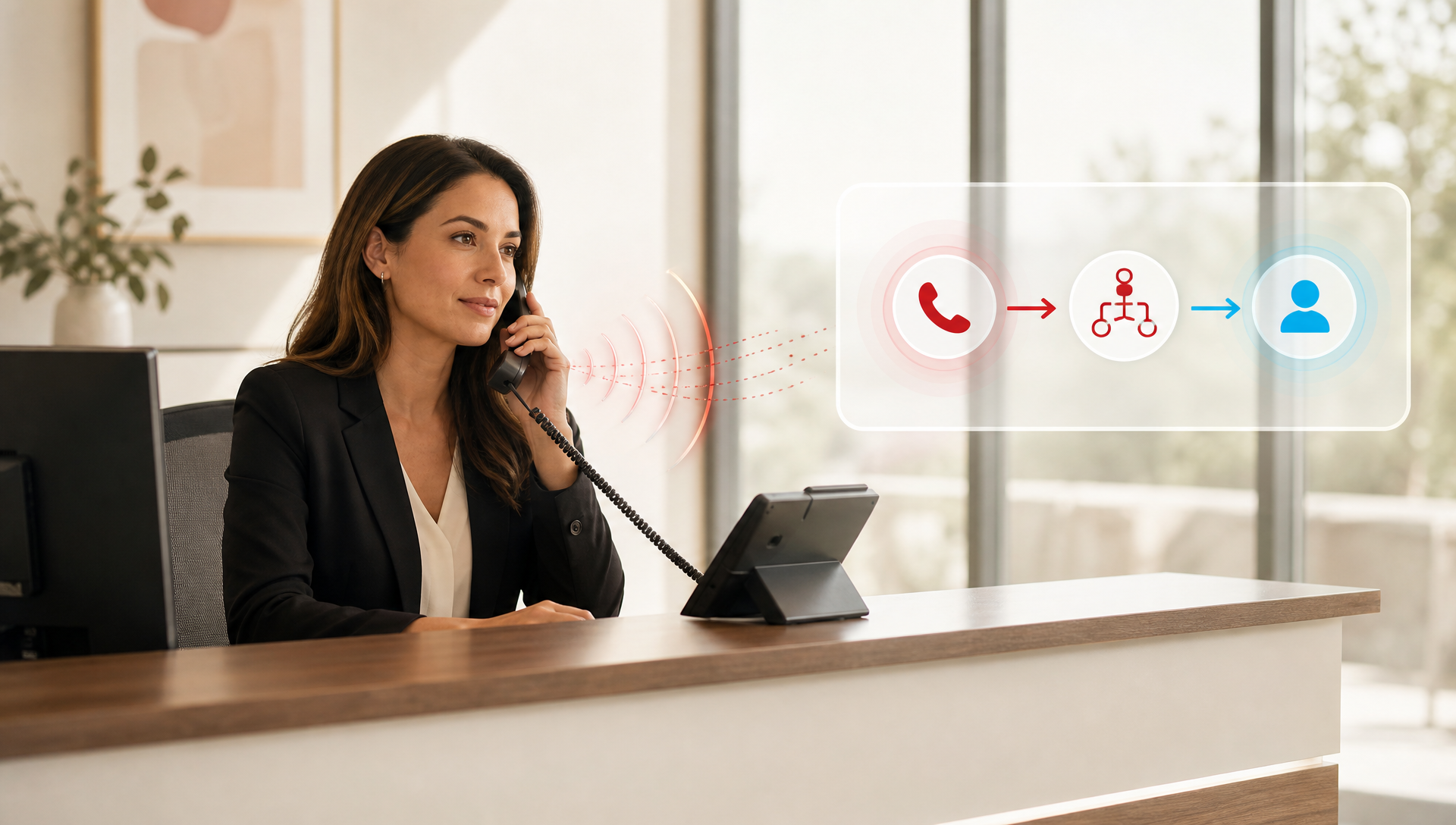
When your business is closed, customers still reach out. Instead of sending them to voicemail, you can use an AI receptionist to answer calls, take messages, and share basic information like business hours or directions.
What to do:
- Replace your after-hours voicemail with an AI receptionist.
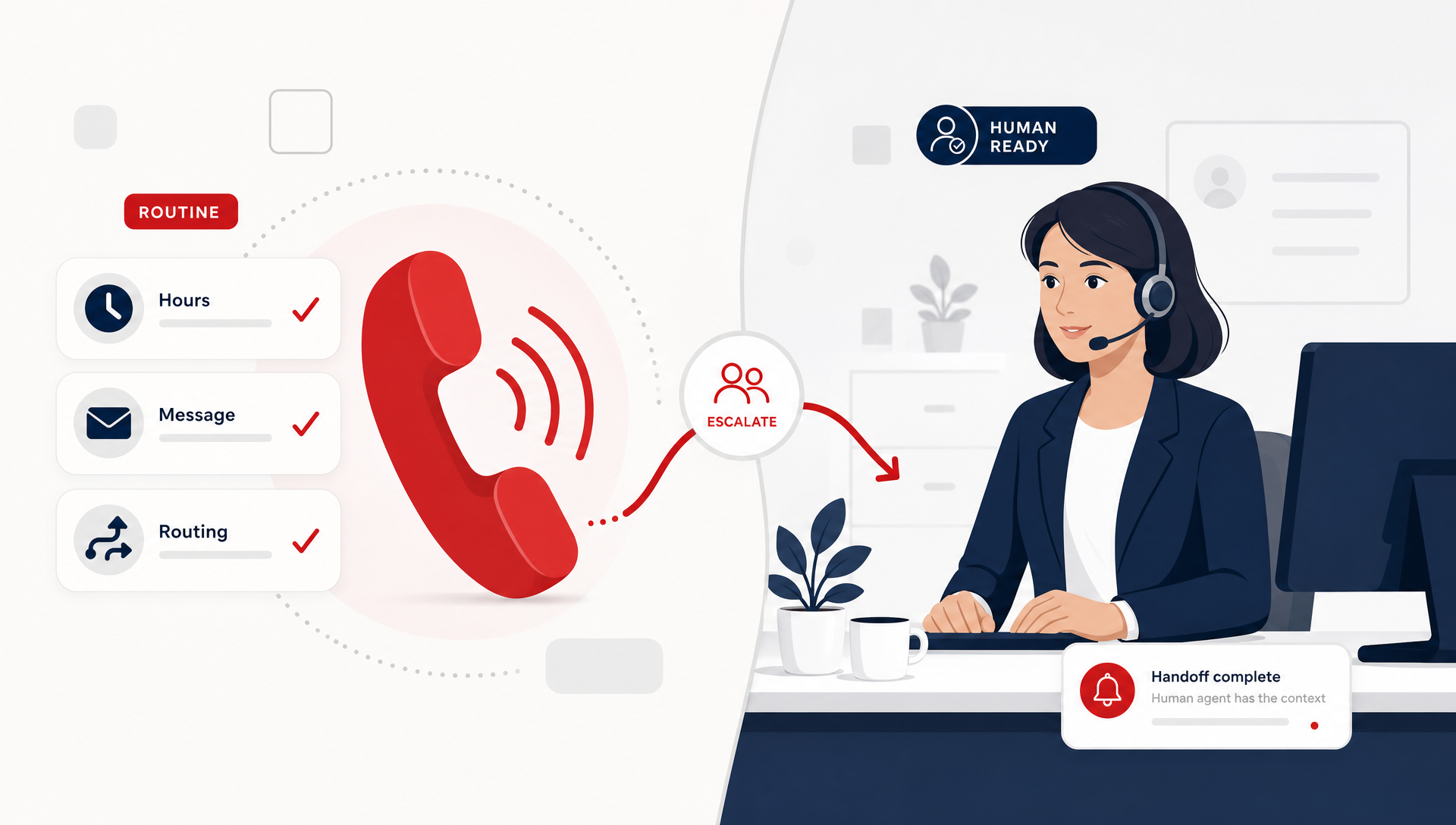
- Teach it to answer simple questions and route urgent calls if needed.
- Review the call transcripts each morning to ensure accuracy.
Benefits:
- No more missed opportunities after hours.
- Customers feel heard, even when you’re not open.
- Your staff returns to a clean, organized summary of overnight activity.
Example: A small HVAC company uses an AI receptionist to manage evening calls. It gathers customer details, forwards urgent repair requests to the on-call technician, and records non-urgent calls for the morning team. The result? No missed emergencies and happier customers.
Many businesses stay in this “crawl” stage long-term, and that’s perfectly fine. Even small improvements can have a big impact on responsiveness and customer satisfaction.
Step Two (Walk): Add Smart Call Handling During Business Hours
Once you’ve seen success after hours, it’s time to bring AI into your daytime workflow. This stage helps your team offload repetitive tasks while improving response times.
What to do:
- Use AI to answer overflow calls during busy hours or lunch breaks.
- Set it up to handle routine questions about appointments, billing, or services.
- Integrate it with your CRM or scheduling tools so information flows smoothly between systems.
Benefits:
- Shorter wait times and fewer missed calls.
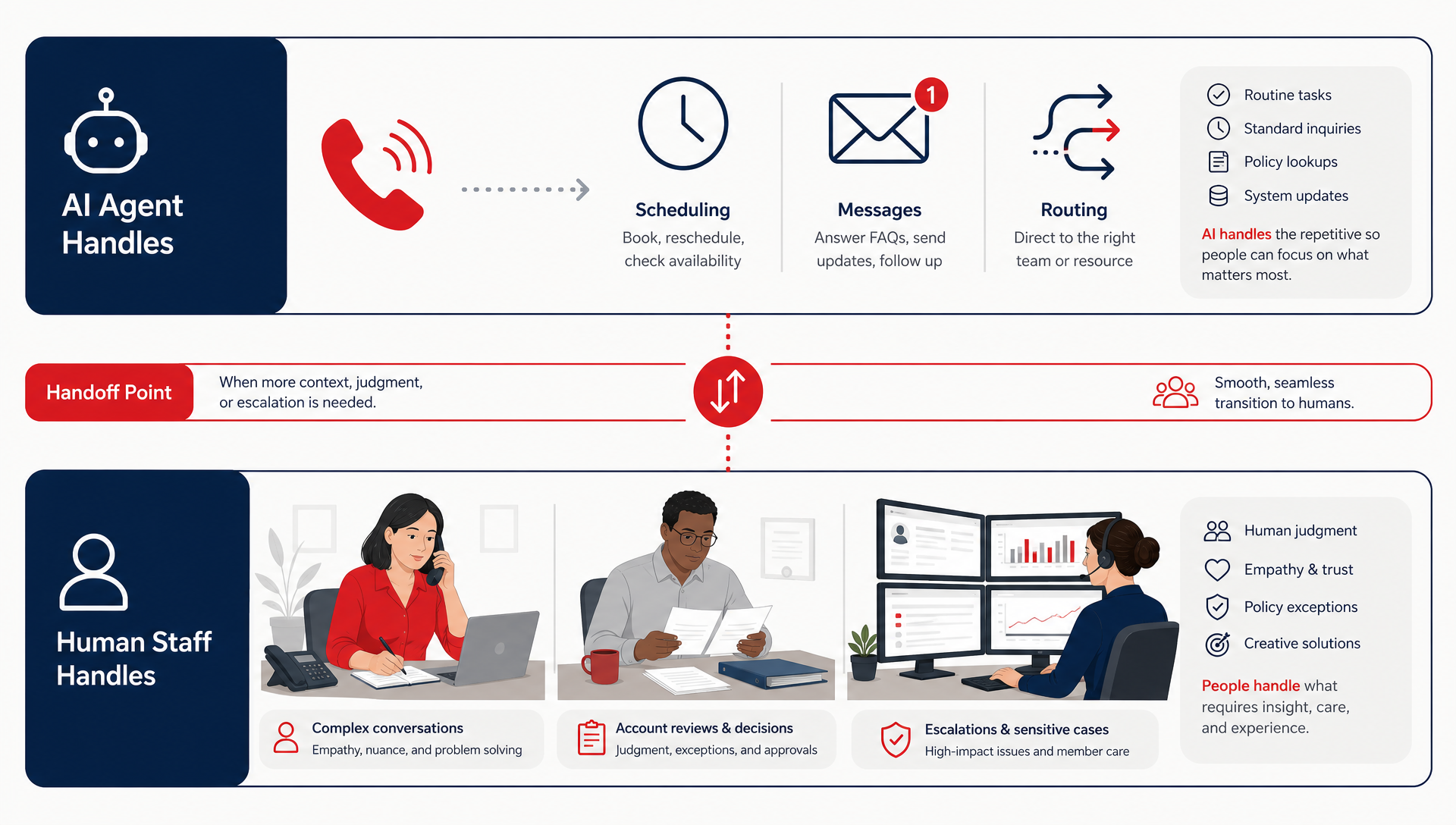
- Staff can focus on complex or high-value conversations.
- Consistent, professional responses for every caller.
Example: A dental office uses an AI receptionist to confirm appointments and handle insurance questions. The AI responds instantly, freeing up the front desk staff to spend more time helping patients in person.
The “walk” stage is about finding balance, letting AI take over the simple calls while your employees focus on the moments that require human judgment and care.
Step Three (Run): Integrate and Optimize Your AI Receptionist
In the final stage, AI becomes a full part of your communication strategy. The goal isn’t to automate everything; it’s to make your system smarter, faster, and more connected.
What to do:
- Customize your AI receptionist’s tone and responses to reflect your brand’s personality.
- Set up routing logic to send specific types of calls to the right person automatically.
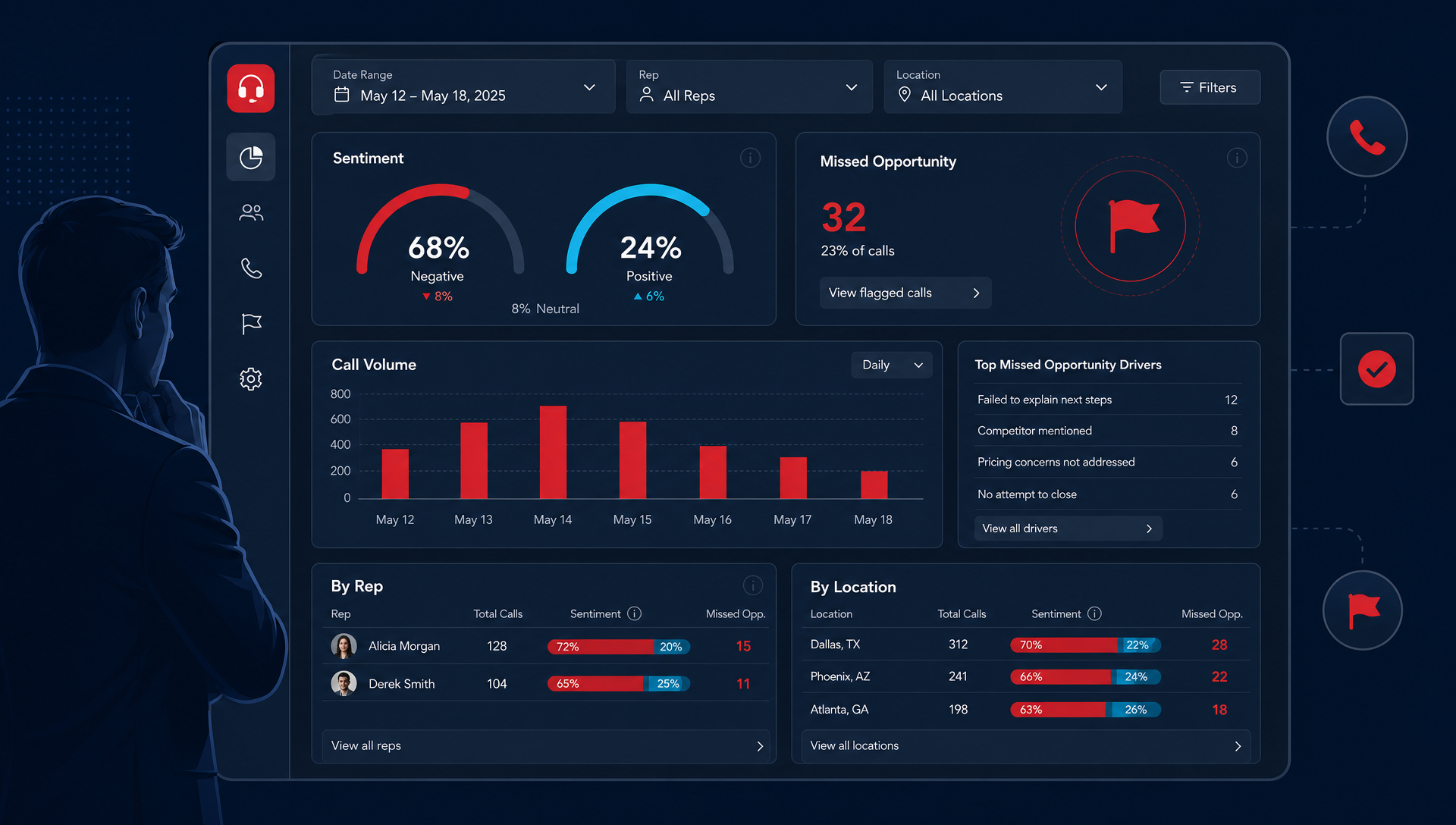
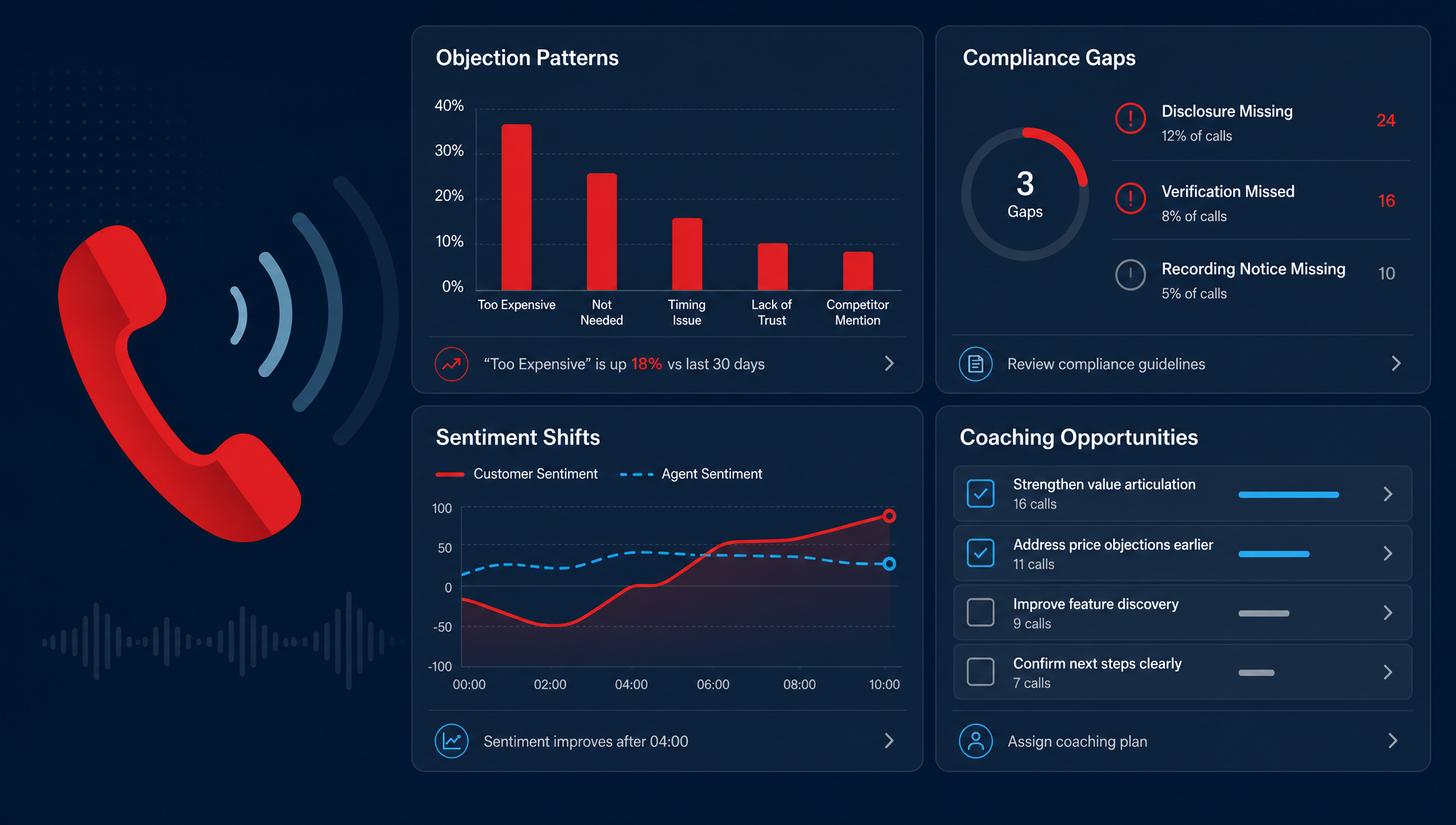
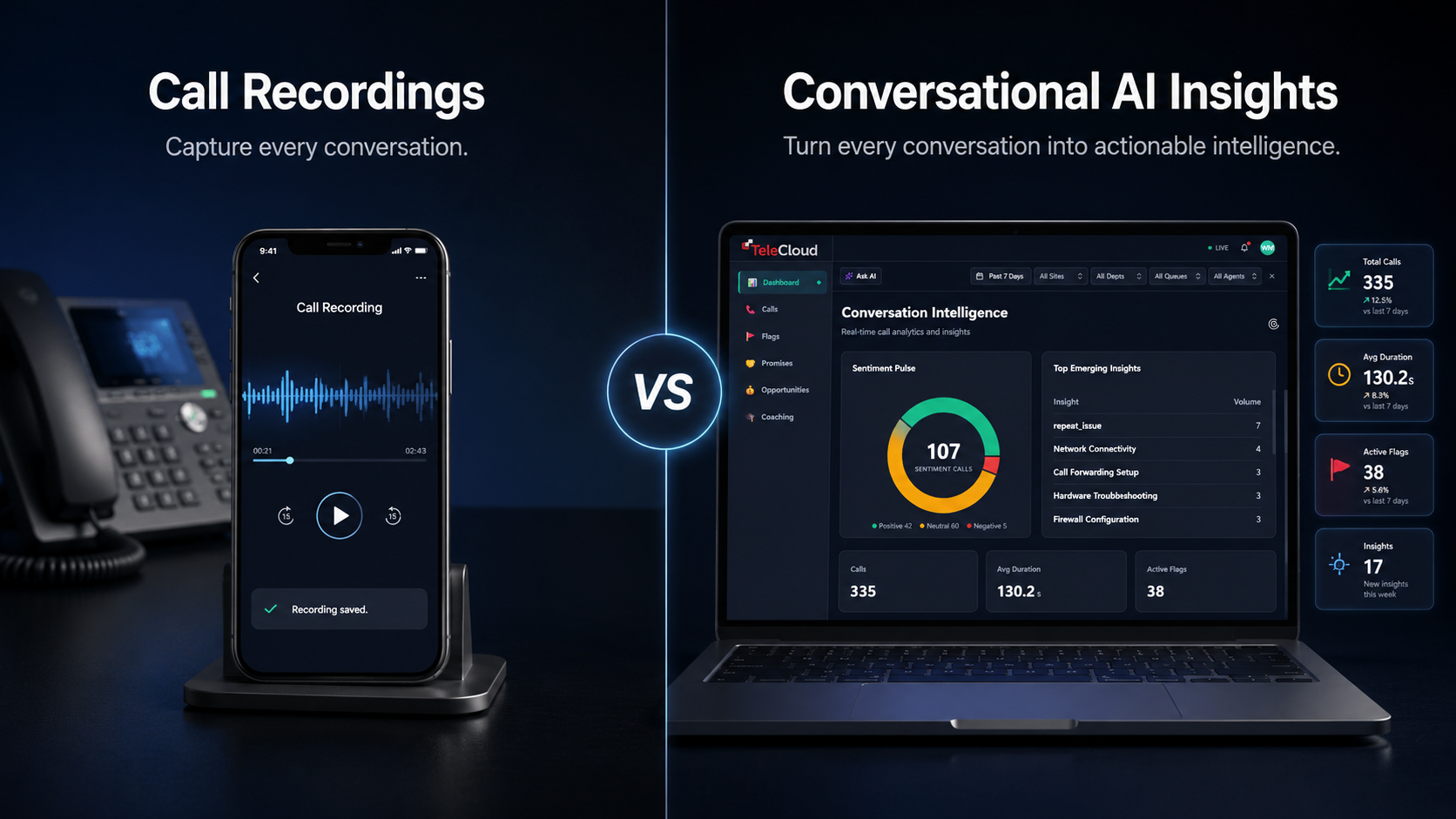
- Use data from call analytics to understand patterns, customer behavior, and opportunities for improvement.
Benefits:
- Consistent 24/7 coverage with personalized experiences.
- Insight into what your customers call about most.
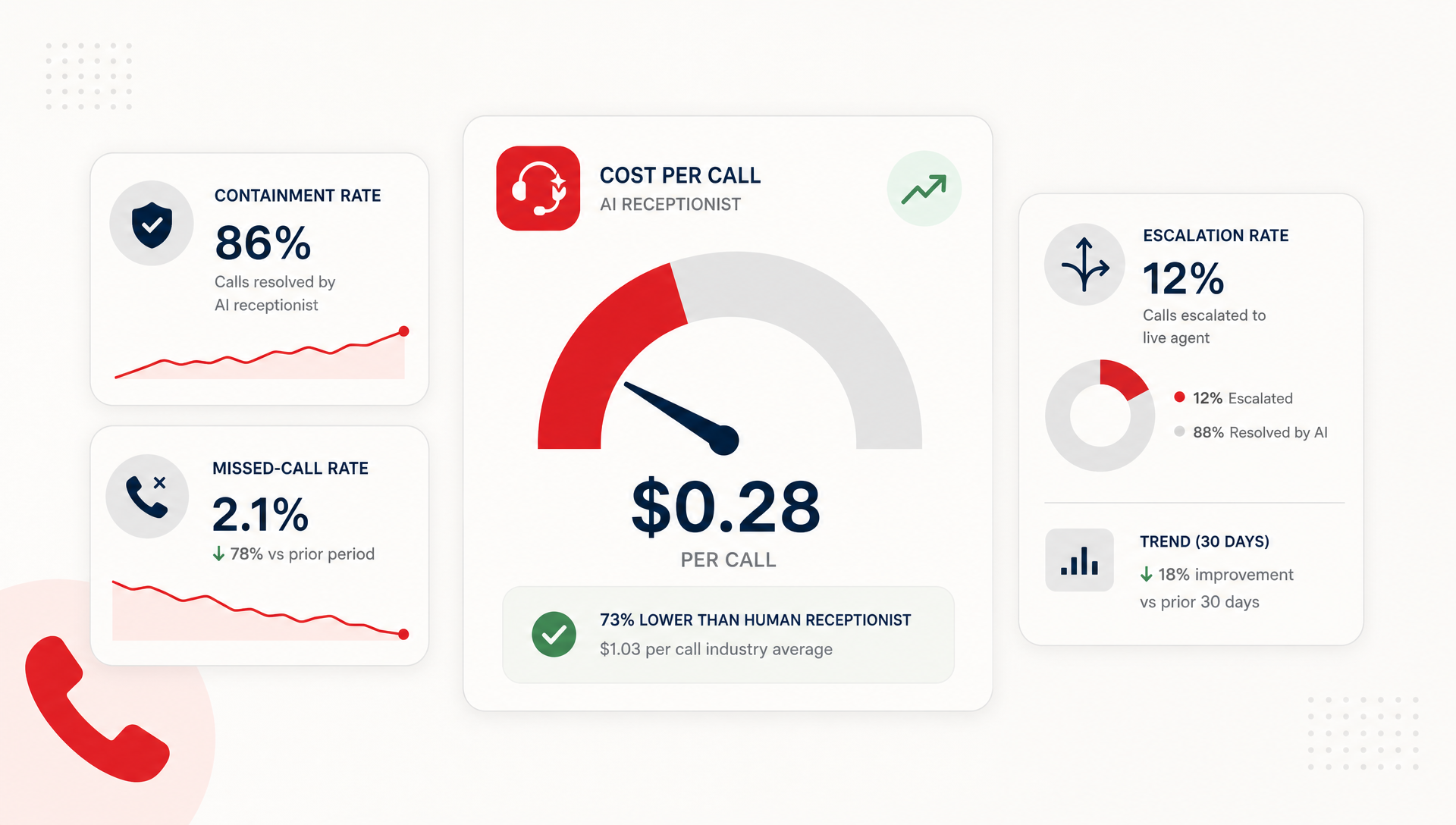
- Reduced costs from fewer missed calls and better call management.
Example: A regional service company uses AI across multiple offices to track customer needs and route calls directly to the best department. Managers can see which calls were handled automatically and which required human follow-up, allowing them to continually refine the process.
Even at this stage, AI doesn’t replace your team. It acts as an extension of it, ensuring that every customer gets timely, accurate, and professional service.
Common Roadblocks and How to Overcome Them
Every new technology comes with a learning curve. Here’s how to address the most common challenges businesses face when adopting AI receptionists:
“It feels too technical.”
Most modern AI receptionists are easy to set up. Your provider can handle configuration and training, so your focus stays on customer experience, not technical details.
“I don’t want to lose the personal touch.”
AI receptionists can use customized greetings, remember caller preferences, and transfer to live staff whenever needed. They enhance your service, not replace it.
“Our systems aren’t ready.”
You don’t need to rebuild your phone system. AI can work with your existing setup and scale over time as your needs grow.
By addressing these concerns early, you’ll make implementation smoother and easier for your team.
How to Measure Progress at Each Stage
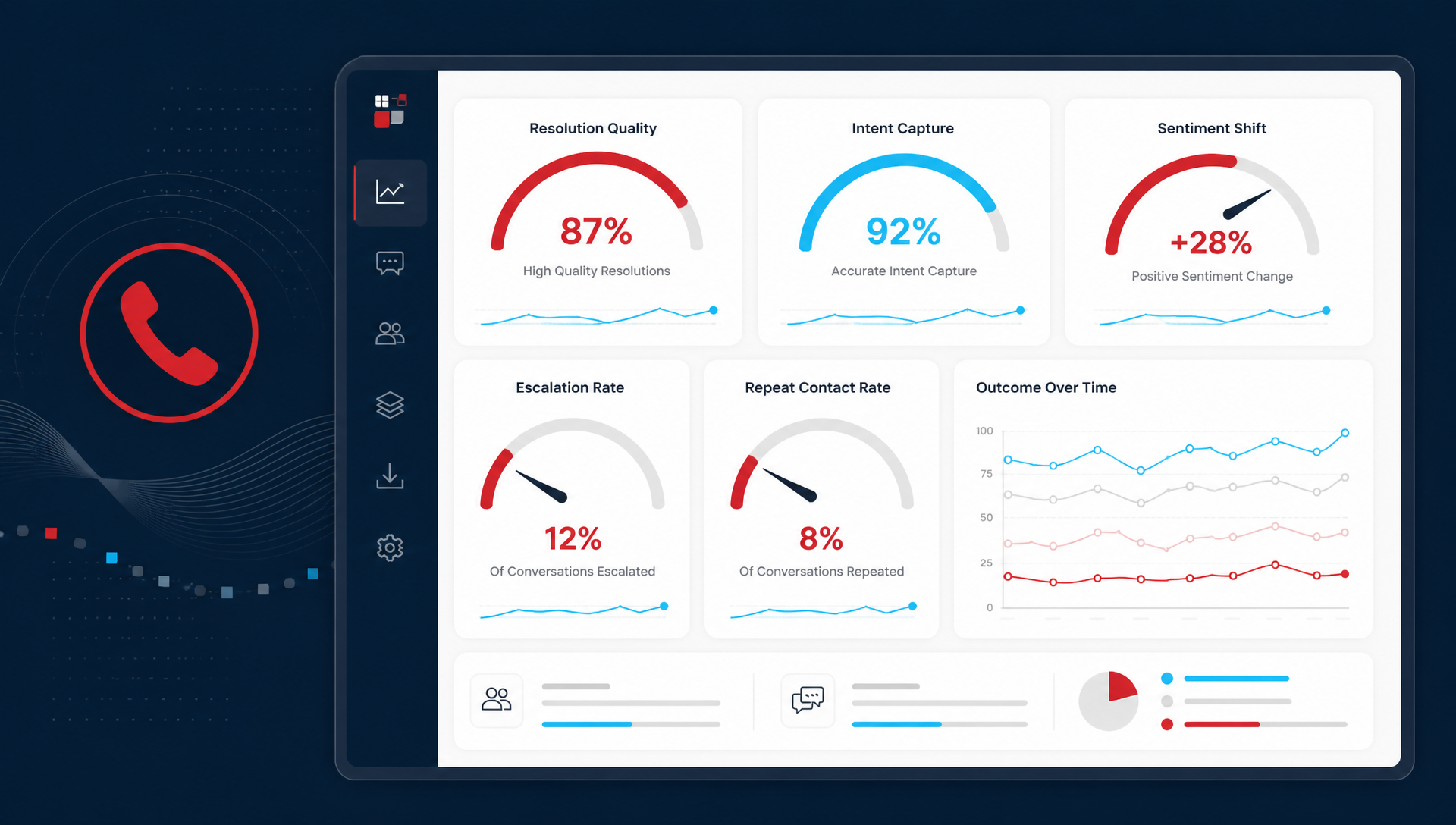
The Crawl–Walk–Run approach works best when you measure what’s improving at each step.
During Crawl:
- Track the number of after-hours calls answered vs. missed.
- Review call logs for quality and tone.
During Walk:
- Measure how many daytime calls are handled automatically.
- Gather feedback from staff about workload changes.
During Run:
- Review call analytics for insights into customer behavior.
- Compare response times and customer satisfaction before and after AI adoption.
These small checkpoints help ensure that your investment is working and that you’re building toward a system that truly supports both customers and employees.
Tips for a Smooth Implementation
- Start with one problem area and fix that first.
- Get your team involved early and explain how AI will help them.
- Keep your AI greetings friendly and consistent with your brand voice.
- Review performance regularly and adjust scripts as needed.
- Partner with a provider who offers ongoing support and training.
A gradual, thoughtful rollout is always better than a fast one. AI should fit your business, not force your business to change.
Build Confidence, Not Complexity
AI receptionists are designed to make life easier, not more complicated. By following the Crawl–Walk–Run approach, you can bring AI into your business one step at a time, at your own pace and on your own terms.
Start small. Let AI handle your after-hours calls or repetitive tasks. Once you see the impact, expand naturally. The goal isn’t to automate every interaction; it’s to create better ones.
When your customers can reach you anytime, and your staff can focus on higher-value work, everyone wins.
If you’re ready to explore how AI receptionists can fit your business, talk with a TeleCloud expert. We’ll help you design a plan that starts simple, grows sustainably, and delivers real results.
Vincent Finaldi is Vice President at TeleCloud, where he's worked in the telecom and voice industry since graduating from Fairfield University in 2006. He works closely with clients and partners to help businesses adopt better technology and communicate more effectively. Read Vincent's full bio, email him, or call 908-378-1218 to learn more.
Topics: