
How Top Urgent Care Centers Handle High Call Volume Without Burnout
March 17th, 2026
5 min read
By Will Maddox

Top urgent care centers manage high call volume by combining smarter call workflows, automation for repetitive questions, and better visibility into patient conversations so staff can focus on care instead of constant phone interruptions.
If you have spent time in an urgent care front office, you know the situation well. Phones ringing throughout the day. Patients waiting to check in. Staff trying to verify insurance while answering questions like “Can I come in today?”
The challenge is not just the number of calls. It is that many urgent care phone systems were never designed for the volume clinics experience today.
Leading urgent care operators approach the issue differently. They treat phone management as an operational system rather than a task assigned to the front desk.
In this article, we will explore why urgent care call volume is so high, what happens when it is not managed well, and how top centers handle phones in a way that supports staff, patients, and clinic performance.
Why Do Urgent Care Centers Experience Such High Call Volume?
Urgent care centers receive high call volumes because patients rely on phone conversations when making time sensitive decisions about care.
Many patients call before visiting to ask a quick question or confirm they should come in.
The Most Common Calls Urgent Care Centers Receive
Most calls fall into a small number of categories:
- Can I come in today?
- What are your hours?
- Do you accept my insurance?
- How long is the wait?
- Where is your closest location?
These questions happen repeatedly throughout the day.
Why Phones Overwhelm Front Desk Teams
Front desk teams are not only answering calls. They are also:
- checking in patients
- verifying insurance
- assisting providers
- coordinating paperwork
When phones ring continuously, staff must split their attention between patients in front of them and callers on the line. Over time, this slows operations and increases stress.
What Happens When Call Volume Is Not Managed Properly?
When urgent care call volume is unmanaged, the effects extend beyond the front desk.
Missed Calls Mean Missed Visits
Patients calling urgent care are often deciding where to go for care in that moment. If the call goes unanswered, they frequently call another clinic.
Missed calls often translate directly into missed visits.
Staff Burnout and Turnover
Constant interruptions create pressure for front desk teams. Staff must juggle patient check ins, paperwork, and incoming calls all at the same time.
Over long shifts this leads to fatigue and burnout.
Poor Patient Experience
Patients expect quick answers. Long hold times or unanswered calls can create frustration before the patient even arrives.
In many cases, the clinic that answers the phone first wins the visit.
How Do Top Urgent Care Centers Handle High Call Volume?
High performing urgent care centers recognize that phones need structured workflows, not just more staff.
They redesign how calls are handled so routine questions are answered quickly while staff focus on more important patient interactions.
One common approach is separating routine calls from complex conversations.
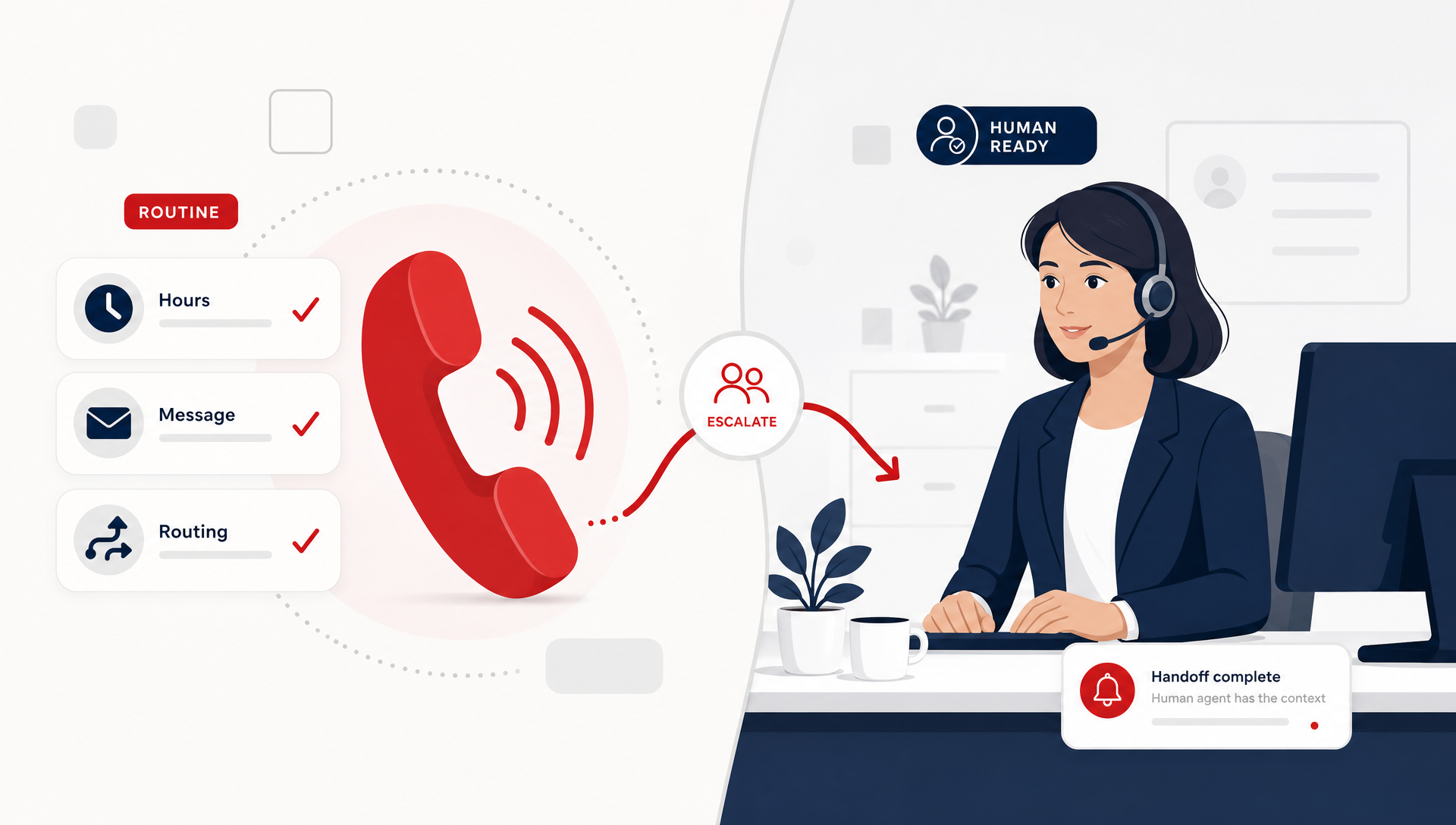
Routine questions such as hours, directions, and insurance coverage can often be answered automatically or through structured call routing. This often reduces up to 40% of interruptions for front desk teams.
At the same time, clinics ensure every call is answered. Patients calling urgent care are often looking for immediate help, so responding quickly improves access to care.
When phone workflows are designed intentionally, the results go beyond reducing call pressure. Clinics often see improvements in key outcomes such as:
- more patient visits
- stronger patient loyalty
- lower administrative burden
- better patient experiences
- faster collections through clearer communication
The phone system becomes part of the patient access strategy rather than a daily bottleneck.
How AI Receptionists Help Urgent Care Centers Reduce Call Overload
AI receptionists are becoming an important tool for managing urgent care phone traffic.
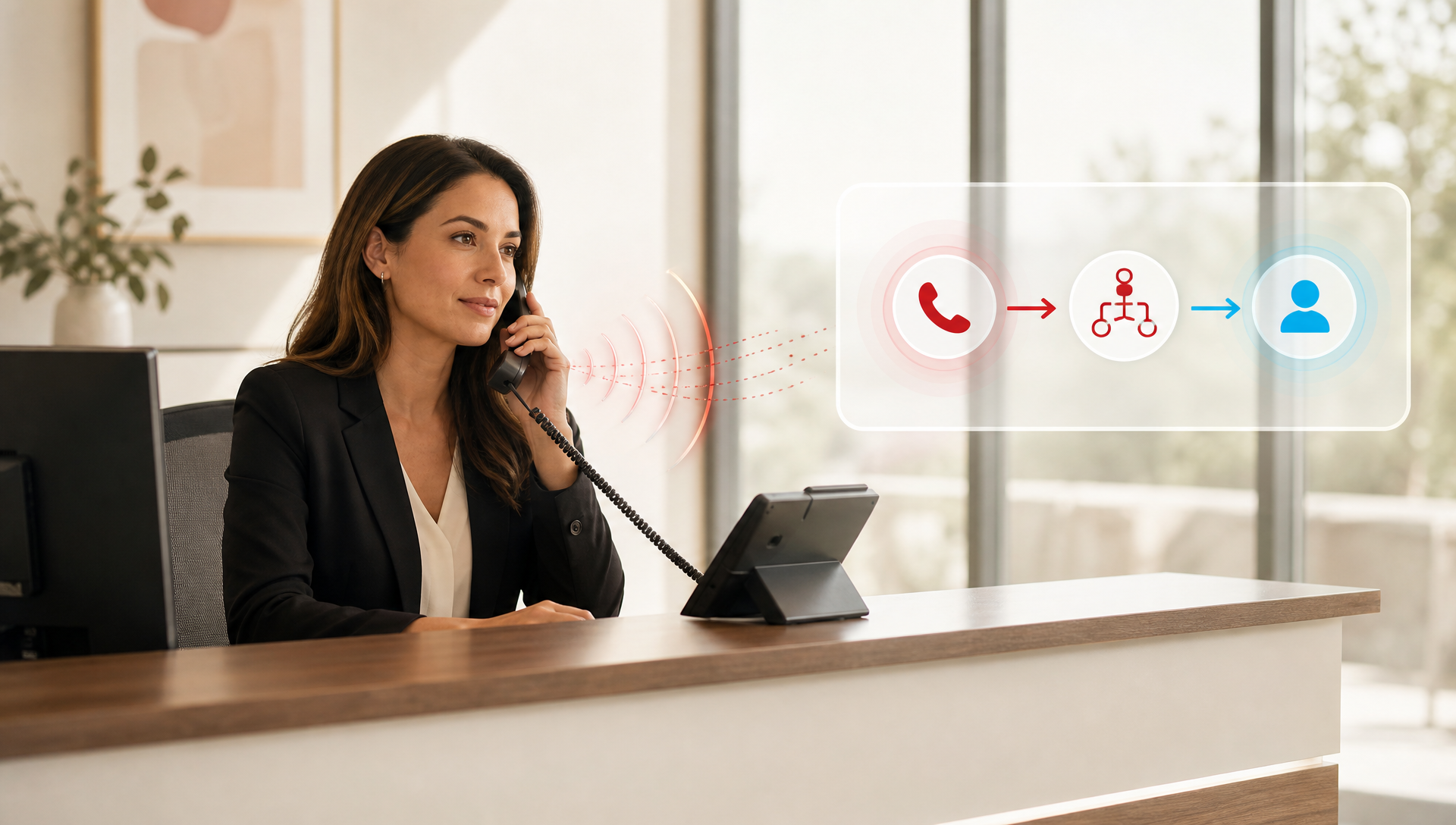
These systems act as virtual assistants that answer calls instantly and guide patients to the information they need.
What AI Receptionists Can Handle
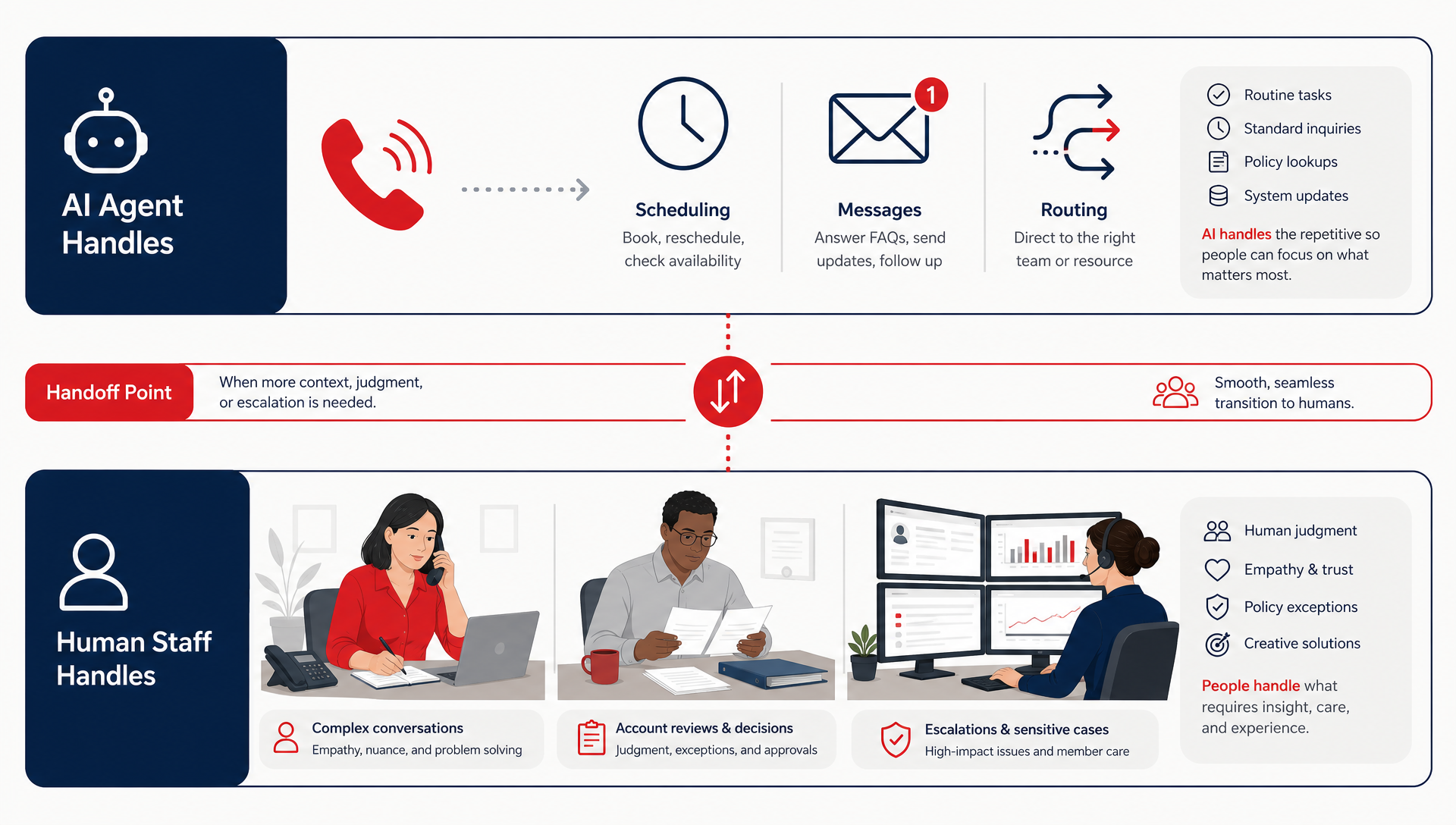
AI receptionists can often:
- answer inbound calls
- provide clinic hours and location information
- respond to common questions
- route calls to the correct department
- assist with appointment scheduling when connected to scheduling systems
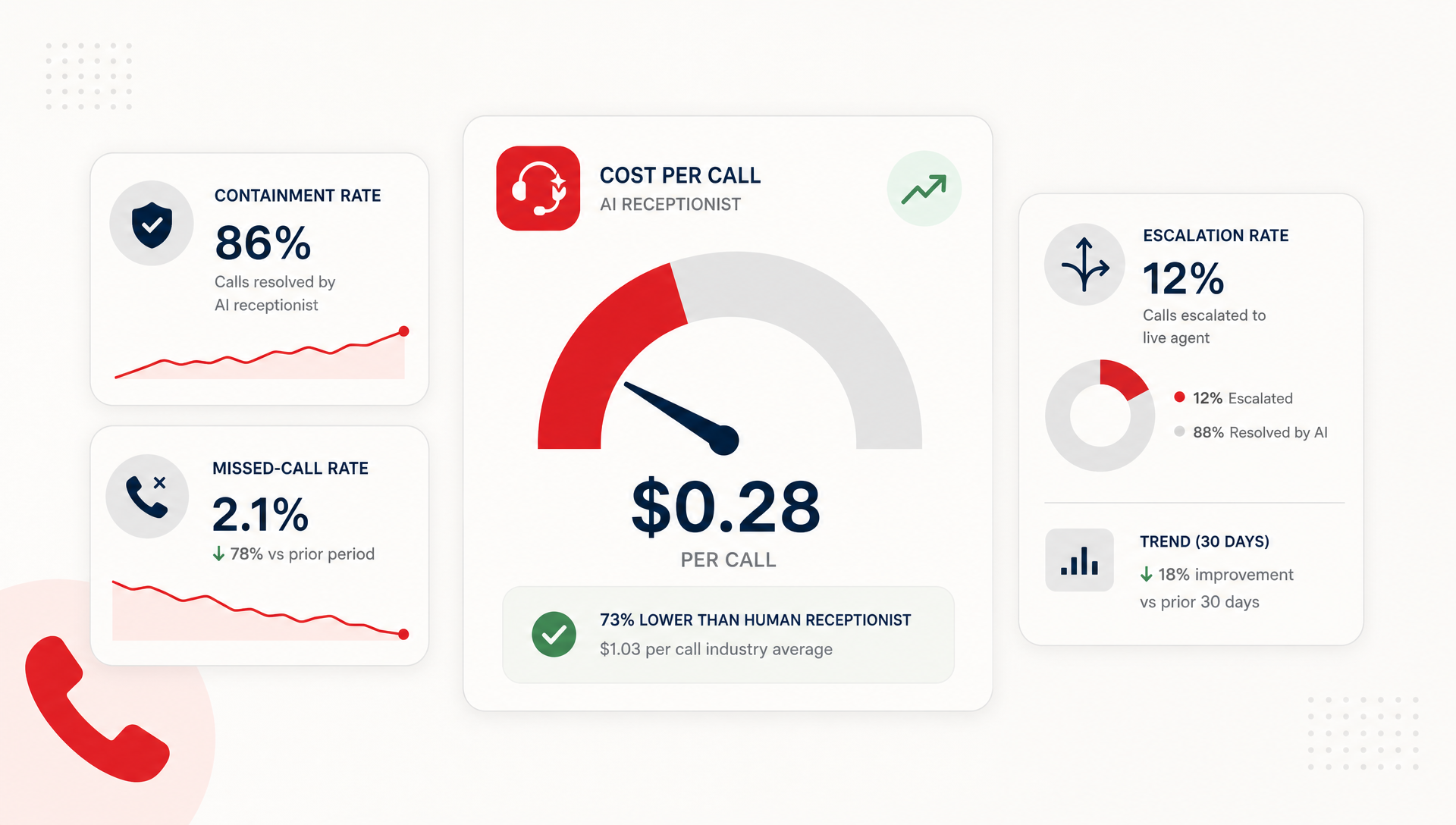
By handling repetitive conversations, AI receptionists reduce pressure on front desk staff.
Why AI Works Well in Urgent Care
Urgent care calls are typically short and focused on immediate needs.
When AI handles predictable questions, staff can focus on patients who require direct attention. This improves both efficiency and the overall patient experience.
Why Visibility Into Calls Is the Missing Piece for Many Clinics
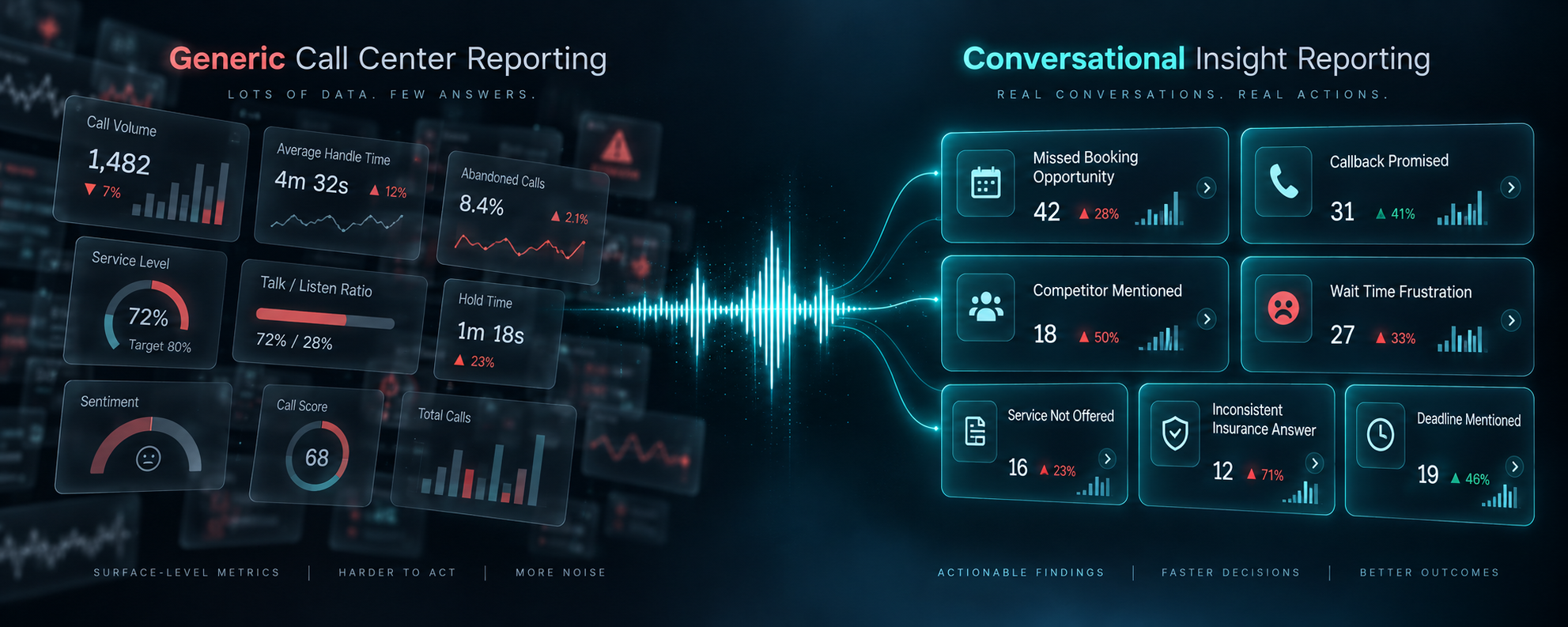
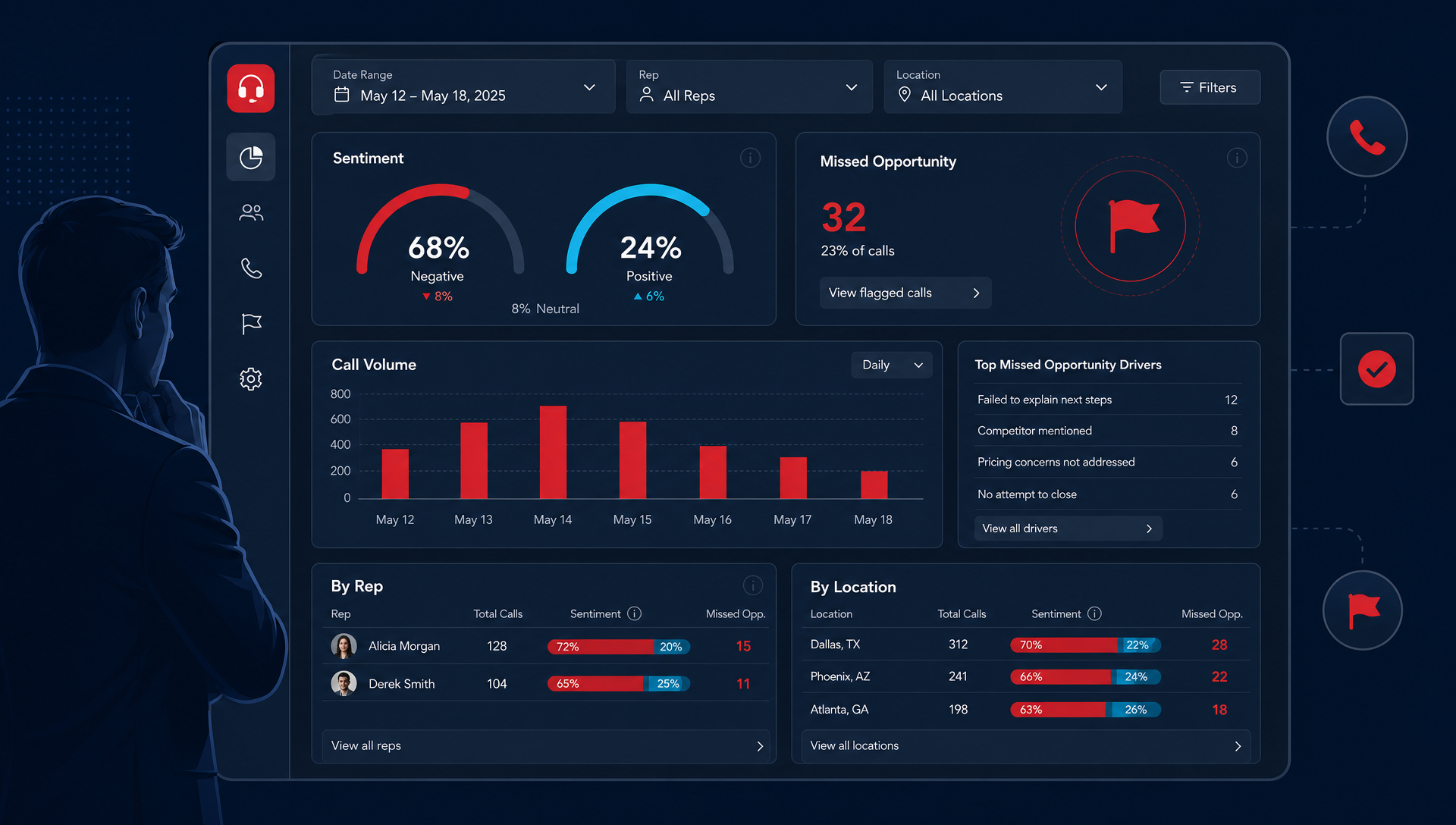
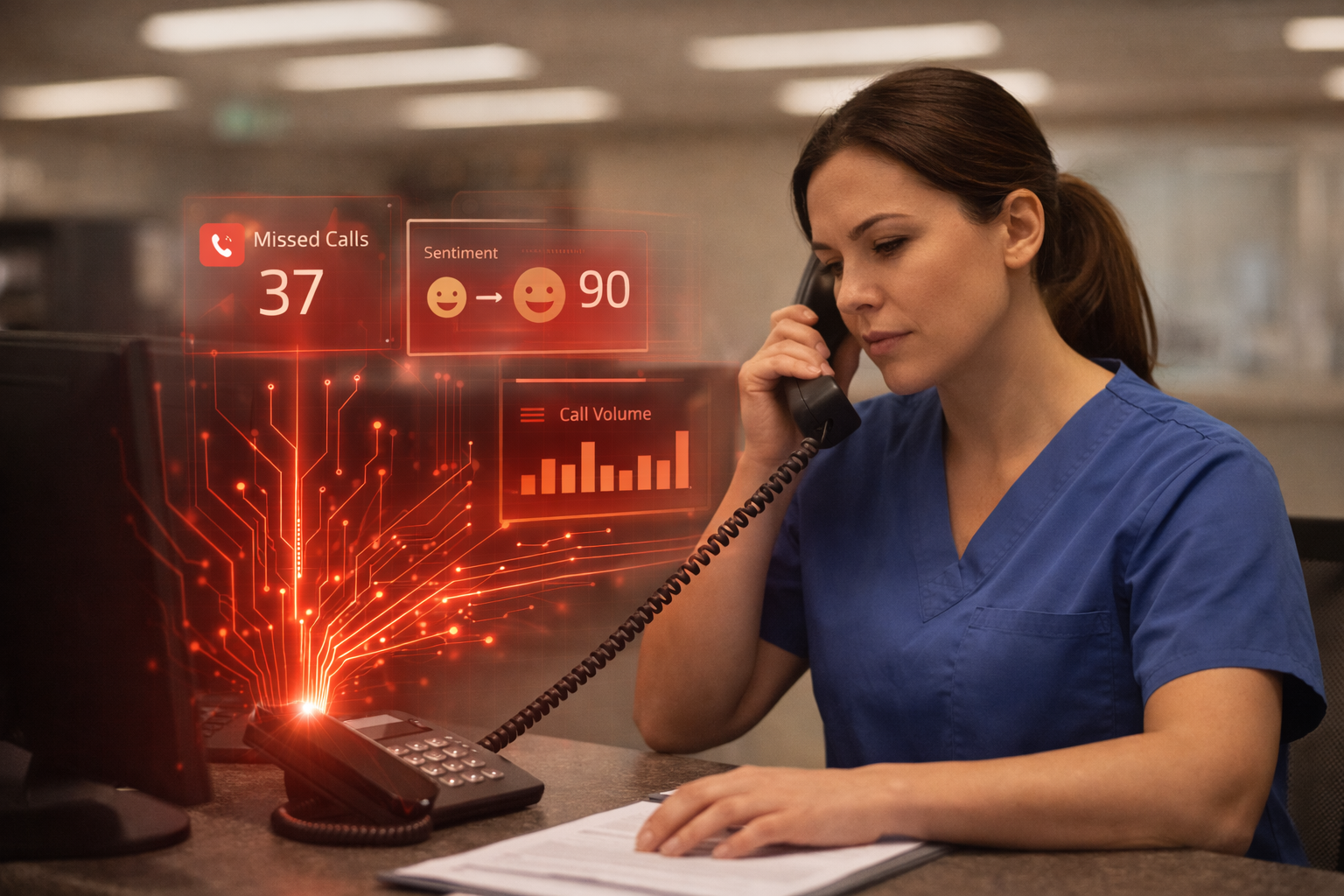
Many urgent care leaders know their phones are busy but do not have clear visibility into what is happening on their lines.
Without data, it is difficult to answer questions such as:
- How many calls are missed?
- What are patients asking most often?
- When are peak call times?
- Where are scheduling opportunities being lost?
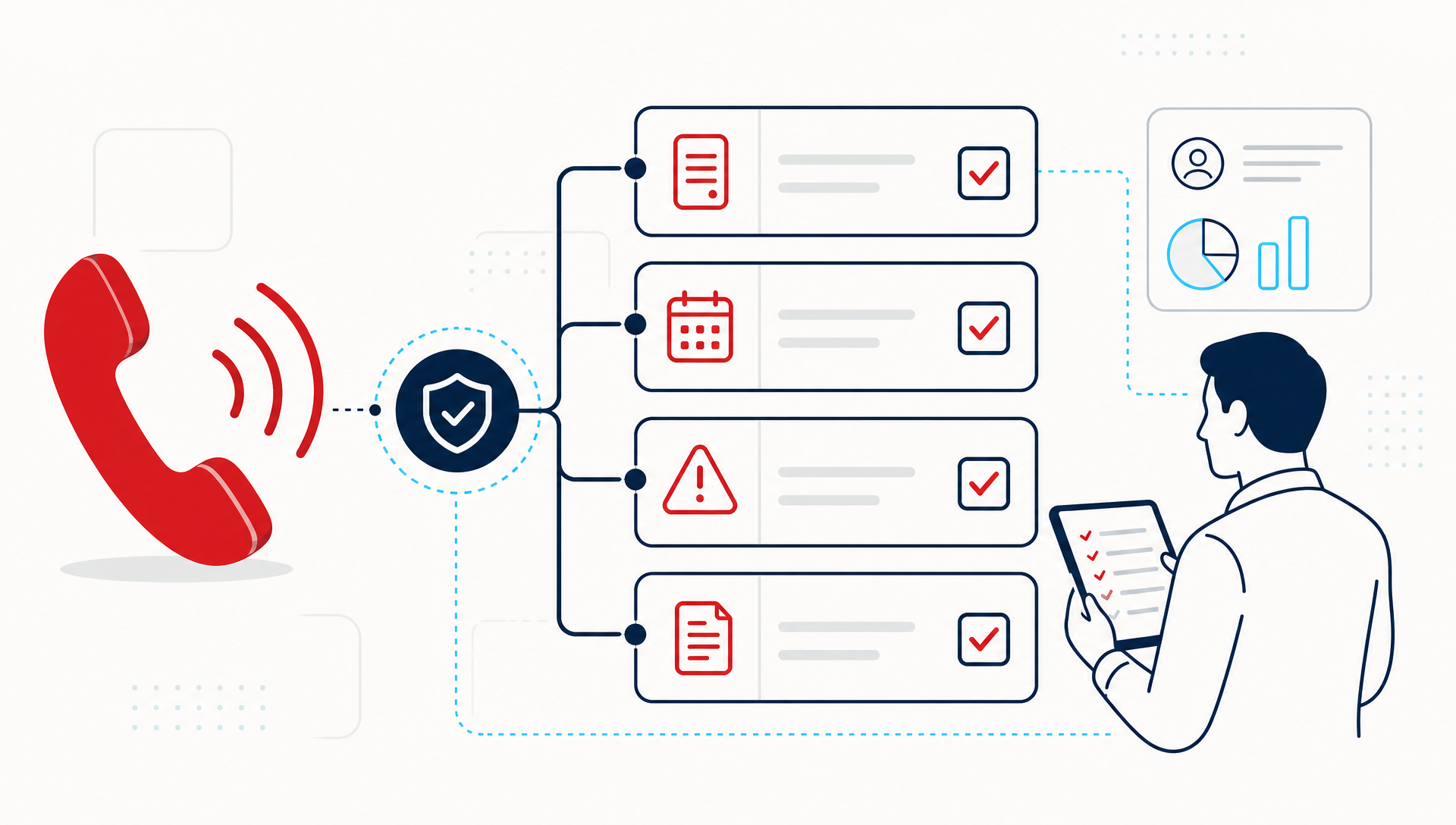
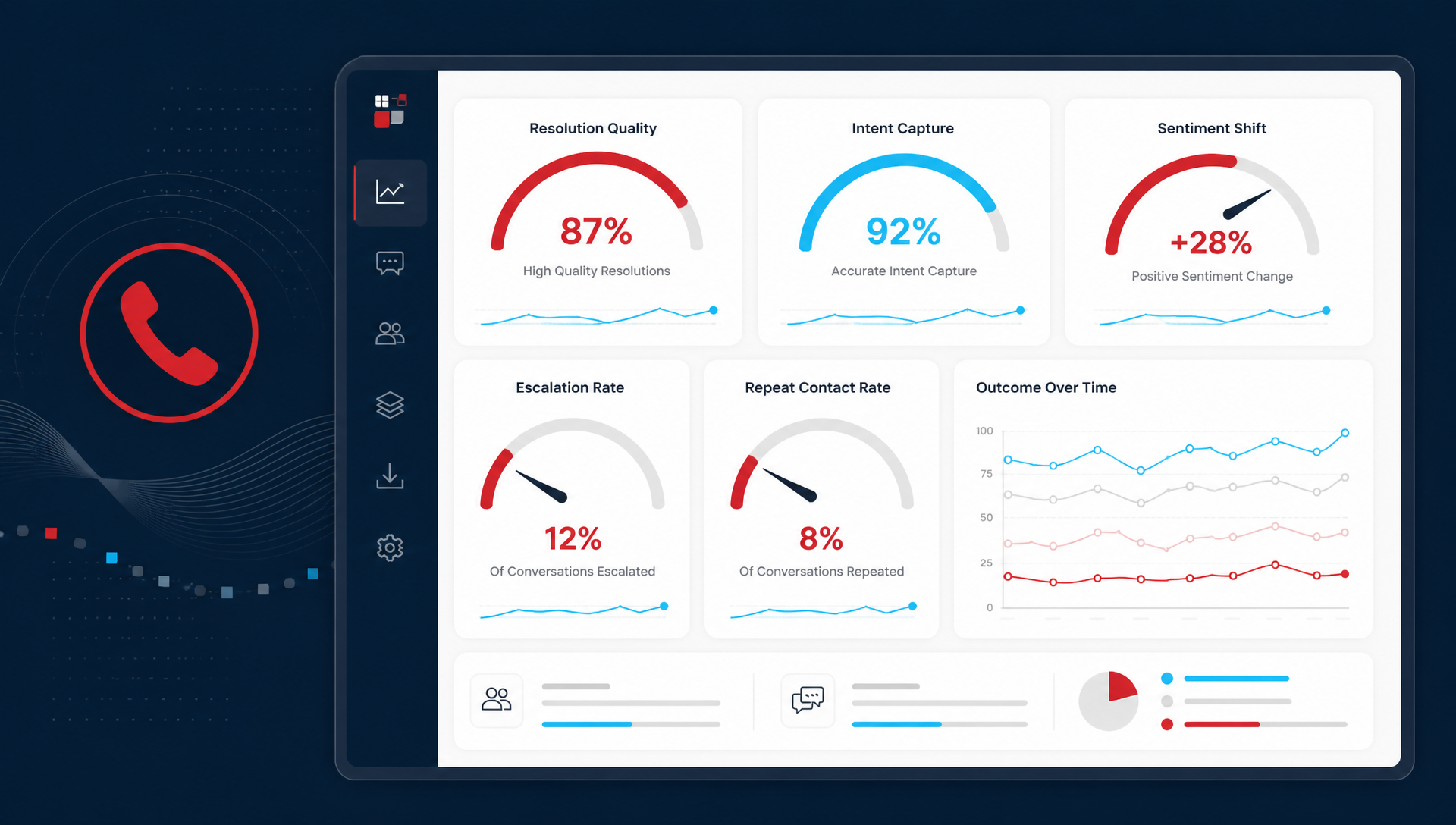
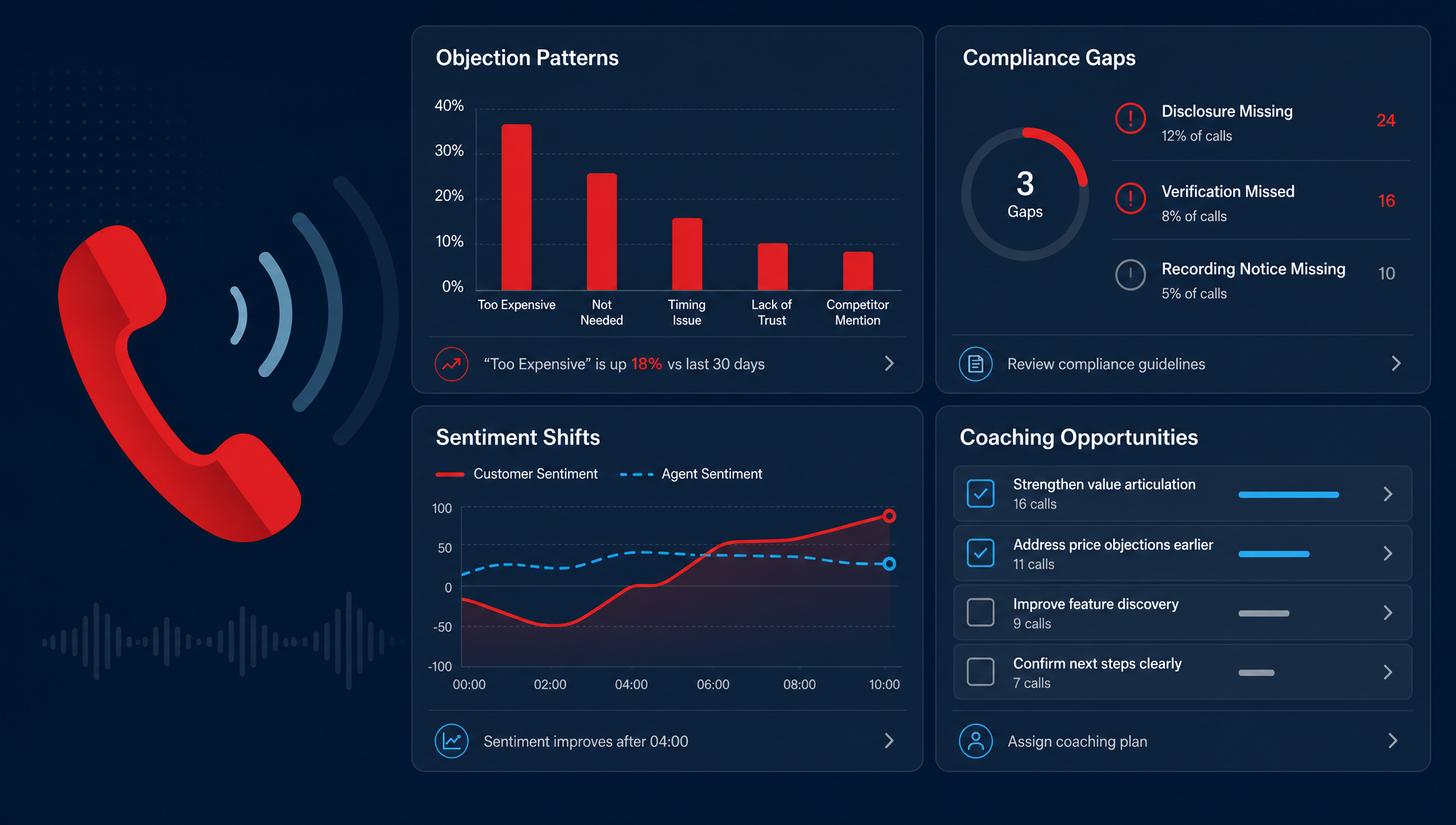
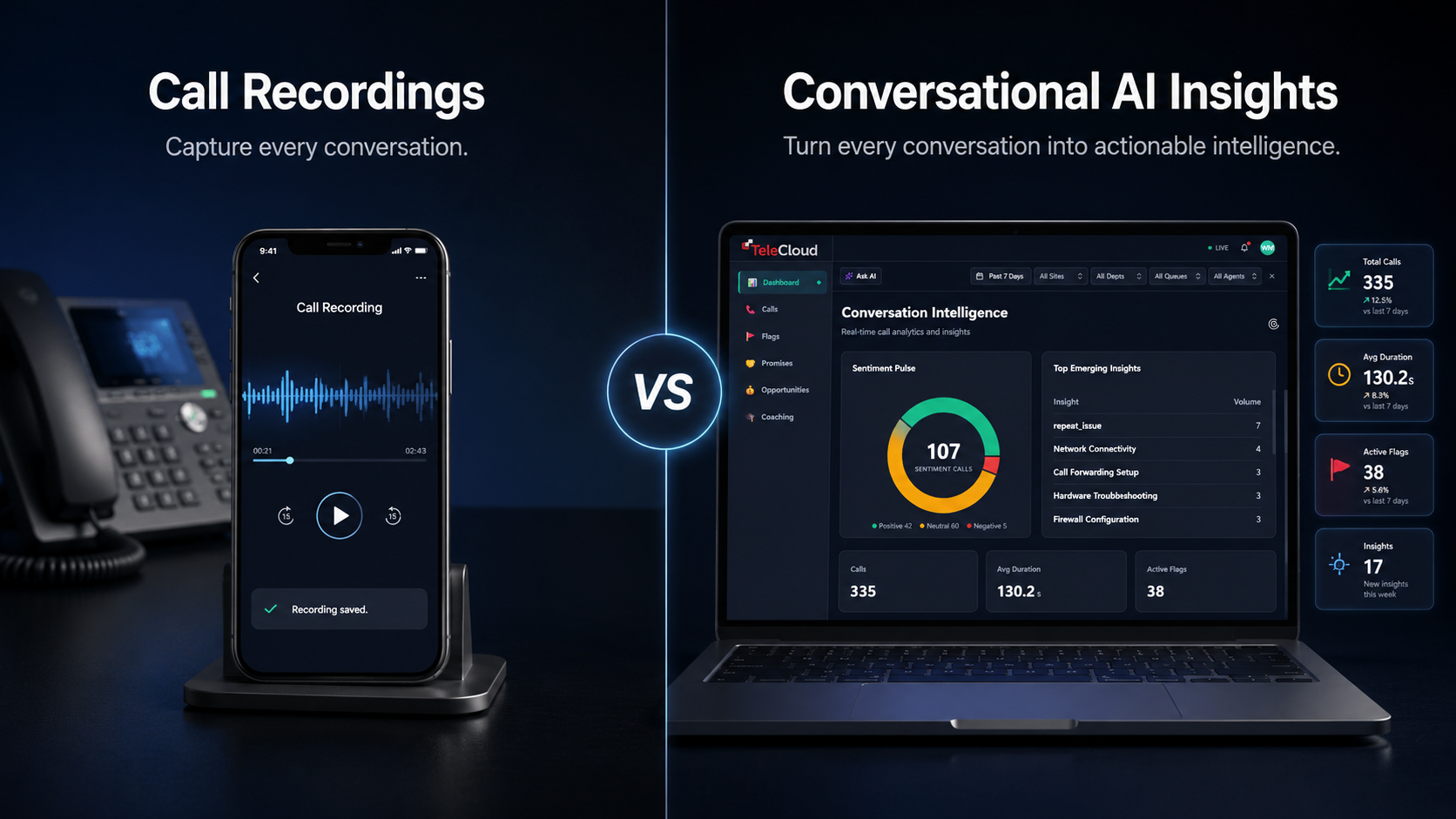
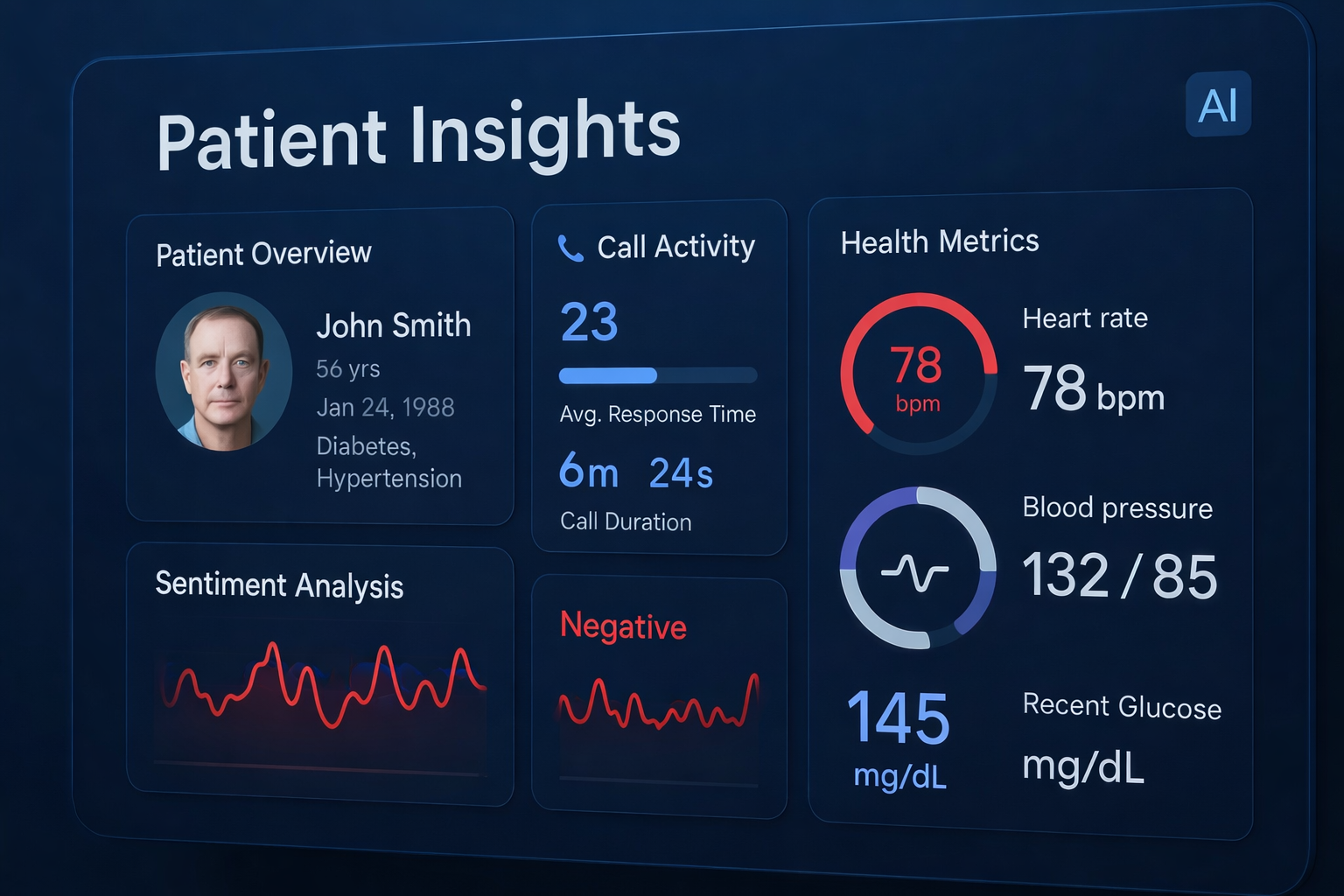
Call insights help clinics identify patterns and adjust workflows.
For example, if most calls involve insurance questions or appointment inquiries, clinics can adjust staffing, automation, or information resources to address those needs more efficiently.
Phones then become a source of operational insight rather than just a communication channel.
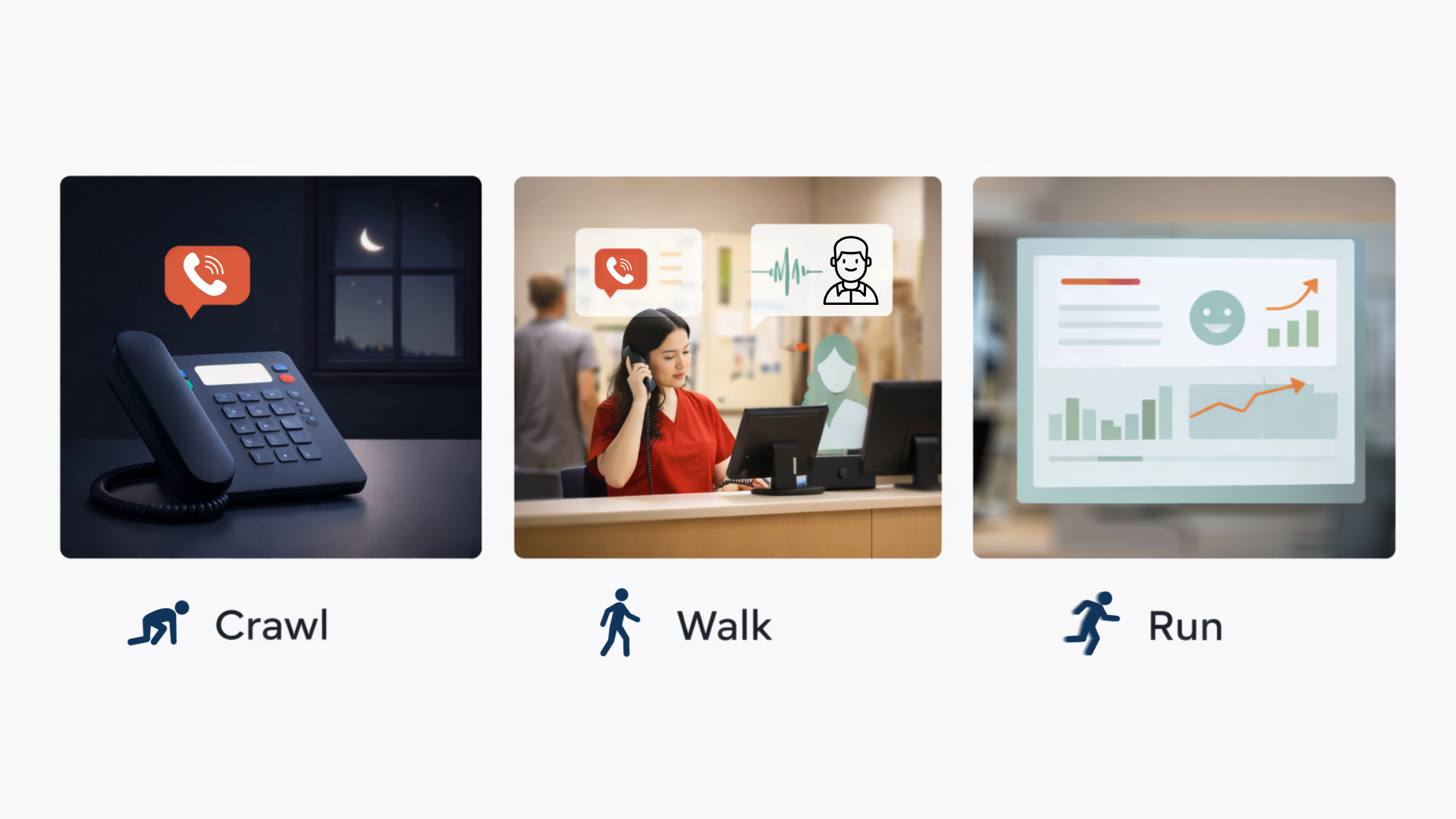
The Crawl, Walk, Run Approach to Managing Urgent Care Call Volume
Most urgent care centers improve call management gradually rather than all at once.
Crawl: Basic Call Handling
In the early stage, technology helps answer calls and provide basic information such as hours, directions, and call routing.
Even this level can reduce missed calls.
Walk: Scheduling Integration
As systems evolve, phone systems can integrate with scheduling workflows.
This allows clinics to guide patients toward available visits more quickly.
Run: Context Aware Conversations
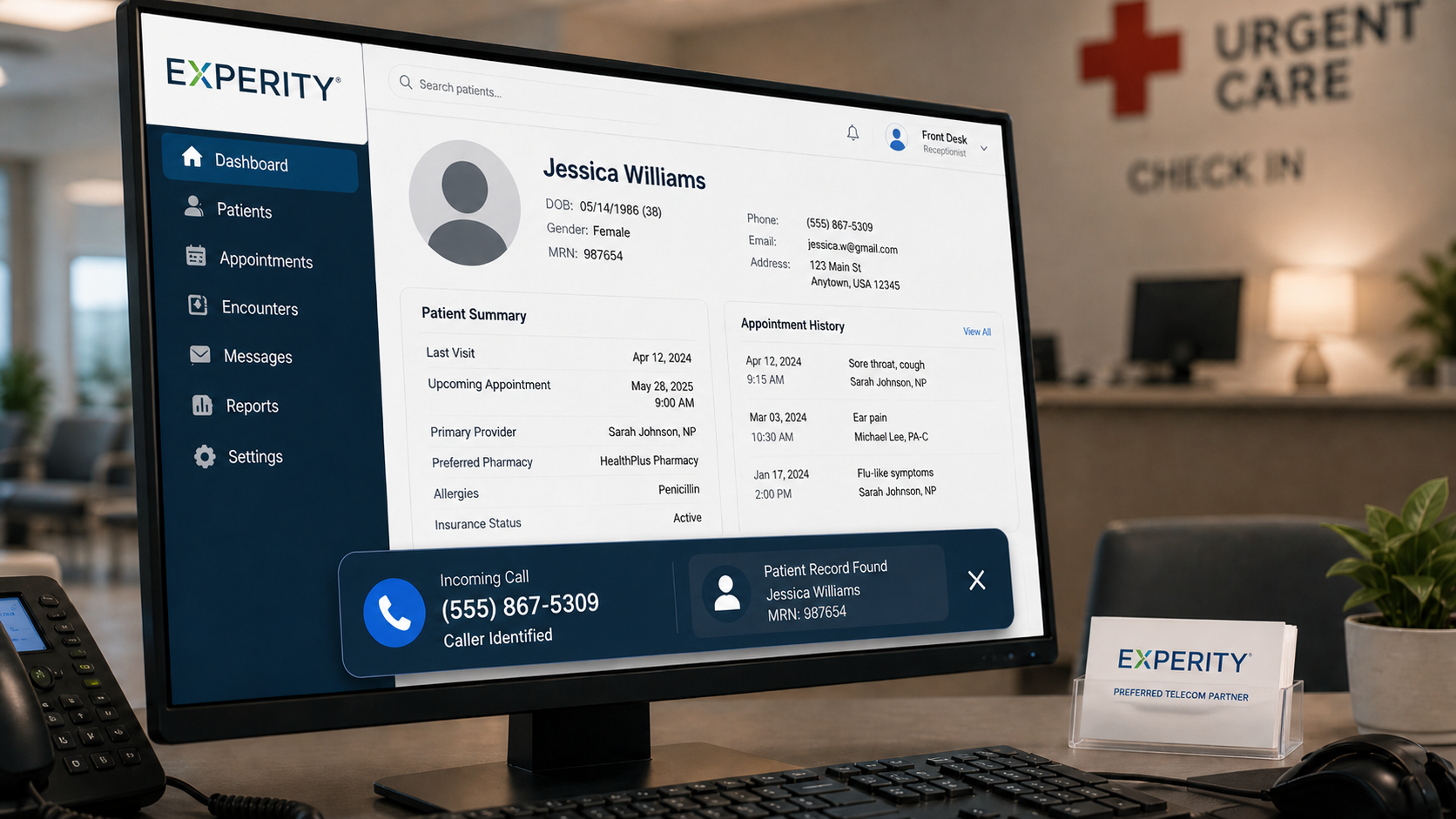
At the most advanced stage, communication systems connect with scheduling platforms and patient information.
This allows for smarter routing, more personalized conversations, and deeper operational insights.
Read our crawl-walk-run adoption guide.
How Urgent Care Leaders Should Evaluate Call Management Solutions
Not every solution will address urgent care call challenges effectively.
When evaluating tools, leaders should focus on practical outcomes rather than features alone.
Key questions include:
- Can the system ensure every call is answered?
- Can routine questions be handled automatically?
- Does it support scheduling workflows?
- Can it provide insight into patient conversations?
The goal is not simply adding new technology. It is creating a communication system that supports both staff and patients.
The Real Goal Is Not Fewer Calls. It Is Better Conversations.
High call volume is a reality for urgent care centers. Patients depend on quick answers when deciding where to seek care.
The clinics that manage this challenge most successfully do not rely on staff alone. They build systems that support their teams.
By combining smarter workflows, automation for routine questions, and better insight into patient conversations, urgent care centers can ensure every call is answered without overwhelming the front desk.
When phone systems are designed intentionally, they stop being a source of burnout and start becoming a driver of patient access, stronger relationships with patients, and sustainable growth.
Frequently Asked Questions About Urgent Care Call Volume
Why do urgent care centers receive so many phone calls?
Urgent care centers receive high call volumes because patients often call before deciding where to seek care. Many callers want quick answers about wait times, hours, insurance coverage, or whether they can come in that day. Since urgent care visits are often time sensitive, the phone becomes a primary way for patients to make care decisions.
How can urgent care clinics reduce missed calls?
Urgent care clinics reduce missed calls by improving phone workflows rather than simply adding more staff. Many clinics use intelligent call routing, automated responses for common questions, and AI receptionists to ensure every call is answered even during peak hours.
Can AI receptionists help urgent care front desks?
Yes. AI receptionists can answer calls instantly, respond to common questions, and route patients to the correct department. By handling repetitive interactions, they allow front desk staff to focus on patient check ins, insurance verification, and more complex conversations.
What causes front desk burnout in urgent care?
Front desk burnout often occurs when staff must manage too many responsibilities at once. Employees may be checking in patients, verifying insurance, handling paperwork, and answering phones simultaneously. When call volume is high and workflows are inefficient, stress and fatigue increase quickly.
How do modern urgent care phone systems improve patient access?
Modern phone systems improve patient access by ensuring calls are answered quickly and guiding patients to the right information. Tools such as AI receptionists, call analytics, and scheduling integrations help clinics respond faster, reduce missed visits, and make it easier for patients to get care.
Will Maddox is the Digital Marketing Coordinator at TeleCloud, overseeing content, brand, and outbound strategy for the company. He writes about cloud communications, AI tools for business, and what SMBs and urgent care operators need to know to run better phone systems. Connect with Will on LinkedIn or email him directly to learn more.
Topics: