
Can AI Receptionists Deliver a Better First Impression Than Humans?
April 7th, 2026
5 min read
By Will Maddox
Sometimes yes, sometimes no. The outcome depends on the situation and on which level of AI you are actually dealing with.
Picture this. You call a business at 7:30 in the evening. The phone rings four times. Then voicemail. You hang up without leaving a message. By the time someone calls you back the next morning, you have already booked with their competitor.
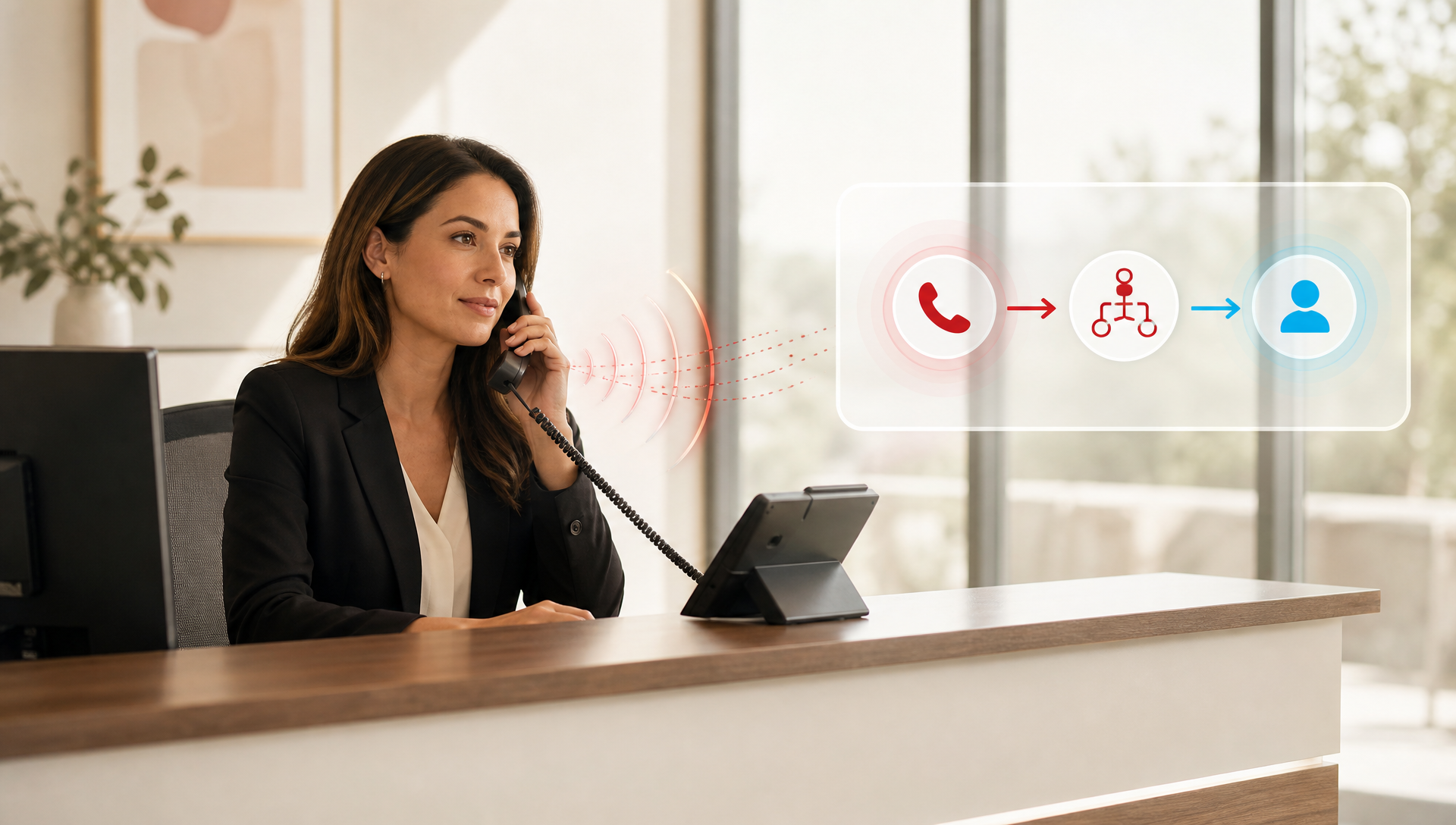
Now picture a different call. It picks up on the first ring. Your question gets answered. Your appointment gets scheduled in about 90 seconds. You hang up feeling taken care of.
One of those experiences can be powered by an AI Receptionist. The other is powered by voicemail. Neither one involved a human.
Full disclosure before we go any further: we sell AI Receptionist technology at TeleCloud. We are saying that upfront because this comparison deserves honesty, not a sales pitch dressed up as a blog post. We have seen exactly when AI outperforms humans, when it falls short, and why understanding that difference matters far more than picking a side.
Here is the straight version of that comparison.
What Is the Current State of AI Receptionists?
Before comparing AI and humans, it helps to be honest about something: not all AI receptionists are the same, and the gap between the best and worst options is enormous.
On one end of the spectrum, you have rigid, script-based systems with a friendlier voice slapped on top. They follow a fixed menu, struggle the moment a caller goes off-script, and frustrate people faster than hold music. Many businesses have encountered this version and rightfully written off the whole category because of it.
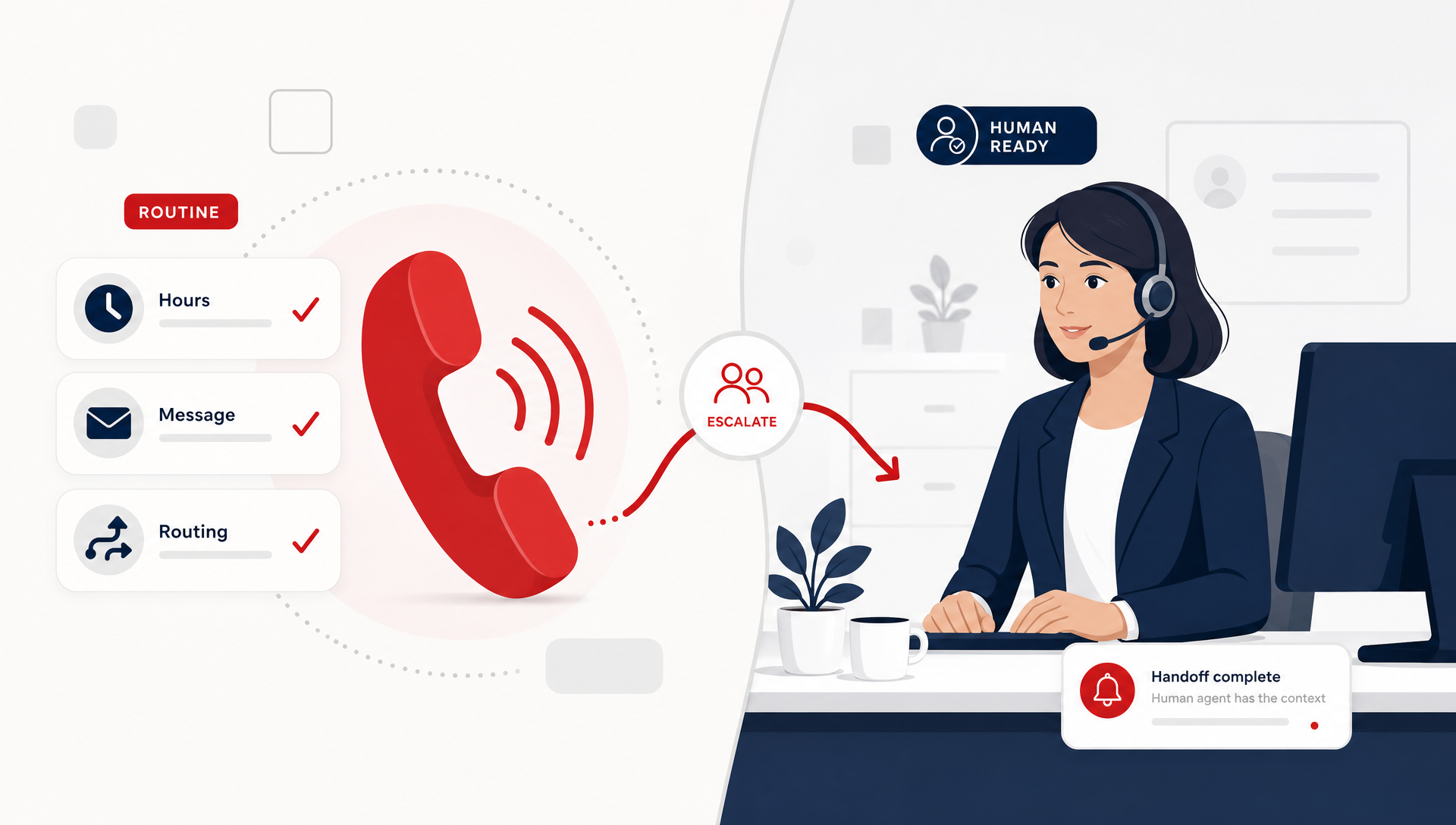
On the other end, you have modern conversational AI built to understand natural speech, handle follow-up questions, detect caller intent, and hand off to a human when the situation calls for it. The gap between these two is not a minor upgrade. It is an entirely different experience.
The other thing worth knowing: this technology is improving at a pace that makes comparisons feel dated quickly. Tone detection, natural interruption handling, real-time scheduling, CRM integration, and smarter escalation logic are all standard in quality platforms today. The AI receptionist category is not standing still. Businesses that build this foundation now will be ahead of where it is headed, not chasing it.
Where Human Receptionists Still Win
Emotional complexity and real-time empathy
A skilled human picks up on the tremble in someone's voice. They slow down when a caller sounds confused or upset. They respond to emotional subtext in real time in ways that even the best AI cannot fully replicate today. For calls that carry real weight, a person handles them better. That is not a criticism of the technology; it's just the truth.
Handling the unexpected
Callers do not follow scripts. A patient calls about an appointment and ends up describing a billing situation that does not fit any workflow. A first-time caller is not sure what they need and needs someone to help them figure it out. A skilled human improvises. AI routes to a fallback, and whether that works well depends entirely on how the fallback was designed.
Relationship building
Your long-tenured front-desk team member who remembers a patient by name, asks about their kid's soccer game, and makes them laugh on a hard morning is a brand asset. That kind of connection does not transfer to AI. Consistent, warm, professional? Yes. Relationship-building in the way people mean it? Not yet.
Where AI Receptionists Win
Availability: it never calls out sick
This is where AI is simply unbeatable. It is 2:00 AM on a Saturday. It is the Monday after a holiday weekend when forty calls come in before 9:00 AM. It is a Tuesday afternoon when three calls arrive at the same time. AI answers every single one of them, immediately, without hold music, without voicemail, without a callback the next morning. For any business with after-hours demand or volume spikes, this changes the math on missed calls entirely.
Consistency on every single call
Humans have bad days. The front-desk team member on their third difficult caller of the afternoon will sound slightly different from the one who started their shift fresh at 8:00 AM. That is not a failure of character. It is just reality. AI does not have that variability. Every caller gets the same calm, professional, on-brand experience, whether it is the first call of the day or the hundredth.
Scale without adding headcount
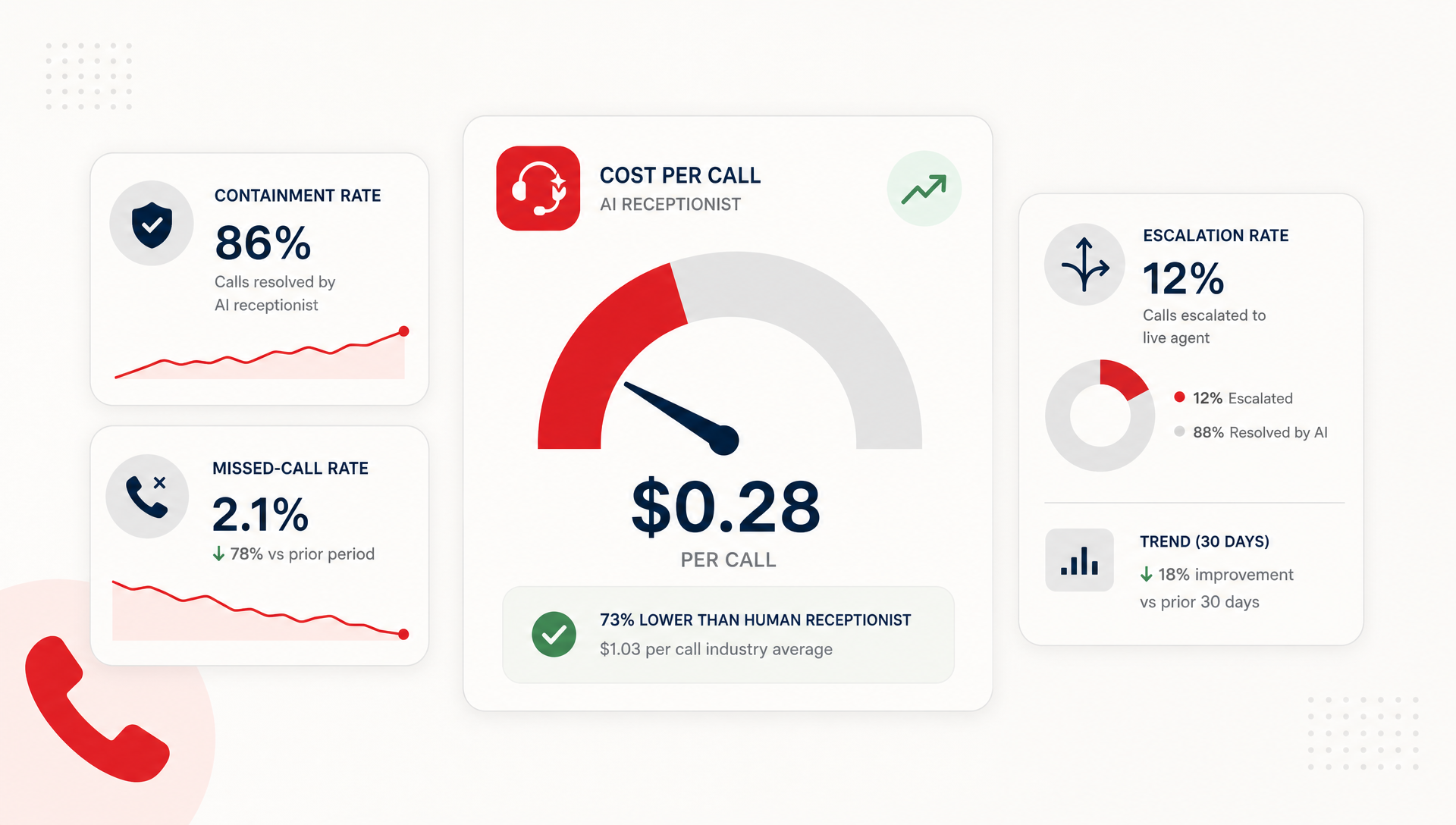
One AI Receptionist handles multiple simultaneous calls. One person cannot. When volume spikes, AI scales without breaking and without the cost of bringing on more staff. For multi-location businesses managing high call volume across shifts, this is a practical advantage that is genuinely difficult to match with a human-only approach.
Speed on the calls that do not need a human
What are your hours? Are you open Sunday? Can I reschedule? Do you take my insurance? These questions do not need a person. They need a fast, accurate answer. AI delivers that in seconds and gives your team their time back for the calls that actually need them.
AI Receptionist vs. Human Receptionist: An Honest Side-by-Side
|
Scenario |
Human Receptionist |
AI Receptionist |
|
Call at 2:00 AM |
Voicemail |
Answered immediately |
|
Emotionally distressed caller |
Empathy and real-time adjustment |
Smooth handoff if built well |
|
Routine FAQ (hours, scheduling, insurance) |
Answered, but uses staff time |
Answered in seconds |
|
Truly unexpected or complex call |
Strong: improvises naturally |
Limited: depends on fallback design |
|
Volume spike (Monday morning rush) |
Hold times and dropped calls |
Every call handled simultaneously |
|
Consistency across every call |
Varies by day, mood, and volume |
Identical every time |
|
Relationship building with regulars |
High |
Consistent, limited depth |
|
After-hours coverage |
Requires staffing or on-call cost |
Always on, no incremental cost |
The Part Nobody Talks About: What Happens When AI Goes Wrong
A badly configured AI Receptionist is not a neutral experience. It is actively damaging. If the voice sounds flat, the responses feel canned, the routing loops, or the caller cannot find a path to a human, people hang up angrier than they would have after a long hold time. The technology is only as good as the implementation behind it.
Two things matter here. First, the scripting, routing logic, and escalation paths are what separate a smooth experience from a frustrating one. Treating AI call handling as a one-time setup rather than a living system is one of the most common mistakes businesses make with it. Second, every good AI Receptionist needs an easy, obvious path to a human. Callers who want a person should always be able to get one. If that option is buried or hard to access, the experience breaks down fast.
|
Not sure how your calls are actually performing? TeleCloud can look at your call data and show you exactly where AI would help and where it would not. Schedule a free assessment. |
So Which One Actually Delivers a Better First Impression?
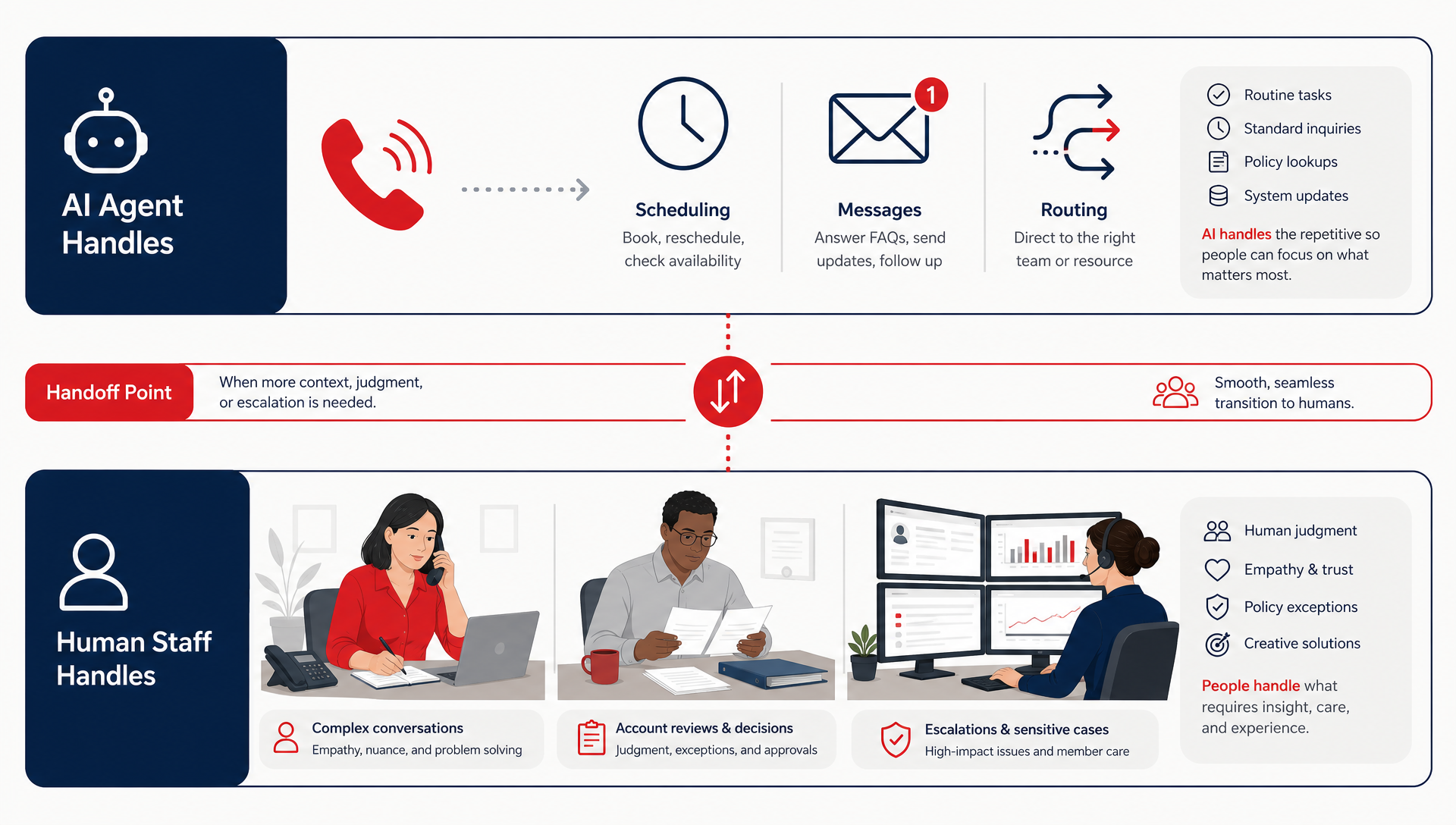
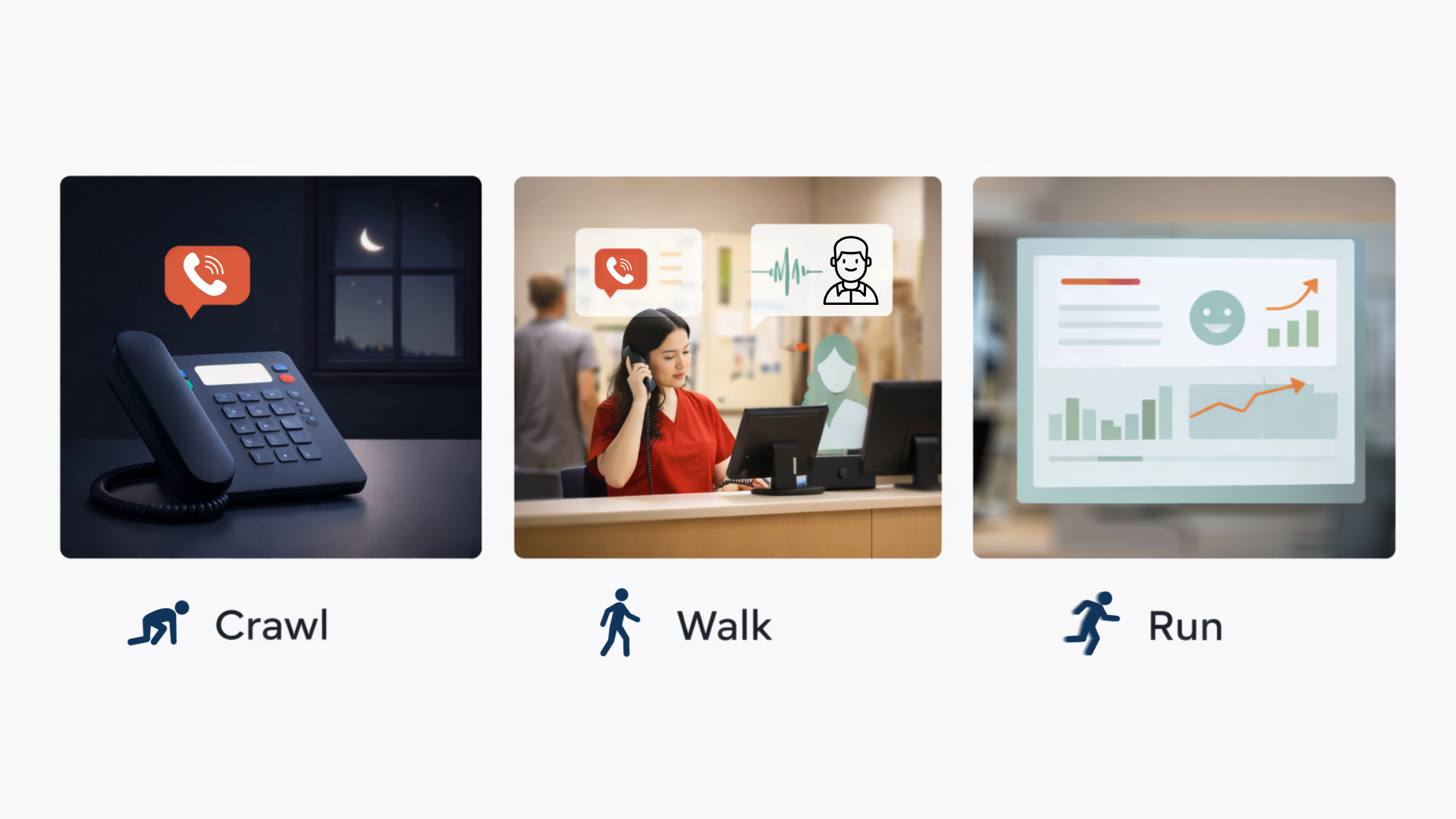
The businesses seeing the strongest results are not choosing AI or humans. They are using both, each where they perform best.
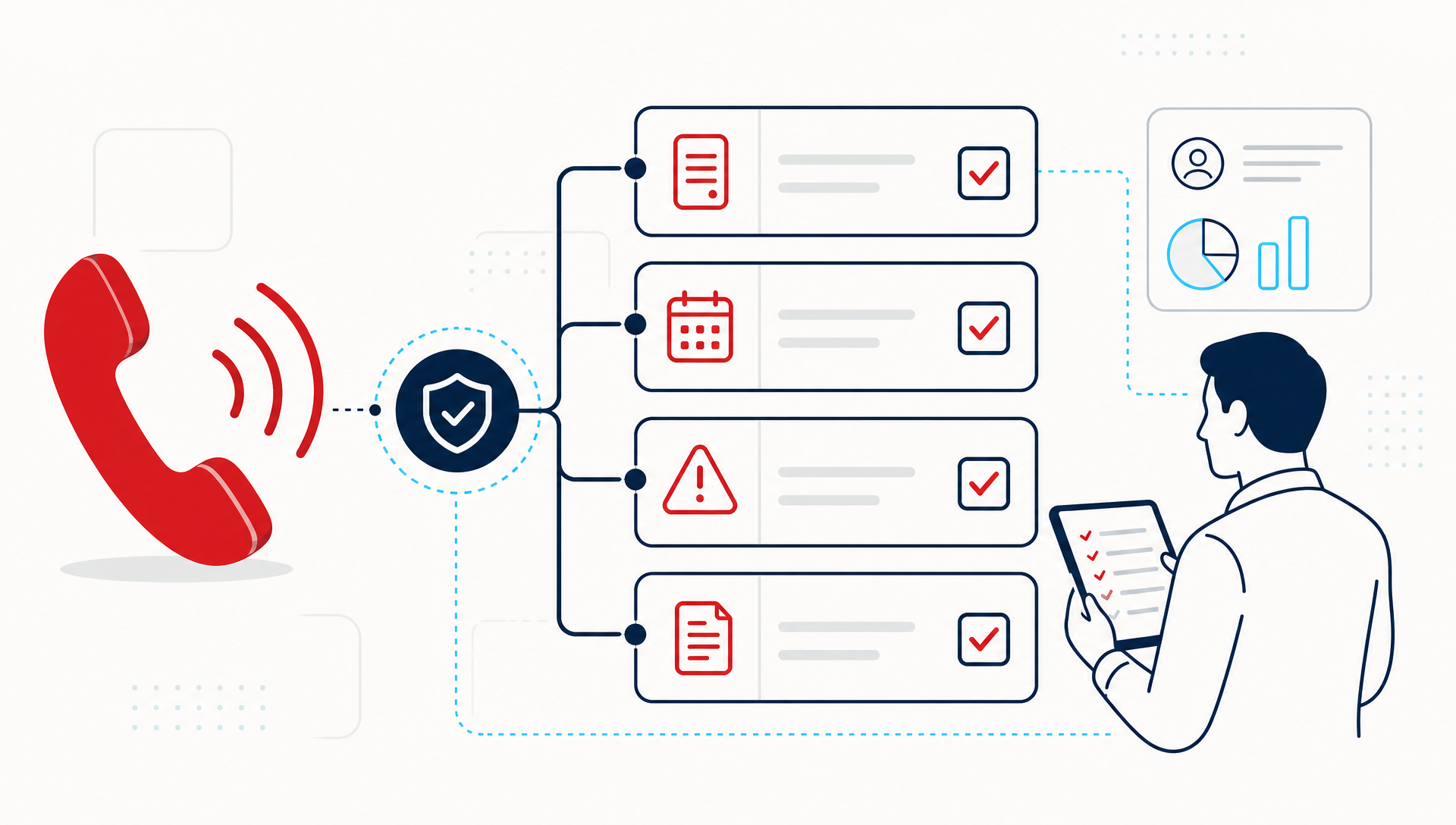
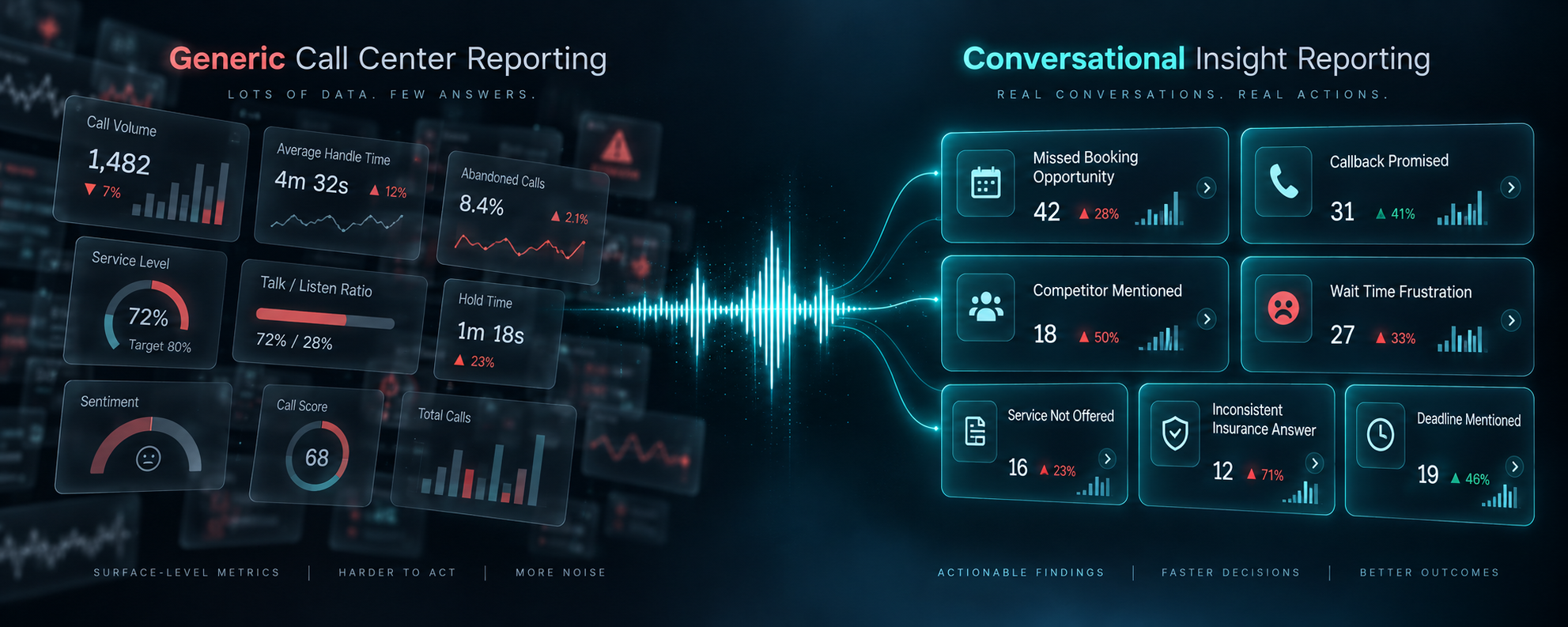
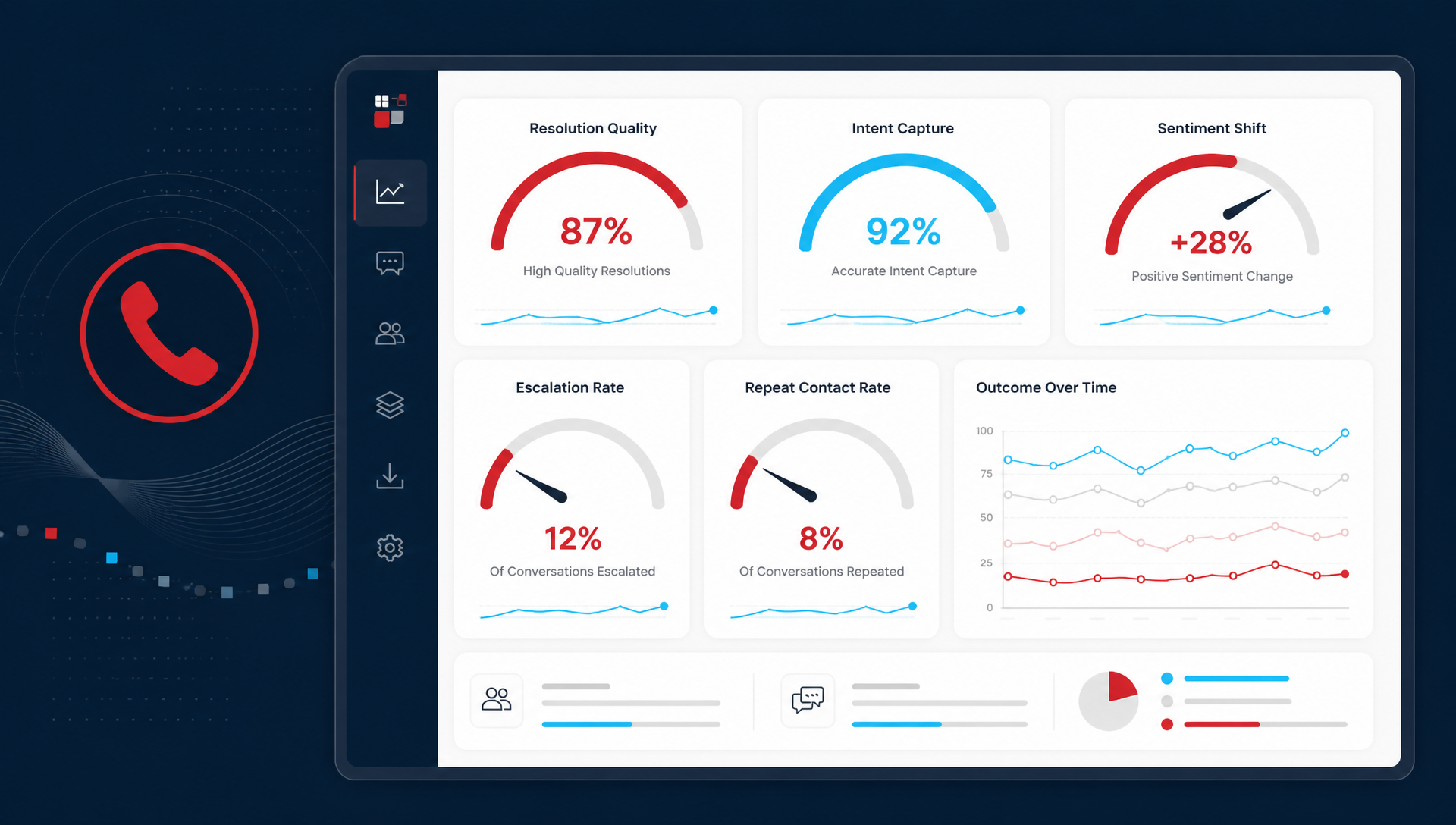
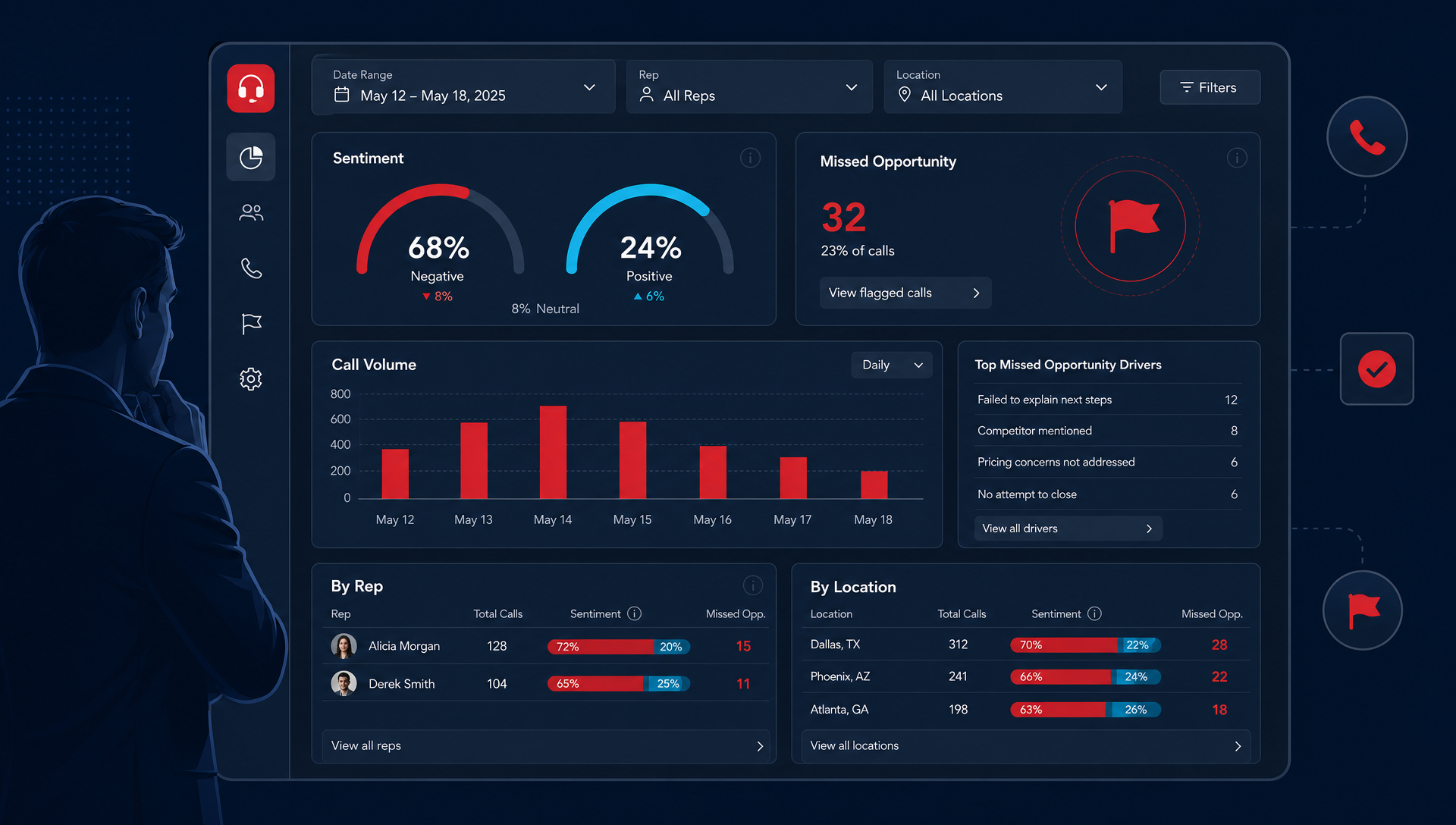
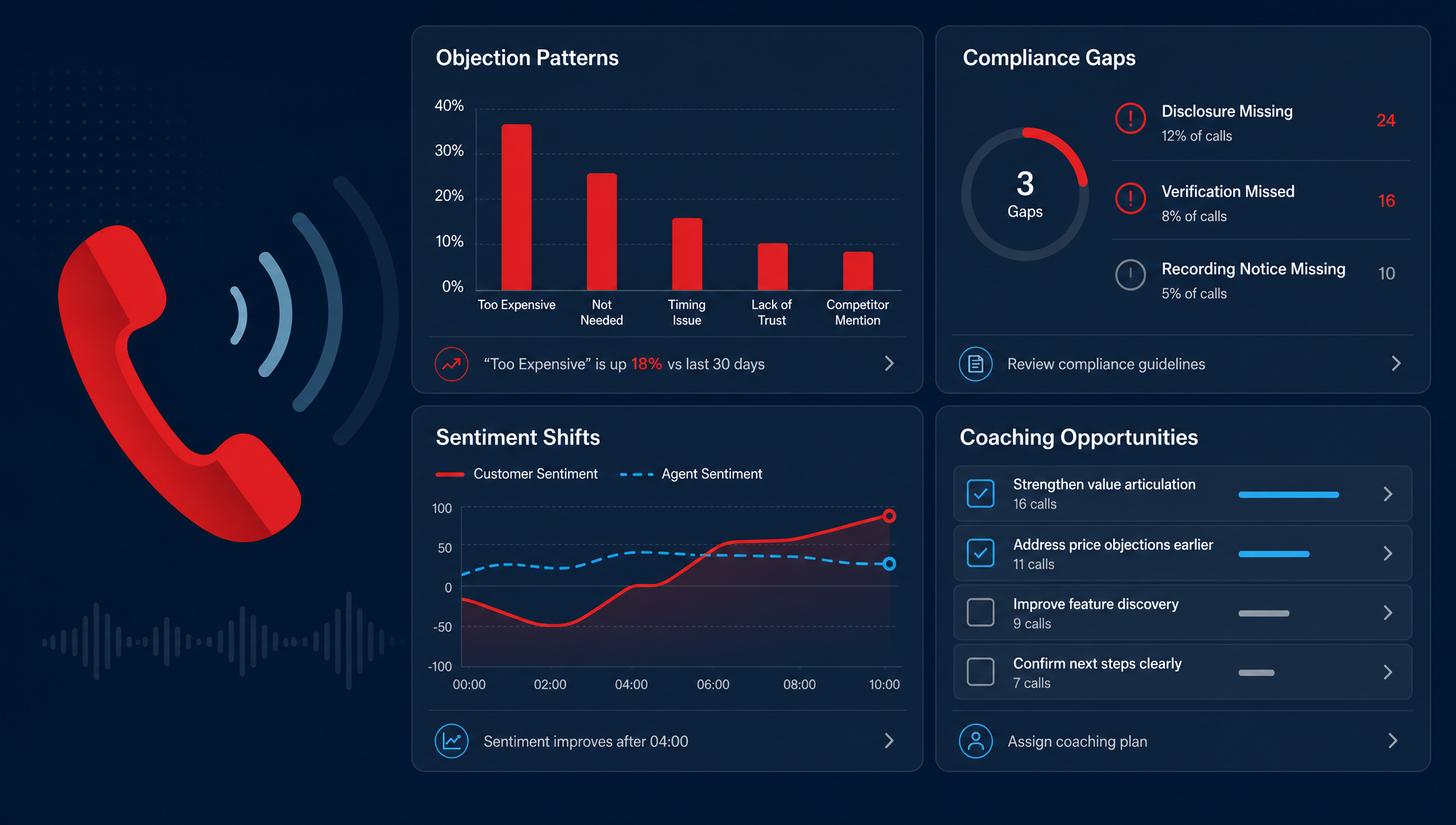
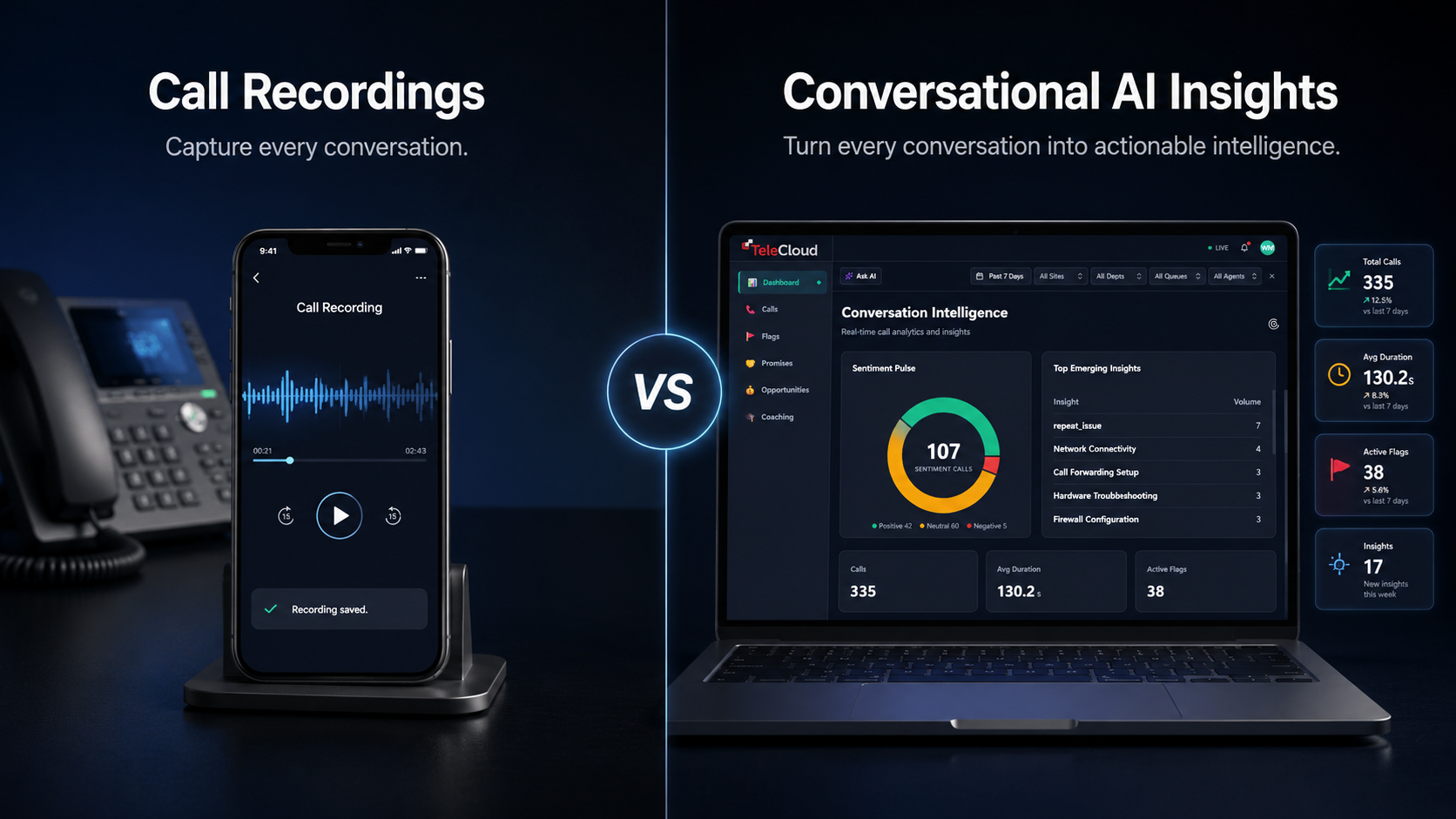
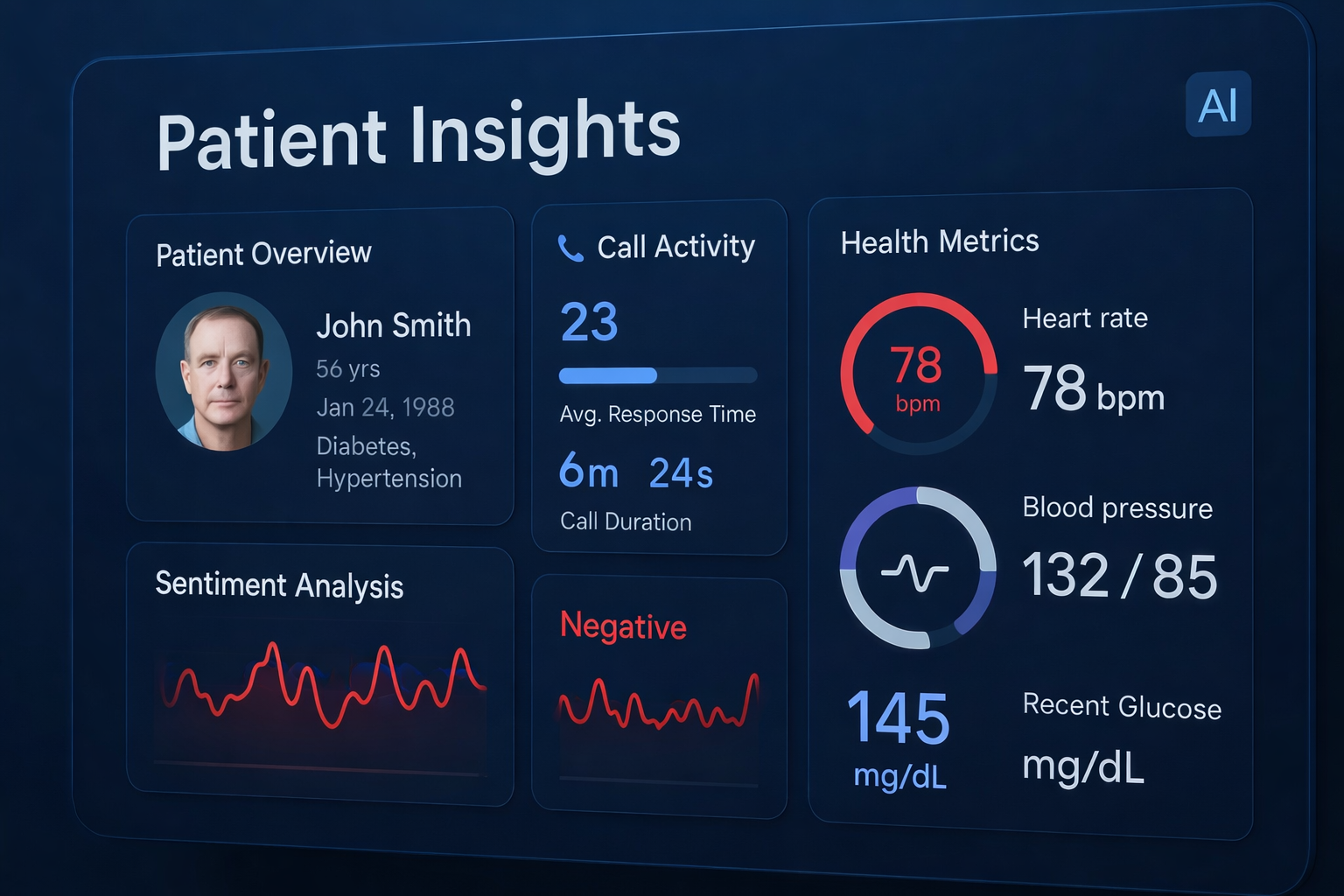
AI in front handles the first 30 to 90 seconds: the greeting, the FAQ, the scheduling request, the routing. Humans in the middle take the calls that genuinely need them. AI in the back analyzes every conversation afterward, surfacing training opportunities and missed patterns that no team would have time to catch manually.
That is not a compromise. It is a smarter division of labor. And as AI receptionists continue to improve, the line of what they handle well will keep moving. Businesses building that foundation now will be positioned ahead of it rather than catching up to it.
The real question was never AI or human. It was whether every person who calls your business is getting a consistently good experience at scale. For most operations relying entirely on human coverage, the gaps are real. After-hours calls go to voicemail. Volume spikes create hold times. Routine questions eat up team capacity that should go elsewhere.
An AI Receptionist does not solve every problem. But for the problems it is built to solve, it solves them reliably, and it gets better at it every year.
|
Want to see where your calls are falling short? TeleCloud can review your call patterns, identify missed opportunities, and show you exactly where AI call handling would make the biggest difference. Request a free AI assessment before you decide anything. |
Will Maddox is the Digital Marketing Coordinator at TeleCloud, overseeing content, brand, and outbound strategy for the company. He writes about cloud communications, AI tools for business, and what SMBs and urgent care operators need to know to run better phone systems. Connect with Will on LinkedIn or email him directly to learn more.
Topics: