
How to Spot Patient Frustration Before It Shows Up in Reviews
March 24th, 2026
4 min read
By Will Maddox

Patient frustration shows up in reviews last. It shows up on the phone first.
Most urgent care operators find out a patient had a bad experience the same way everyone else does: they see the one-star Google review after the visit is over and the damage is public. The warning signs were there well before that review was written.
Patients rarely speak up before they disengage. They hang up, skip the follow-up appointment, and leave a review on the way to finding a different provider.
This article covers the most common signals of patient frustration that appear in your call data, and what proactive urgent cares are doing to catch them early.
Why Do Most Urgent Cares Only Find Out About Frustration After the Fact?
Reviews are a lagging indicator. The frustration that drives a one-star rating was already present hours or days earlier, almost always starting with a phone call.
Most urgent cares rely on post-visit surveys with low response rates and manual call reviews that cover 2 to 5 percent of total volume. By the time a pattern becomes visible through those channels, it has already affected multiple patients. A few things that happen before most frustrated patients write a review:
- They call during a busy period, cannot get through, and try a competitor instead.
- They reach a staff member who sounds rushed or does not resolve their question, and disengage quietly.
- They call back two or three times about the same issue before giving up.
None of those interactions get flagged. None trigger a follow-up. The signals are already in your call volume. The question is whether anyone is looking.
What Does Patient Frustration Actually Sound Like on a Call?
Frustration has a recognizable signature. It shows up in tone, word choice, and call behavior.
Verbal Signals
- Phrases like "I already called about this" or "I have been waiting for a callback"
- Requests to speak to a manager or someone else
- Short, clipped answers with little engagement
Frustration does not always sound aggressive. A patient who gives one-word answers and rushes to end a call may be just as frustrated as one who raises their voice.
Behavioral Signals in Call Data
- Same patient calling more than once without reaching a resolution
- Calls ending abruptly without a confirmed next step
- Extended hold times followed by a hang-up
- After-hours calls with no follow-up recorded the next morning
Which Patient Touchpoints Carry the Highest Frustration Risk?
Not every call carries the same risk. These interaction types are consistently higher-friction in urgent care:
- After-hours calls: Patients calling outside business hours often have urgent questions. A missed call with no callback is one of the fastest paths to patient disengagement.
- New patient intake: First impressions form before a patient walks in. A rushed or unresolved first call sets a negative tone that is hard to recover from.
- Scheduling calls with limited availability: How a staff member handles a fully booked schedule determines whether the patient tries again tomorrow or finds a different provider today.
- Test result follow-ups: Anxious patients calling about results need clear resolution. A call that ends without one compounds frustration quickly.
|
Roughly 60 percent of missed urgent care calls are scheduling-related. A patient who could not get through to book is already frustrated before they ever walk in the door. |
How Are High-Performing Urgent Cares Catching Frustration Early?
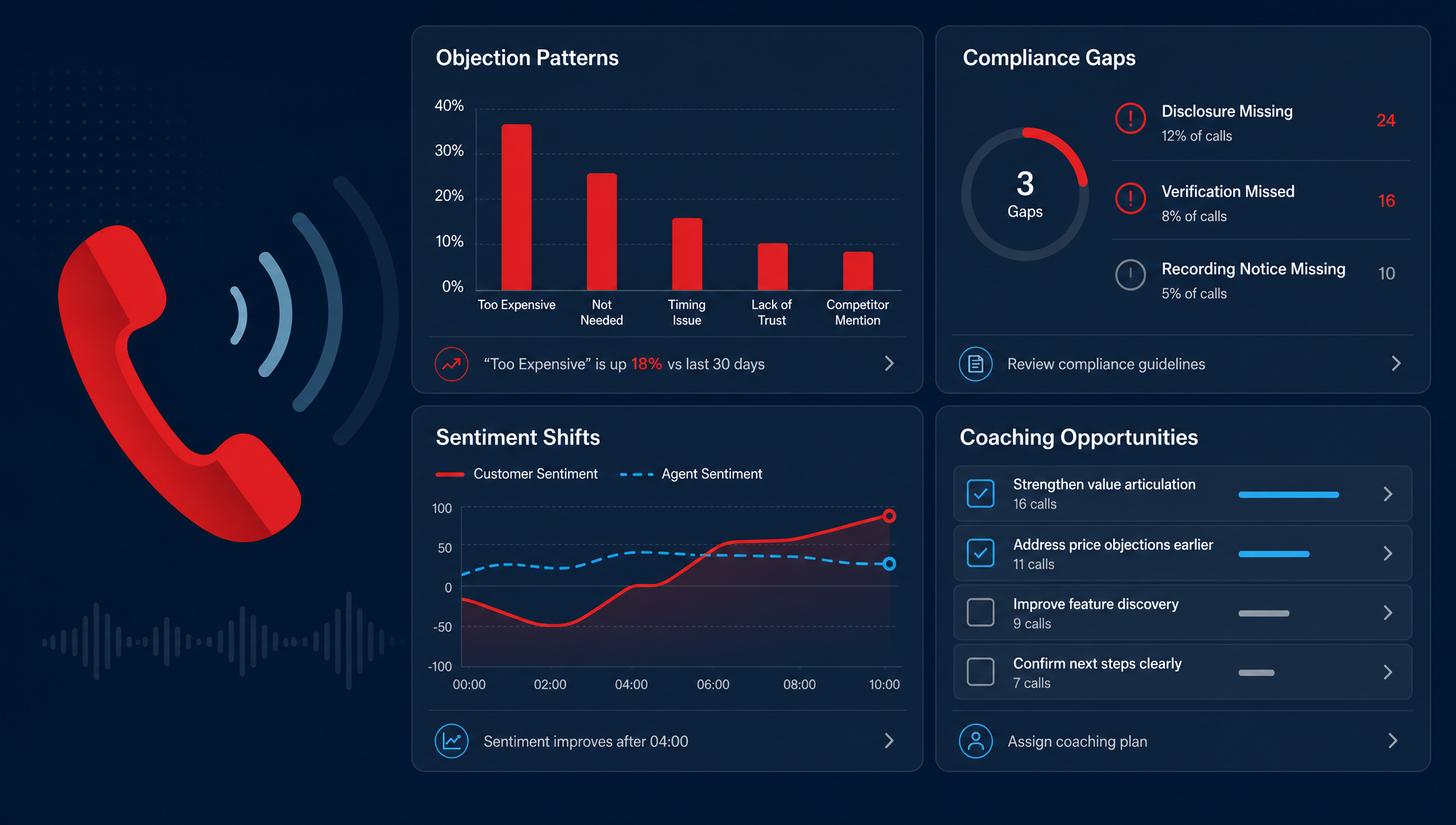
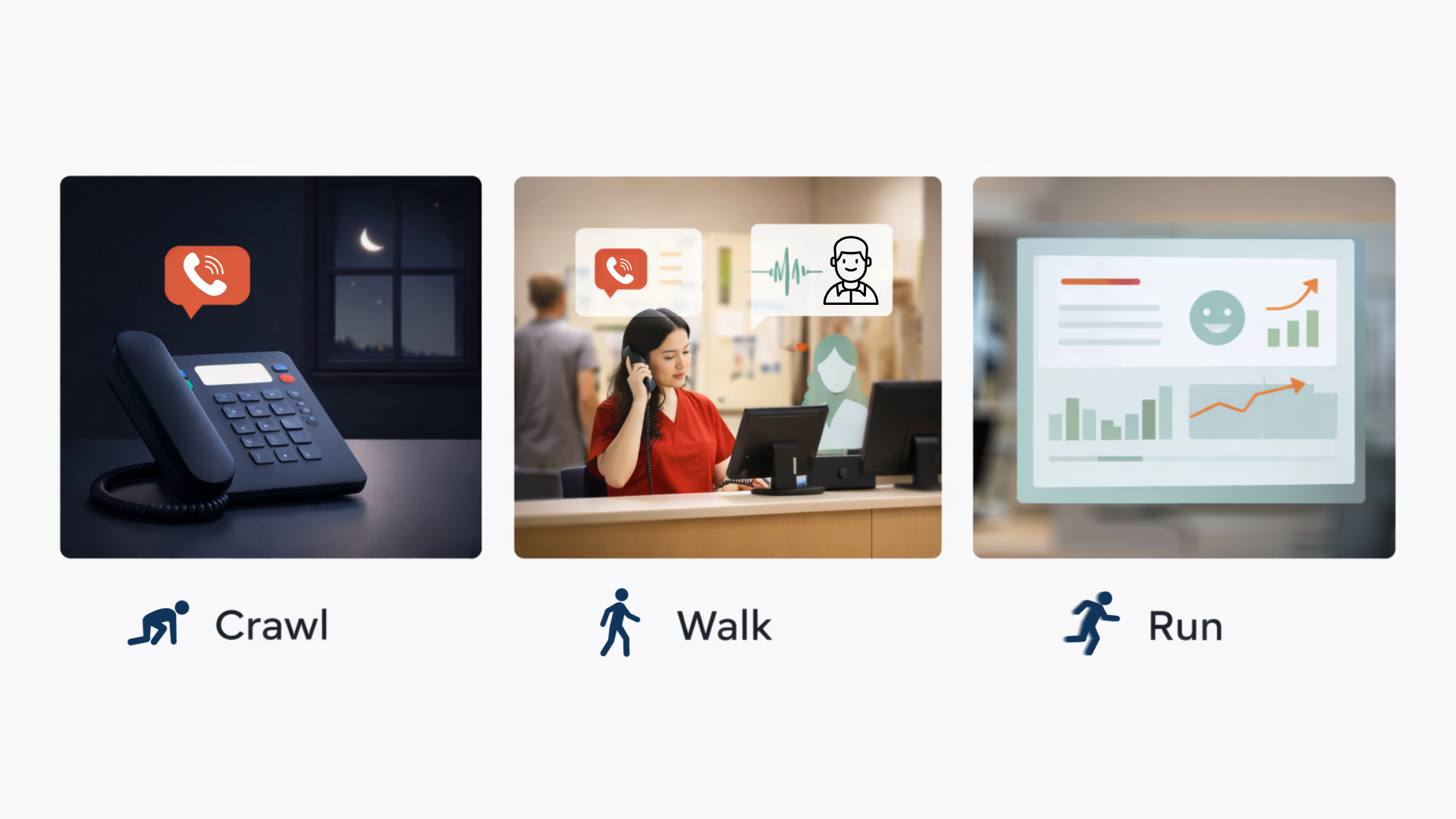
The answer is call visibility. AI-powered sentiment analysis applied across every call, not just the ones manually escalated.
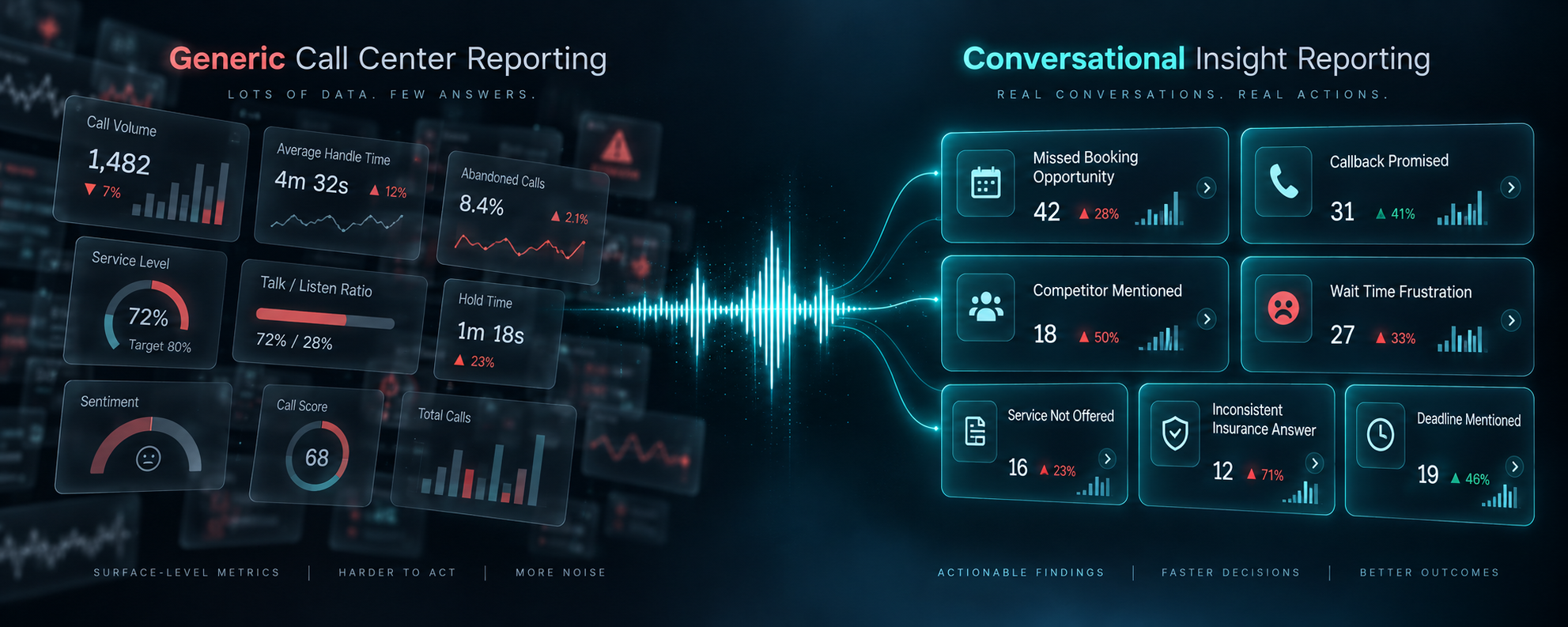
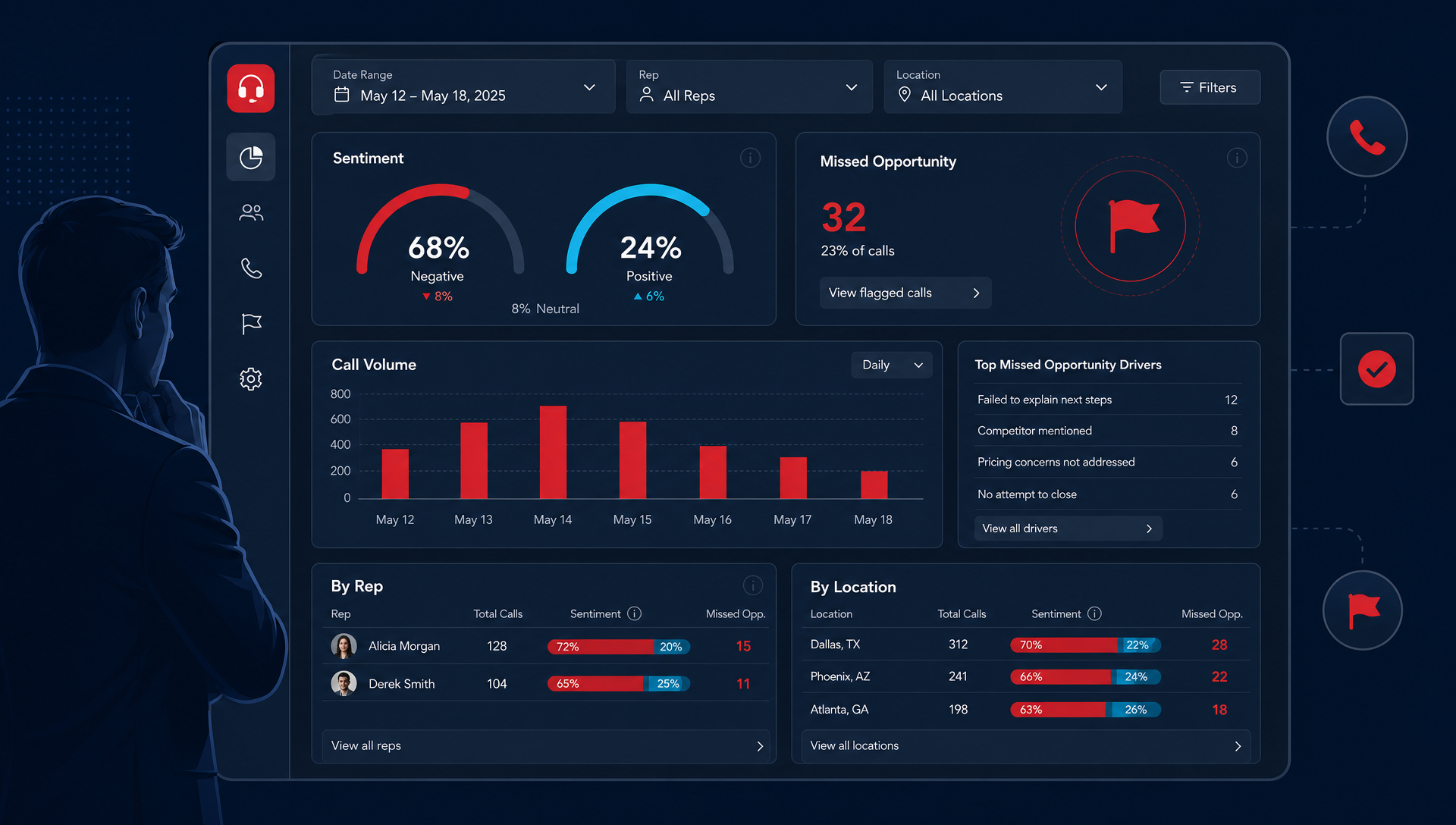
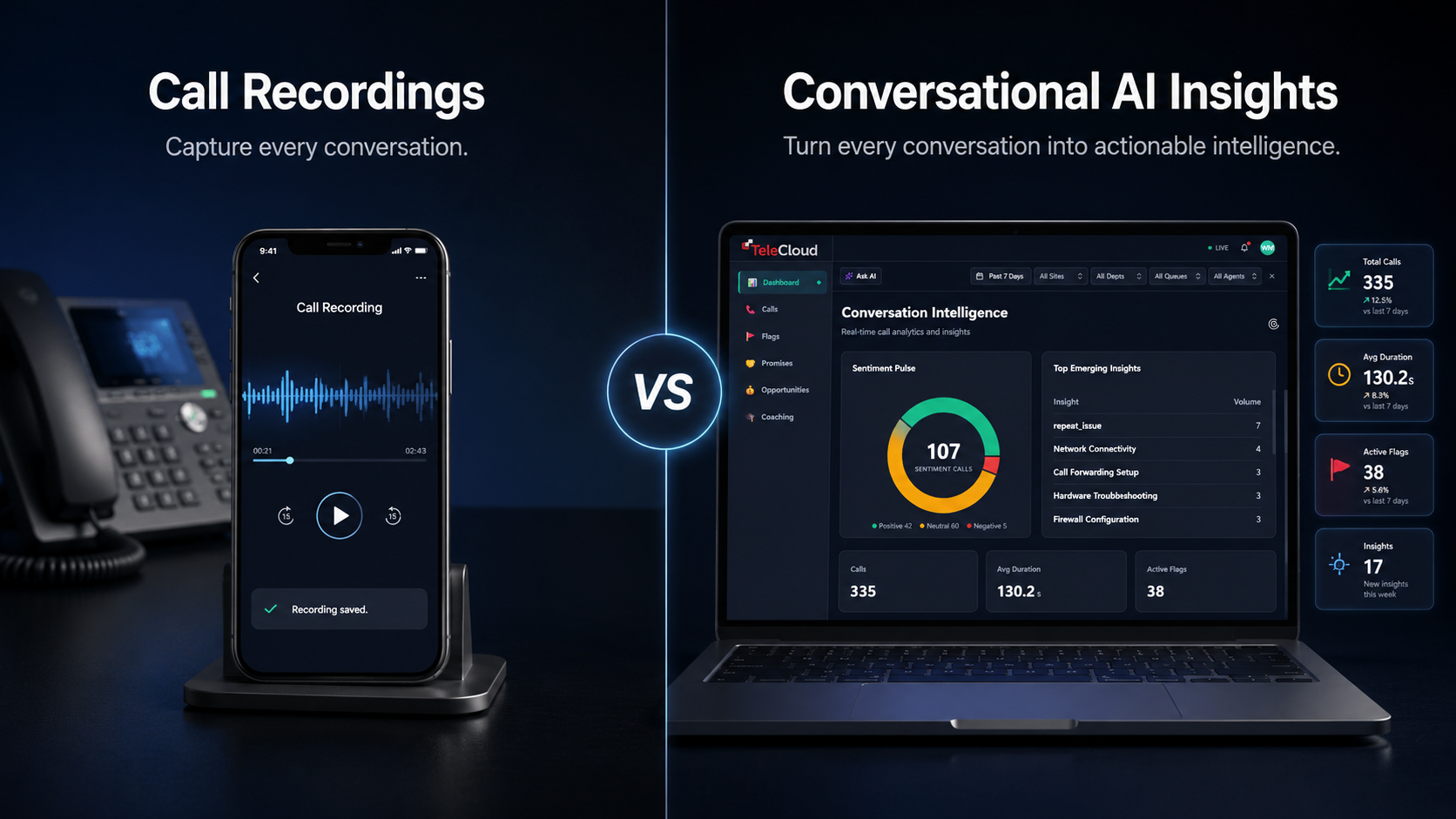
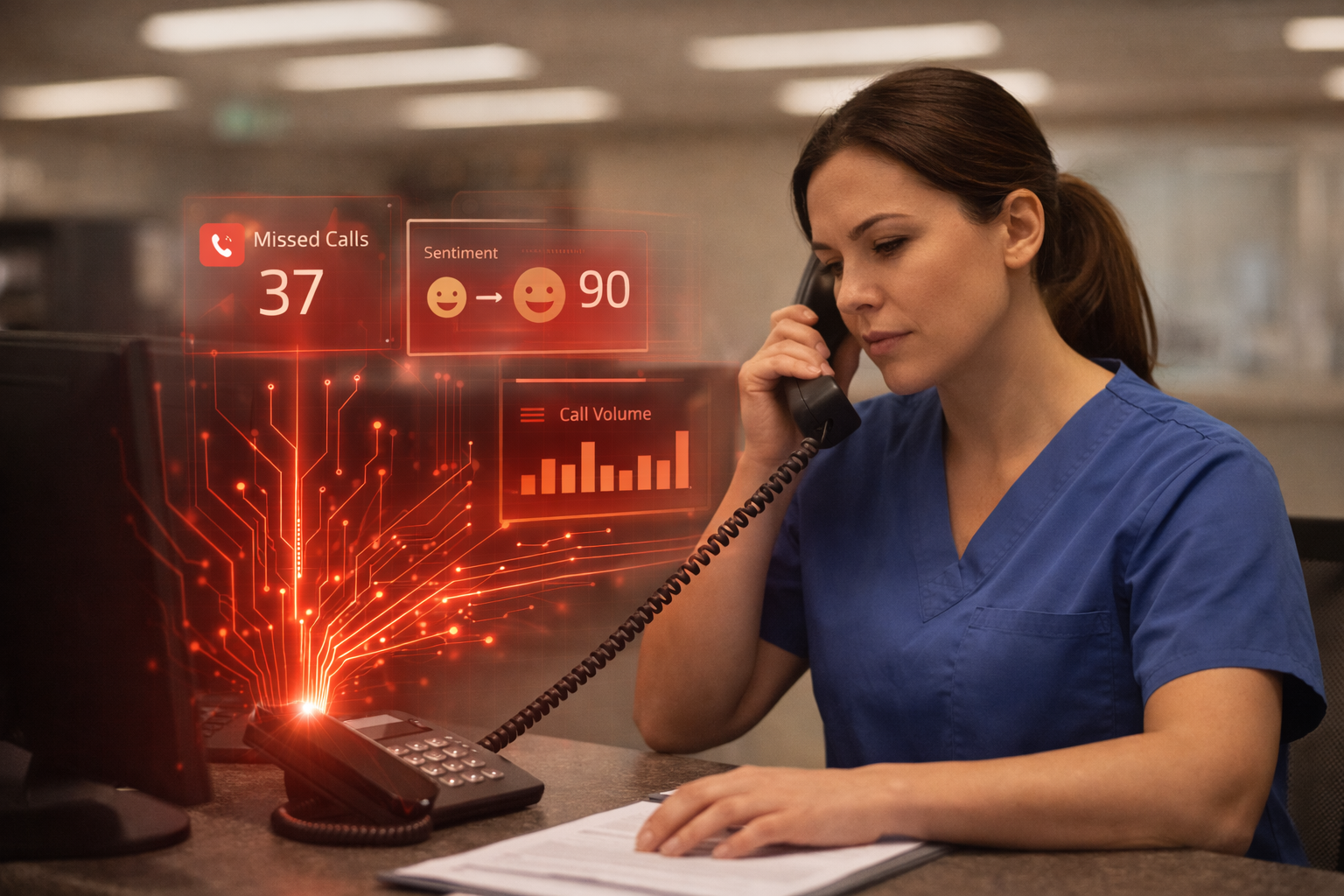
Traditional QA listens to a handful of calls per week, usually at random. That catches some issues but misses most of them. Conversational AI insights analyze 100 percent of call volume automatically, looking for:
- Tone and pacing patterns that signal disengagement or irritation
- Keywords and phrases associated with unresolved prior interactions
- Calls that close without a confirmed next step or appointment
- Repeat callers with no recorded resolution between attempts
When those signals appear together, the call gets flagged for review. A manager can pull it up within hours and reach out to the patient before there is time for a review to be written.
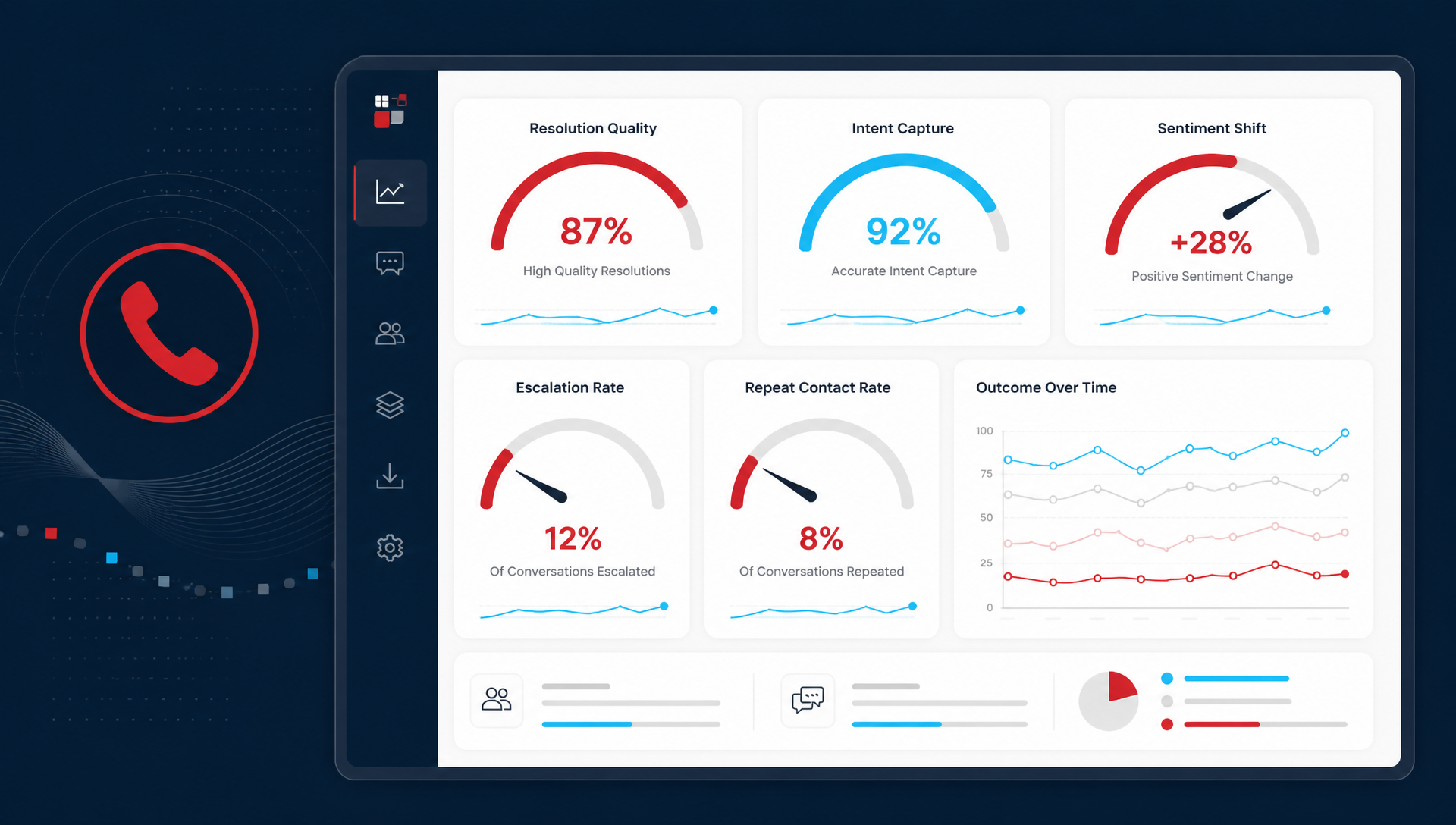
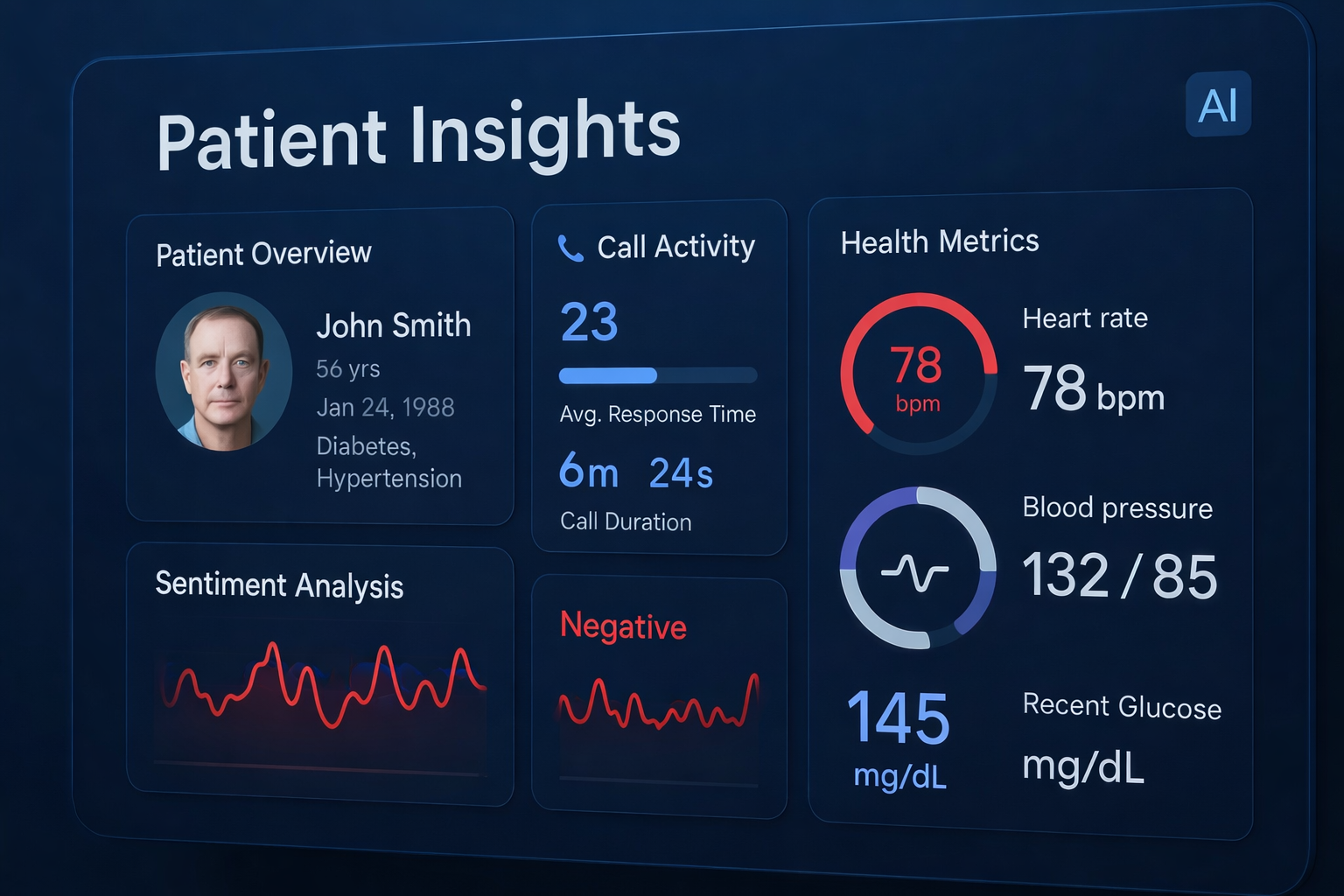
For multi-location operators, an AI Insights dashboard makes it possible to compare frustration signals across sites, identifying whether a pattern is isolated to one location or showing up system-wide.
|
Want to see what your call data is already telling you about patient experience? Request an Experity-connected AI Insights demo to find out where the friction is hiding in your call flow. |
What Should You Do When You Spot Frustration in a Call?
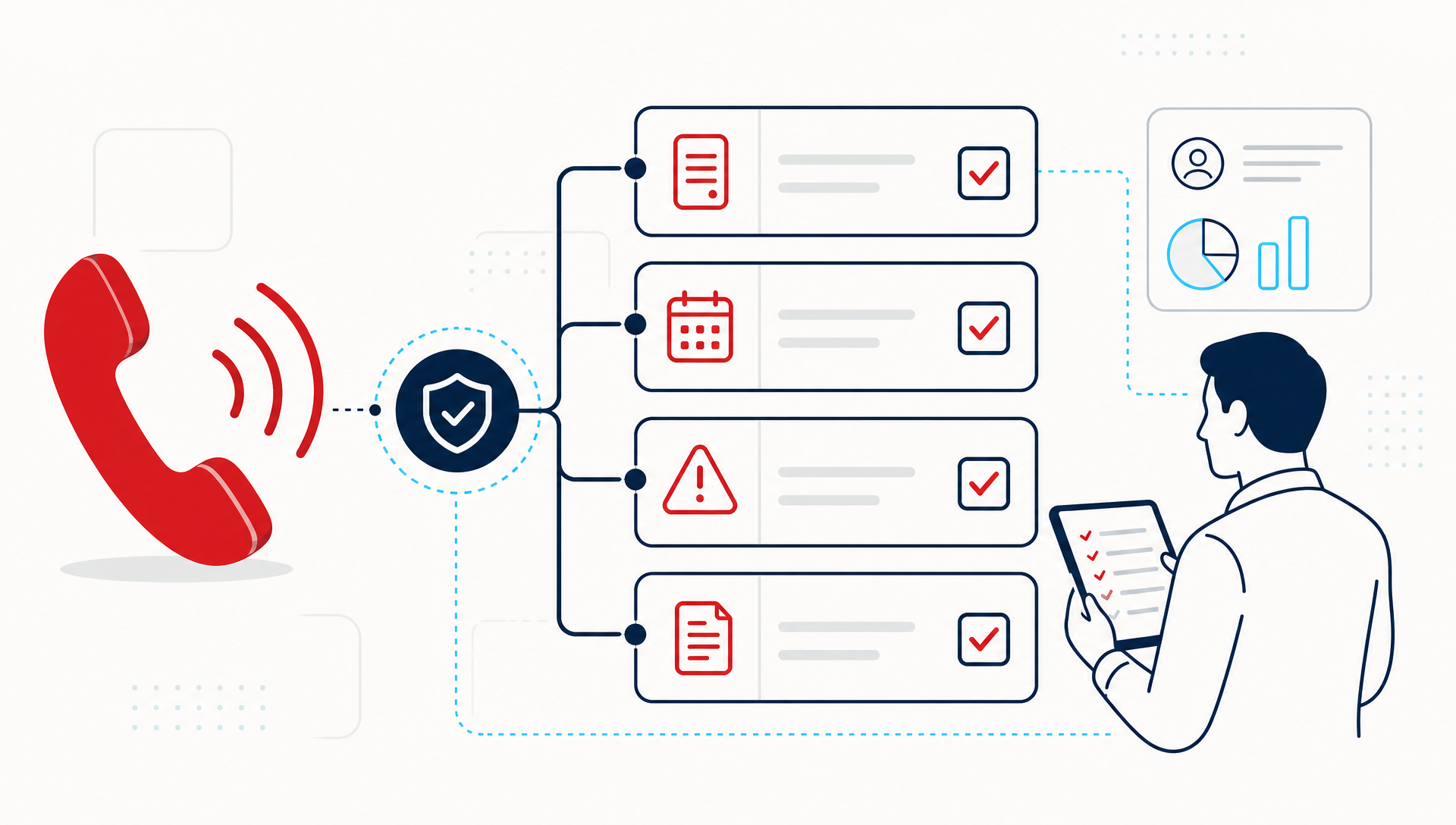
Detection is only useful when it is connected to a clear response. A simple workflow:
- Review flagged calls within 24 hours while context is fresh and the patient is still reachable.
- Identify whether the issue is systemic (hold times, staffing, coverage gaps) or individual (tone, failed resolution).
- Use individual call issues as coaching moments. Hearing their own calls is one of the most effective training tools available to staff.
- For patients who did not reach a resolution, consider a proactive outreach call. A patient who hears back before they have time to write a review often becomes a loyal patient instead of a former one.
What Is the Business Case for Catching Frustration Before It Reaches a Review?
There is a direct line between patient frustration left unaddressed and lost revenue. A drop in average star rating reduces new patient volume. A string of reviews mentioning phone problems drives prospective patients to a competitor before they make a first call.
The recovery math works in your favor too. Keeping a frustrated patient costs far less than acquiring a new one. Key benchmarks from TeleCloud's AI Insights data:
- 2x improvement in identifying negative sentiment calls compared to manual review
- 90 percent faster call review, meaning issues surface in near-real time
- 3x ROI improvement when AI Insights is combined with the full TeleCloud system
|
Every patient who stays loyal because a call experience was corrected in time represents a visit, and often a referral, that you did not have to buy. |
Stop Waiting for Reviews to Tell You What Your Calls Already Know
Patient frustration does not start with a review. It starts on the phone, and it leaves a signal in your call data every time.
The signals covered here, frustrated tone, repeat calls, unresolved interactions, and missed after-hours calls, are already present in your call volume. The difference between urgent cares that catch them early and those that do not is visibility.
If you want to see what your call data is already saying about patient experience, an Experity-connected AI Insights assessment is the right next step. Your call history already tells this story. The question is whether you can read it in time to act on it.
Frequently Asked Questions
|
Can AI really detect frustration in a phone call? |
|
Yes. Conversational AI analyzes tone, pacing, word choice, and resolution patterns across every call, surfacing signals that manual spot-checks miss, especially at high call volumes. |
|
What is the difference between call transcription and sentiment analysis? |
|
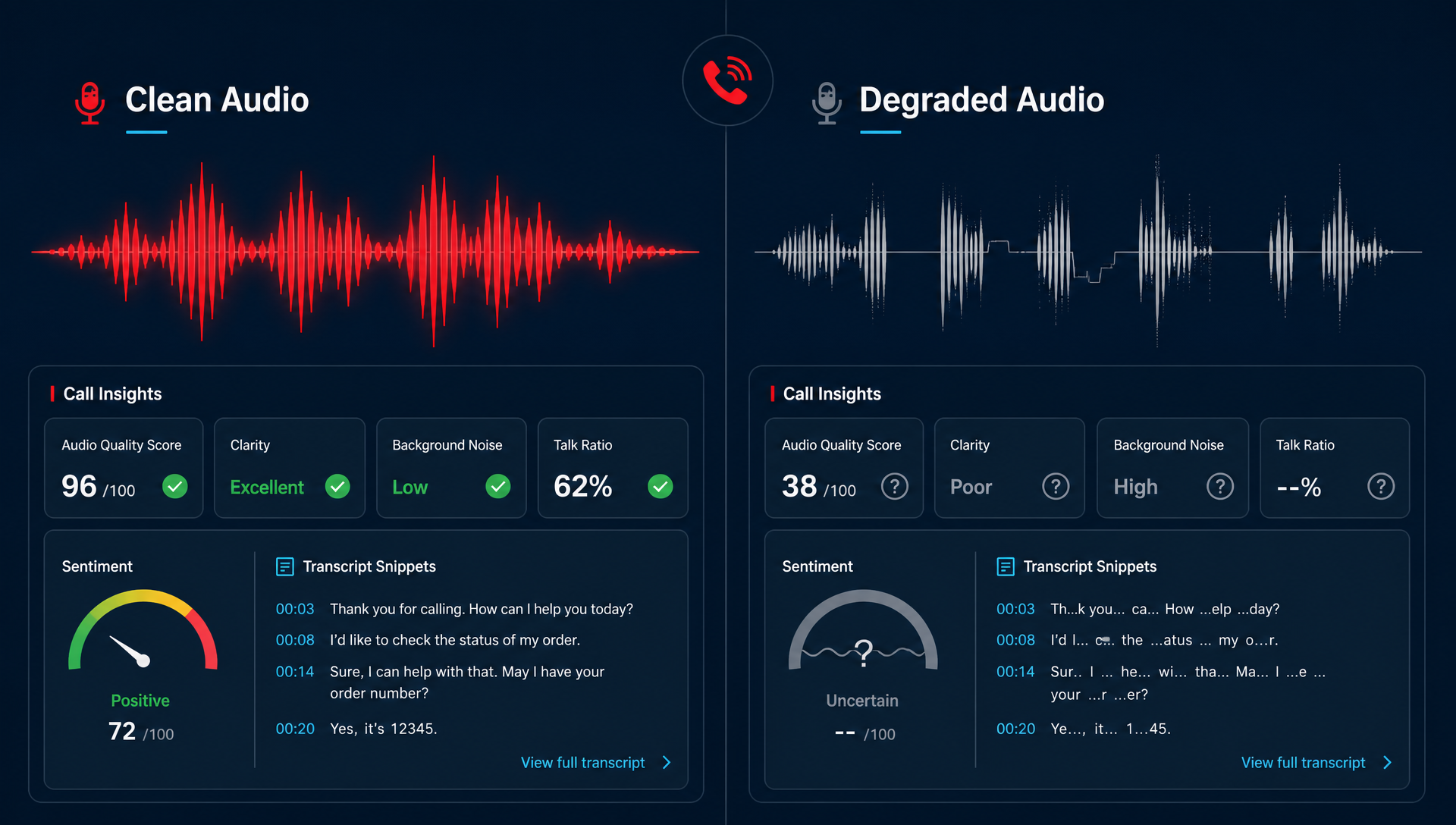
Transcription captures what was said. Sentiment analysis interprets how it was said and whether the interaction resolved positively or negatively. Sentiment analysis is what identifies frustration before it becomes a public complaint. |
|
How quickly can an urgent care respond to a flagged call? |
|
With an AI Insights dashboard, flagged calls can be reviewed within hours of the interaction, well before a patient typically has time to write a review. |
|
Does this require replacing our current phone system? |
|
Not necessarily. TeleCloud's AI Insights works with existing call infrastructure in many cases. An assessment of your current setup is the best starting point. |
|
What is the most common source of patient frustration in urgent care calls? |
|
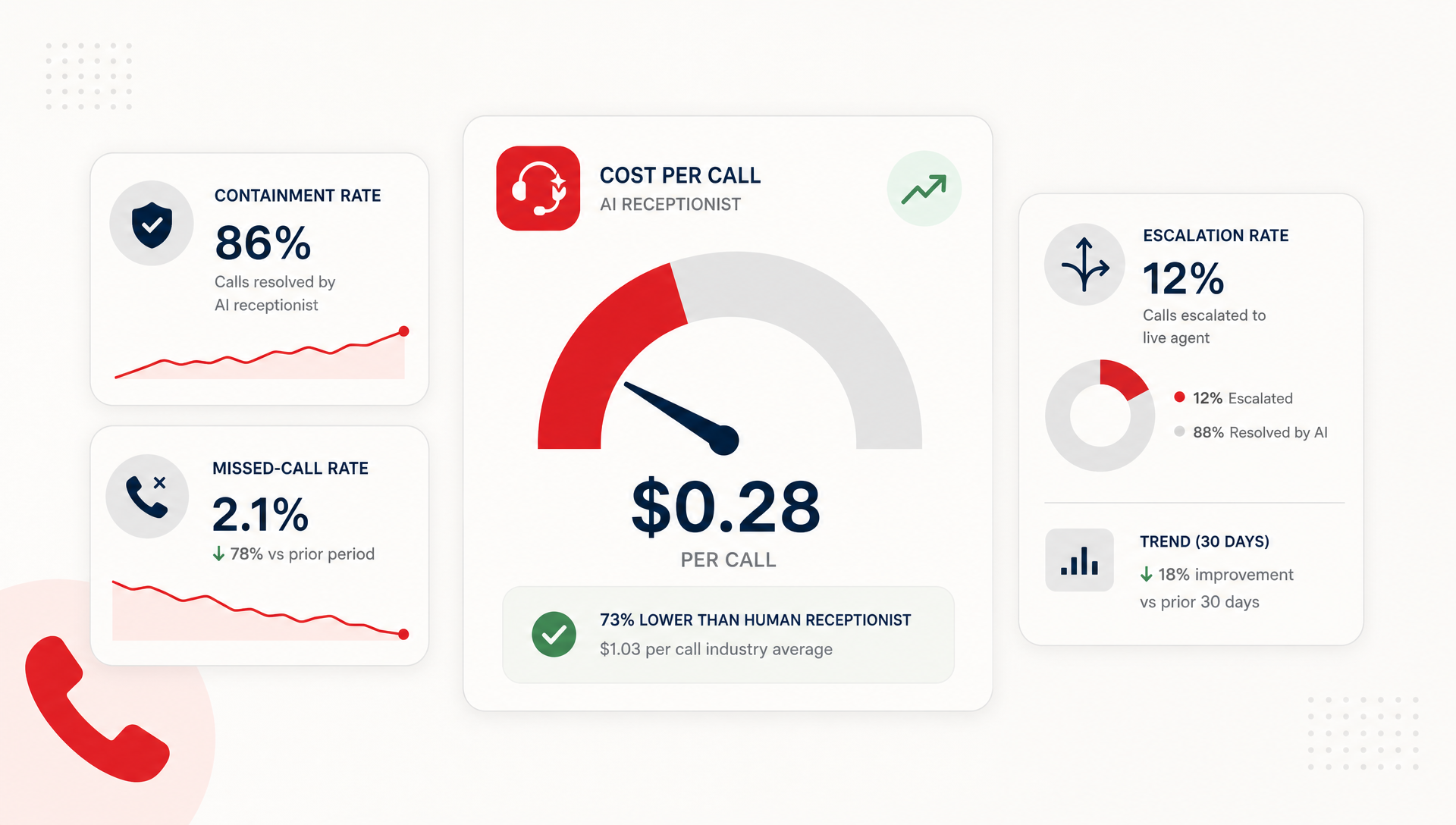
Missed and unanswered calls, particularly after-hours and scheduling-related calls. The industry average missed call rate in urgent care is 7 to 10 percent, with roughly 60 percent of those being scheduling-related. |
Will Maddox is the Digital Marketing Coordinator at TeleCloud, overseeing content, brand, and outbound strategy for the company. He writes about cloud communications, AI tools for business, and what SMBs and urgent care operators need to know to run better phone systems. Connect with Will on LinkedIn or email him directly to learn more.