

For many businesses, the idea of using AI in customer experience raises a familiar fear: that technology will make interactions less personal. We’ve all been there, waiting through a robotic phone menu or talking to a chatbot that doesn’t understand what we need. Those experiences gave AI a bad reputation.
But the truth is that modern AI isn’t replacing the human side of customer service; it’s amplifying it. Today’s tools help businesses listen better, respond faster, and provide a level of personalization that wasn’t possible before. When used the right way, AI actually helps people feel more seen, not less.
In this article, we’ll explore how AI is transforming customer experience into something more personal, not mechanical, and show how businesses can use it to strengthen human connection at every stage of communication.
Why AI Got a Bad Reputation in Customer Experience
AI didn’t start out with a great track record in customer service. For years, the word “automation” meant cold, rigid systems that frustrated customers. Phone menus made callers wait through endless options, and early chatbots often failed to understand even simple questions.
The problem wasn’t that businesses wanted to automate; it was how automation worked. It focused on efficiency, not empathy. As a result, customers learned to associate automation with impersonal experiences.
That’s changing. Modern AI uses natural language processing and contextual understanding to hold real conversations. It listens, learns, and adapts. Instead of replacing human services, it’s making it more consistent and accessible.
 The Shift From Automated to Intelligent Communication
The biggest shift in customer experience today is from “automated” to “intelligent.”
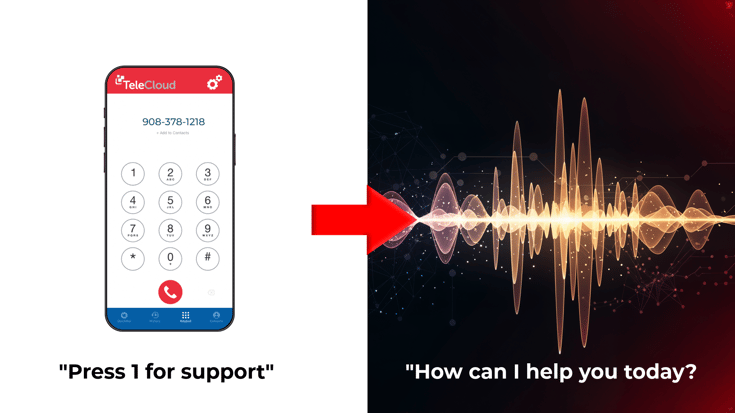
Old automation relied on scripts. It was transactional: a series of programmed responses. Intelligent communication, on the other hand, uses AI to understand intent, context, and emotion.
For example, an old system might say, “Press 1 for Sales.” A modern AI receptionist can simply ask, “Hi there, how can I help today?” and understand that “I need to schedule a service” means “route to scheduling.”
This new generation of communication doesn’t remove people from the process, it makes them more effective. It ensures customers get help faster, and it gives employees better insight into what those customers actually need.
How AI Helps Businesses Deliver More Human Experiences
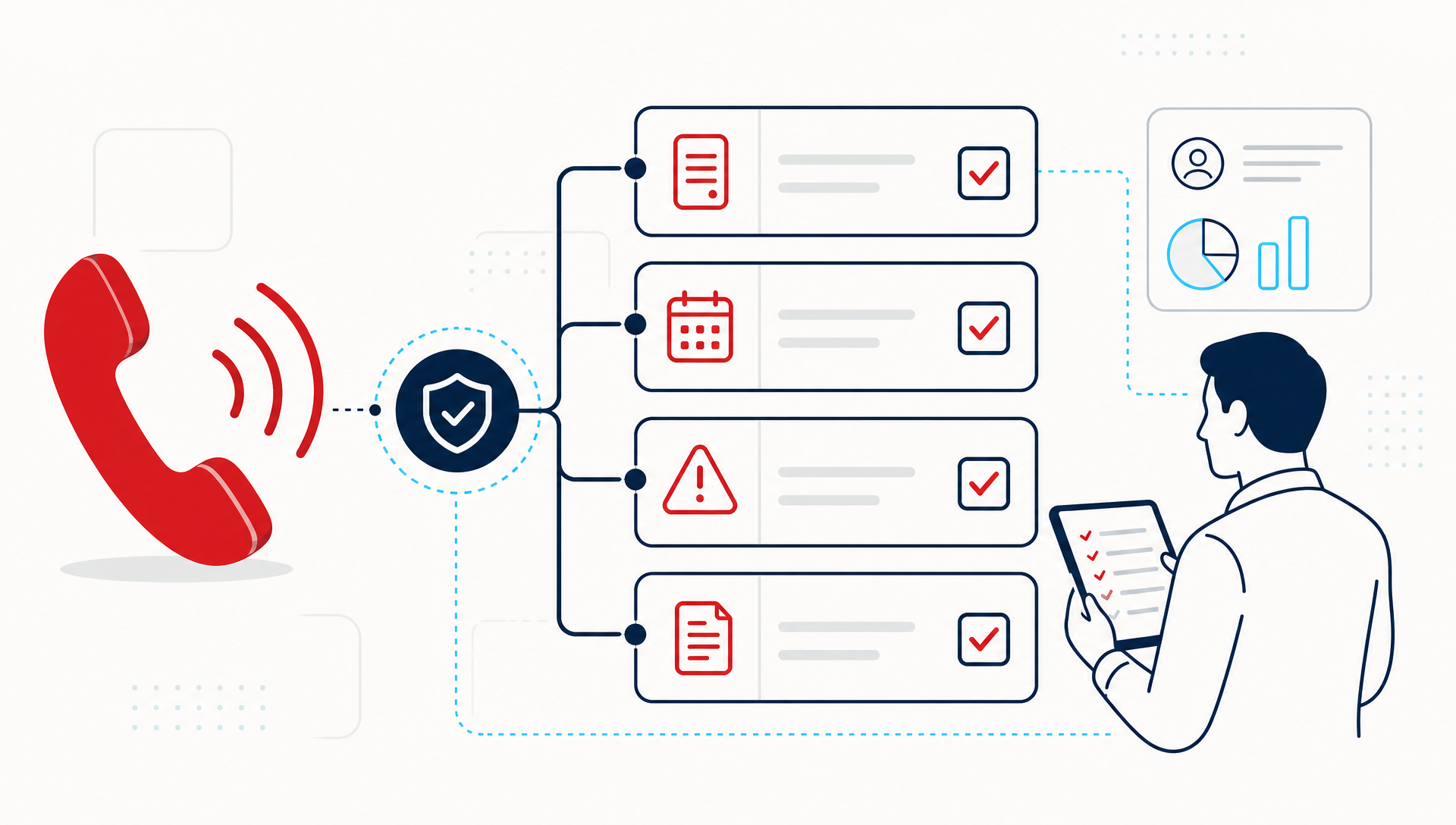
The best AI tools are built to enhance human connection, not replace it. They work behind the scenes to make conversations smoother, smarter, and more personal. Here’s how.
1. AI Makes Listening Easier
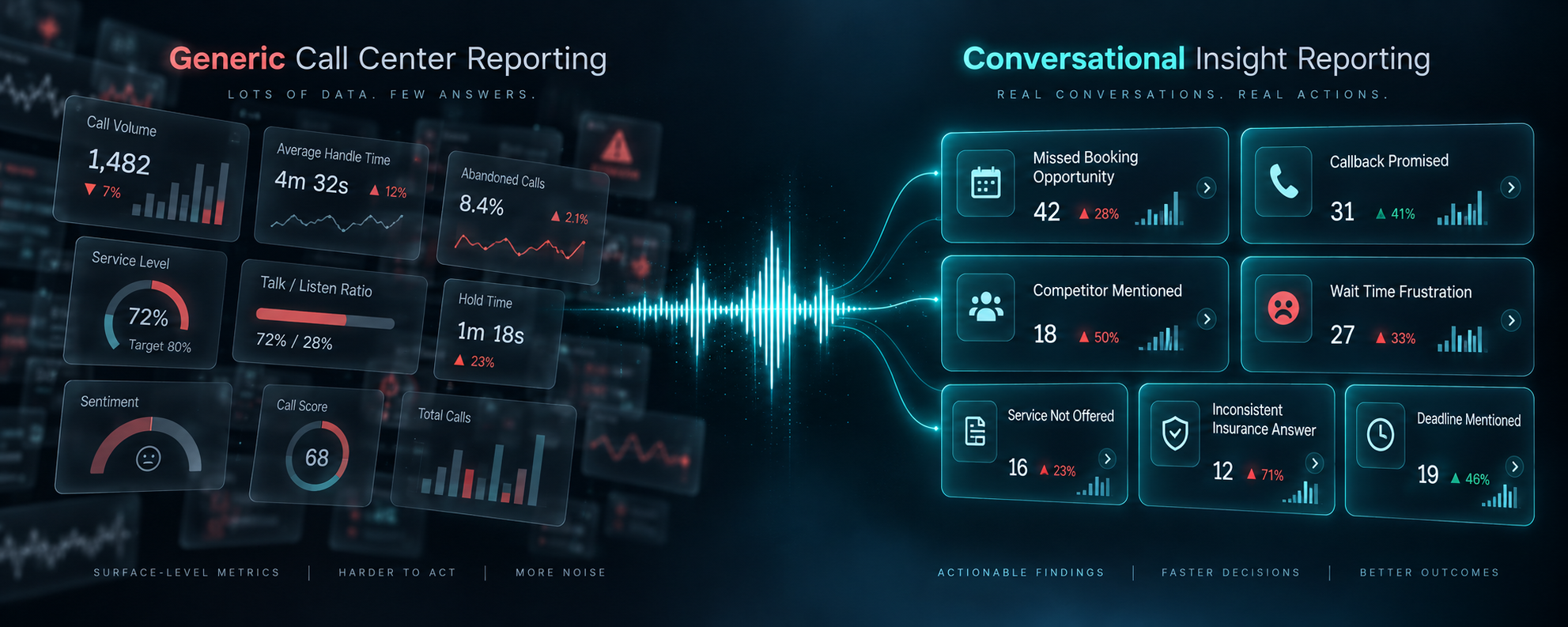
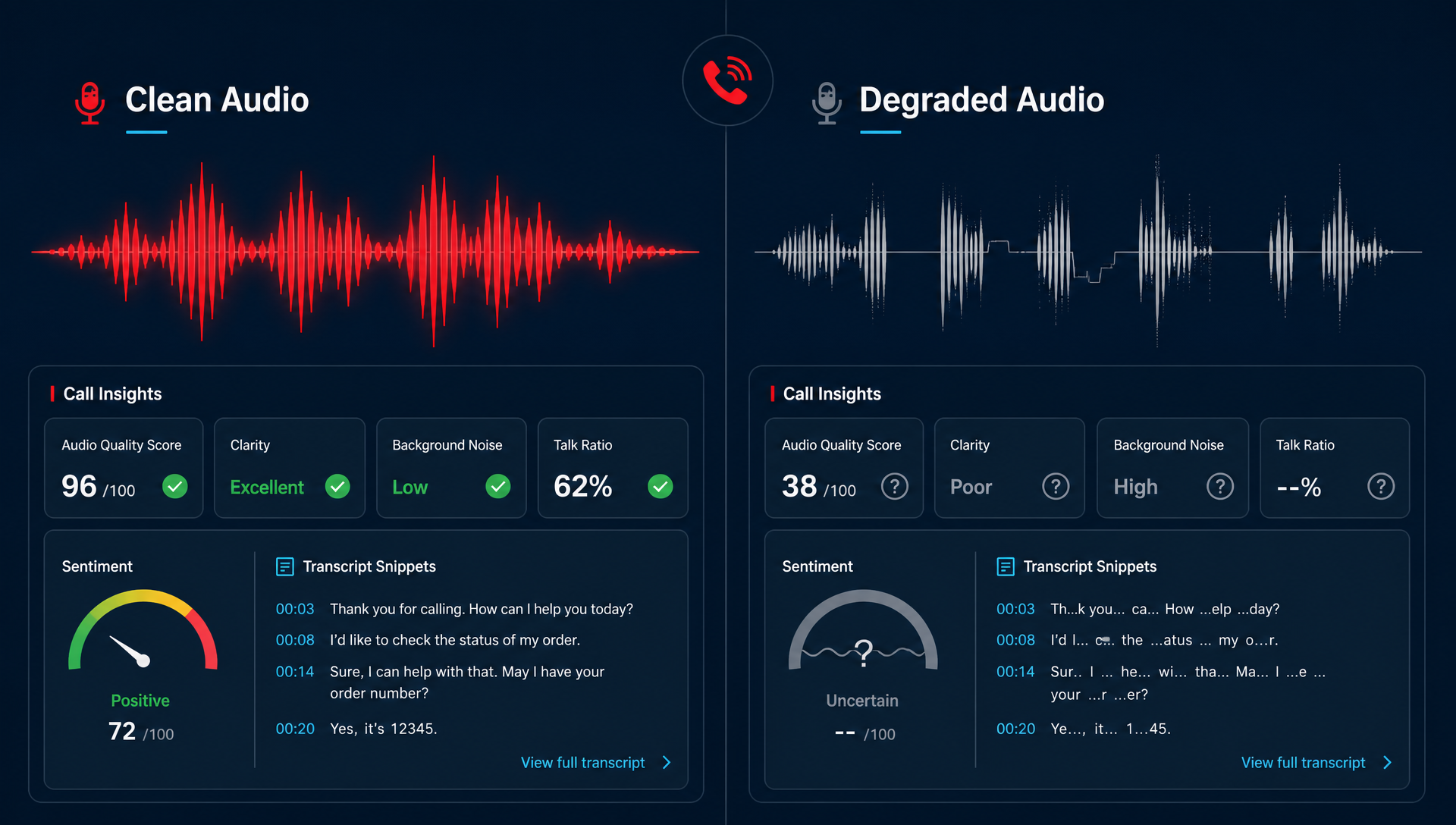
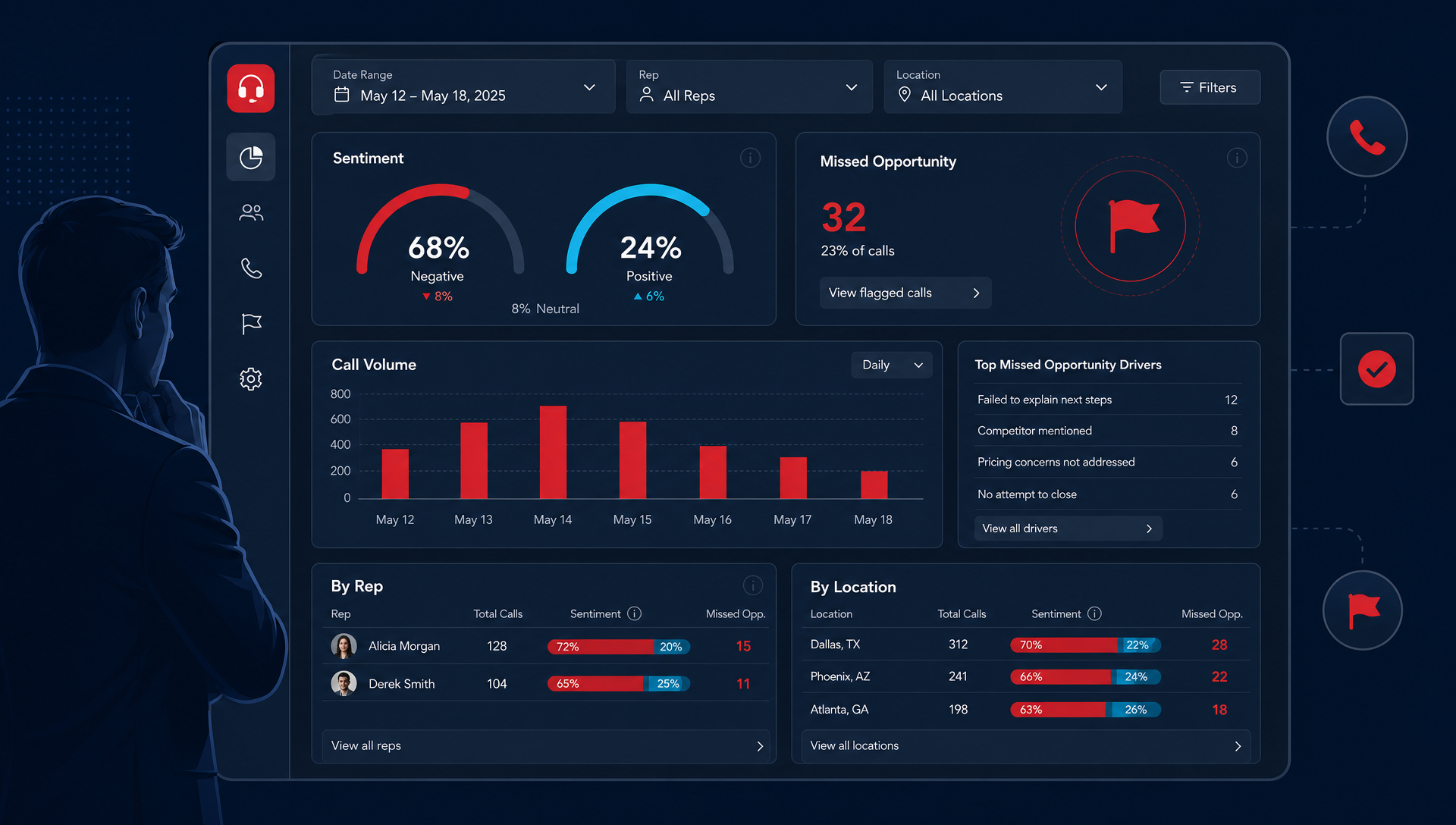
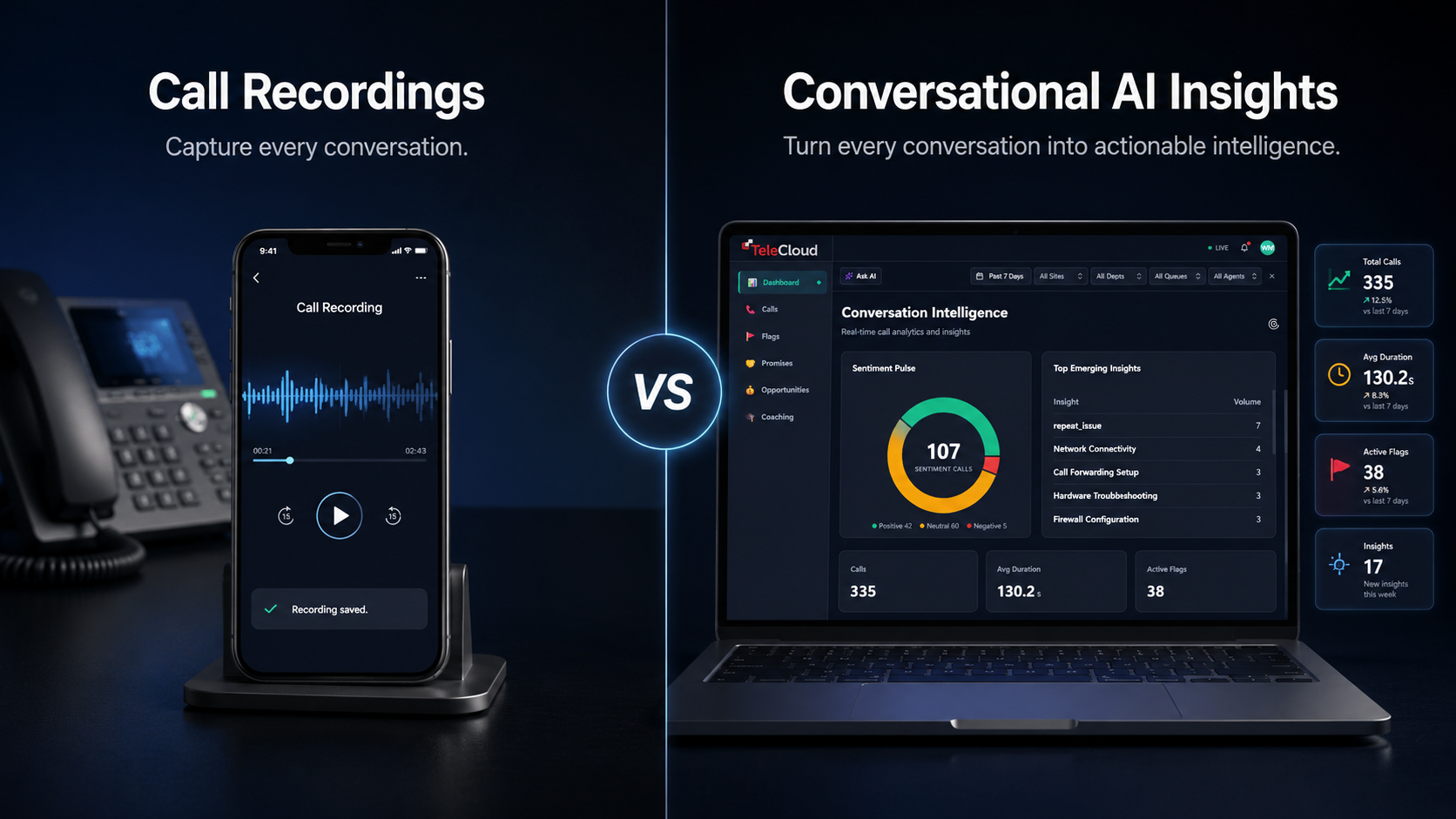
Listening is at the heart of every great customer experience. AI transcription and sentiment analysis help businesses capture what customers are saying and how they feel in real time.
By identifying tone and keywords, AI can highlight frustrated or confused customers, allowing teams to respond quickly and with empathy. It also gives leaders valuable insight into recurring questions, helping them improve service across the board.
2. AI Personalizes Every Interaction
When AI is connected to your CRM or business tools, it recognizes repeat callers and remembers context. That means every interaction can start from a place of familiarity, not repetition.
Instead of asking a customer to restate their issue, your team can pick up right where the last conversation left off. It feels more personal because it is, powered by data that helps humans do their jobs better.
3. AI Handles Routine Tasks So People Can Focus on People
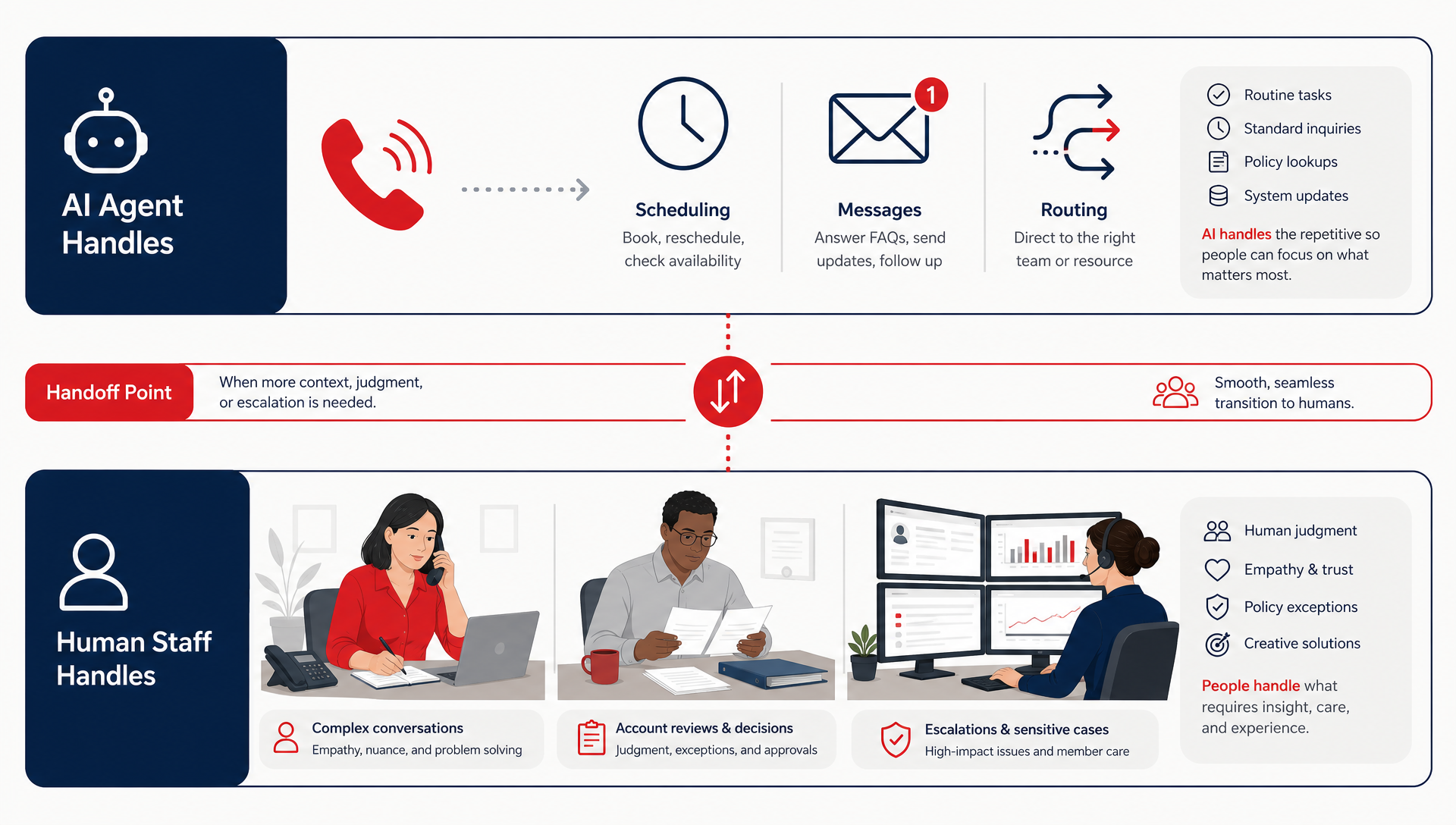
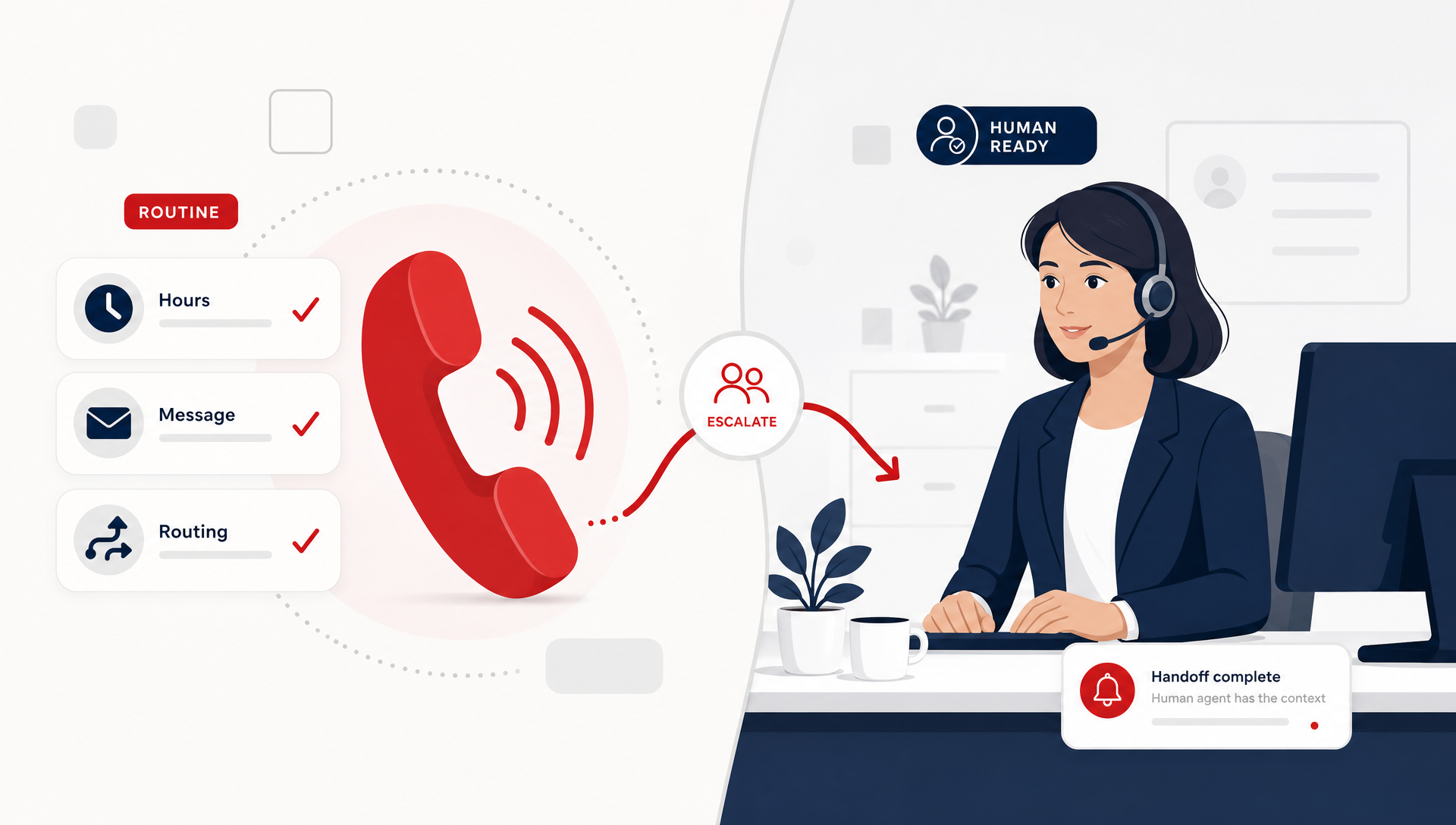
AI excels at repetitive, rules-based work: answering FAQs, checking hours, and confirming appointments. By offloading those tasks, employees can spend more time solving problems and building relationships.
This doesn’t remove the human touch; it protects it. When staff aren’t tied up with basic calls, they have more time for the interactions that truly matter.
4. AI Keeps Experiences Consistent
Every business wants customers to have a great experience, no matter who answers the phone or what time they call. AI ensures that consistency.
By handling greetings, basic information, and routing in the same way every time, AI helps businesses deliver predictable, professional service while still leaving room for human warmth where it counts.
Real Examples of AI Making CX More Human
The Home Services Company That Never Misses a Call
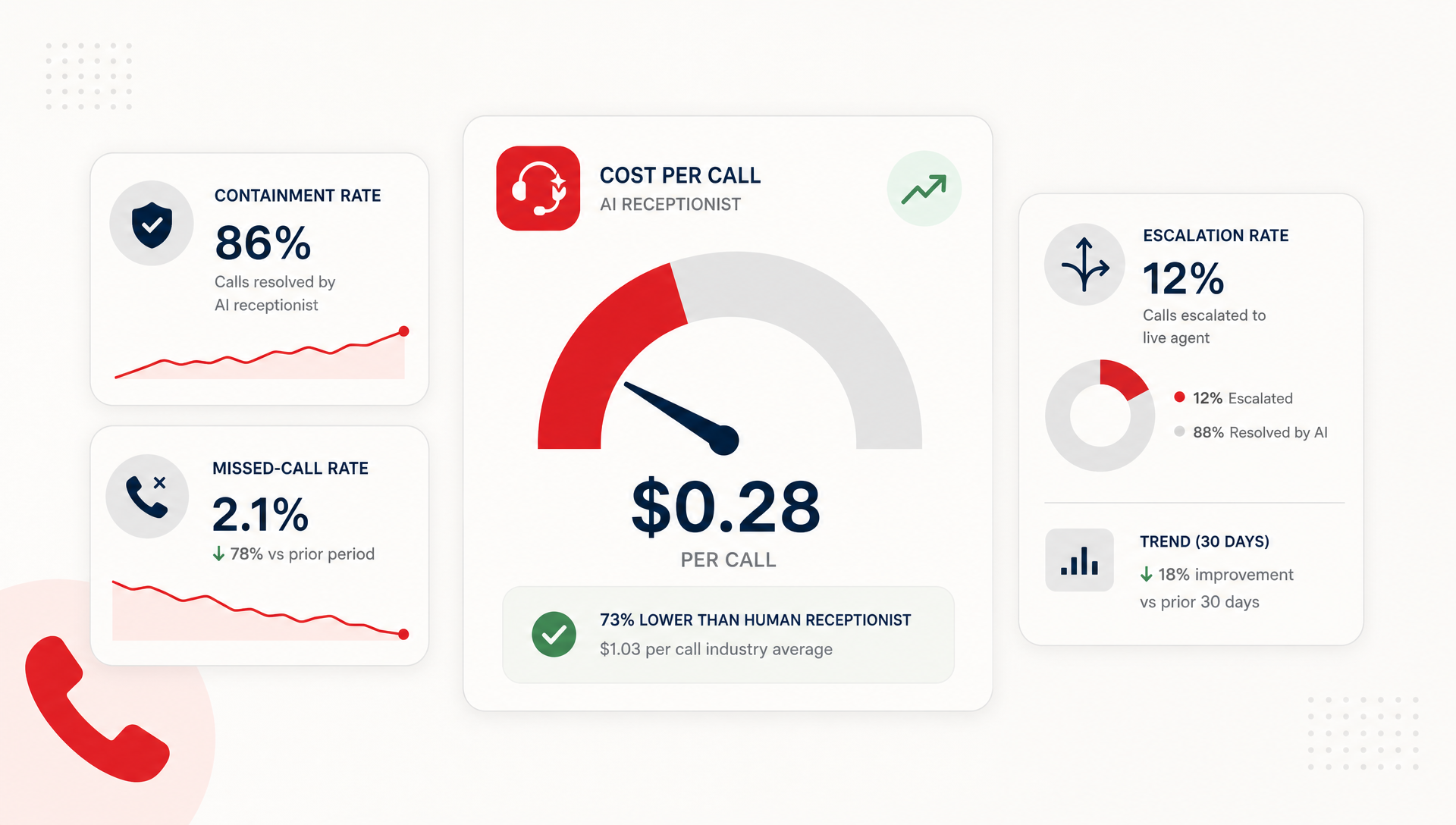
A plumbing company used to lose leads after hours because calls went to voicemail. After introducing an AI receptionist, every call is answered, every message captured, and urgent issues are routed automatically. Customers feel taken care of, even late at night.
The Dental Office That Feels More Personal
A dental practice connected its AI receptionist to their scheduling system. When patients call, the AI greets them by name and recalls their last visit. It can confirm appointments or answer questions before transferring to staff. The result feels more like a conversation than a transaction.
The Support Team That Learns From Every Call
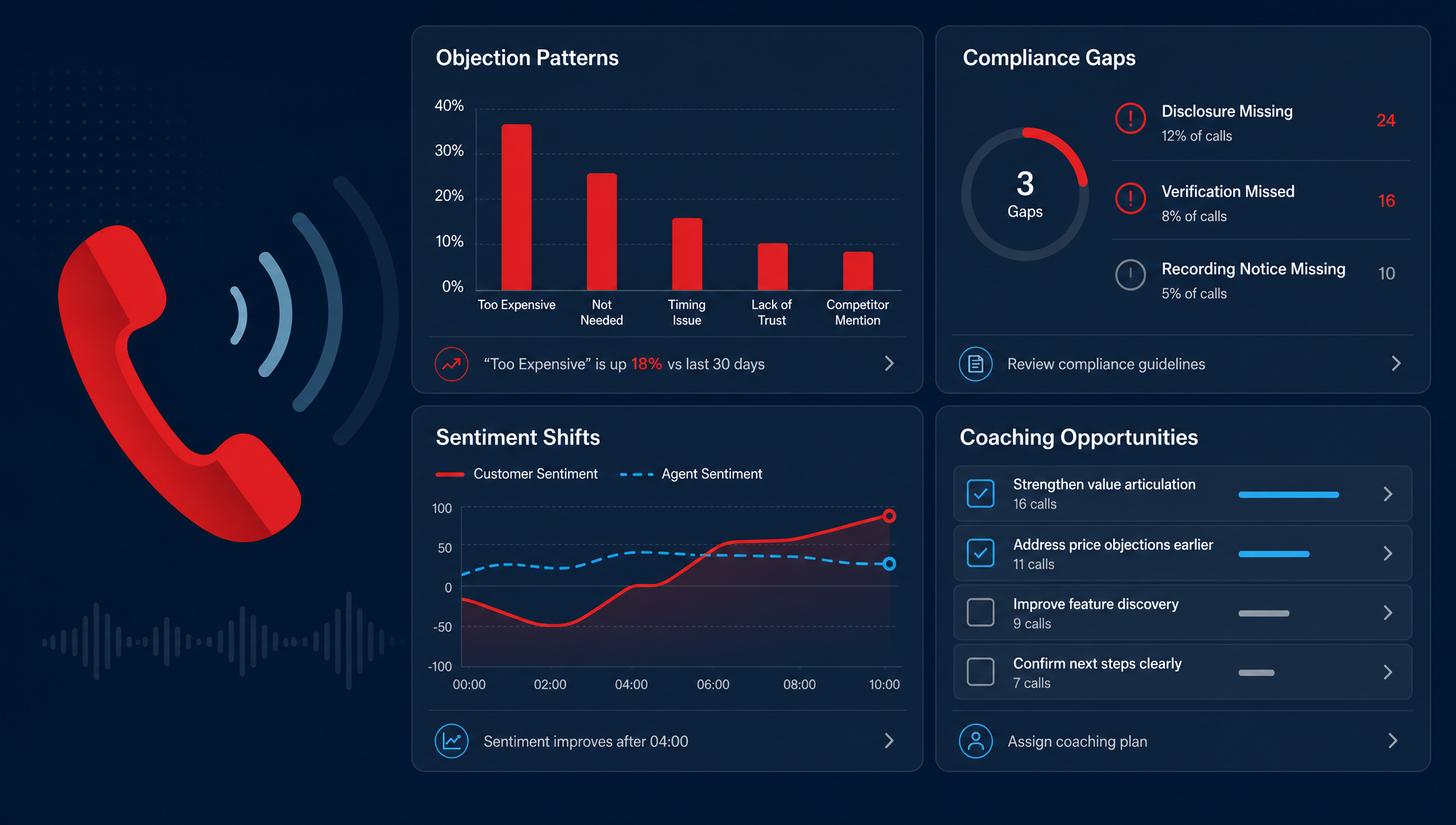
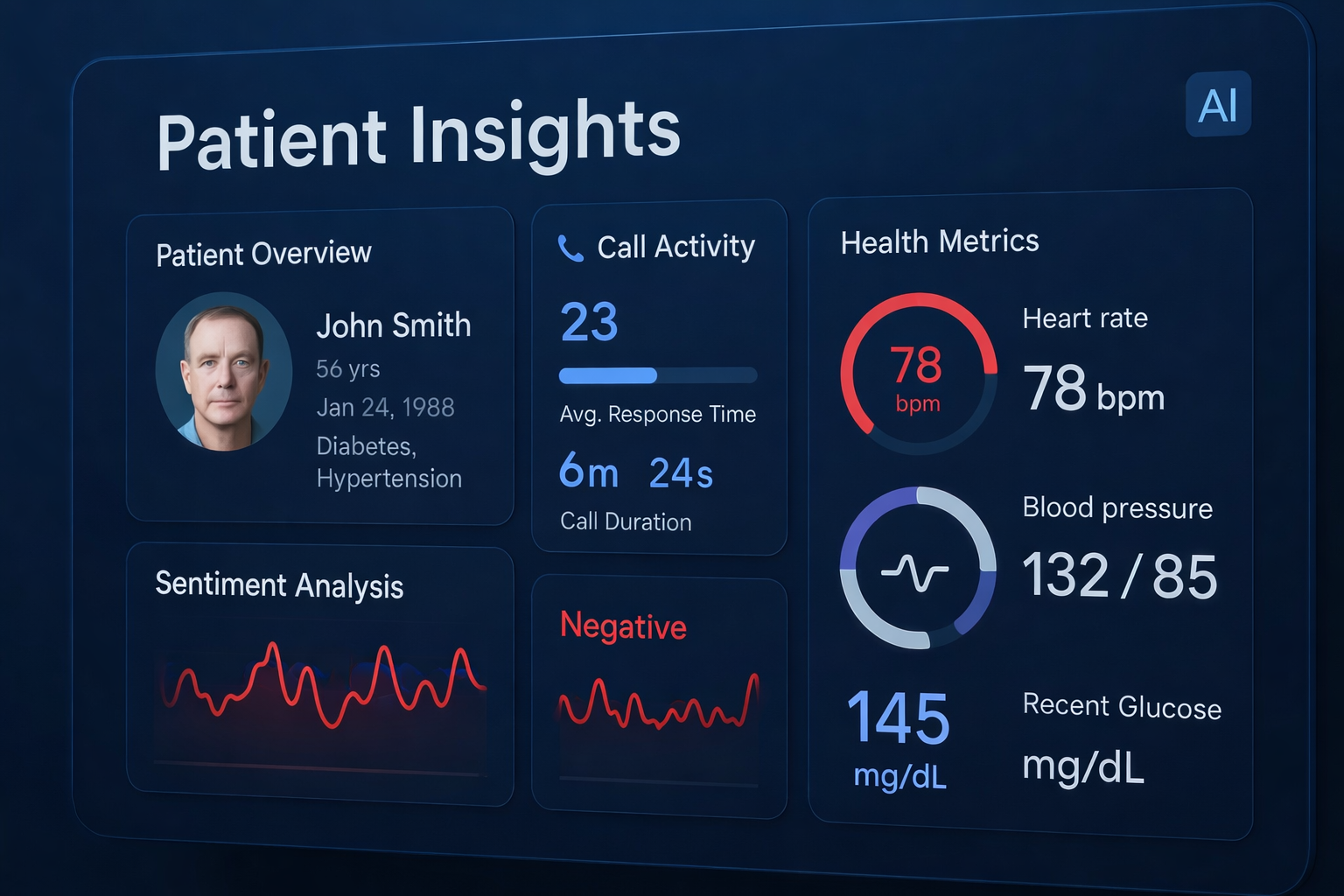
A service business uses AI sentiment analysis to review customer tone during calls. When negative sentiment rises, the team adjusts scripts and coaching to build empathy. Over time, their service ratings have improved, powered by data that helps real people respond more thoughtfully.
Does AI Replace the Human Touch?
This is the question most business owners ask, and it’s the wrong one. The better question is: How can AI give my team more time to be human?
AI doesn’t replace empathy, creativity, or problem-solving. It can’t replicate the understanding that comes from a real conversation. But it can handle the repetitive work that often gets in the way of those conversations.
Think of AI as the foundation that supports your team. It listens, organizes, and assists so your employees can focus on connecting with people. In the right setup, AI doesn’t remove the human touch; it amplifies it.
How Businesses Can Use AI to Humanize Their Customer Experience
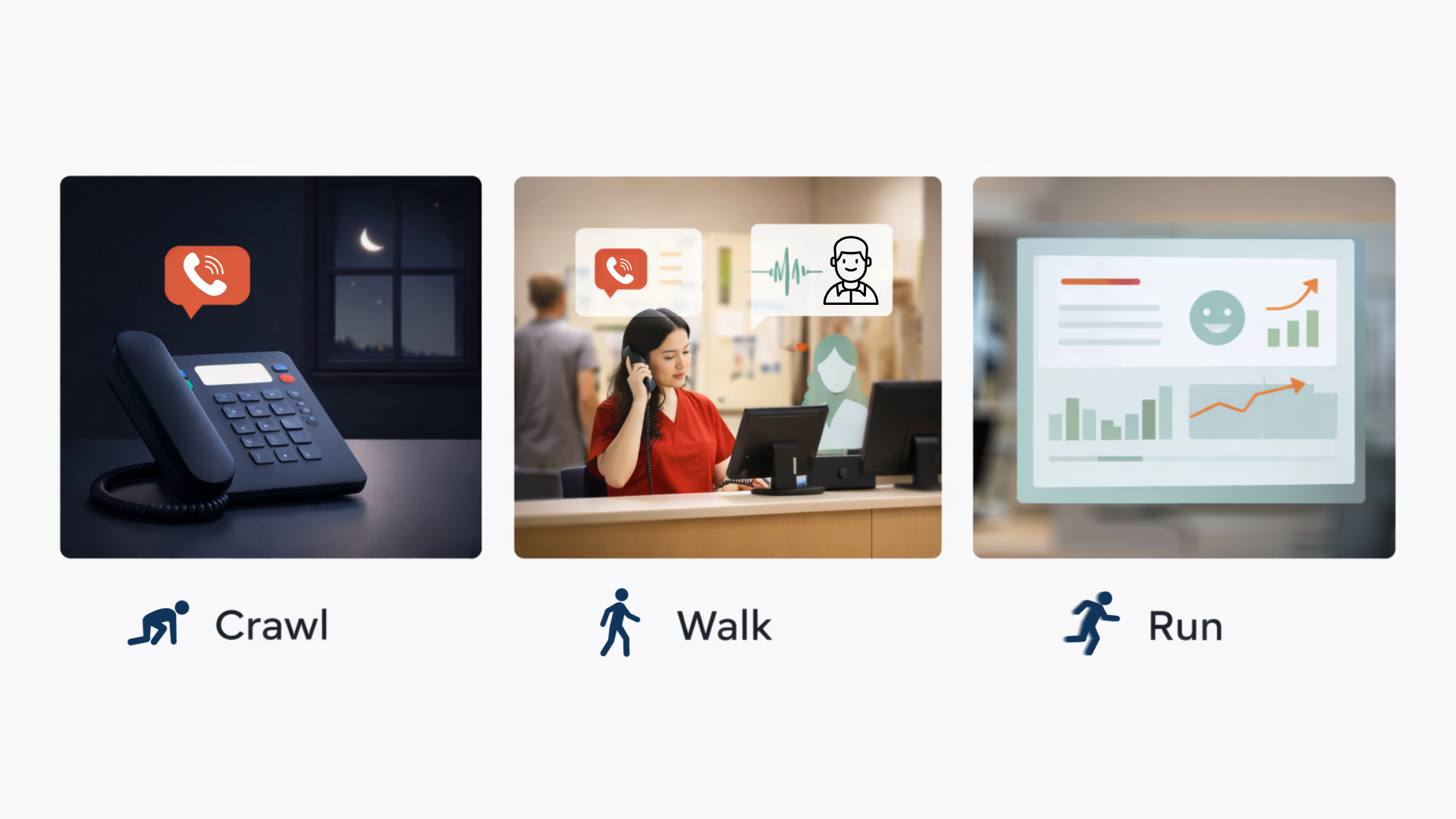
You don’t have to overhaul your business to make AI work for you. We call it the crawl-walk-run approach, here’s how to start simple and grow with confidence.
Step 1: Start With Listening Tools
AI transcription and sentiment analysis give you visibility into customer tone and trends. Use this to identify pain points and improve service quality.
Step 2: Add Smart Call Handling
AI receptionists can answer calls, route inquiries, and capture messages when your team is unavailable, especially after hours.
Step 3: Personalize With Integration
Link your AI tools to your CRM or call system so returning customers are recognized instantly. Personalized greetings and context make every interaction smoother.
Step 4: Review and Refine
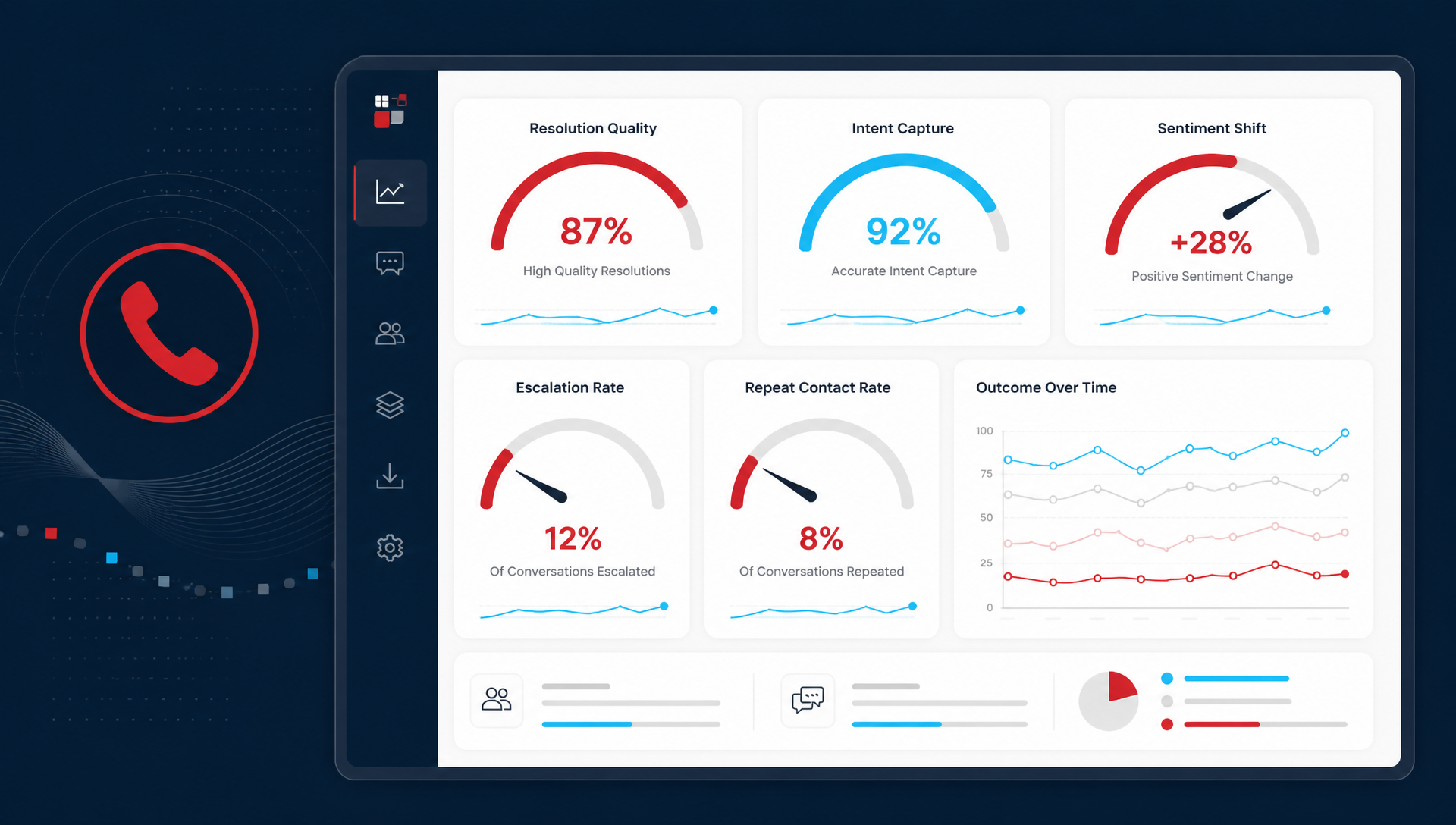
Use AI data to coach staff, adjust responses, and improve workflows. AI gives you real insights you can act on to make your customer experience better over time.
Each step builds on the one before it, helping your team use AI in a way that feels natural, not forced.
The Future of Human-Centered AI in Customer Experience
AI is evolving quickly, but its direction is clear: toward empathy, not efficiency alone. The next generation of AI systems will understand tone, detect emotion, and tailor responses in ways that make technology feel less like a machine and more like a helpful extension of your team.
Businesses that start adopting AI now are building the foundation for that future. The goal isn’t just automation; it’s connection. Those who learn how to use AI to listen better, respond faster, and care more deeply will lead the next era of customer experience.
Using AI to Be More Human, Not Less
AI is changing the way businesses communicate, but not in the way most people fear. When used thoughtfully, it helps your team be more attentive, more consistent, and more human.
By taking care of the repetitive work, AI gives people time to focus on what they do best: building trust, solving problems, and delivering great service. Customers get faster, friendlier experiences, and your staff get the support they need to deliver them.
Every call, every message, every customer interaction becomes more intentional. That’s not technology replacing people; that’s technology helping people do their best work.
Topics: