
How TeleCloud Sentinel Conversational Insights Helps Real Estate and Property Management
October 13th, 2026
5 min read
By Will Maddox

A resident calls the leasing office for the third time about the same leak. Each time, someone was polite. Each time, someone said they'd get maintenance out. And each time, the call ended without a work order. Nobody did anything wrong on purpose. The promise just never made it from the phone into the system.
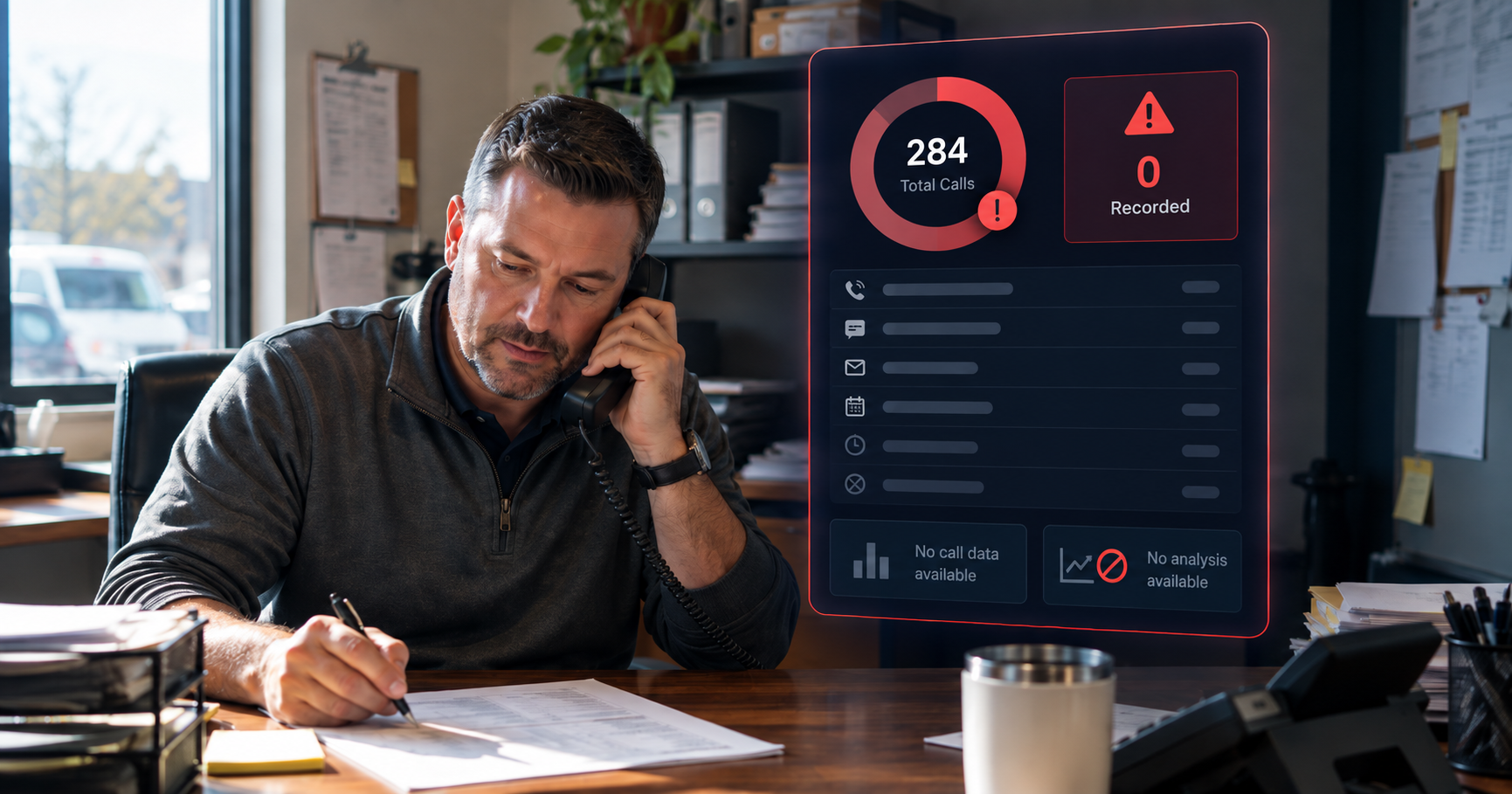
You find out when the resident escalates, leaves a review, or doesn't renew. By then the conversation that could have prevented it is three weeks old and sitting in a recording nobody will ever play.
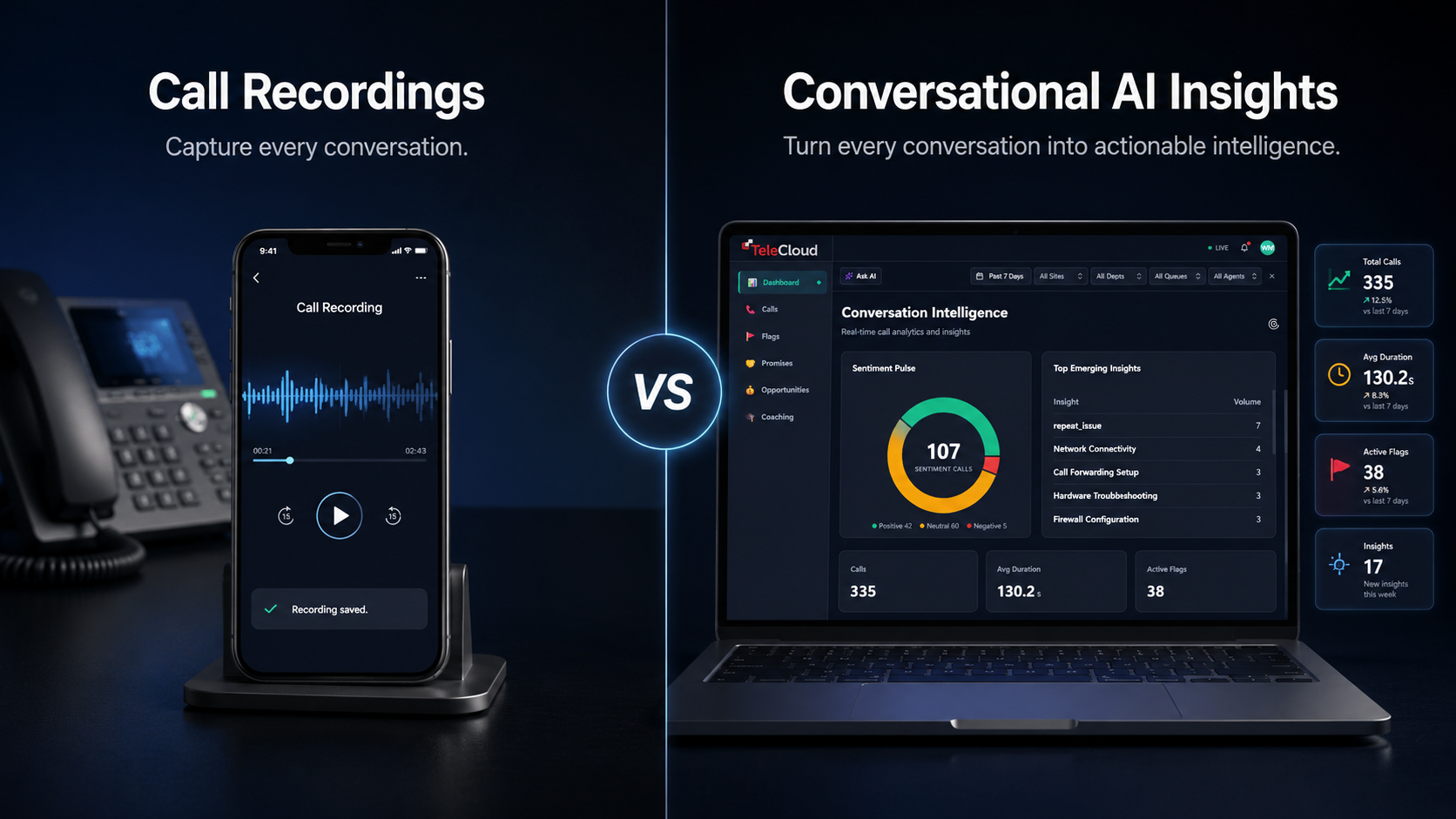
That's the gap TeleCloud Sentinel Conversational Insights was built to close. It reads every recorded call your offices take, flags the ones that ended without a next step, and tells the right person the same day. Your staff keep taking calls the way they do now. You just stop finding out last.
What's Actually Happening on Your Resident and Leasing Calls?
Property management runs on the phone more than most businesses admit. Residents call about repairs, rent, noise and renewals. Prospects call about availability. Vendors call about access. Nearly every one of those calls carries a commitment, and almost none of them get reviewed.
- A resident reported a condition like no heat or an active leak, and no work order was raised.
- Someone promised a callback, a payment arrangement or a unit visit, and there's no record it happened.
- Several residents in the same building called about the same problem, and each call was handled as if it were the first.
- A prospect asked about availability and hung up with no showing booked and no next step.
- A resident mentioned they were thinking about moving out, and nobody heard it before renewal time.
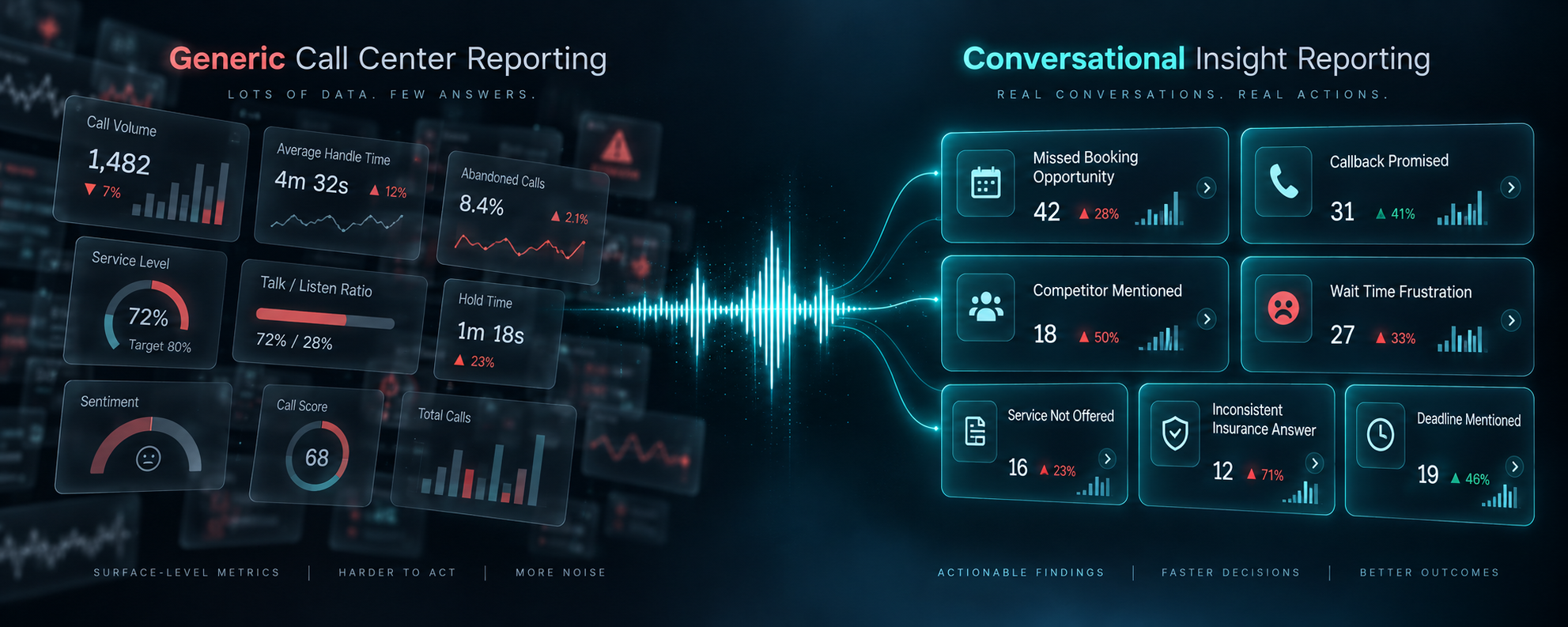
None of this shows up in a call report. The report says the call came in, lasted four minutes, and was answered. It can't tell you the call ended with a promise nobody kept.
Why Can't the Office Manager Just Listen to More Calls?
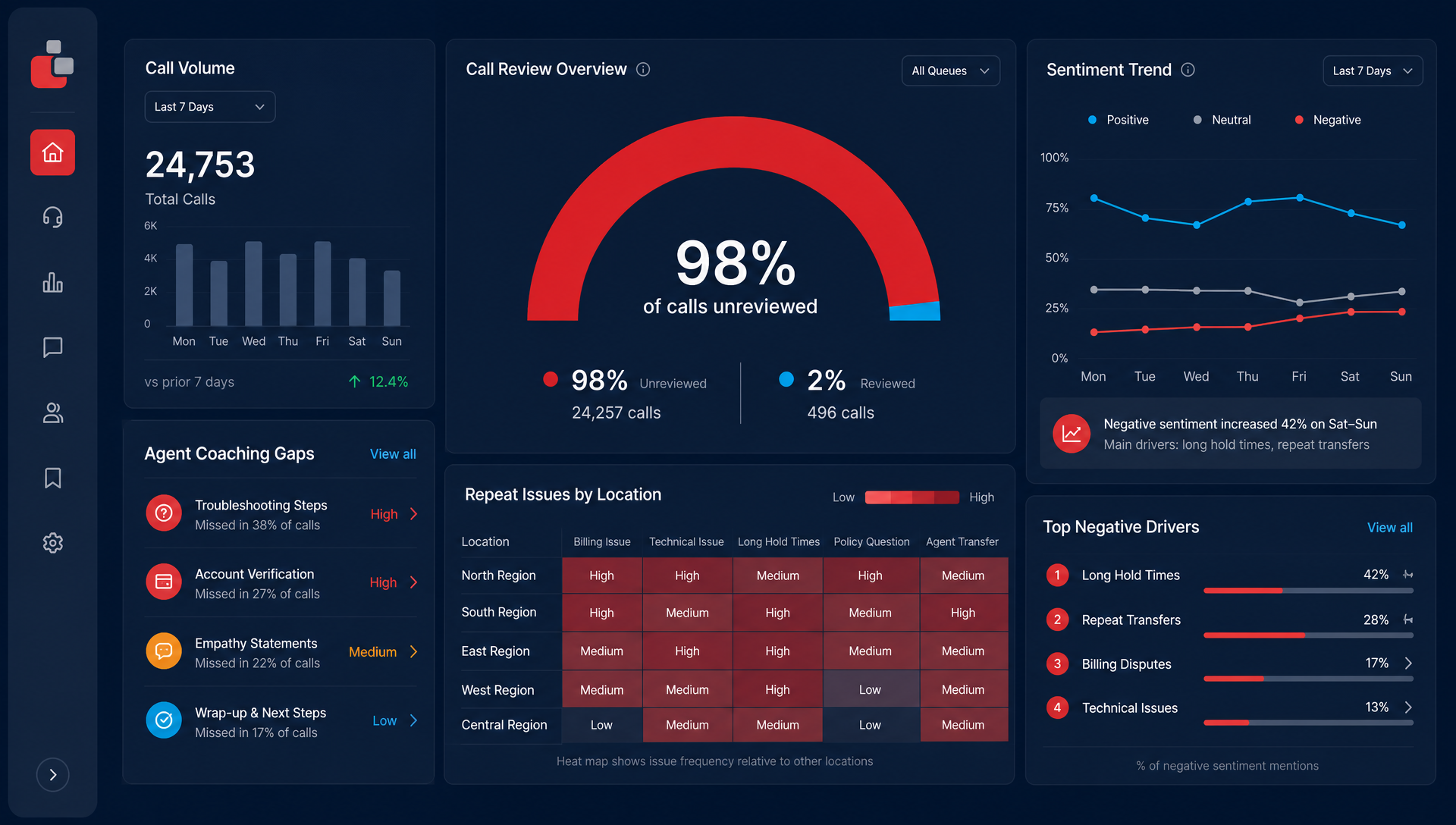
Some do, a few calls a week. It's a reasonable instinct, and it still leaves almost every call unreviewed. A hand-picked sample misses the pattern, because the pattern only shows up across dozens of calls: the same leak reported from four units, the same leasing agent who never asks for the showing.
Across a portfolio it gets harder. A regional manager with ten properties can't listen to ten leasing offices. Reviewing every call by hand would mean paying someone to do nothing else, and no management company can justify that.
What Does Sentinel Show a Property Manager?
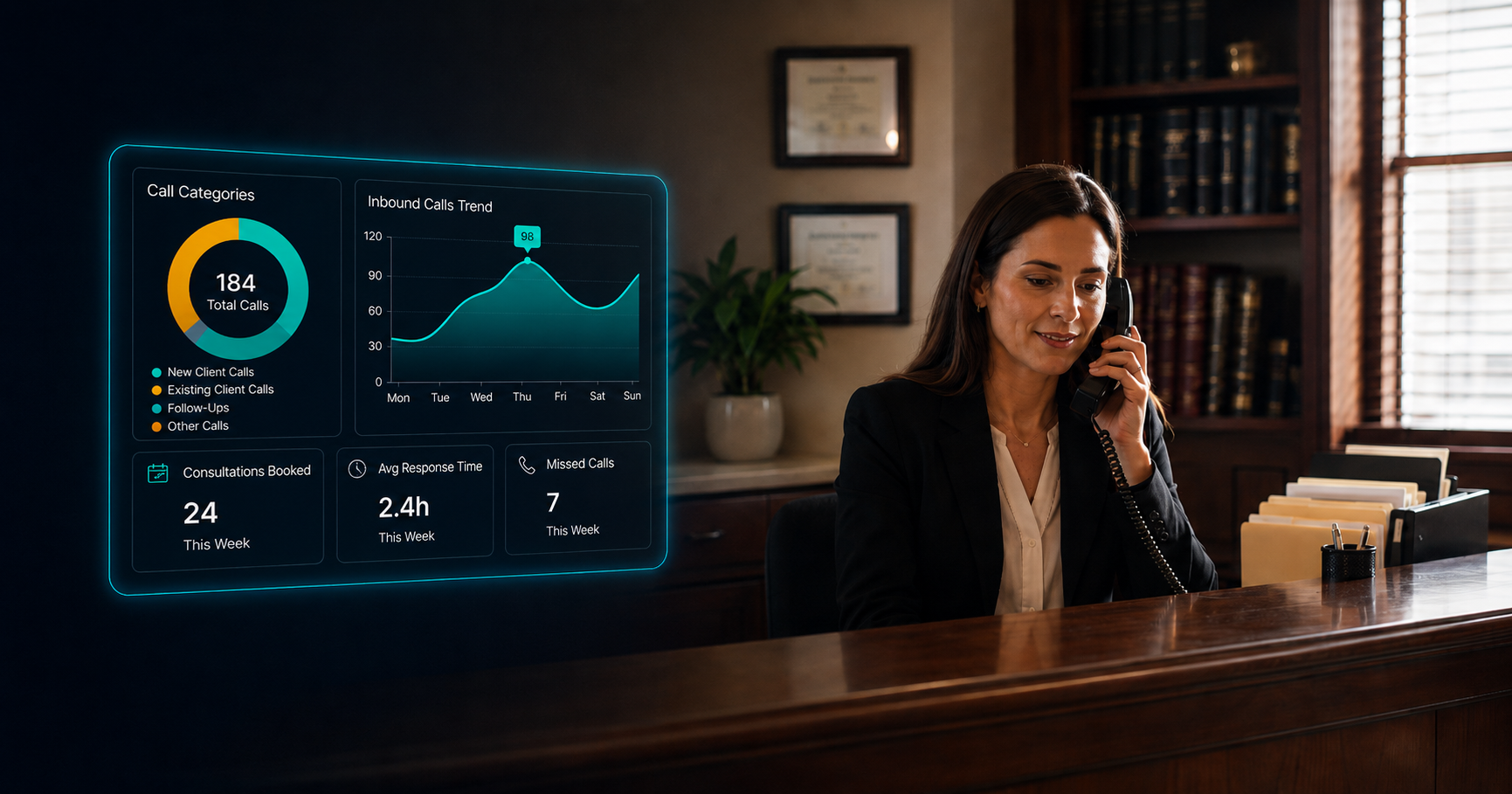
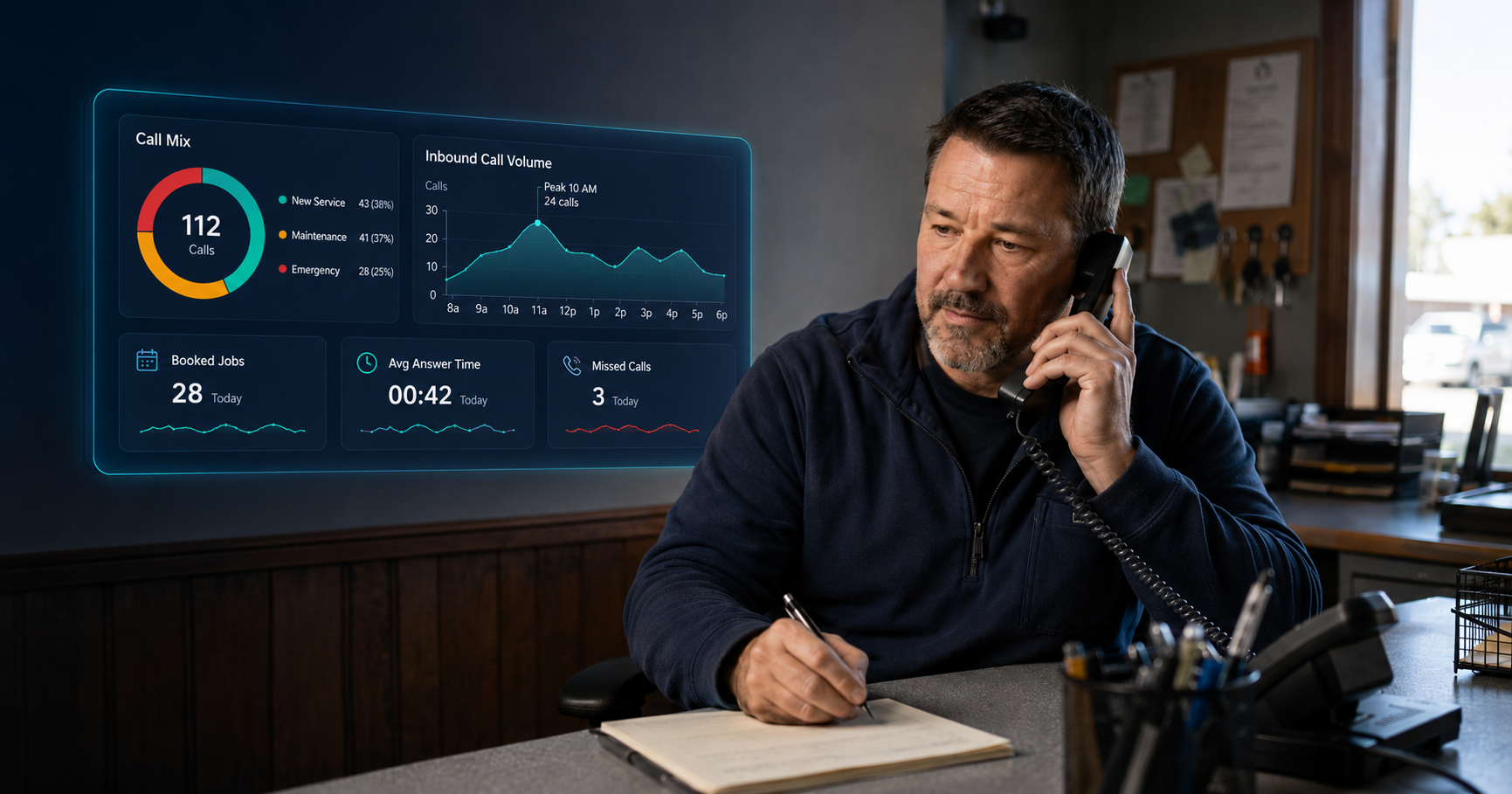
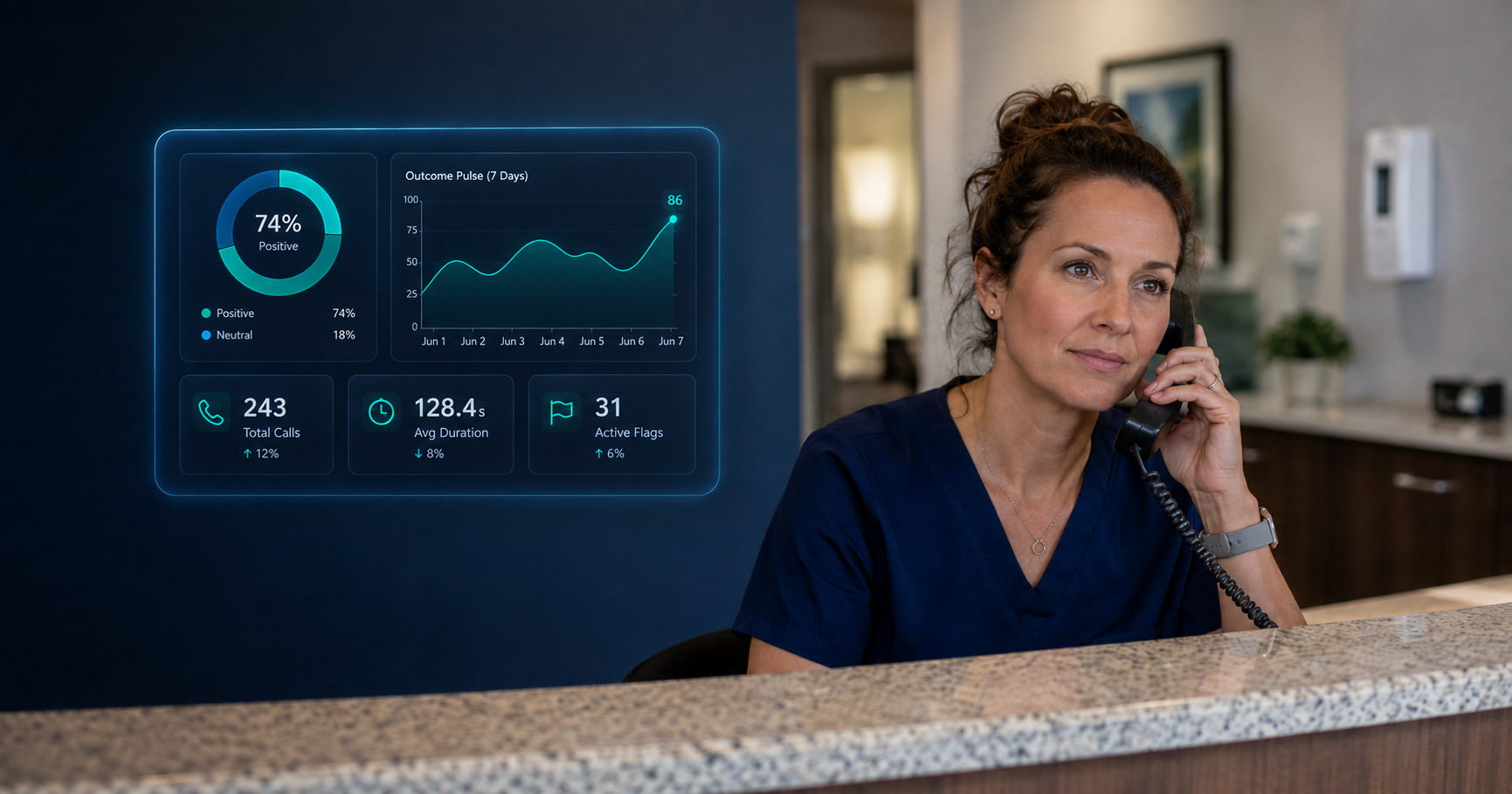
Sentinel reads each recorded call after it ends, checks it against rules written for how your properties actually run, and sends the calls that matter to the person you name. Nobody has to log in to find out. For property management, the rules are built around:
- Work orders that never got raised. A condition reported on the phone with no ticket behind it, caught the same day instead of at the next complaint.
- Promises made, and whether they were kept. Callbacks, payment arrangements and visits committed to on a call, followed until they're closed.
- Repeat calls about the same issue. Several residents, or one resident several times, grouped together so a building-wide problem looks like one problem.
- Calls with no next step. Leasing inquiries and resident calls that ended with nothing scheduled.
- Renewal signals. Residents who mention moving out, or sound done with you, flagged while there's still time to talk.
So when a resident says "I've called three times," you can see exactly what was said on each call, and what was promised.
Resident details can be redacted before a finding is written or emailed. A finding tells you a condition was reported and no work order followed, without passing names, unit numbers or payment details around your inbox.
Does It Work for Brokerages Too?
Yes, with a different set of rules. Property management is built around work orders, promises to pay and renewals. A brokerage is built around inquiries and commitments:
- A buyer or seller inquiry that ended without an appointment or a callback.
- A listing call where the seller mentioned they were also talking to another agent.
- Something promised before closing, like a document, a call to the lender or an answer on an inspection item, with no sign it happened.
You get one rule set or the other, chosen with you before anything goes live, because rules that fire on nothing help nobody.
One honest limit: Sentinel only reads calls that reach your phone system and get recorded. If your agents work mostly from their own cell phones, those calls are invisible to Sentinel and to every other call analysis product. We check your real recording coverage before you buy anything.
What Could This Look Like for an Operation Your Size?
Here's a rough illustration using round numbers, not a customer result. Say a management company with a few hundred units takes about 800 resident and leasing calls a month across its offices. If even a small share of those end with a repair promised and no work order raised, each one is a resident who calls back, escalates, or quietly decides not to renew.
Sentinel doesn't fix those calls. Your team does. What changes is that you find them the same day, from every recorded call, instead of from the handful someone happened to pick. The first saving is usually time: office staff stop digging through recordings to reconstruct what a resident was told. The bigger one is the renewals you keep because a promise got kept. Turnover is expensive, so it doesn't take many saved renewals to make reviewing every call worth it.
What Does This Mean for Your Residents?
Residents don't judge a management company by its amenities. They judge it by whether the leak got fixed after they called about it. A team that can see, and close, the calls where a promise slipped is a team residents trust, and trust is what renews a lease.
See What Your Calls Are Already Telling You
You don't need to change your phone system or ask your staff to do anything differently. Sentinel works with the calls you're already recording, on TeleCloud or on another provider.
If the first you hear of a broken promise is when the resident escalates, it's worth finding out what the rest of your calls would tell you.
Get a demo to see what this could surface for your properties. Every call is a customer experience. Now you can see all of them.
Frequently Asked Questions
Do we need TeleCloud's phone system to use Sentinel?
No. Sentinel reads recordings, whichever system made them. Offices run it on the phone system they already have. Your phones and your call analysis are two separate decisions, and there's no reason to make them at the same time.
Do we have to record calls first?
Yes. A call nobody recorded leaves nothing to read. If you aren't recording, we set that up first. Then we check how many of your lines actually record, because leasing offices and agent lines that were never switched on are common, and they shrink every number that follows.
Does Sentinel listen to calls live?
No. It reads each call after it ends. It doesn't join calls and it doesn't answer them. Findings from a morning's calls reach you the same day.
What happens when it gets something wrong?
It will, sometimes. Every finding carries the quote that triggered it, so a person can check it in seconds instead of taking our word for it. Nothing is sent to a resident or a prospect automatically, and nothing changes in your other systems. If a rule is wrong, we rewrite the rule.
Where do our recordings go, and who can see them?
They stay in TeleCloud's own AWS account, and Sentinel reads them there. Your call content is never used to train models and is never sold or shared with another customer.
How is this different from the call reports we already get?
Call reports tell you how many calls came in and how long they lasted. Sentinel tells you what happened on them: which resident is still waiting on a repair, which inquiry ended with no showing, and which calls someone should look at today.
Will Maddox is the Digital Marketing Coordinator at TeleCloud, overseeing content, brand, and outbound strategy for the company. He writes about cloud communications, AI tools for business, and what SMBs and urgent care operators need to know to run better phone systems. Connect with Will on LinkedIn or email him directly to learn more.