
Gong, CallRail, or your phone system: which call insights tool fits
September 17th, 2026
5 min read
By Will Maddox
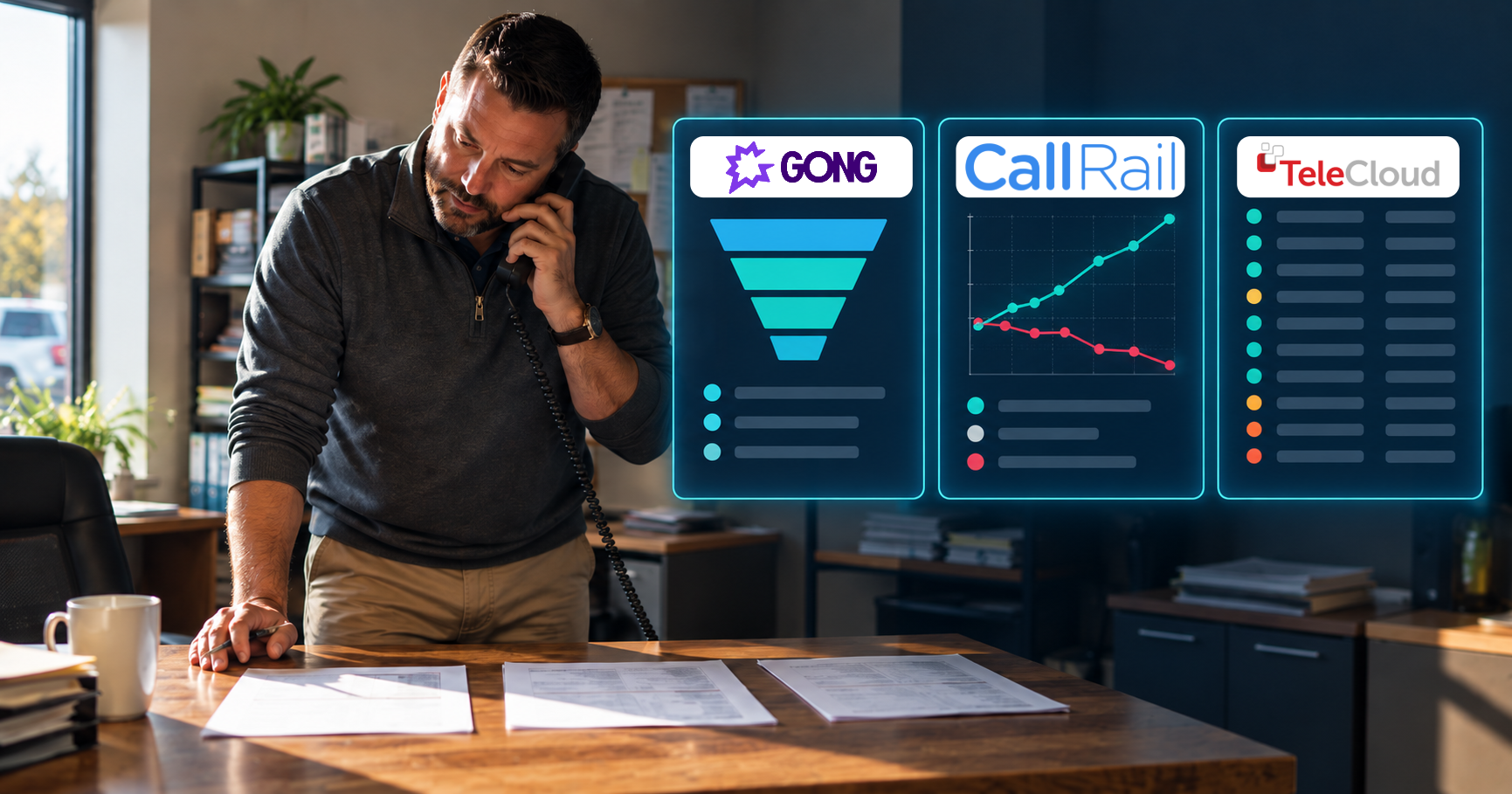
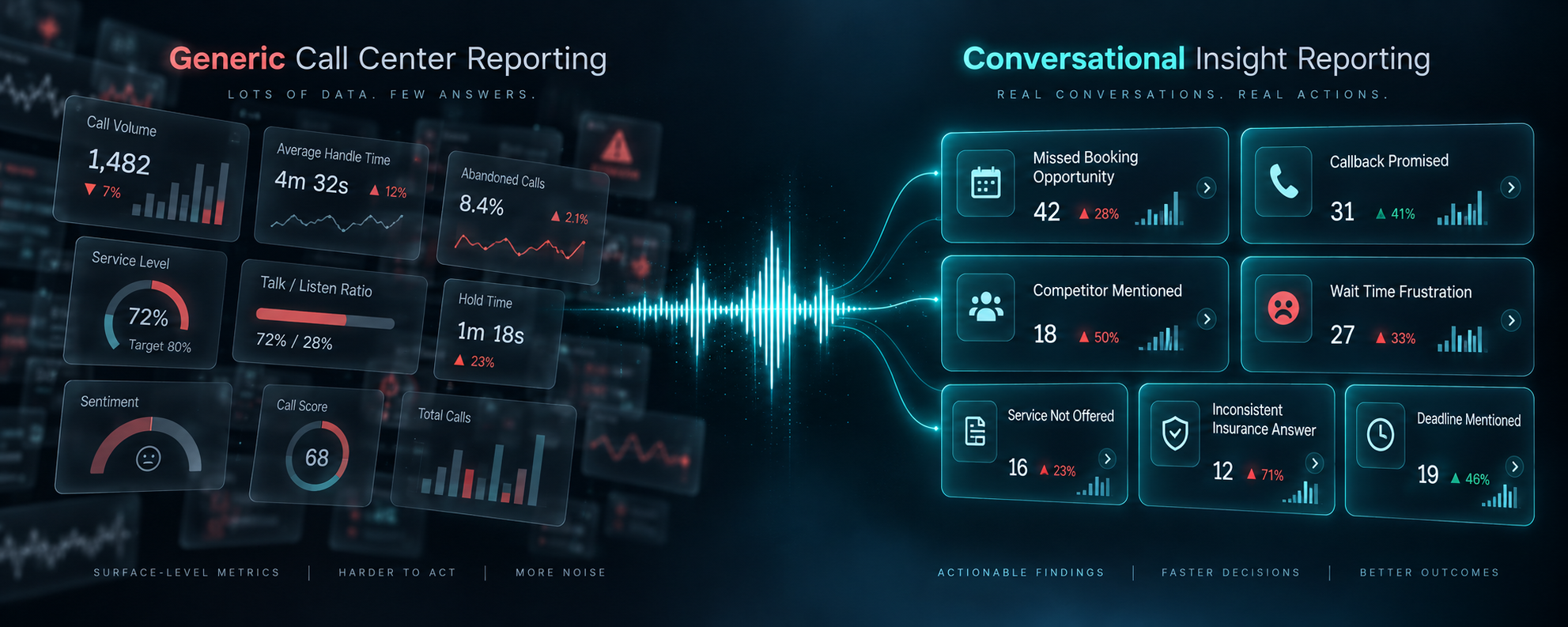
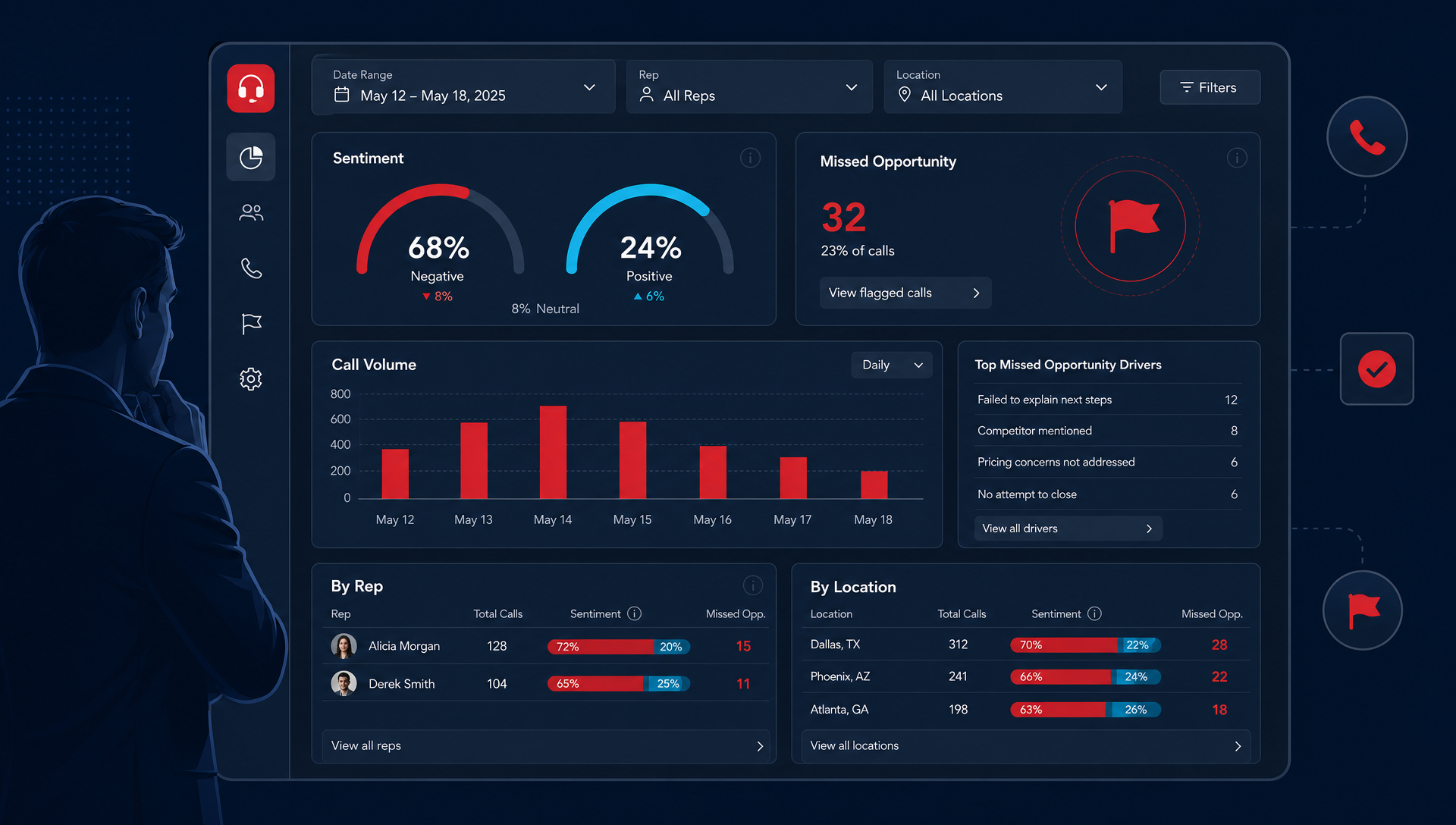
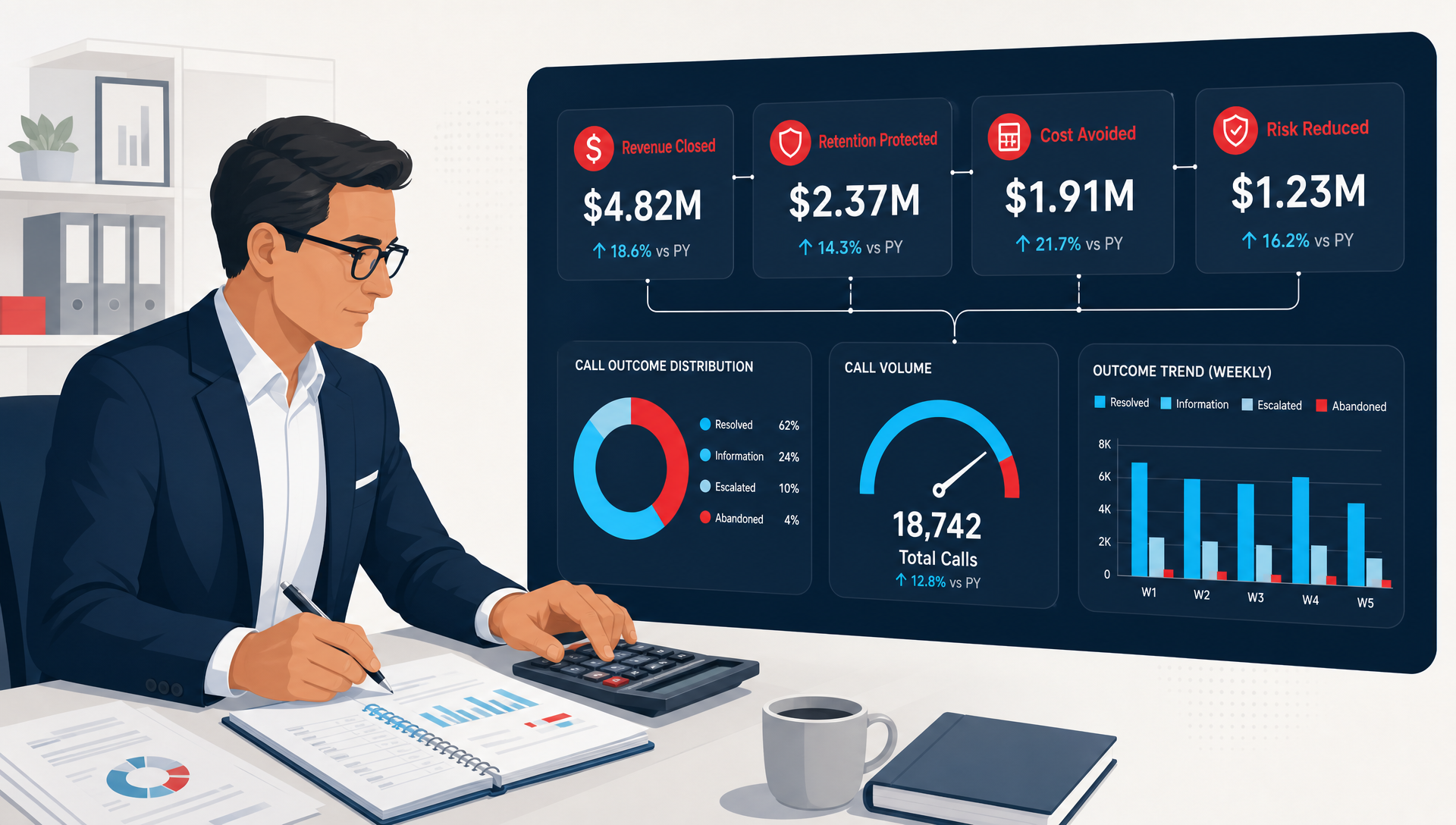
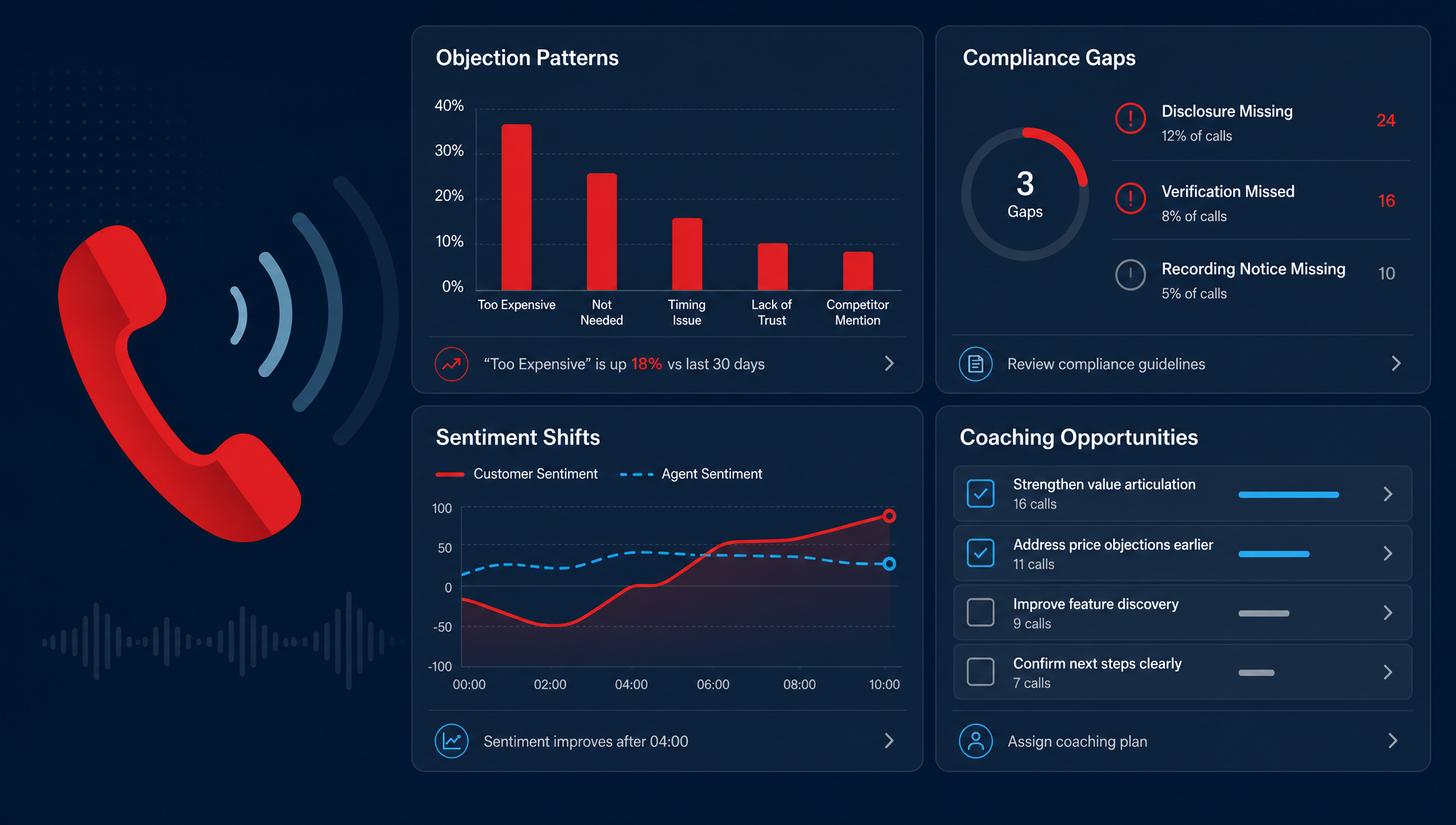
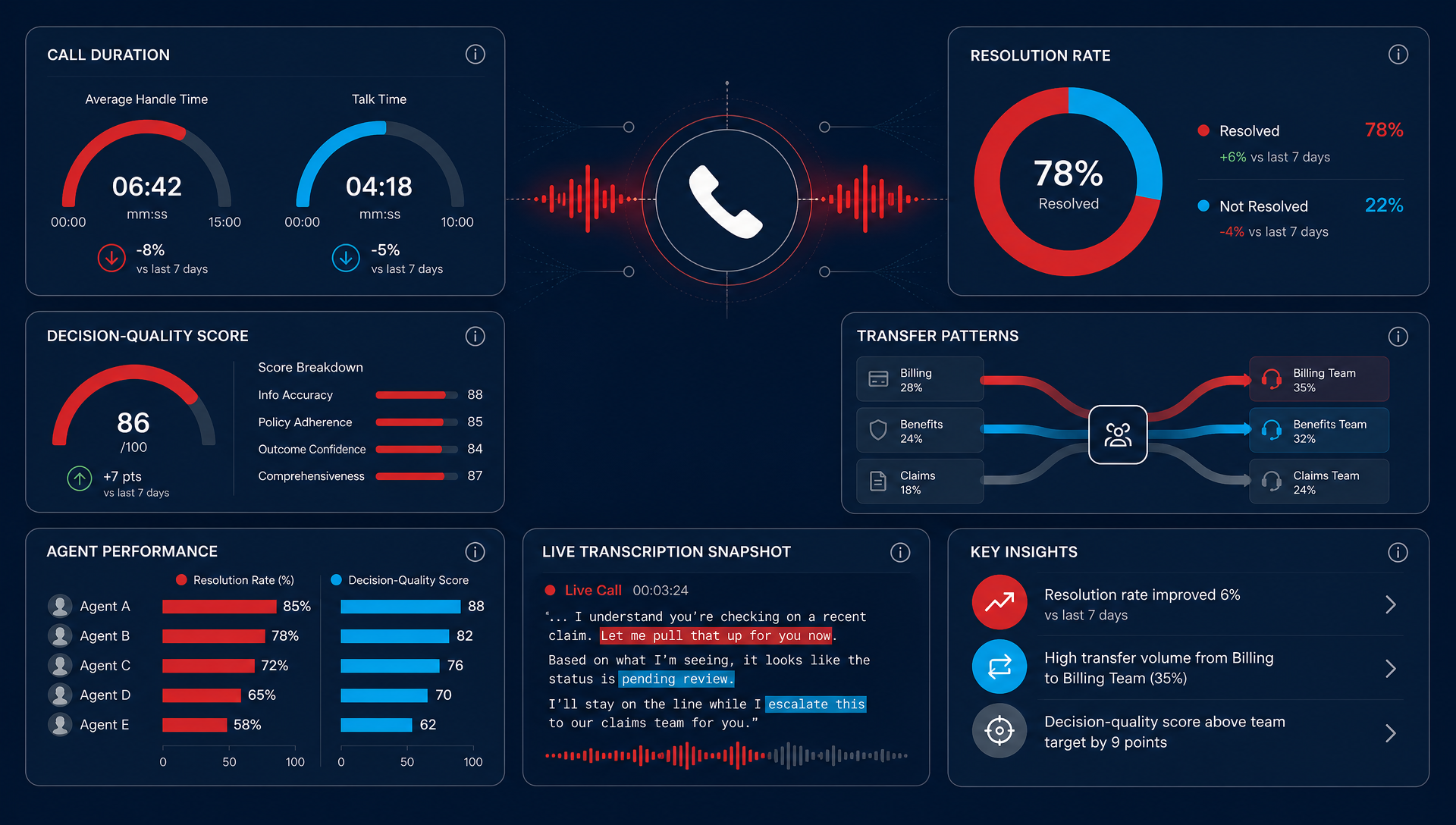
Three very different kinds of product get sold under the same heading, and picking the wrong category costs more than picking the wrong vendor inside the right one. Sales coaching platforms, call attribution tools, and phone system insights all read your calls. They are answering different questions.
If you have a shortlist open right now, it probably has a sales coaching platform, a call tracking tool, and something from a phone provider on it. They demo similarly. They all show you a transcript, a sentiment score, and a dashboard. Then you get three quotes that are nowhere near each other and it is not obvious why.
The reason is that each one was built for a different job. Here is how to tell which job is actually yours.
Sales coaching platforms
Gong and Chorus are the names most people know here. These were built for outbound sales teams: reps with quota, a CRM full of open deals, and a manager whose job is to make those reps better at a repeatable conversation.
They are genuinely excellent at that. Deal-stage context, talk ratios, competitor mentions inside a pipeline, coaching a named rep on a named opportunity. If you run a sales floor and your revenue lives in a CRM, this is the right category and you should buy from it.
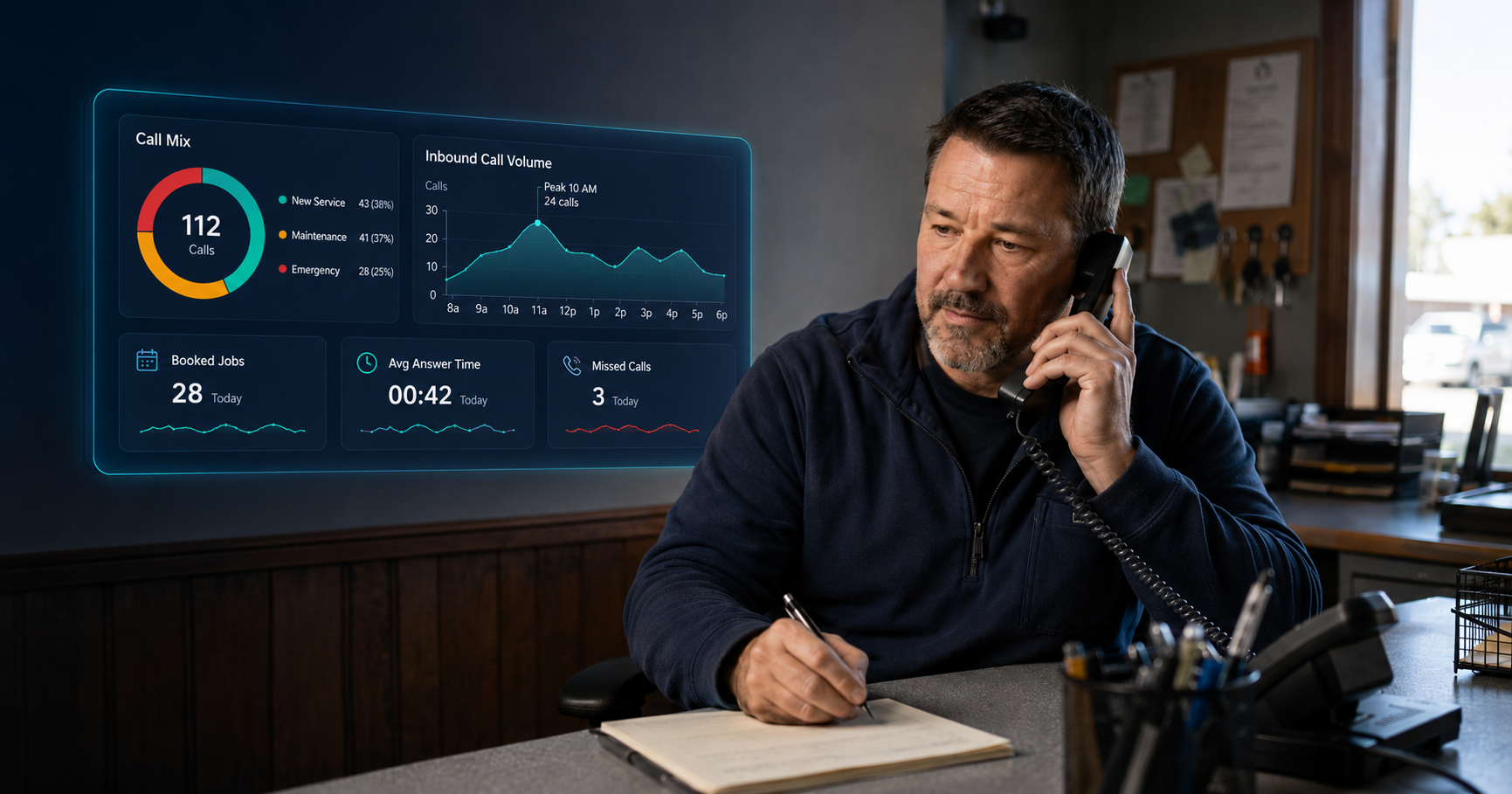
Where it stops fitting is when your phone is not a sales pipeline. A clinic's front desk, a dispatch line, a law firm's intake number, a service counter. Those calls are revenue too, but they are not deals in stages, and a platform that organizes everything around opportunity records has nowhere to put them. Pricing is usually per seat per month, which also means you pay for the size of your team rather than the volume of calls you actually want read.
Call tracking and attribution tools
CallRail is the best known. This category exists to answer a marketing question: which ad, campaign, keyword, or landing page made this phone ring?
That is a real and valuable question, and if you are spending meaningfully on paid search or local advertising you probably need an answer to it. Tracking numbers, source attribution, and cost per call are exactly what this category is for.
The limit is that attribution stops at the moment the phone is answered. It can tell you the call came from a Google ad. It is not built to tell you that the person who answered quoted the wrong price, promised a callback nobody made, or handled the third complaint this week about the same thing. Many of these tools have added transcription and keyword spotting, which helps, but the product's center of gravity is still where the call came from rather than what happened inside it.
Insights built into the phone system
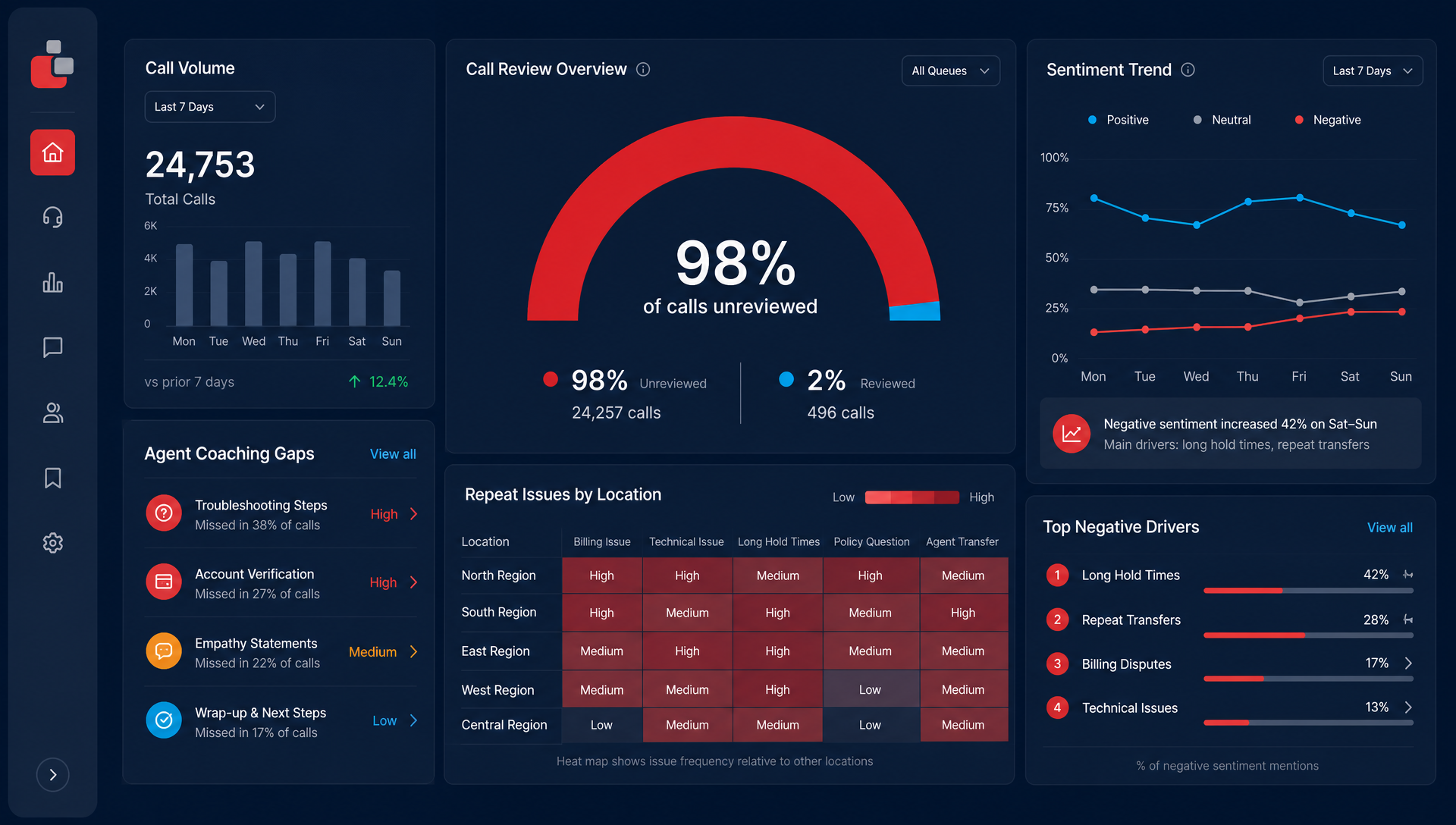
The third category reads every recorded call the business takes, regardless of whether it maps to a deal record or came from a campaign. That includes the service calls, the after-hours calls, the transfers, the ones from existing customers, and the ones nobody would ever have logged anywhere.
This is where TeleCloud Sentinel Conversational Insights sits. The argument for it is not that it is smarter than the other two. It is that the phone system already carries every call, so there is no integration to build and nothing to keep connected as your stack changes. The calls are already there.
It also prices differently, and that follows from the same logic. Sentinel is metered on conversations analyzed each month rather than per user, because the cost of the work is in reading calls, not in how many people you employ. A ten person office with a heavy inbound queue and a forty person office whose phones barely ring should not be paying in the same direction.
Which question are you actually asking?
The fastest way through a shortlist is to work out which of these sentences is closest to what is bothering you.
- "My reps are inconsistent and I need to coach them on live deals." Sales coaching platform.
- "I do not know which marketing spend is generating calls." Call tracking and attribution.
- "I have no idea what is happening on our phones generally." Phone system insights.
- "Customers keep telling me things my team never passed on." Phone system insights.
- "We are losing bookings and I cannot see where." Phone system insights, unless the bookings live in a CRM as deals, in which case either could work.
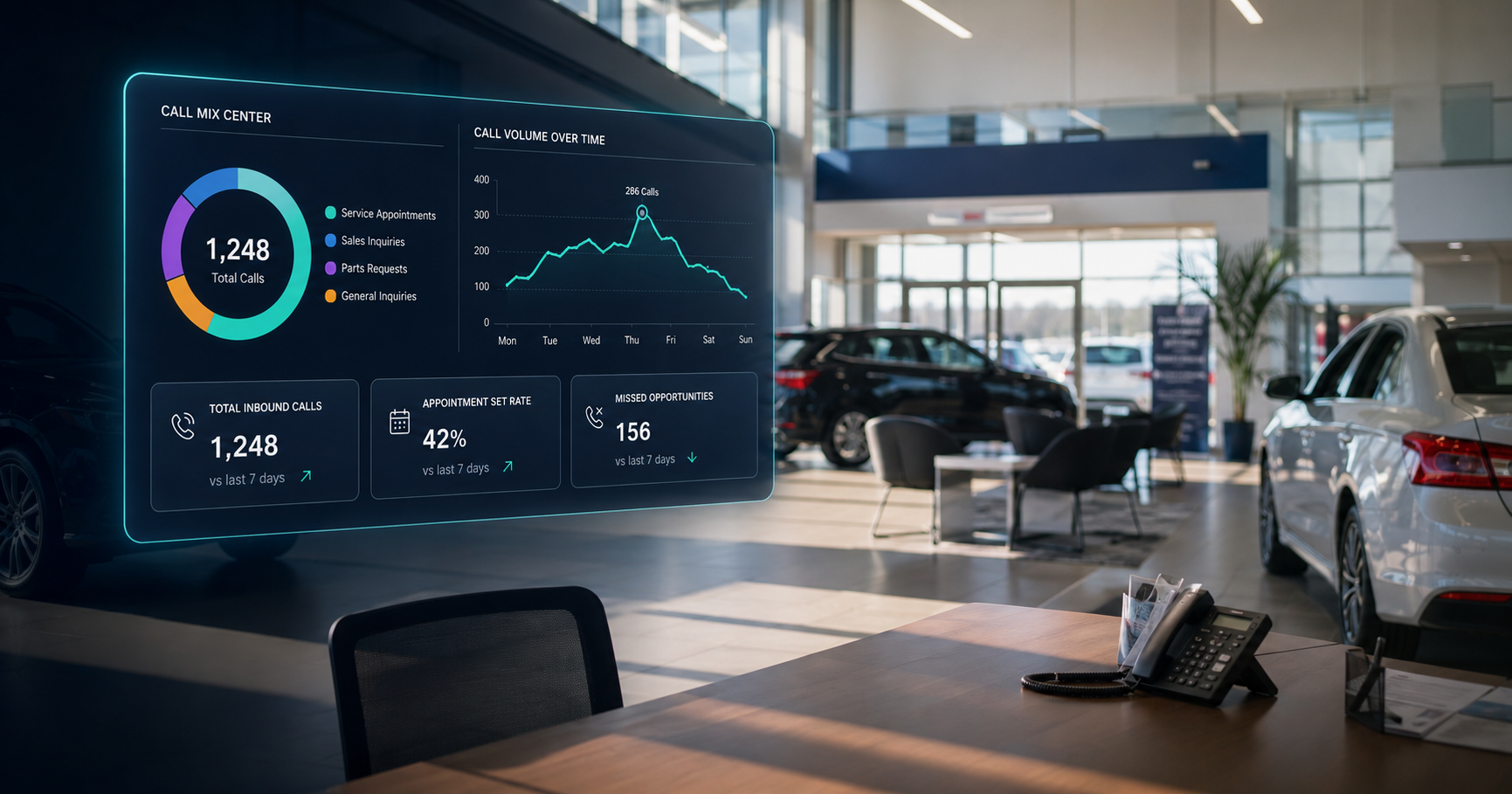
Plenty of companies eventually run two of these. A dealership might reasonably want attribution on the marketing side and call insights on the service side. What rarely works is buying one and expecting it to answer another category's question, which is the most common way this purchase goes wrong.
Where we are not the right pick
Worth saying plainly, because a comparison post where the author wins every row is not a comparison.
- If you run a dedicated outbound sales team and your whole operating rhythm is deal reviews in a CRM, a sales coaching platform will fit your week better than we will.
- If your only real question is which campaign is producing calls, buy attribution. We are not a call tracking product and we will not pretend to be one.
- If your policy is that no vendor employee may ever read a customer conversation, we cannot meet that. Designated staff here can read conversations to support your account and fix a rule that is firing wrong, and that access is what makes the configuration review possible.
- If almost none of your calls are recorded today, none of these three categories will work until that changes. That is a prerequisite, not a preference.
What to check before you decide
Four questions that will separate the shortlist faster than another demo.
- What percentage of your calls are actually recorded? Every one of these tools reads recordings. If your coverage is patchy, fix that first. We wrote a four step audit for exactly this.
- Are you being quoted per seat or per volume? Compare total monthly spend, not the headline rate. Per-seat pricing looks cheaper per line and often is not.
- What has to be integrated, and who maintains it? A tool that sits outside your phone system needs a connection built and kept working. Ask what happens when something on either side changes.
- Who is going to read the output on a Tuesday? All three categories fail the same way, which is that nobody opens the dashboard by week three. Name the person before you sign anything.
If you want the longer version with more of the market in it, our comparison of the top conversation intelligence platforms goes vendor by vendor, including several we are not competing with.
Every call is a customer experience, whichever tool you end up reading them with. The goal is not to buy the most capable platform. It is to buy the one aimed at the question keeping you up.
FAQ
Is Gong a competitor to TeleCloud Sentinel?
Only partly. Gong is built for outbound sales teams working deals in a CRM, and it is very good at that job. Sentinel reads every recorded business call, including service, support, and after-hours calls that never become deal records. Businesses whose phone is not primarily a sales pipeline usually find the second shape fits better.
Can CallRail tell me what happened on a call?
It can tell you where the call came from, which is what call tracking is built for, and it offers transcription and keyword spotting on top. If your question is about marketing attribution it is the right category. If your question is about how calls are being handled once answered, that is a different product.
Do I need to switch phone systems to use call insights?
No. Sentinel works from your existing recordings if your phones are elsewhere. It is simpler on TeleCloud, where recording is already in place and your coverage report is free, but a switch is not a requirement.
Can I run more than one of these tools?
Yes, and plenty of businesses do. Attribution on the marketing side and call insights on the operations side is a common and sensible pairing, because they answer genuinely different questions and do not overlap much in practice.
Why is call insights pricing so different between vendors?
Mostly because the meters differ. Sales coaching platforms usually charge per user per month, call tracking often charges per tracked number or per minute, and Sentinel charges per conversation analyzed. Compare total monthly spend across the volume you actually have rather than the headline rate.
Will Maddox is the Digital Marketing Coordinator at TeleCloud, overseeing content, brand, and outbound strategy for the company. He writes about cloud communications, AI tools for business, and what SMBs and urgent care operators need to know to run better phone systems. Connect with Will on LinkedIn or email him directly to learn more.