
How TeleCloud Sentinel Conversational Insights Helps Urgent Care Centers
August 31st, 2026
6 min read
By Will Maddox
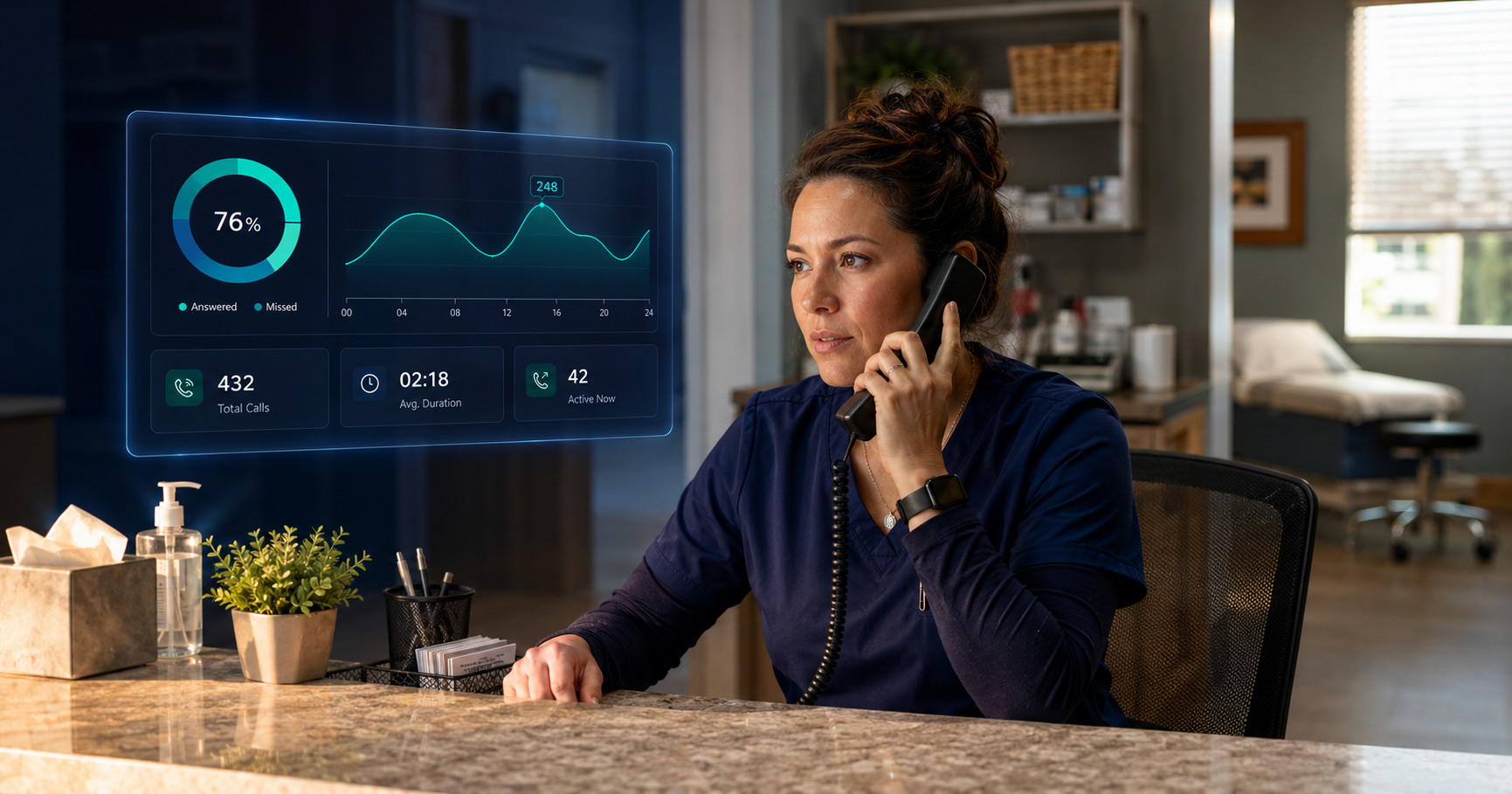
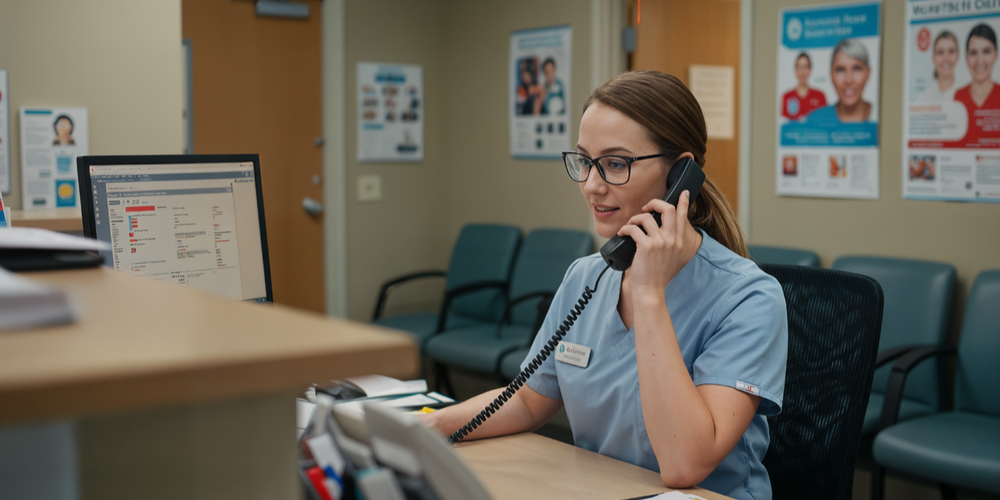
Someone twisted an ankle at a soccer game, or a kid spiked a fever at 6pm, or an employer needs a drug screen done before a new hire starts Monday. They call your clinic to find out one thing: should they come in, and can they get seen. That call is the entire relationship, decided in under two minutes, before the patient has ever set foot in your waiting room.
Unlike a primary care practice with years of history to fall back on, urgent care doesn't get a second chance at that call. It ends one of two ways: the patient comes in, or they don't. If the answer felt slow, vague, or uncertain, they're already calling the next clinic, or deciding the ER is the safer bet.
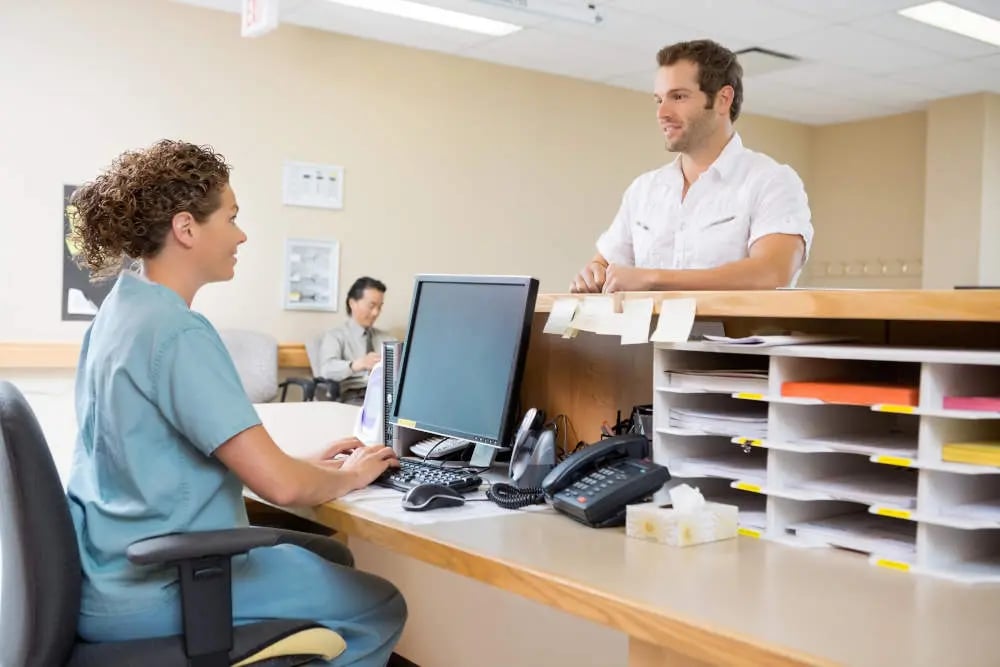
Most clinics have no reliable way to know how often that happens. Front desk staff are juggling triage questions, wait times, insurance checks, and directions, often for more than one caller at once, and nobody has time to go back and review the call afterward. So the visits that got away quietly disappear into a call log nobody reads.
This is what TeleCloud Sentinel Conversational Insights was built to change: not by asking your staff to handle calls differently, but by making every call reviewable automatically, and turning that visibility into a clear picture of what it's costing or earning you.
What's Actually Happening on Your Urgent Care Line?
Every call into a walk-in clinic carries information that matters to your business, whether anyone's listening or not:
- Did the caller end the call with a clear plan to come in, or did it end in "maybe" or "I'll think about it"?
- Did they mention trying somewhere else, going to the ER instead, or calling a competing location?
- Did staff give clear, consistent guidance on whether the situation needed urgent care versus an emergency room, or was the answer vague enough to send the caller elsewhere out of uncertainty?
- Was a workers' comp or drug screen call handled correctly, with the right information gathered up front, or did it need a callback because something was missed?
- Is one location, or one shift, converting these calls into visits at a noticeably different rate than another?
Individually, each of these looks like a small moment on a busy line. Multiplied across hundreds of calls a week and several locations, they add up to real visit volume you can't currently see, walking out the door before it ever walked in.
Why Doesn't Spot-Checking Calls Solve This?
The usual answer is to sample: a manager pulls a handful of recent calls, listens for anything obviously wrong, and moves on. It's a reasonable instinct, and it still misses almost everything that matters. A supervisor reviewing a few calls a week catches a fraction of what's happening on the phones, and rarely in time to do anything about the visit that already went to a competitor.
The problem was never that urgent care operators don't care about how calls are handled. It's that reviewing 100% of calls by hand would take a person listening to recordings full time, on top of everything else the front desk and clinical leads are already doing.
How Does Sentinel Change What's Visible?
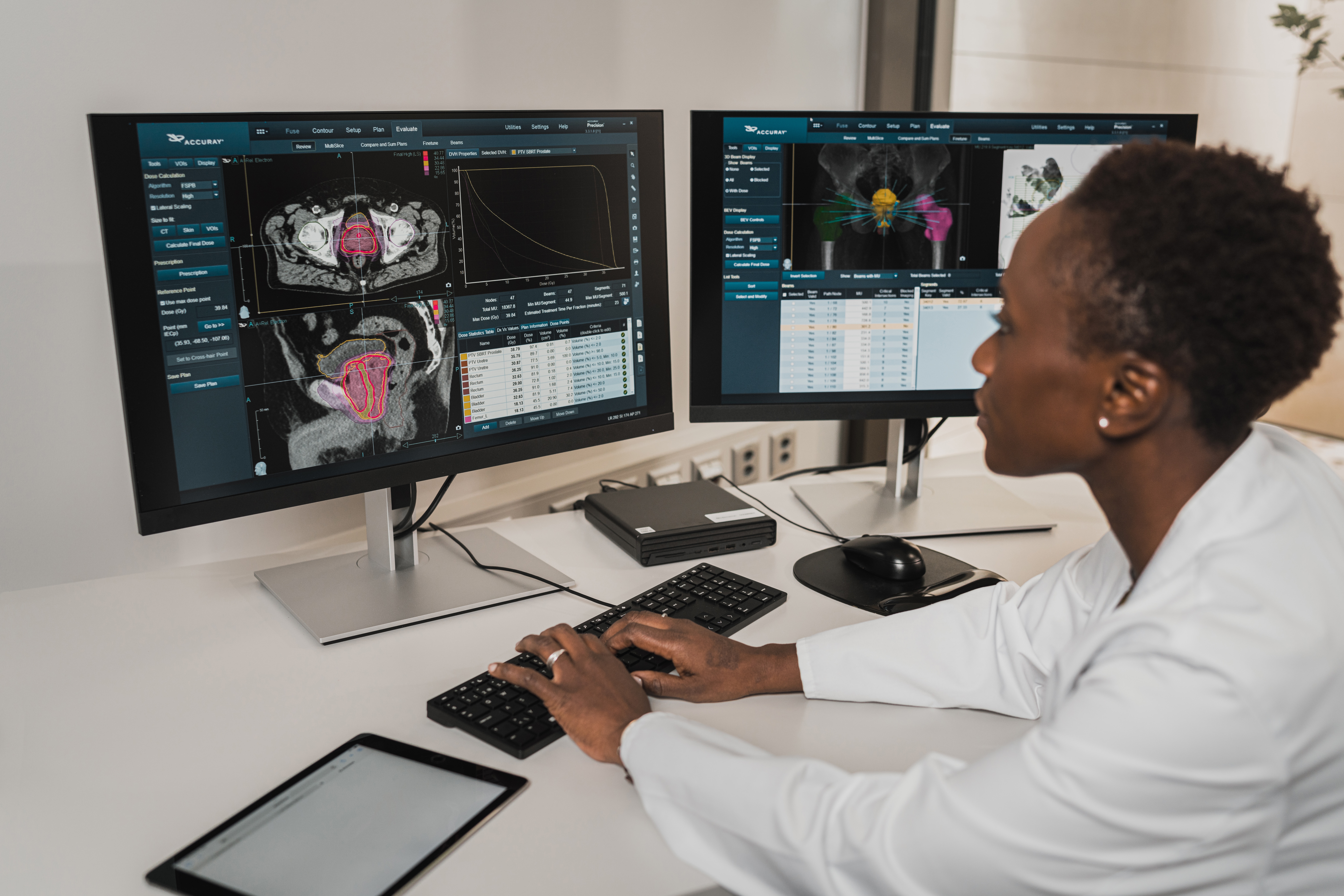
TeleCloud Sentinel Conversational Insights transcribes and analyzes every recorded call automatically after it ends, and flags the ones that matter the same day. No sampling, no end-of-week listening sessions, no manager combing through hours of audio. Applied to urgent care, it surfaces:
- Lost visit opportunities. Calls where the patient had clear intent to be seen, but the call ended without a scheduled visit or clear next step.
- Competitor and ER mentions. Calls where a caller says they'll try another location or head to the emergency room instead, so you know exactly where and how often you're losing volume.
- Wait-time friction. The volume and trend of calls where "how long is the wait" turns into hesitation or "I'll go elsewhere."
- Triage guidance deviations. Calls where staff gave unclear or inconsistent direction on whether a condition needed urgent versus emergency care, flagged for review before it becomes a liability, not after. This is one of the more common AI adoption mistakes urgent care operators run into: assuming triage guidance is consistent when nobody's actually checked.
- Occupational health handling. Employer, workers' comp, and drug screen calls tracked separately, since these have their own resolution requirements and a missed detail means a callback and a frustrated employer.
- Shift and location performance. Which clinic and which shift are converting calls into visits consistently, and which ones need coaching, so training goes where it actually helps.
For clinics running on Experity, TeleCloud's integration can push call recordings into Experity from either the phone system or Sentinel, so the call sits alongside the patient record instead of in a separate system that never talks to it.
None of this requires a new phone system or a new tool for your front desk to learn. It runs on the calls your clinic is already taking.
On an urgent care front desk's calls, the gap looks like a caller asking about wait time who never got a clear answer, or a triage question that got a different response depending on who picked up. In urgent care, that costs the visit, not just the callback.
What Could This Mean for a Clinic Your Size?
TeleCloud estimates that Sentinel reviews 100% of recorded calls automatically, cuts the time it takes to find a problem call by roughly 90%, catches roughly twice as many escalation risks and negative outcomes before they turn into a complaint or a lost patient, and cuts missed follow-ups by around half. Those are platform estimates, not measured results, and not a promise for any specific clinic.
Here's a rough way to translate that into what it could mean for a clinic your size, using industry-typical numbers rather than one customer's result. A single-location urgent care clinic fielding somewhere around 1,000 to 1,200 patient calls a month is a reasonable, common range. If even 5% of those calls are visit opportunities that end without a clear plan to come in, that's 50 to 60 calls a month where a patient wanted to be seen and the outcome was never confirmed. If even half of those would have converted with a clearer answer, that's roughly 25 to 30 visits a month currently invisible to you, at a typical urgent care visit value, easily several thousand dollars a month in visit volume with no record of ever having been at risk.
That's before counting the staff time currently spent trying to spot-check calls by hand, which Sentinel redirects toward the calls that actually need a person: the unresolved visit question, the triage call that needs a second look, the workers' comp call that needs a callback.
What Does This Mean for the Patient Experience?
A patient deciding where to go for care right now isn't grading your clinic on hold music. They're grading it on whether the person who answered sounded sure of what to tell them, and whether what they were told turned out to be right, the same signals that show up before a frustrated patient leaves a bad review. A clinic that can see, and fix, the calls where that didn't happen is a clinic that wins the visit instead of losing it quietly to the next name on the search results page.
That's the real return here: not just visits recovered, but the ability to catch the wait-time complaint, the inconsistent triage answer, or the employer call that needed a callback, while there's still time to do something about it, instead of finding out from a bad review.
See What Your Calls Are Already Telling You
You don't need to change your phone system or ask your front desk to do anything differently. TeleCloud Sentinel Conversational Insights works with the calls you're already taking.
If you're only catching a fraction of what's happening on your lines today, it's worth finding out how many visits the rest of those calls represent.
Get a demo to see what this could surface for your clinic. Every call is a customer experience.
Frequently Asked Questions
Does Sentinel require us to change our phone system?
No. Sentinel works with the call recordings and transcripts you already have. If you're on TeleCloud's phone system, setup is tighter and more automatic; if you're on another system, we connect to your existing recordings or transcripts to get you started.
Is this HIPAA compliant?
Sentinel is built to meet the recording and data-handling requirements of any state, including HIPAA. The platform identifies calls by phone number, not by patient name or chart, so no protected health information is required for the platform to function.
Will this replace our front desk staff?
No, and hiring more front-desk staff isn't the fix either. Sentinel doesn't answer calls or make triage decisions. It reviews the calls your staff already handle and flags what needs attention, so your team spends time coaching and following up instead of guessing which calls to check.
How is this different from the call volume reports we already get?
Standard reports tell you how many calls came in and how long they lasted. Sentinel tells you what happened on them: which calls ended without a clear plan to come in, which mentioned a competitor or the ER, and where triage guidance wasn't consistent.
Does this work with Experity?
Yes. TeleCloud integrates with Experity, so call recordings can be pushed into Experity from either the phone system or Sentinel. Your team sees the call alongside the patient record instead of in two systems that never talk to each other.
How quickly can we see results?
Sentinel starts analyzing calls from the day it's turned on. Most clinics see their first useful patterns, like a wait-time complaint trend at a specific location or a shift that needs coaching, within the first few weeks.
Will Maddox is the Digital Marketing Coordinator at TeleCloud, overseeing content, brand, and outbound strategy for the company. He writes about cloud communications, AI tools for business, and what SMBs and urgent care operators need to know to run better phone systems. Connect with Will on LinkedIn or email him directly to learn more.
Topics: