How TeleCloud Sentinel Conversational Insights Helps Manufacturers
October 22nd, 2026
4 min read
By Will Maddox

A buyer calls your inside sales desk on Tuesday looking for pricing on a repeat part with a tweak to the spec. The rep says they'll check with engineering and have a quote over by Thursday. Thursday gets busy. Engineering never hears about it. The following week the buyer places the order with someone else, and nobody at your shop knows there was ever an order to lose.
That's how most manufacturers lose work: not on price, but on a promise made on the phone that never turned into a quote. It doesn't show up in the ERP, because nothing was ever entered. It doesn't show up in the CRM, because the rep meant to log it later.
TeleCloud Sentinel Conversational Insights was built to catch that. It reads every recorded call your sales and customer service desks take, shows you what was committed to on each one, and flags the commitments that haven't been met, the same day.
What's Actually Happening on Your Sales and Service Calls?
In a lot of shops, the phone is still where the real business happens. Quotes, lead times, order changes and problems all come in by phone, and they're handled by a small team who are also doing everything else.
- A quote promised by a certain day that never went out.
- A ship date or lead time committed to on a call that the floor never heard about.
- A customer calling for the second or third time about the same order status.
- A technical or spec question that needed engineering and never got routed there.
- A buyer mentioning a competitor's price or lead time, and nobody following up before they decided.
- A complaint about a late or wrong shipment that a manager should have heard about and didn't.
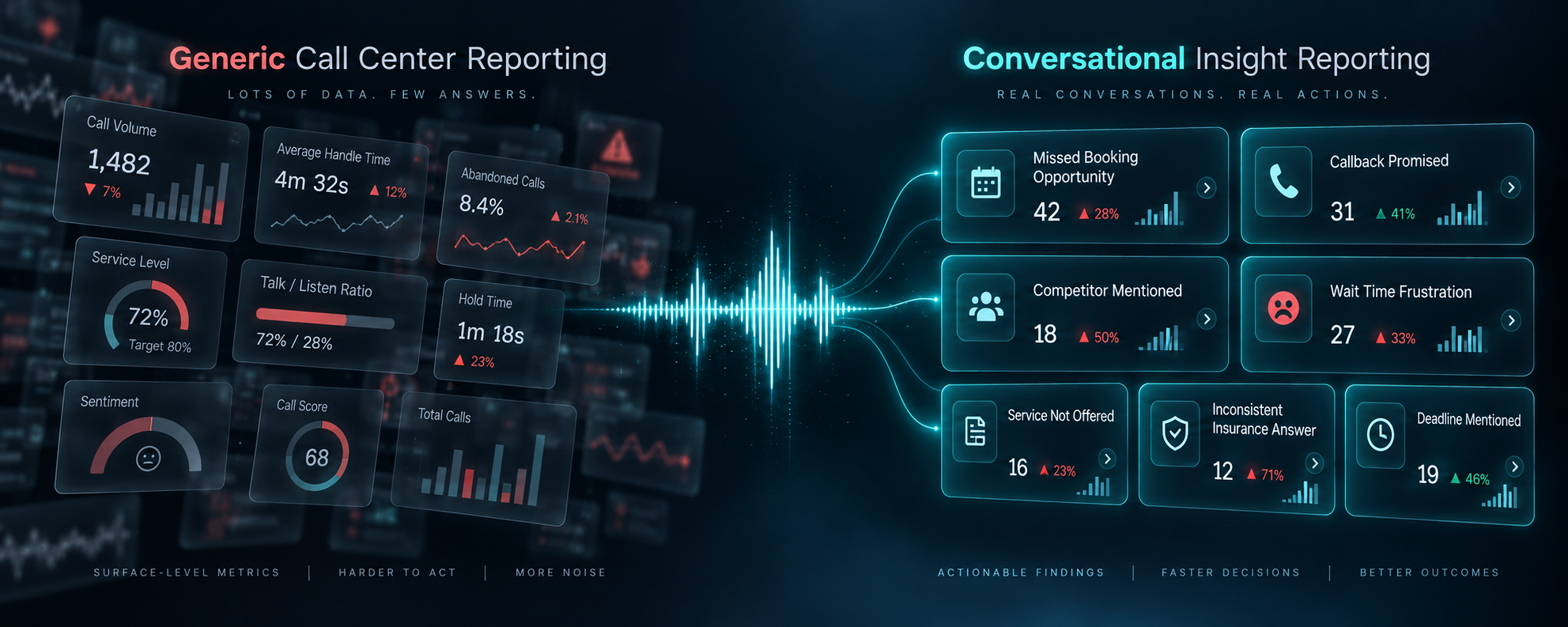
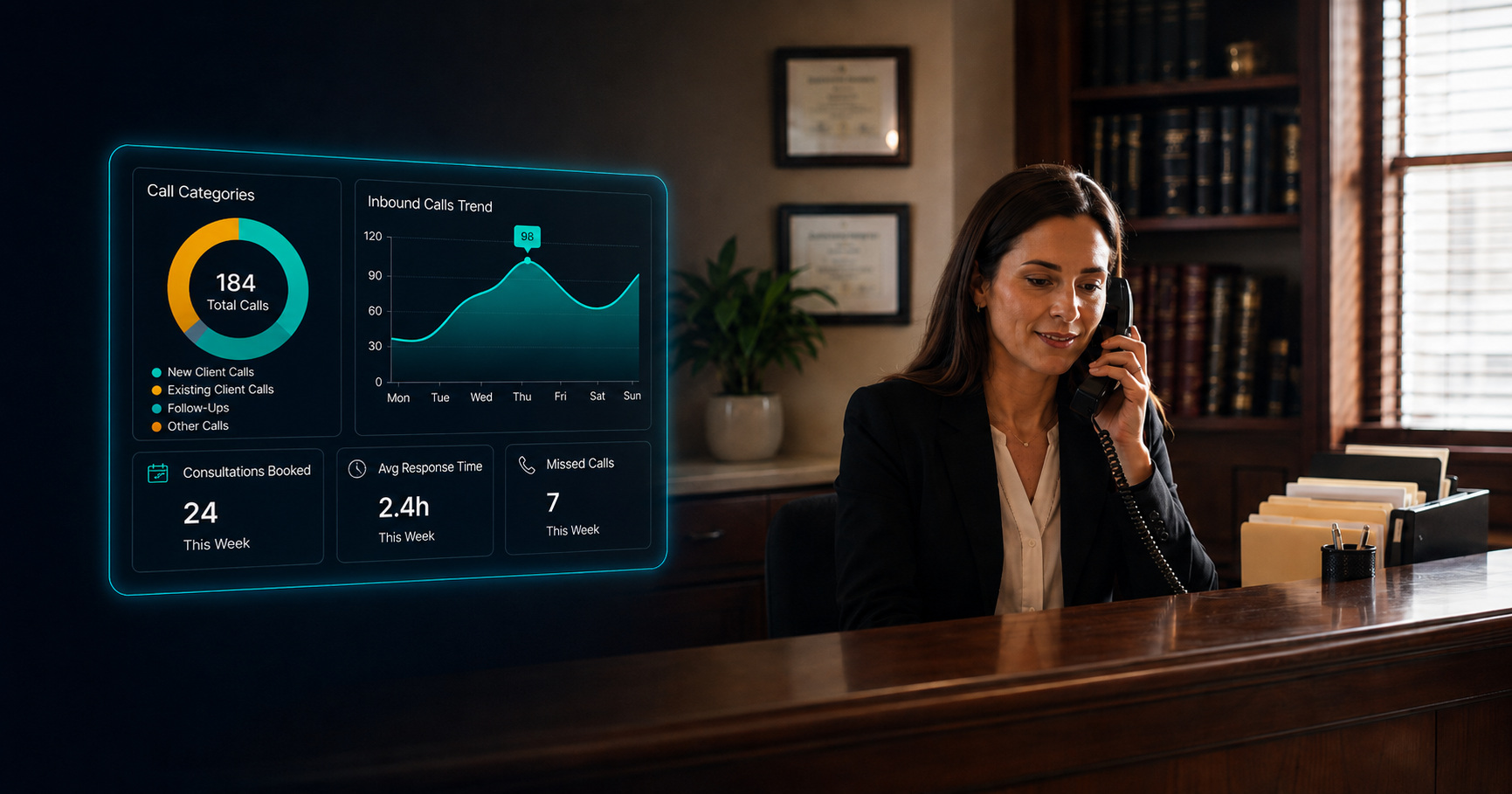
None of this shows up in a call report. The report says the desk took 900 calls last month. It can't tell you how many of them ended with a commitment nobody kept.
Why Can't a Sales Manager Just Review the Calls?
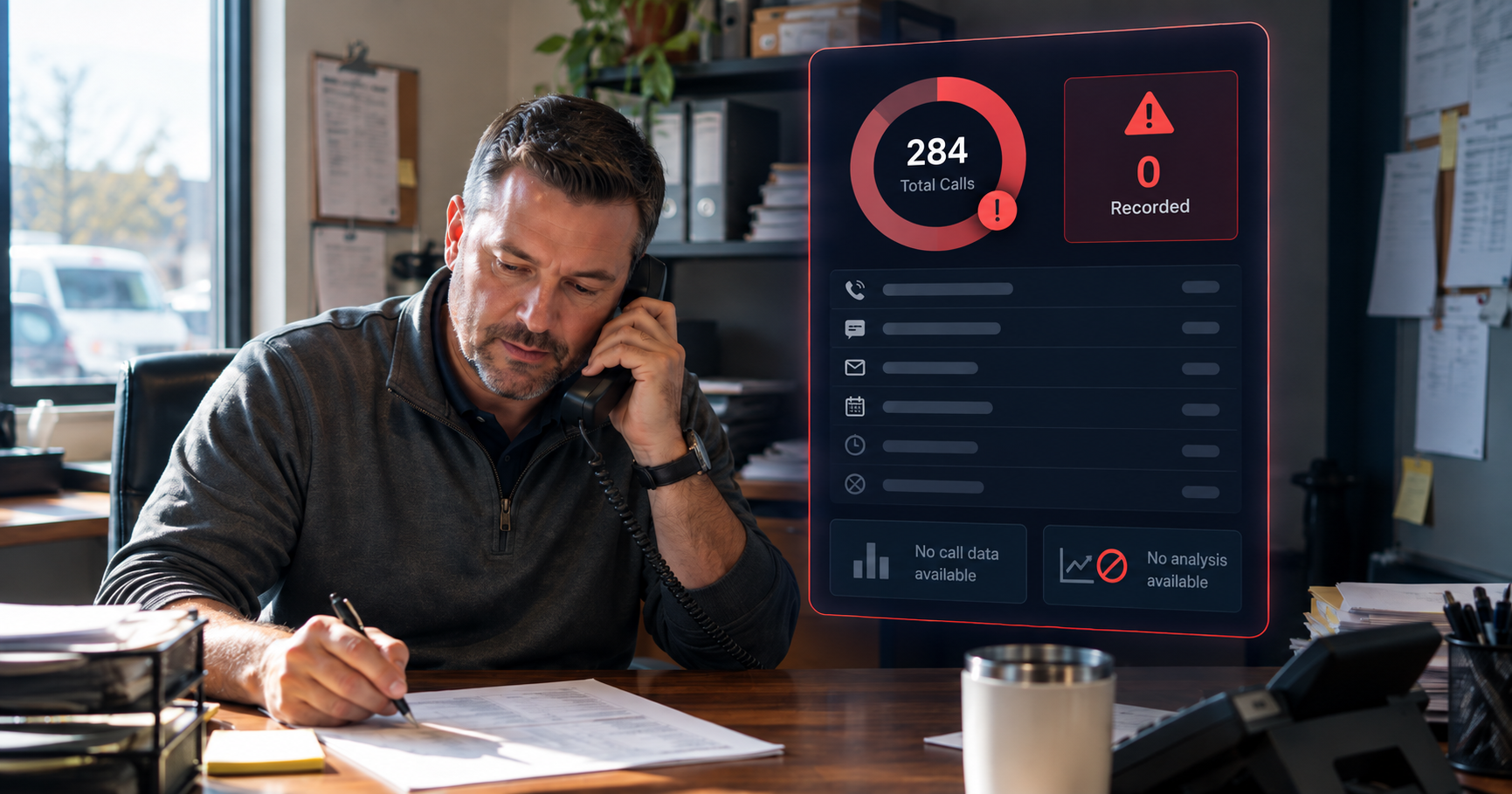
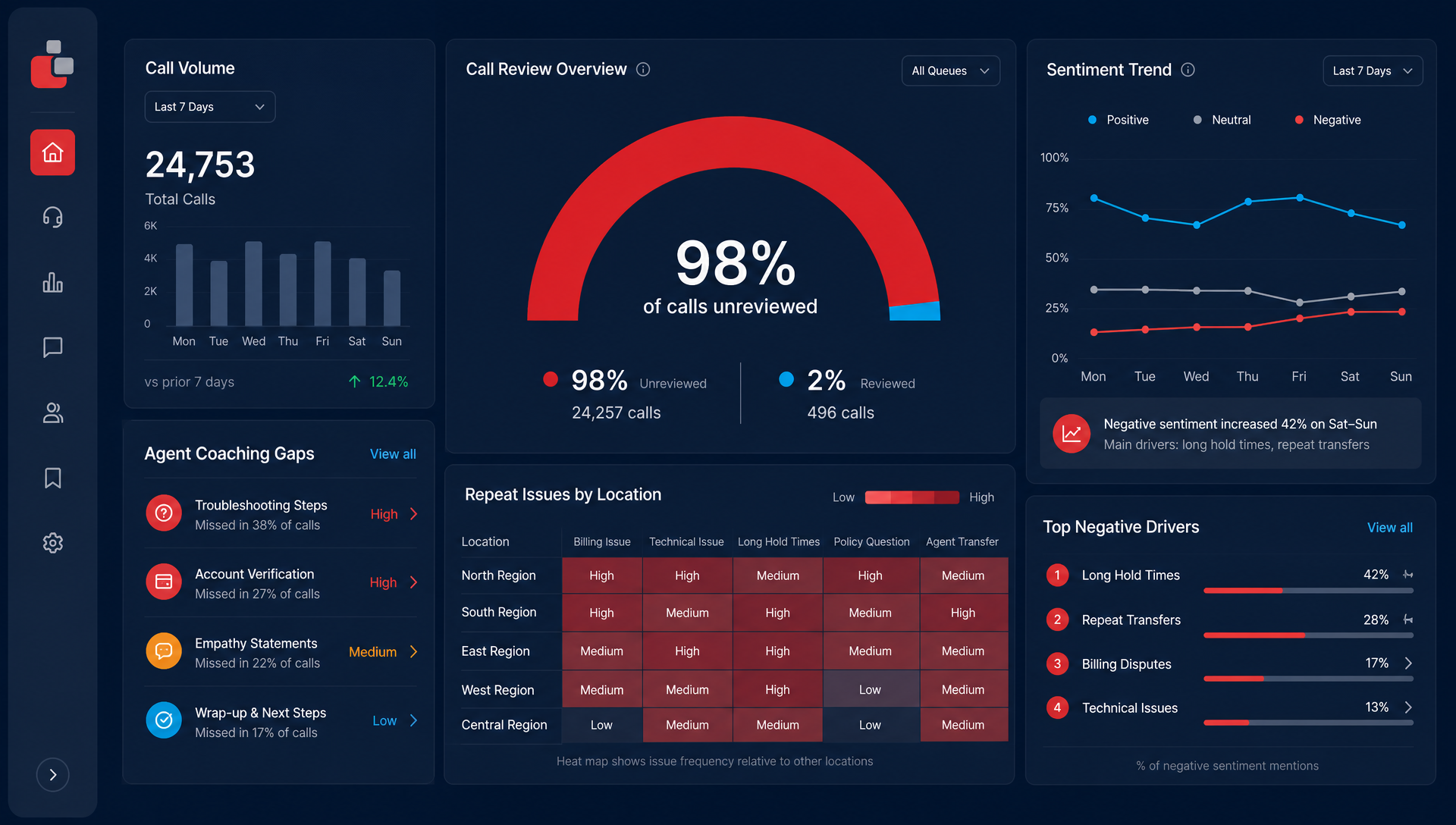
Some try, a few calls a week. It's a reasonable instinct, and it still leaves almost every call unreviewed. The quote that slipped is rarely on the call someone picked to listen to.
The bigger problem is time. In most manufacturers, the people who'd review calls are the same people quoting jobs and chasing orders. Asking them to sit and play back recordings means taking them off the work that wins business.
What Does Sentinel Show a Manufacturer?
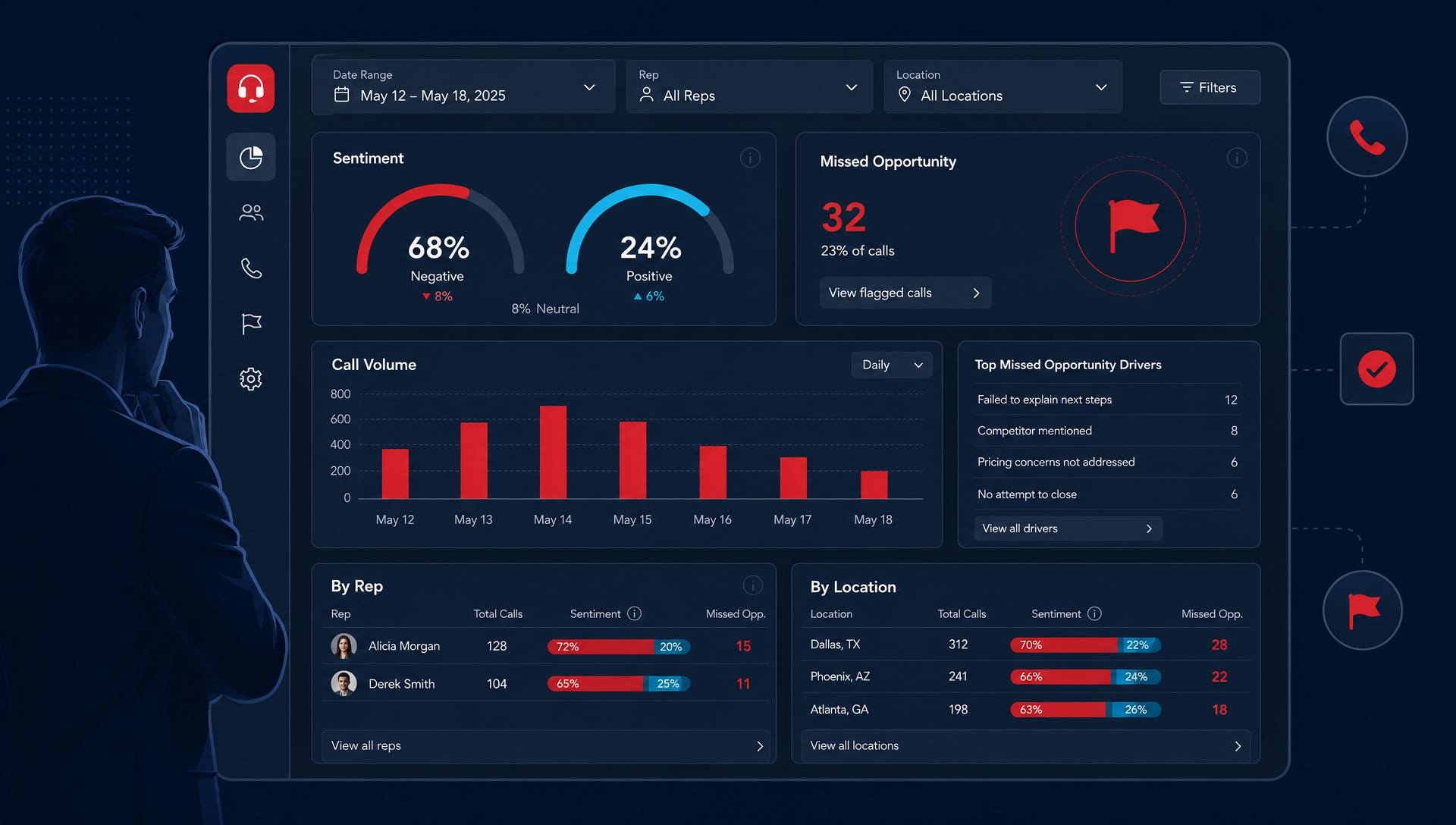
Sentinel reads each recorded call after it ends, checks it against rules written for how your shop works, and emails what it finds to the person you name. There's no integration into your ERP or quoting system, nothing to export and nothing to re-key. The rules are built around:
- Promised quotes. Every quote committed to on a call, with the date it was promised, so the ones that never went out are visible.
- Commitments on dates. Lead times and ship dates given on the phone, so the floor and the desk are working from the same promise.
- Repeat calls about the same order. Customers chasing the same status more than once, grouped so the pattern is obvious.
- Questions that needed someone else. Technical and spec questions that should have reached engineering or a manager.
- Competitive signals. Buyers mentioning another supplier's quote or lead time, while there's still time to respond.
If the promised-quote list lands in an inbox every morning, nobody has to open another piece of software to get value from it.
What If Our Reps Use Their Cell Phones?
This is the first thing to check, not the last. Sentinel only sees calls that reach your phone system and get recorded. If your most valuable conversations happen on reps' personal mobiles, those calls are invisible to Sentinel and to every other call analysis product.
The fix is usually a phone system question: giving outside reps a business line on their mobile so the calls run through your system and get recorded. Either way, we check your real recording coverage before you buy anything.
What Could This Look Like for a Shop Your Size?
Here's a rough illustration using round numbers, not a customer result. Say an inside sales desk takes about 900 calls a month, and 60 of those end with a quote promised. If even a few of those never go out, that's a few jobs a month you never had the chance to win, and in most shops a single job is worth far more than the cost of reviewing every call.
Sentinel doesn't write the quotes. Your team does. What changes is that a missed quote shows up the next morning instead of never. The everyday saving is time: nobody has to dig back through calls, or ask around the office, to find out what a customer was promised.
What Does This Mean for Your Customers?
Buyers don't stay with a supplier because of one good price. They stay because when your desk says the quote will be there Thursday, it's there Thursday, and when they call about an order, someone already knows the answer. A shop that can see, and close, the calls where that broke down is one that wins repeat work.
See What Your Calls Are Already Telling You
You don't need to change your phone system or your ERP. Sentinel works with the calls you're already recording, on TeleCloud or on another provider.
If you've ever lost an order and only found out later that the customer called about it, it's worth finding out what the rest of your calls would tell you.
Get a demo to see what this could surface for your shop. Every call is a customer experience. Now you can see all of them.
Frequently Asked Questions
Do we need TeleCloud's phone system to use Sentinel?
No. Sentinel reads recordings and doesn't care which platform produced them. Shops run it on the phone system they already have. If you want to talk about phones later, that's a separate conversation on a separate timetable.
Do we have to record calls first?
Yes. An unrecorded call leaves nothing to read. If you aren't recording, we set that up first, then count how many of your lines actually record, because a counter line nobody switched on quietly shrinks every number that follows.
Is this going to mean more data entry for our estimators?
None. There's no integration into your ERP or quoting system, nothing to export and nothing to re-key. Sentinel reads recordings that already exist and emails what it finds.
Does Sentinel listen to calls live?
No. It reads each call after it ends. It doesn't join calls and it doesn't answer them. Findings from a morning's calls reach you the same day.
What happens when it gets something wrong?
It will, sometimes. Every finding carries the quote from the call that triggered it, so a person can check it in seconds. Nothing is sent to a customer automatically, and nothing changes in your other systems. If a rule is wrong, we rewrite the rule.
Where do our recordings go, and who can see them?
They stay in TeleCloud's own AWS account, and Sentinel reads them there. Your call content is never used to train models and is never sold or shared with another customer.
Will Maddox is the Digital Marketing Coordinator at TeleCloud, overseeing content, brand, and outbound strategy for the company. He writes about cloud communications, AI tools for business, and what SMBs and urgent care operators need to know to run better phone systems. Connect with Will on LinkedIn or email him directly to learn more.