
How TeleCloud Sentinel Conversational Insights Helps Law Firms
September 4th, 2026
5 min read
By Will Maddox
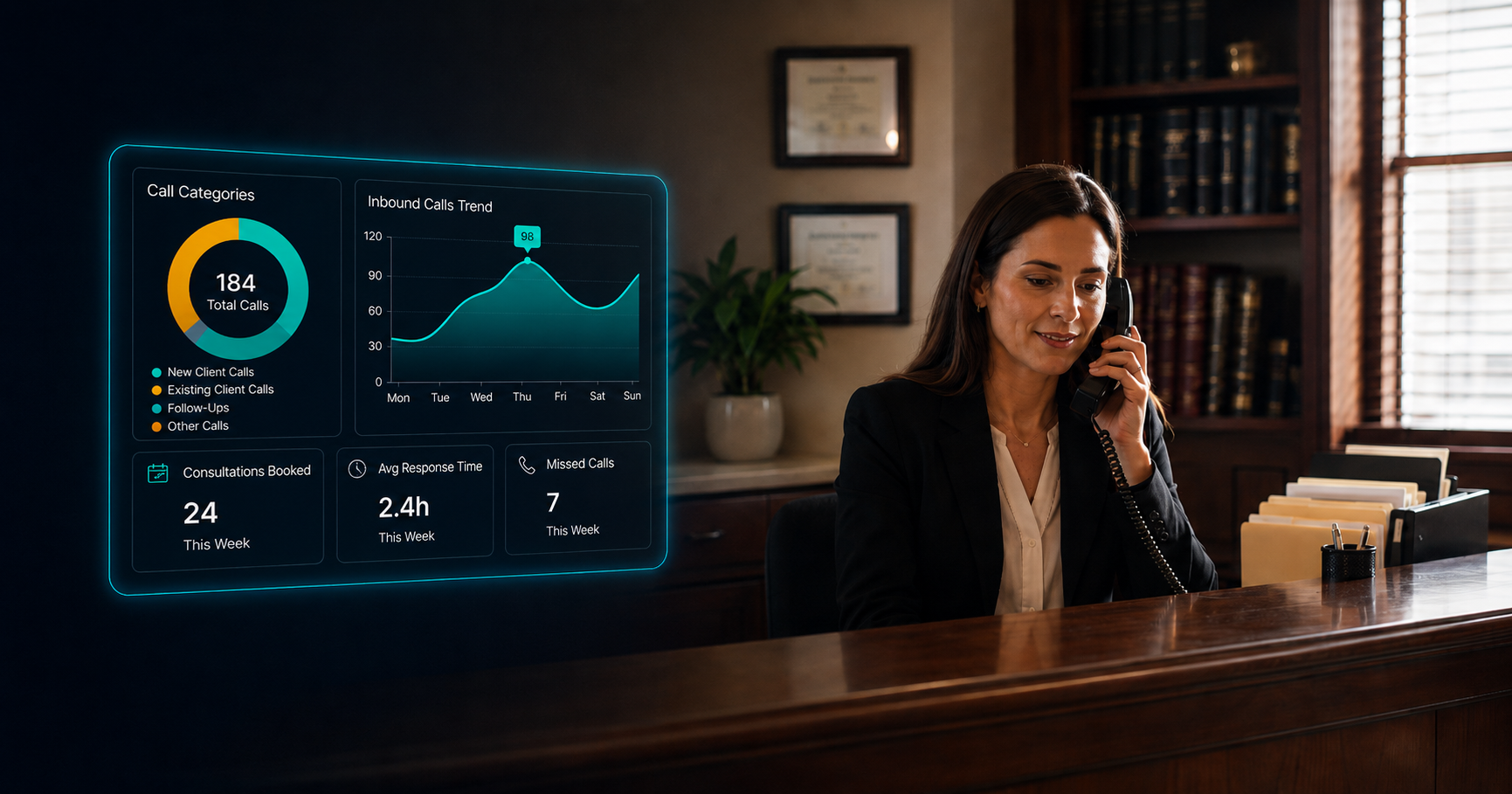
Somewhere on your intake line right now, a prospective client is calling about the worst day of their life: an accident, a divorce, an arrest, a death in the family. How that call goes decides whether they become your client or someone else's. Most firms never find out which way it went. The call ends, the log shows a duration and a phone number, and nobody knows if the caller hung up reassured or hung up confused.
That gap is where revenue quietly disappears. It's also where risk hides: a staff member who, trying to be helpful, says something that sounds like legal advice. A client who's called twice already about a case update and still doesn't have an answer.
None of that shows up in your call volume reports. It shows up in consults that never get booked, in clients who go quiet, and eventually in a one-star review that says "they never called me back."
This is what TeleCloud Sentinel Conversational Insights was built to change. Not by asking your intake coordinators or paralegals to listen to more calls, but by making every call reviewable automatically, and turning that visibility into something a managing partner can actually act on.
What's Actually Happening on Your Intake and Client Calls?
Every call into a firm, whether it's a new inquiry or an existing client checking in, carries information that matters and almost never gets captured:
- Did the caller asking about a car accident, a custody matter, or an estate actually get scheduled for a consultation, or did the call just end?
- Is intake staff applying the same criteria to every caller, or is one person qualifying leads harder (turning away good clients) while another is scheduling consults that never should have been booked?
- Did a non-attorney staff member answer a question in a way that could be read as legal guidance instead of deferring to counsel?
- Is the same client calling three times about the same unresolved question, the kind of pattern that turns into "my lawyer never calls me back"?
Individually, each of these looks like a small thing. Across a month of intake calls, they add up to inquiries that never converted, professional responsibility exposure nobody flagged, and clients who left quietly instead of renewing trust in the firm.
Why Manual Review Was Never Going to Solve This
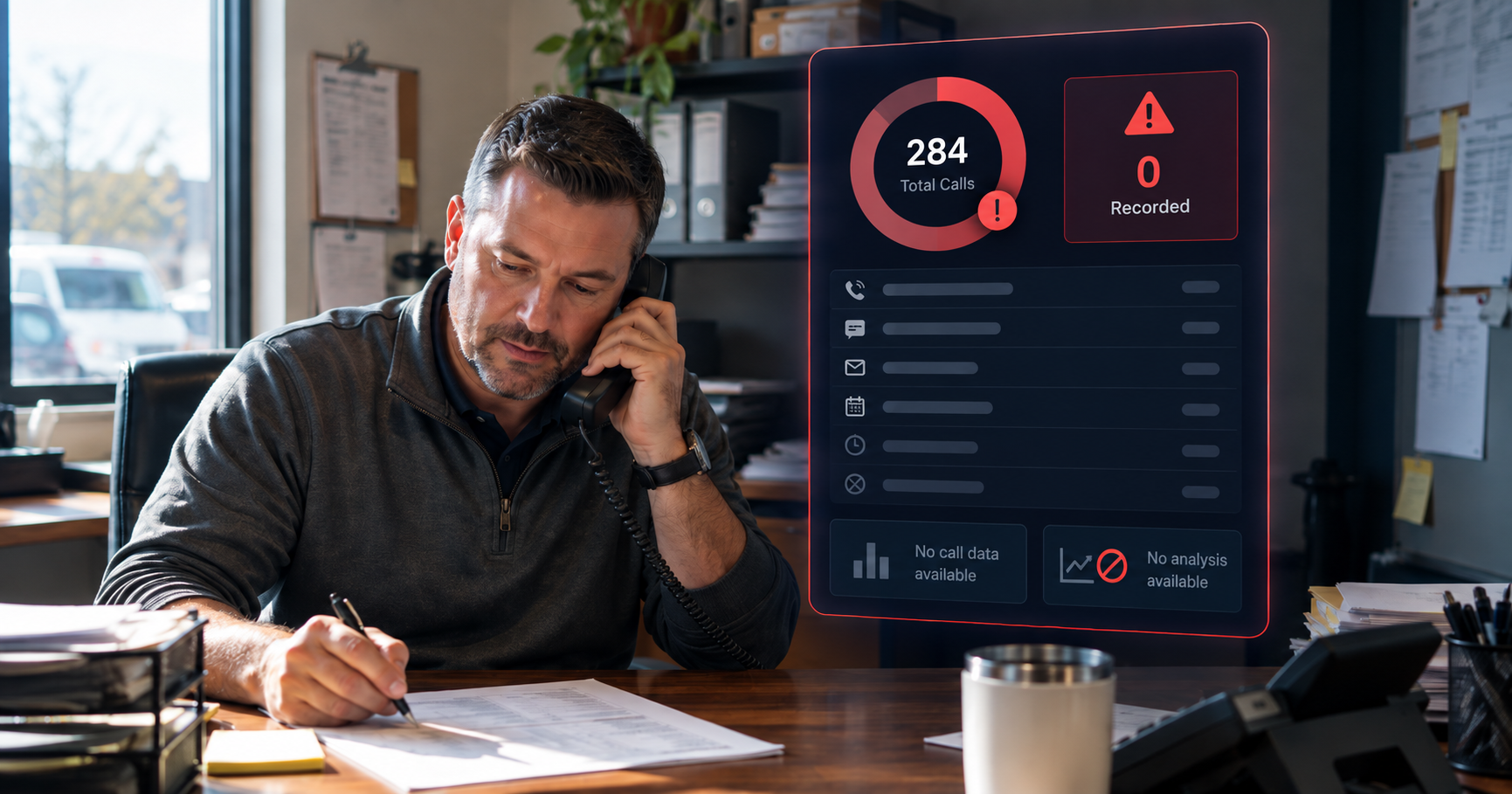
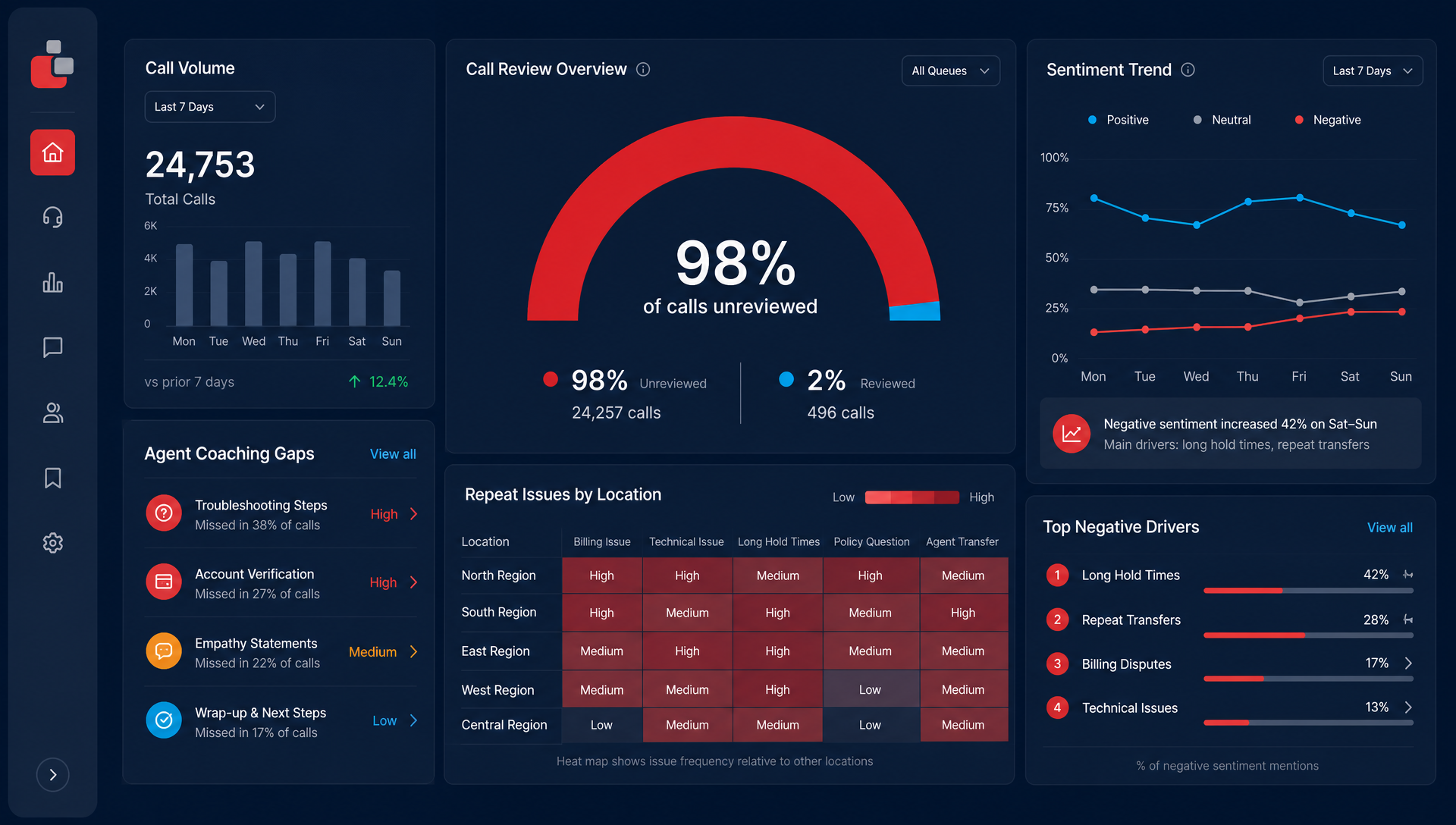
The instinct is to spot-check: an office administrator listens to a handful of recordings, flags what stands out, coaches from there. It's a reasonable instinct, and it still leaves most of your calls unreviewed. A supervisor sampling by hand catches a fraction of what happened, usually well after the caller has already retained someone else.
The problem was never that firms didn't care about how intake calls were handled. It's that reviewing 100% of calls by hand would mean paying someone to do nothing but listen to recordings all day, which no firm can justify.
How Sentinel Changes What's Visible
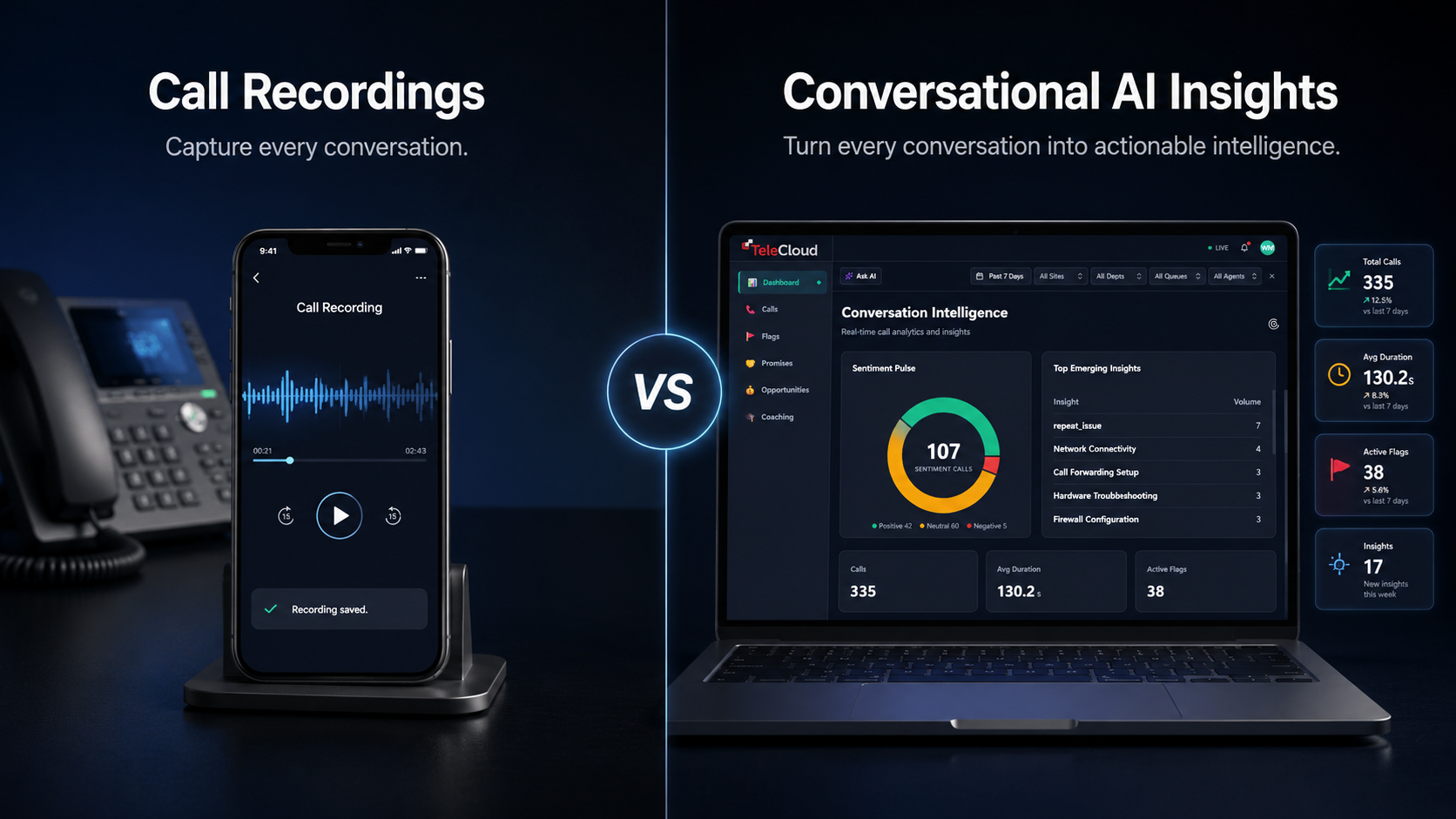
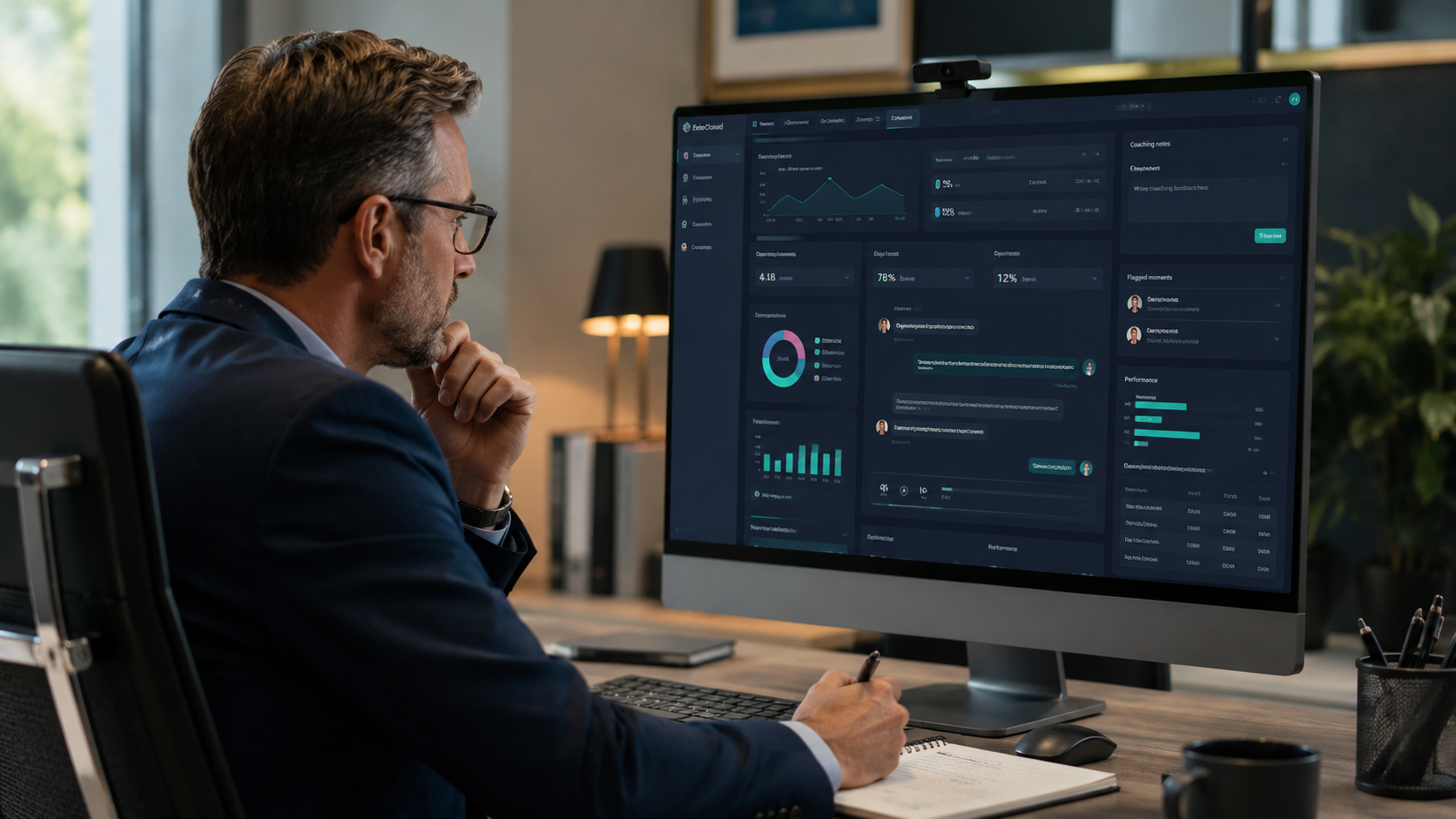
TeleCloud Sentinel Conversational Insights transcribes and analyzes every recorded call automatically after it ends, and flags the ones that matter the same day. No sampling, no end-of-week batch review, no partner listening to hours of audio to spot a pattern. It surfaces:
- Intake conversion tracking. Which inquiries turned into a scheduled consultation or signed retainer, and where in the call the ones that didn't fell off.
- Non-attorney advice risk. Calls flagged where staff gave guidance that should have come from an attorney, before it becomes a professional responsibility problem instead of a coaching conversation.
- Responsiveness and churn signals. Repeated phrases like "I've been trying to reach you" or "no one called me back," surfaced early instead of discovered at the next bar complaint or client exit.
- Intake qualification consistency. Whether staff are applying the same standard to every caller across practice areas, or whether gatekeeping is inconsistent from one intake coordinator to the next.
- Practice area call mix. A clear read on what kinds of matters are actually calling in, by volume and outcome, to inform staffing and marketing decisions instead of guesswork.
None of this requires a new phone system or a new tool for your staff to learn. It runs on the calls you're already recording.
On a law firm's intake line, that looks like this: the inquiry that ended without a consult booked and nobody noticed, the guidance a front-desk staffer gave that should have waited for an attorney, the client who called a third time still without a callback. A law firm carries more downside than most businesses, in lost revenue and in risk, when those calls go unnoticed.
What This Could Mean for a Firm Your Size
TeleCloud estimates that Sentinel reviews 100% of recorded calls automatically, cuts the time it takes to find a problem call by roughly 90%, catches roughly twice as many escalation risks and negative outcomes before they turn into a complaint, and cuts missed follow-ups by around half. Those are platform estimates, not measured results, and not a promise for any specific firm.
Here's a rough way to translate that into what it could mean for a firm your size, using industry-typical numbers rather than one client's result, not a real customer outcome. Say a mid-size firm fields around 300 new inquiries a month across its practice areas, and roughly a third of those calls end without a consultation ever getting scheduled.
If even a modest share of that drop-off is recoverable, simply because the firm can now see where and why callers disengage, the value of a single additional signed retainer in a firm's core practice area typically dwarfs what a review platform costs to run. Add in the intake coordinator hours currently spent spot-checking a handful of calls a week, hours that get redirected to callers who actually need a person, and the math tends to work in the firm's favor quickly.
What This Means for Client Experience
Prospective and existing clients don't remember your hold music. They remember whether the person on the phone understood what they needed and followed through. A firm that can see, and fix, the calls where that didn't happen is a firm that converts more inquiries and keeps the clients it already has, instead of losing them quietly to the firm down the street that called back first.
That's the real return here: not just conversion and labor hours, but the ability to catch the call that was about to become a lost client, a bar complaint, or a client who never renews trust, while there's still time to do something about it.
See What Your Intake Calls Are Already Telling You
You don't need to change your phone system or ask your staff to do anything differently. TeleCloud Sentinel Conversational Insights works with the calls you're already taking.
If you're only reviewing a handful of intake calls a week and hoping that's enough, it's worth finding out what the other 90-plus percent would tell you.
Get a demo to see what this could surface for your firm. Every call is a customer experience. Now you can see all of them.
Frequently Asked Questions
Does Sentinel require us to change our phone system?
No. Sentinel works with the call recordings and transcripts you already have. If you're on TeleCloud's phone system, setup is tighter and more automatic; if you're on another system, we connect to your existing recordings or transcripts to get you started.
Does this create attorney-client privilege or confidentiality concerns?
Sentinel is built to work within your firm's existing recording and data-handling practices, and all data stays within your TeleCloud environment. It doesn't change what you're already recording or who has access to it; it makes what's already there reviewable at scale, with the same confidentiality standards your firm already applies to call recordings.
Will this replace our intake staff or paralegals?
No. Sentinel doesn't answer calls or make decisions for your team. It reviews the calls your staff already handle and flags what needs attention, so intake coordinators and office administrators spend their time on the calls that need a person instead of sampling recordings at random.
How is this different from the call reports we already get?
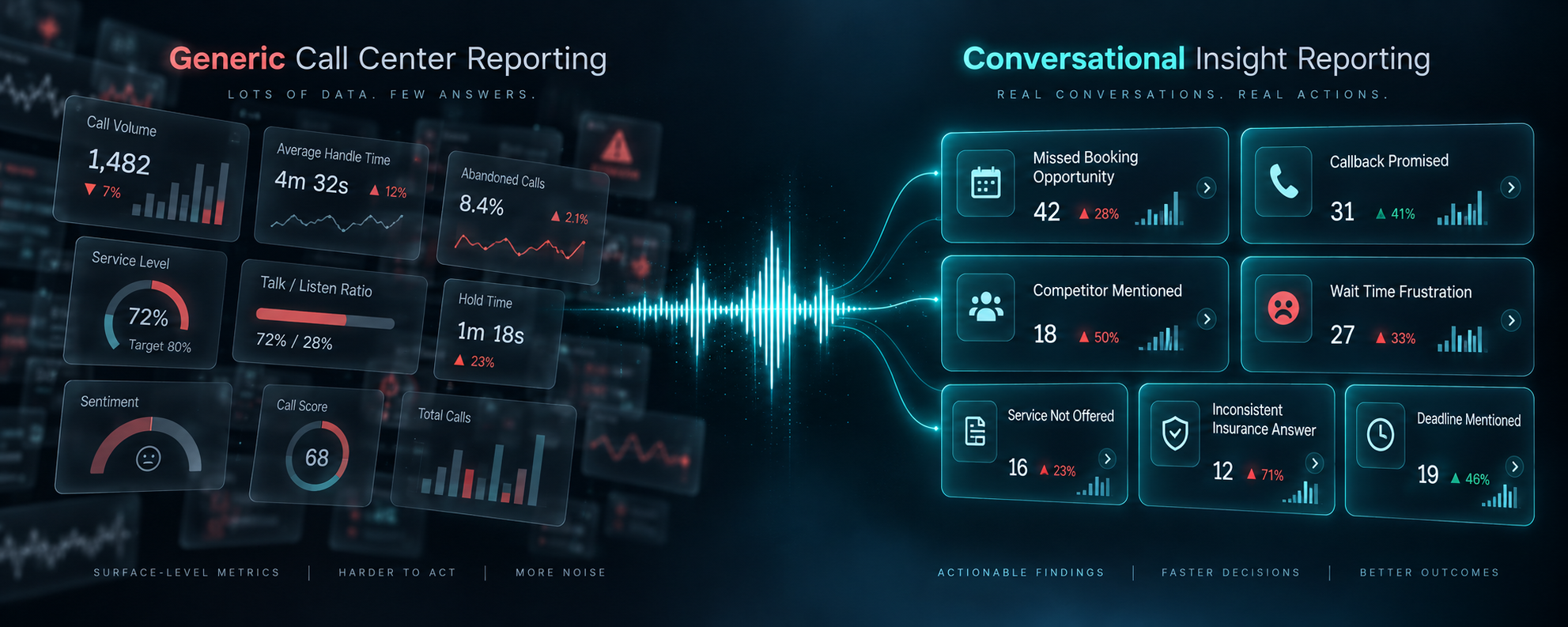
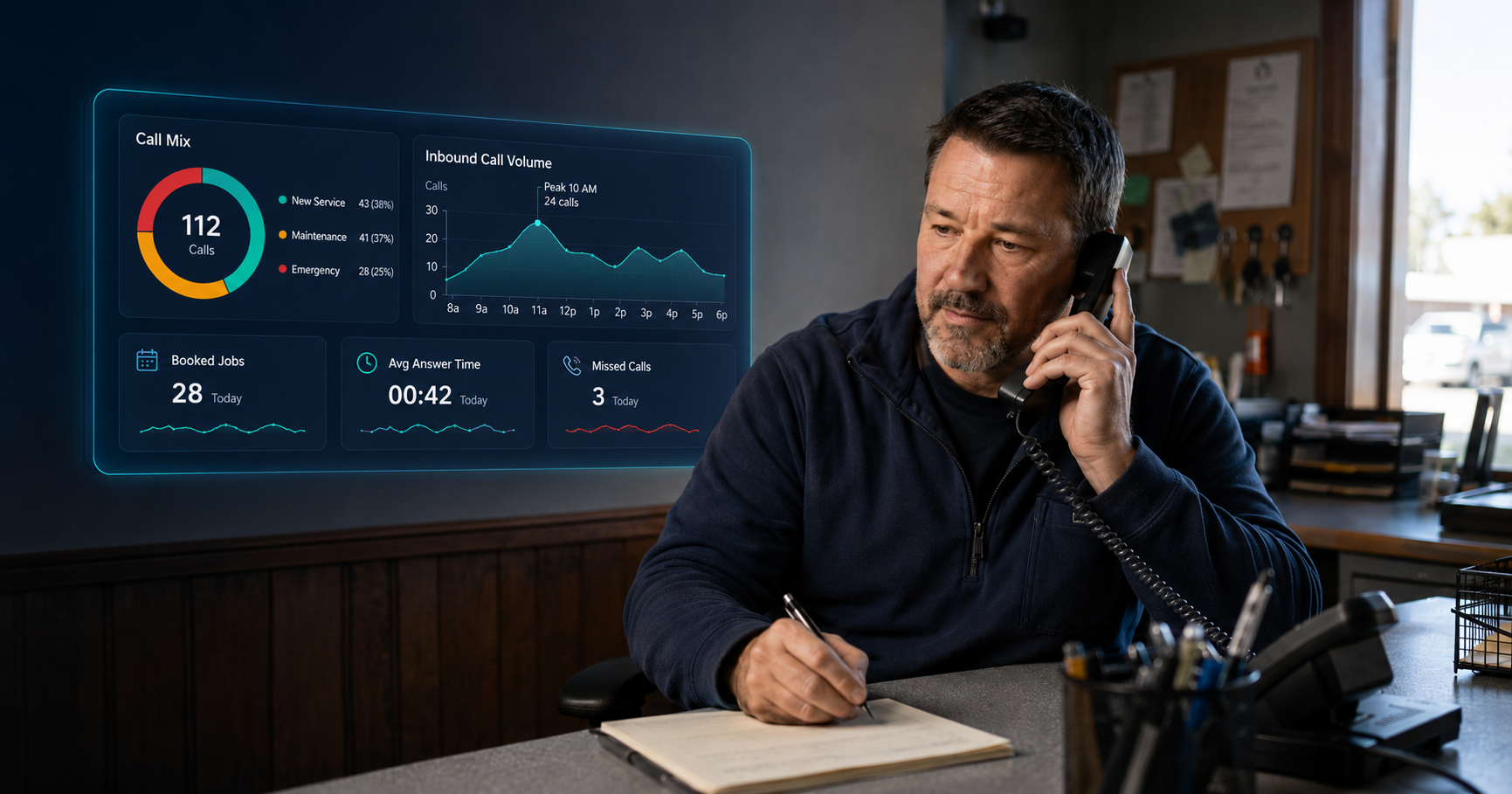
Standard call reports tell you what happened: volume, duration, hold time. Sentinel tells you why it happened and what to do about it: which inquiries ended without a consult booked, which clients called back multiple times without resolution, where staff need coaching or oversight.
How quickly can we see results?
Sentinel starts analyzing calls from the day it's turned on. Most firms see their first useful patterns, like a recurring drop-off point in intake or a specific staff member needing coaching, within the first few weeks.
Do we need a certain call volume for this to be worth it?
Sentinel scales to firms of any size, but the value grows with call volume and with the number of intake staff a managing partner can't personally monitor. If you're relying on spot-checks today, that's usually the sign it's time.
Is TeleCloud Sentinel a conversation intelligence platform?
Yes. TeleCloud Sentinel is built on the same conversation intelligence technology as tools like Gong or CallRail. We call what it surfaces "Conversational Insights," because that's what actually matters: not the technology category, but the specific answers your team gets to act on.
Will Maddox is the Digital Marketing Coordinator at TeleCloud, overseeing content, brand, and outbound strategy for the company. He writes about cloud communications, AI tools for business, and what SMBs and urgent care operators need to know to run better phone systems. Connect with Will on LinkedIn or email him directly to learn more.