
How TeleCloud Sentinel Conversational Insights Helps Restaurants & Clubs
October 15th, 2026
4 min read
By Will Maddox

Friday, 6:40pm. The host stand phone rings while there's a line at the door. It's someone asking about a rehearsal dinner for forty in November. The host takes a name and a number, promises the events manager will call back tomorrow, and turns back to the line. The note ends up under a menu. Nobody calls.
You never find out. There's no lost-sale report for a party you didn't know you were offered. The family books somewhere else, and the only trace is a two-minute call in your phone log.
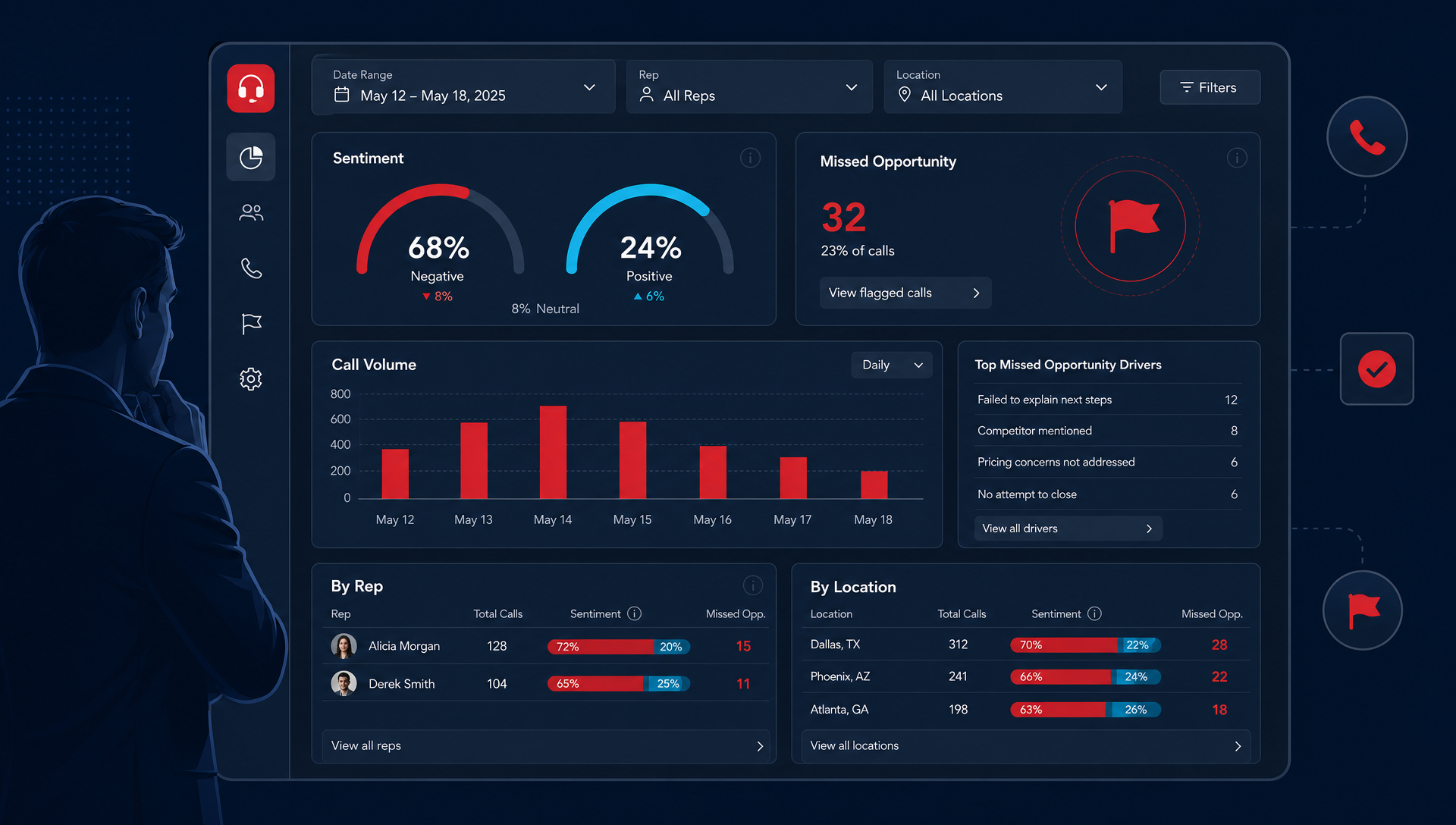
That's the gap TeleCloud Sentinel Conversational Insights was built to close. It reads every recorded call your restaurant or club takes, flags the ones where something was asked for and never delivered, and tells the right person the same day. Your host stand keeps working the way it does now. You just stop losing the calls that matter most in the middle of a rush.
What's Actually Happening on Your Restaurant's Calls?
Most restaurant calls are quick: hours, a table for four, are you open on the holiday. The ones that matter are mixed in with them, and they're answered by whoever is closest to the phone at the busiest moment of the day.
- A private event, catering or large-party inquiry that never got a callback or a proposal.
- A guest calling about a bad visit, a wrong order or a billing mistake, and the complaint never reached a manager.
- A question about allergens or ingredients answered with a guess instead of a check with the kitchen.
- Someone promised to hold a table, waive a fee or send a menu, and it didn't happen.
- At a club, a member asking about dues, a billing problem or leaving, handled at the front desk and never passed on.
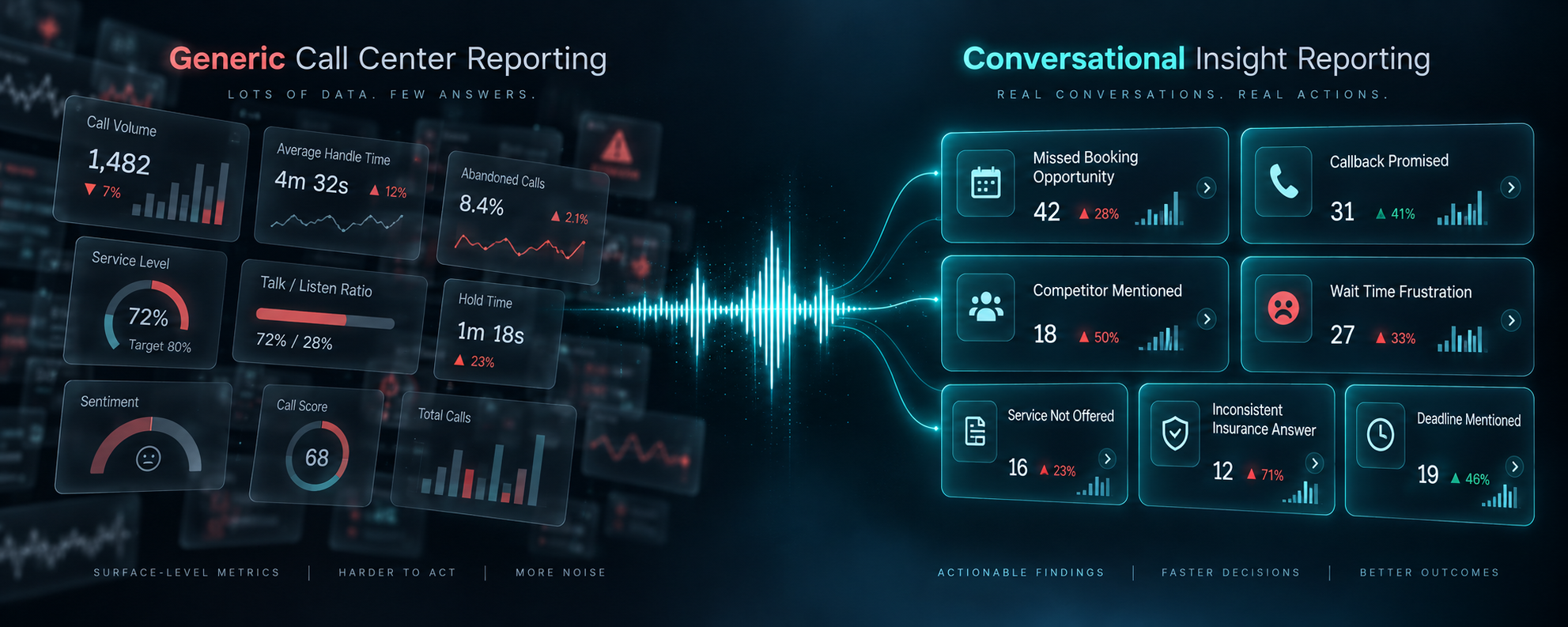
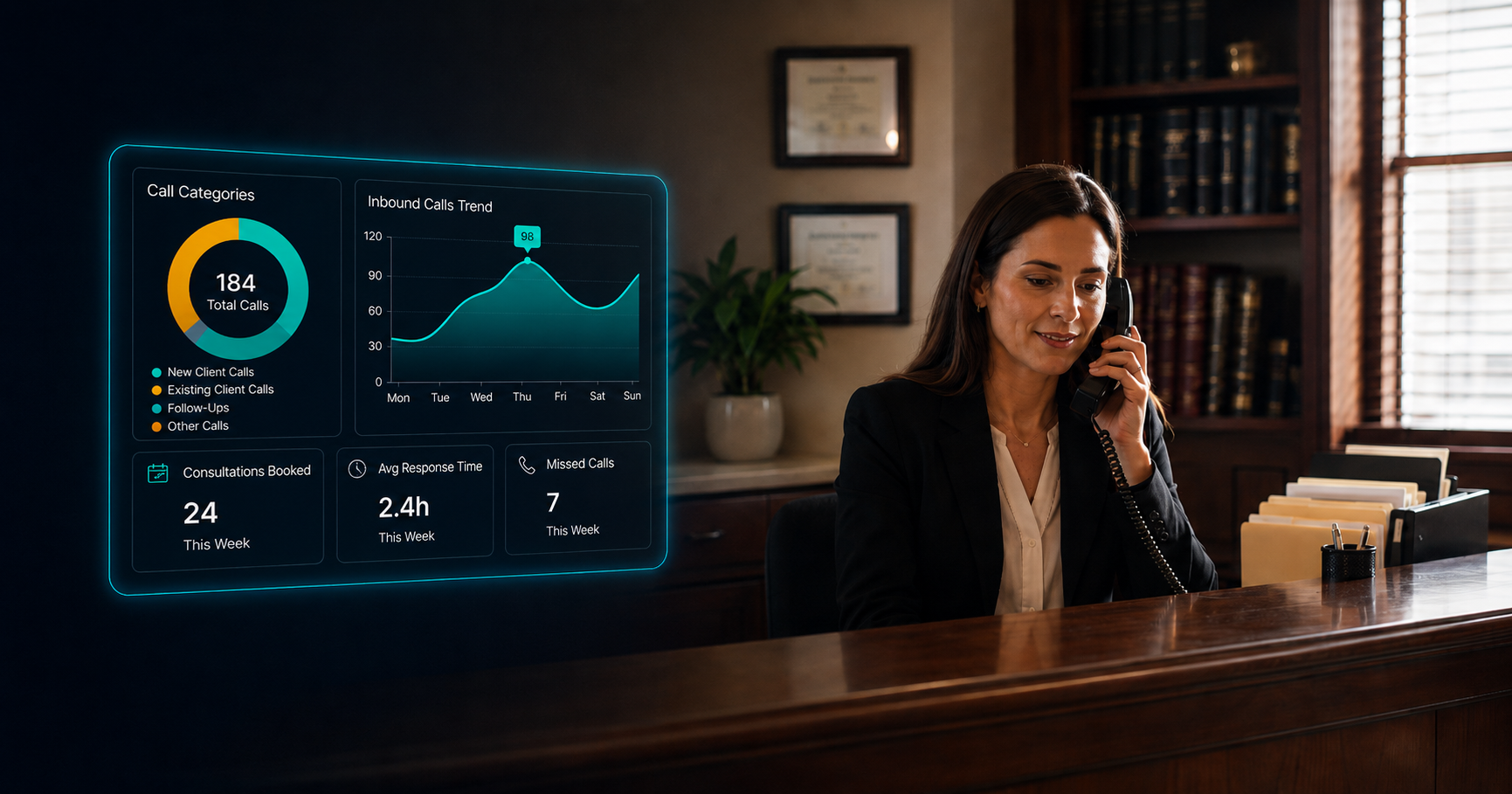
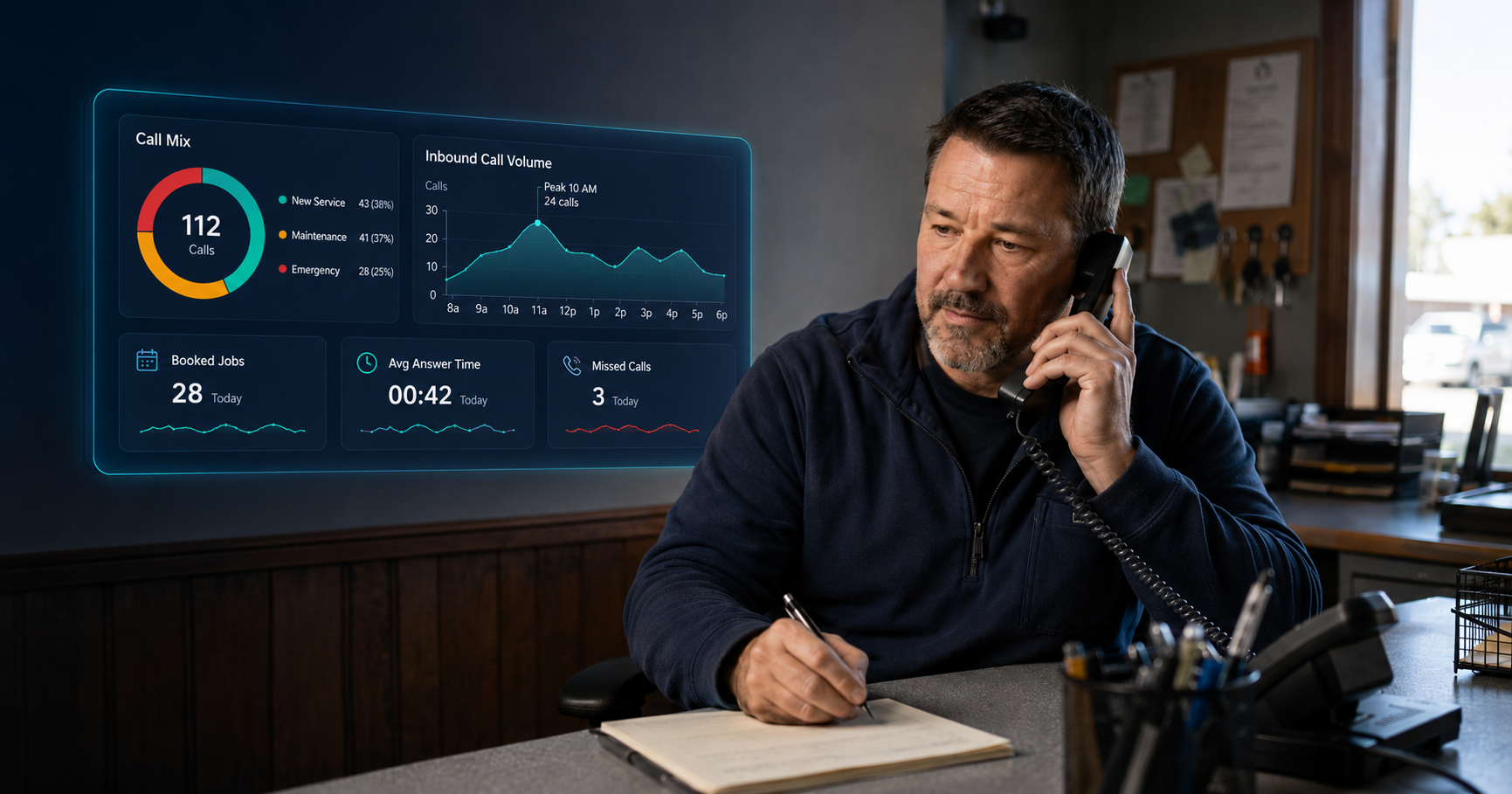
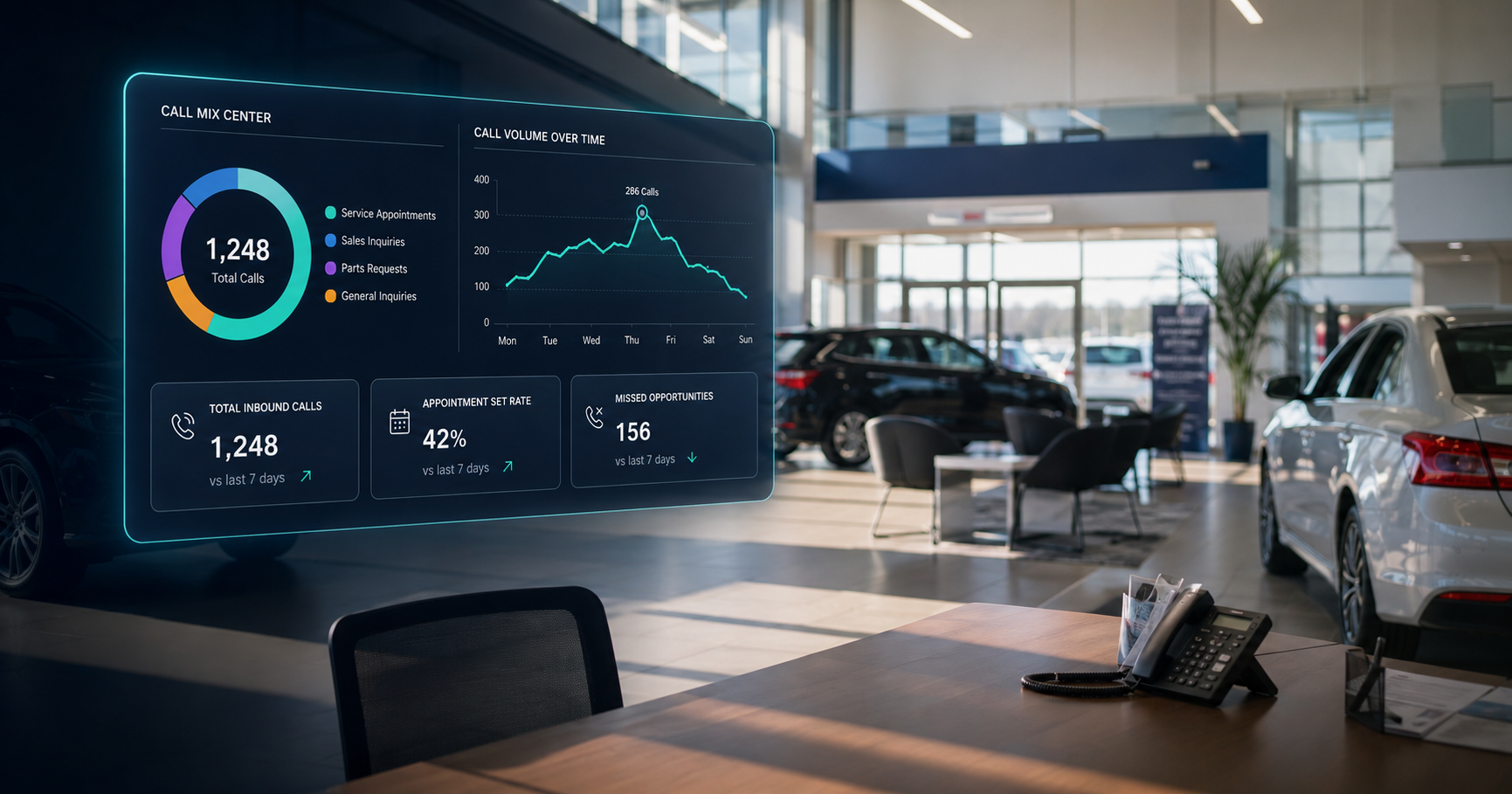
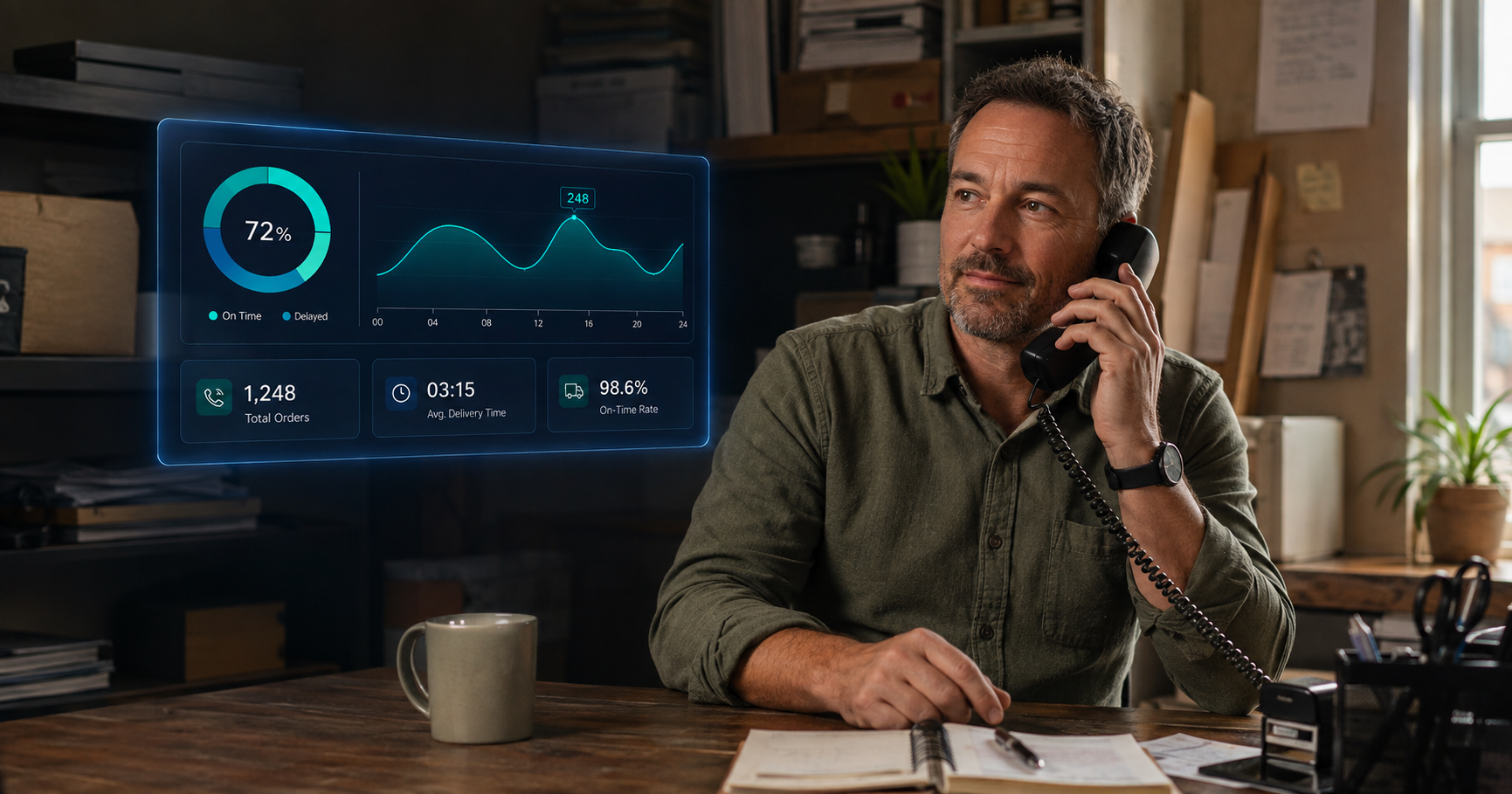
None of this shows up in a call report. The report says the phone rang 300 times this week. It can't tell you which of those calls was a booked event you let walk away.
Why Can't a Manager Just Listen to the Recordings?
Because nobody has the time, and in a restaurant that isn't an excuse, it's the operating reality. A general manager is on the floor during service and in the office after it. Sitting down to play back yesterday's calls isn't going to happen, and a random sample wouldn't find the one event inquiry that mattered anyway.
For a group with several locations, or a club with a host stand, a pro shop and a banquet office all taking calls, it's even less realistic. The calls happen in too many places for any one person to hear.
What Does Sentinel Show a Restaurant or Club?
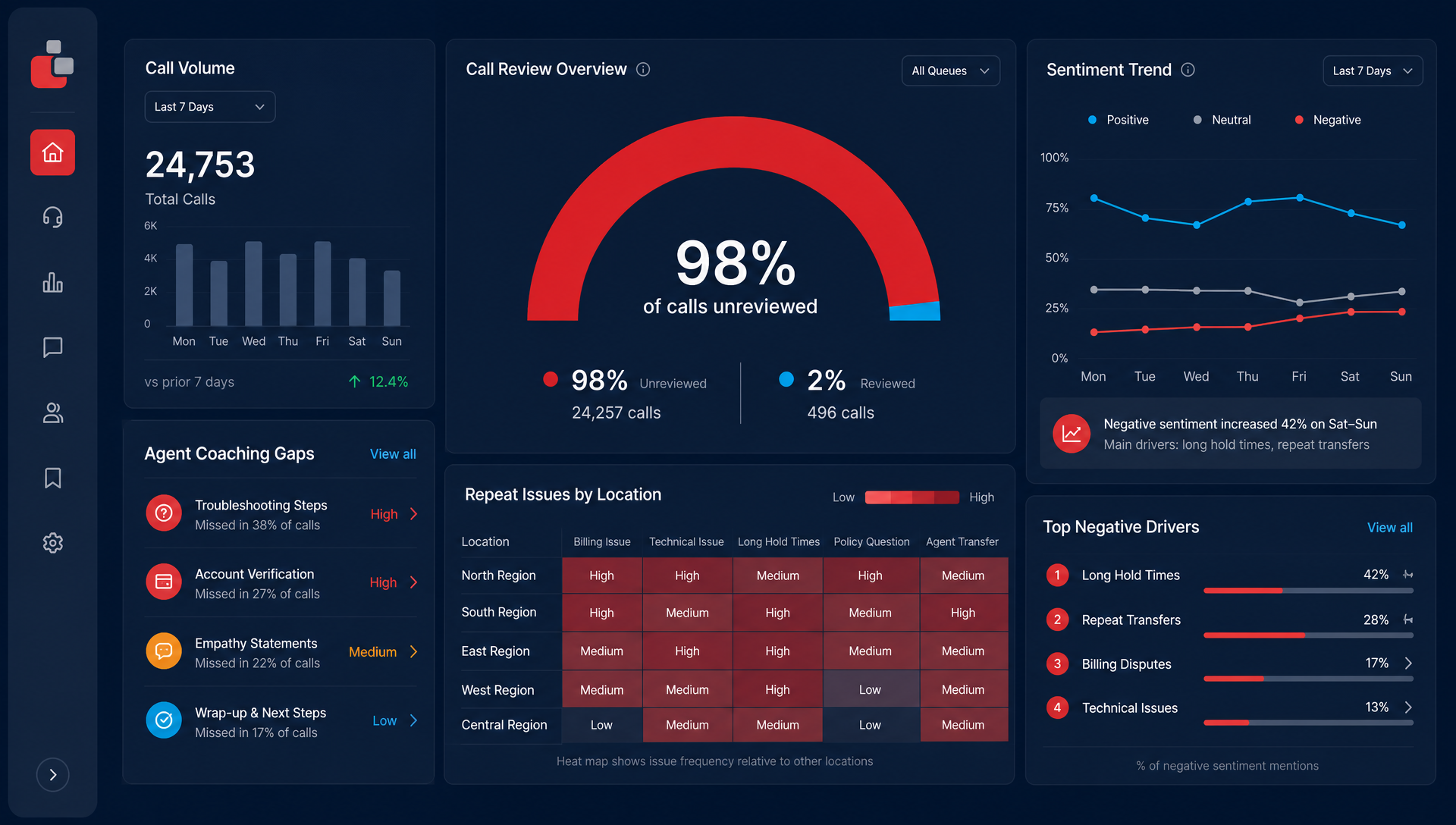
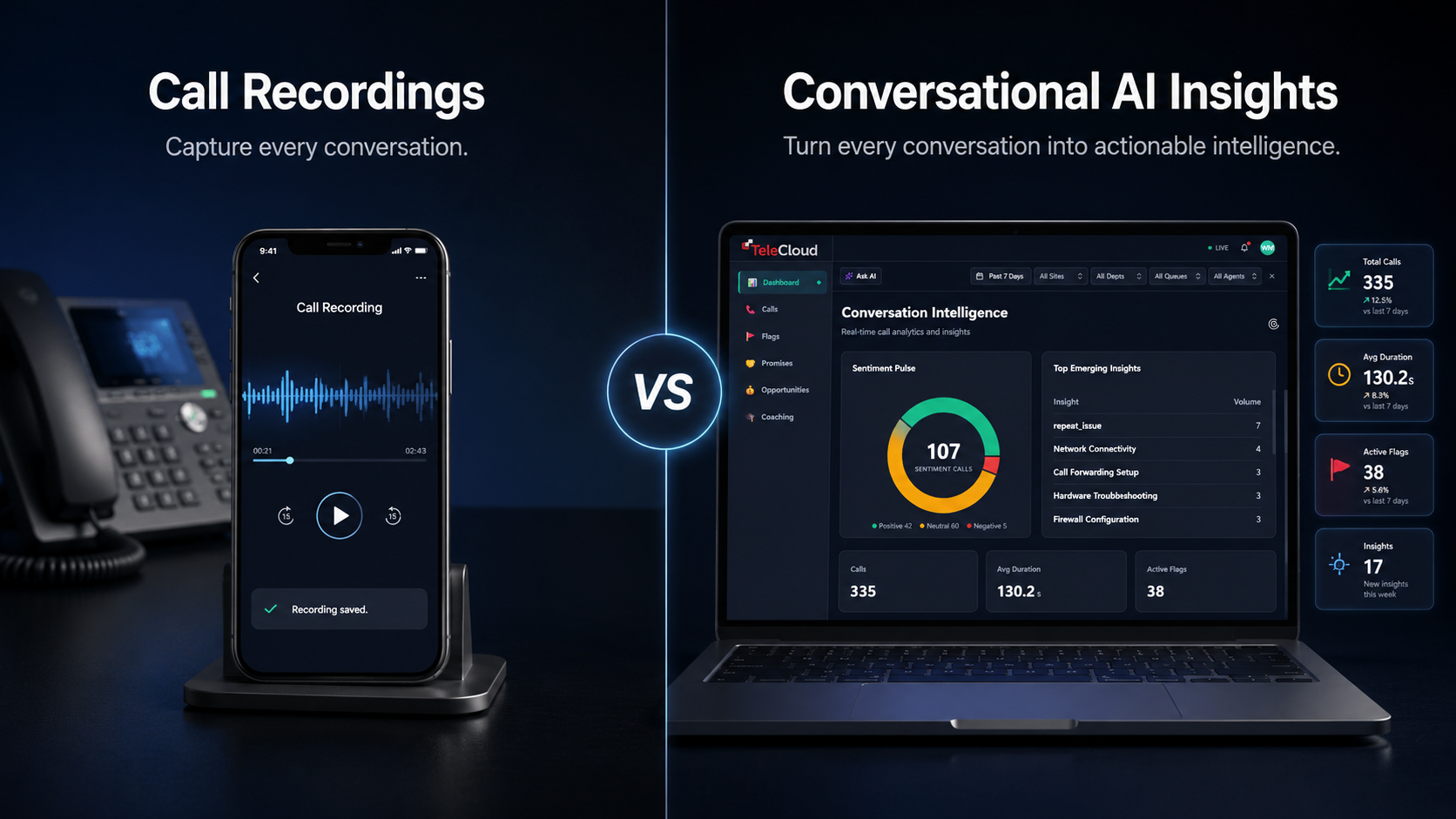
Sentinel reads each recorded call after it ends, checks it against rules written for how your business runs, and emails the calls that matter to the person you name. Nothing installs at the host stand, nobody logs into anything, and nothing changes about how a call gets taken. The rules are built around:
- Event and catering inquiries with no follow-up. Who called, what they asked about, and whether anyone got back to them.
- Complaints a manager should have heard. Guests calling about a bad visit, flagged the same day while there's still time to make it right.
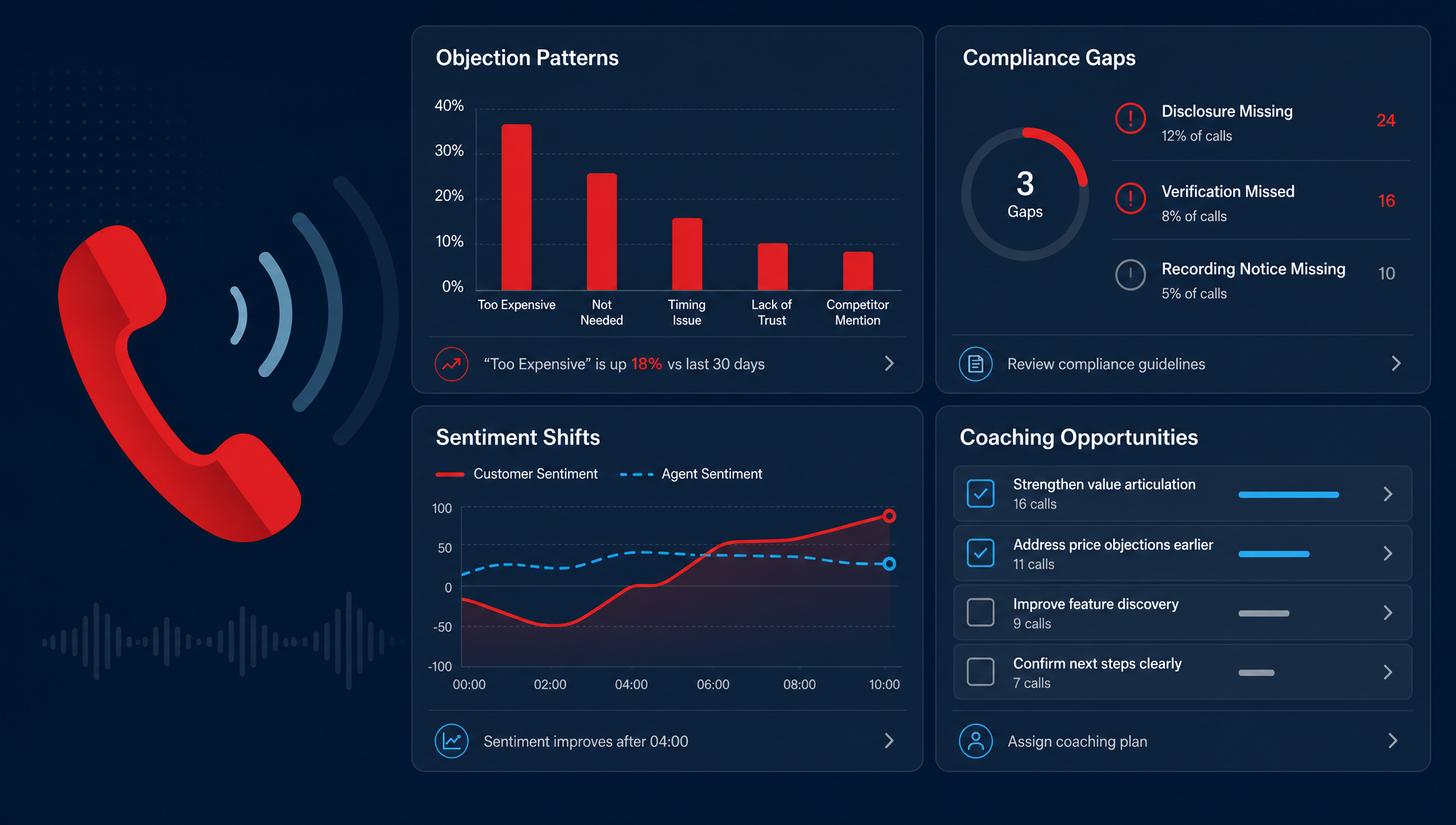
- Promises that weren't kept. Holds, callbacks, menus and quotes committed to on a call with no sign they happened.
- Answers that needed a check. Allergen and ingredient questions, and anything else your staff shouldn't answer from memory.
- Repeat callers. The same guest or member calling back about the same thing, grouped together so it doesn't look like a one-off.
The point isn't more data. It's a short list in an inbox each morning: these three calls need someone today.
Is Your Phone System Recording the Right Lines?
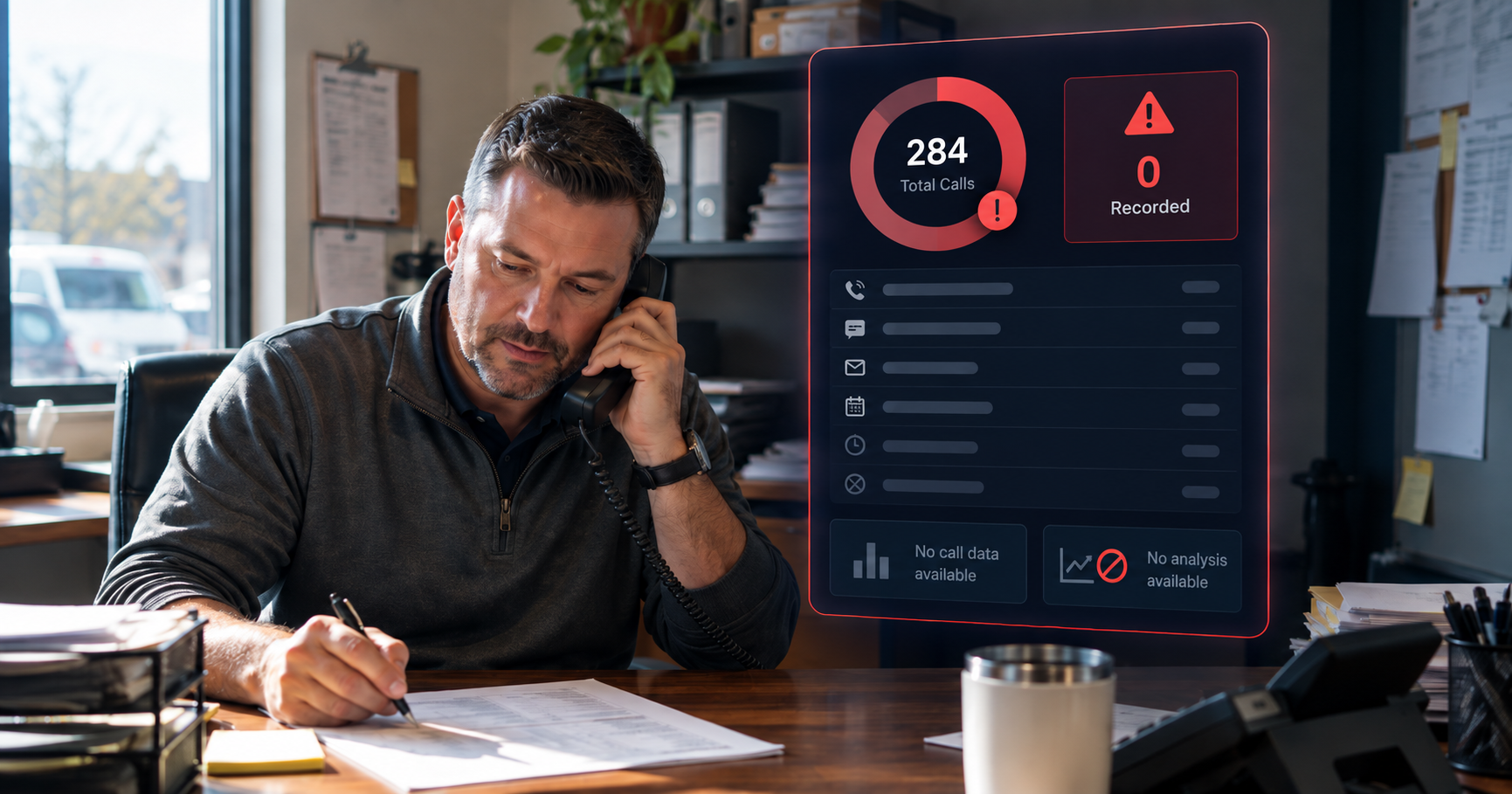
This is the first thing to check, and it's a phone system question before it's a Sentinel one. Sentinel can only read calls that were recorded. The most common gap we find in restaurants and clubs is a host stand that records and a banquet or events office that doesn't, which means the most valuable calls are the ones nobody captured.
If you're not sure, start with a quick recording coverage audit. If you're on TeleCloud, we can check it for you on the first call.
One honest limit while we're on the subject: a caller who hangs up in your phone menu never has a conversation, so there's nothing for Sentinel to read. That's a real problem too, but it's answered by your phone system's call reports, not by call analysis. Ask us and we'll show you what yours can tell you.
What Could This Look Like for a Business Your Size?
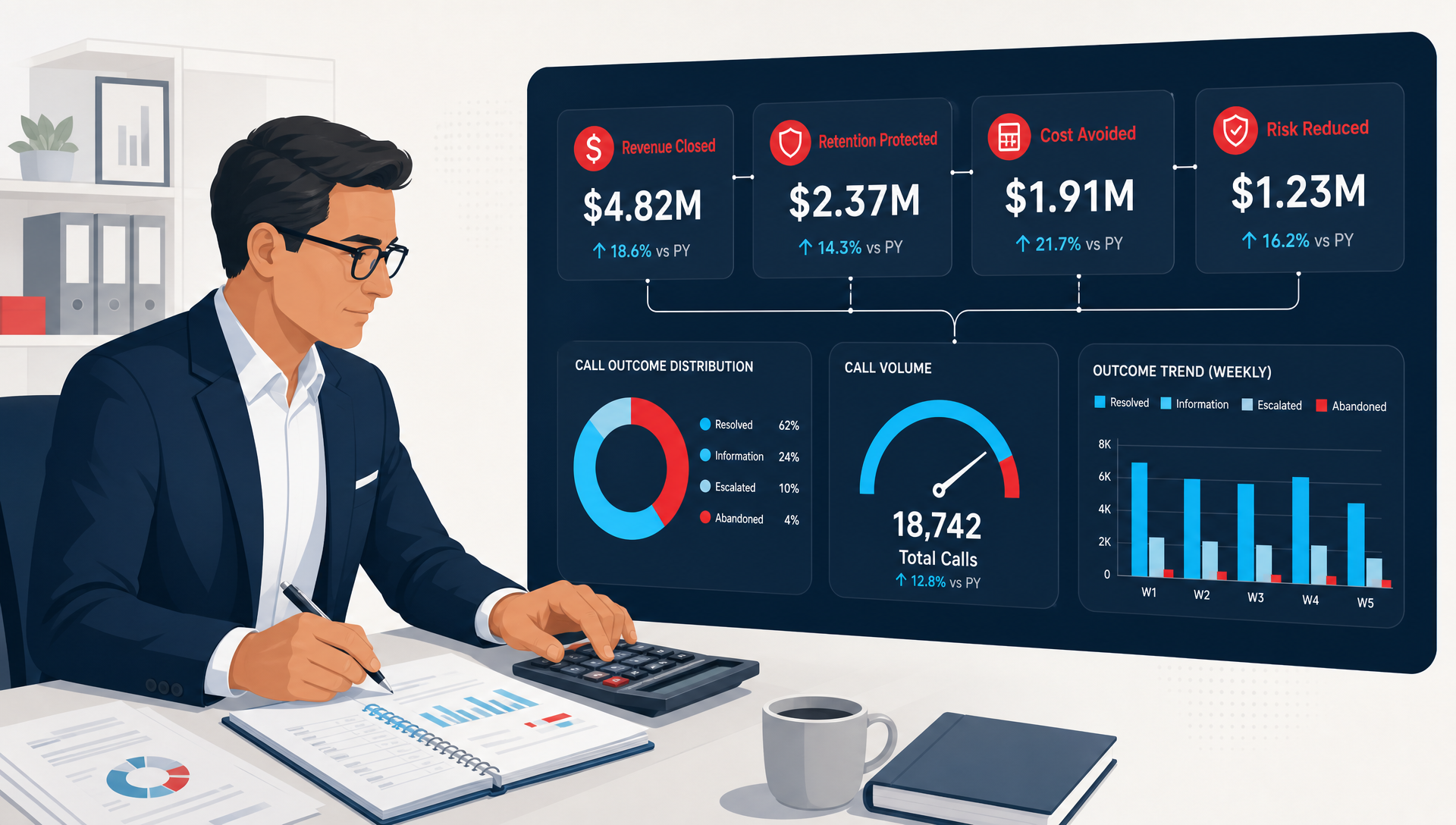
Here's a rough illustration using round numbers, not a customer result. Say a restaurant group with three locations gets around 30 event, catering and large-party inquiries a month by phone. If even two or three of those never get a callback, that's two or three private events a month going to someone else, and a private event is usually worth a lot more than a busy Tuesday.
Sentinel doesn't call those people back. Your team does. What changes is that you know about every one of them the next morning, instead of never. The other saving is time: managers stop trying to reconstruct what a guest was told from a busy host's memory.
What Does This Mean for Your Guests and Members?
Guests don't remember how fast the phone was answered. They remember whether anyone called them back about the party, and whether the complaint they called in about was taken seriously. A restaurant or club that can see those calls, and act on them, is one that keeps its regulars and books the events its competitors miss.
See What Your Calls Are Already Telling You
You don't need to change your phone system or ask your staff to learn anything new. Sentinel works with the calls you're already recording, on TeleCloud or on another provider.
If you've ever wondered how many event inquiries slipped through during a Friday rush, it's worth finding out.
Get a demo to see what this could surface for your restaurant or club. Every call is a customer experience. Now you can see all of them.
Frequently Asked Questions
Do we need TeleCloud's phone system to use Sentinel?
No. If your calls are recorded, Sentinel can read them, whatever system produced them. Restaurants and clubs run it on the phones they already have. Whether you ever change phone providers is a separate question on a separate timetable.
Do we have to record calls first?
Yes. Sentinel has nothing to read if nobody captured the call. If you aren't recording, we set that up first, then check which of your lines actually record, starting with the events office.
Is this another system for the host stand to learn?
No. Nothing installs at the host stand and nobody logs in. Sentinel reads recordings that already exist and emails what it finds to whoever you name.
Does Sentinel listen to calls live?
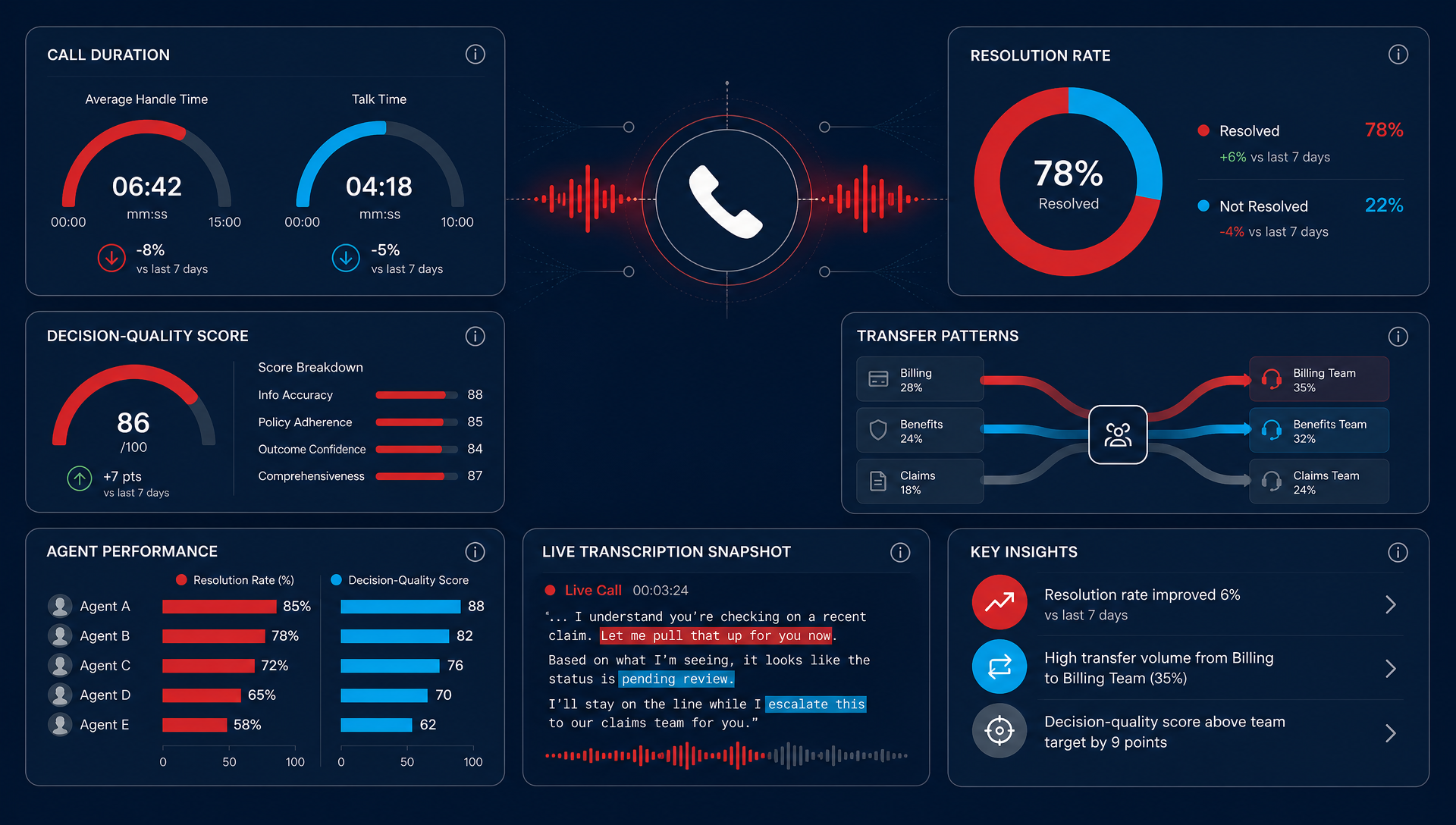
No. It reads each call after it ends. It doesn't join calls and it doesn't answer them. Findings from a lunch service reach you the same day.
What happens when it gets something wrong?
It will, sometimes. Every finding carries the quote that triggered it, so a manager can check it in seconds. Nothing is sent to a guest automatically. If a rule is wrong, we rewrite the rule.
Where do our recordings go, and who can see them?
They stay in TeleCloud's own AWS account, and Sentinel reads them there. Your call content is never used to train models and is never sold or shared with another customer.
Will Maddox is the Digital Marketing Coordinator at TeleCloud, overseeing content, brand, and outbound strategy for the company. He writes about cloud communications, AI tools for business, and what SMBs and urgent care operators need to know to run better phone systems. Connect with Will on LinkedIn or email him directly to learn more.