
The State of vCons 2026: The Emerging Standard for AI Conversations
January 8th, 2026
3 min read
By Matt Gavin
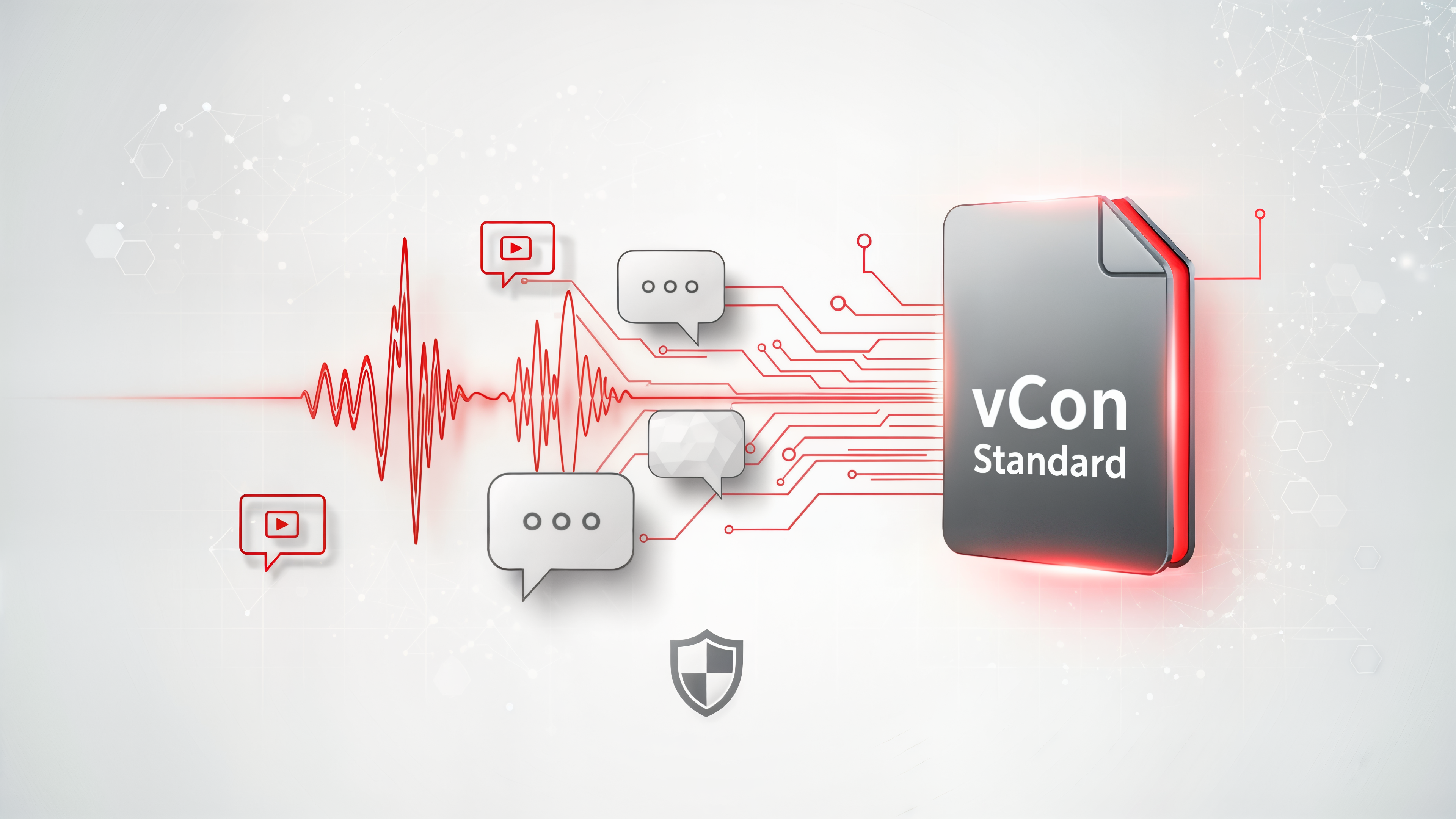
vCons, or Virtualized Conversations, are becoming the new global standard for storing and analyzing communication data. As we move into 2026, the focus has shifted from concept to real-world adoption, led by compliance needs, interoperability goals, and collaboration across telecom and AI sectors.
When vCons first appeared in 2023, they were a new idea: a digital format that captures every part of a conversation: audio, video, chat, and metadata. Two years later, that idea is turning into an industry standard.
At last year’s fall vCon Summit, leaders from telecom, AI, and compliance gathered to share how the standard has evolved and what’s next. The key message: vCons are maturing fast, compliance is accelerating adoption, and 2026 will be a pivotal year for official standardization.
This article covers the biggest updates, what’s changed since the 2025 spring vCon Summit, and how businesses can prepare for the next phase of intelligent communications.
What’s Changed Since 2025: Progress Toward Standardization
The Internet Engineering Task Force (IETF) has refined the vCon framework, focusing on the essentials: how vCons should be structured, stored, and shared. Early drafts had too many optional features, slowing approval. The group streamlined the model to establish a clear foundation first, then add advanced capabilities later.
This mirrors how SIP became the standard for VoIP: start simple, build consistency, and evolve over time.
Quick Comparison: 2025 vs 2026
|
Focus Area |
2025 |
2026 |
|
Standard Status |
Early draft |
Near-final approval by IETF |
|
Feature Scope |
Broad, exploratory |
Core functions defined |
|
Industry Adoption |
Limited pilots |
Active testing and integrations |
|
Compliance Role |
Emerging focus |
Central to development |
vCons are no longer just a concept; they’re moving toward full standardization in 2026.
Why Standardization Matters: Learning from SIP
In the early 2000s, SIP unified internet telephony, ending confusion among multiple competing standards. vCons are on a similar path.
Without a shared standard, every company structures and analyzes conversations differently. This limits interoperability and increases costs. A universal format means consistent data, better AI training, and faster innovation.
In short, early adopters will benefit most when vCons become the accepted standard.
Compliance and Data Privacy: Why It’s Driving Adoption
Compliance is shaping how vCons are built. With no single federal AI data privacy law, states are defining their own rules. This fragmented approach creates risks for national businesses.
vCons simplify compliance through structure and transparency:
- Consent Tracking: Each vCon records who participated and when consent was given.
- Data Redaction: Sensitive information (like credit cards or health details) can be automatically removed.
- Data Lineage: Businesses can trace which vCons were used for which AI models.
This traceability makes it possible to manage AI responsibly and stay ahead of evolving privacy laws.
Beyond this, the SCITT (Secure, Compliant, Interoperable, Transparent, and Traceable) framework is being developed alongside the vCon standard. SCITT adds another layer of structure for organizations focused on compliance and transparency. While some experts question whether it’s necessary for every implementation, it demonstrates the industry’s broader push toward privacy-first, verifiable communication data.
vCons turn compliance from a burden into a built-in advantage.
Real-World Use Cases: From Concept to Impact
The vCon Summit showcased how companies are already experimenting with structured data.
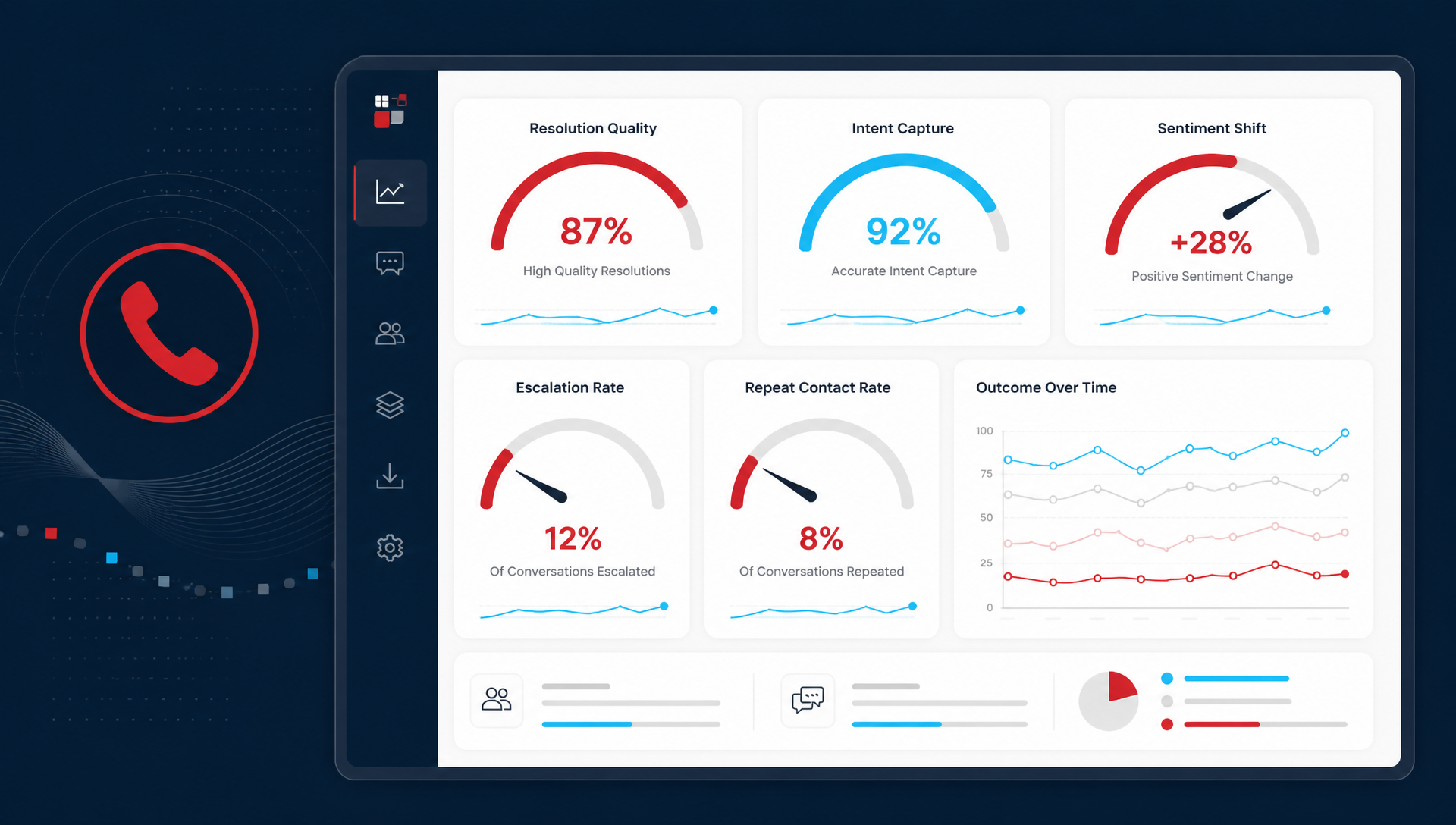
One vCon developer demonstrated a dashboard that analyzes developer activity on GitHub: tracking work patterns, burnout risks, and sentiment. While not a traditional vCon example, it proves how structured data can generate actionable insights.
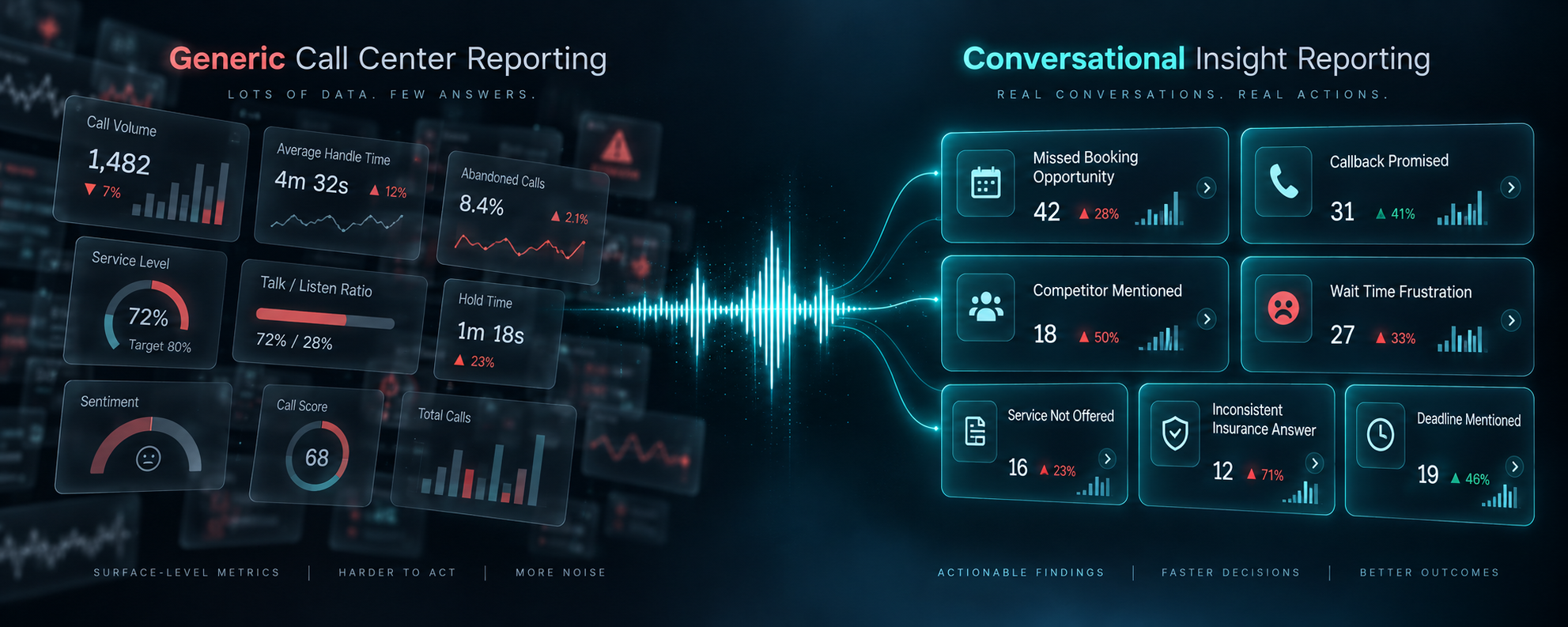
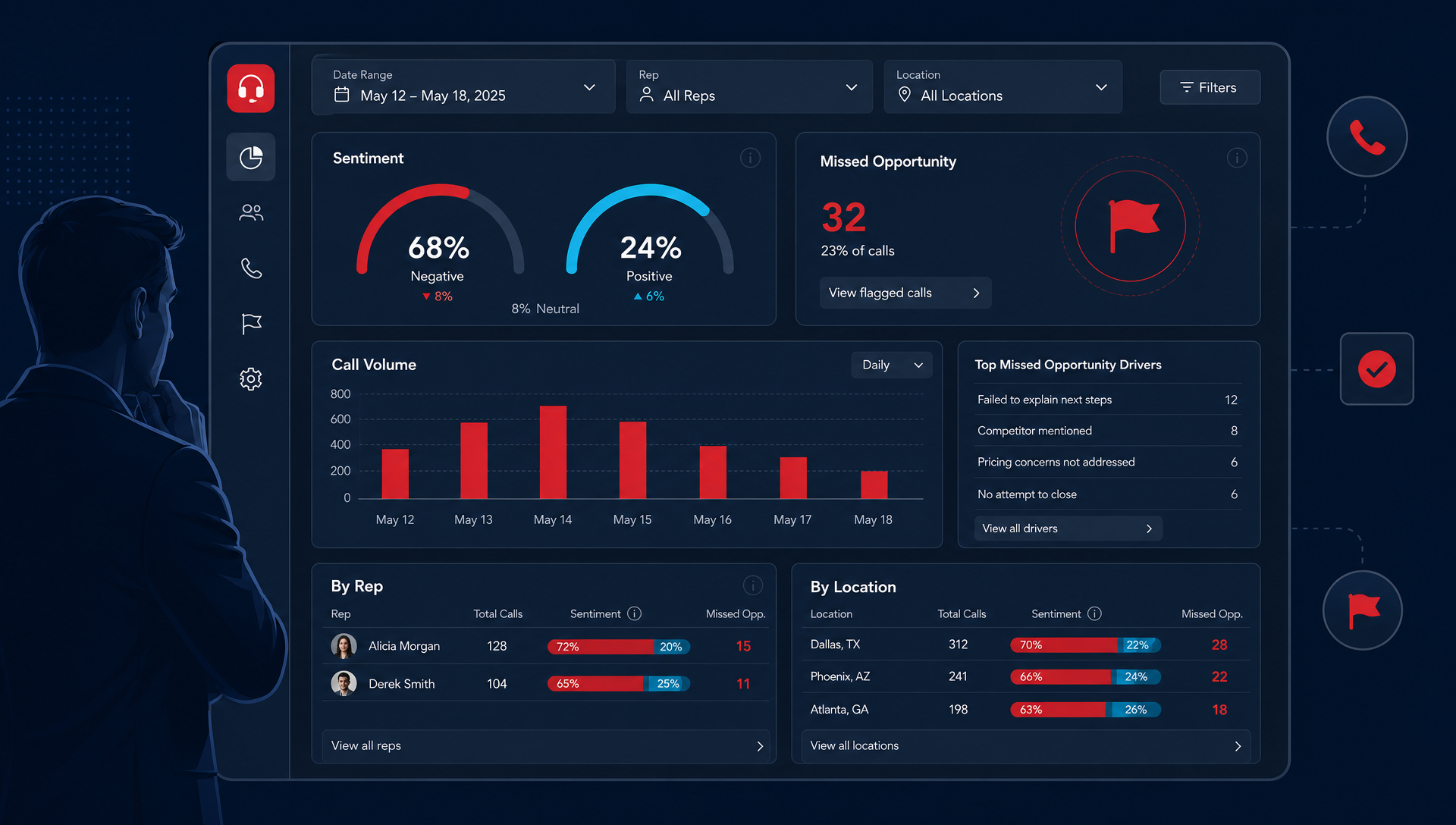
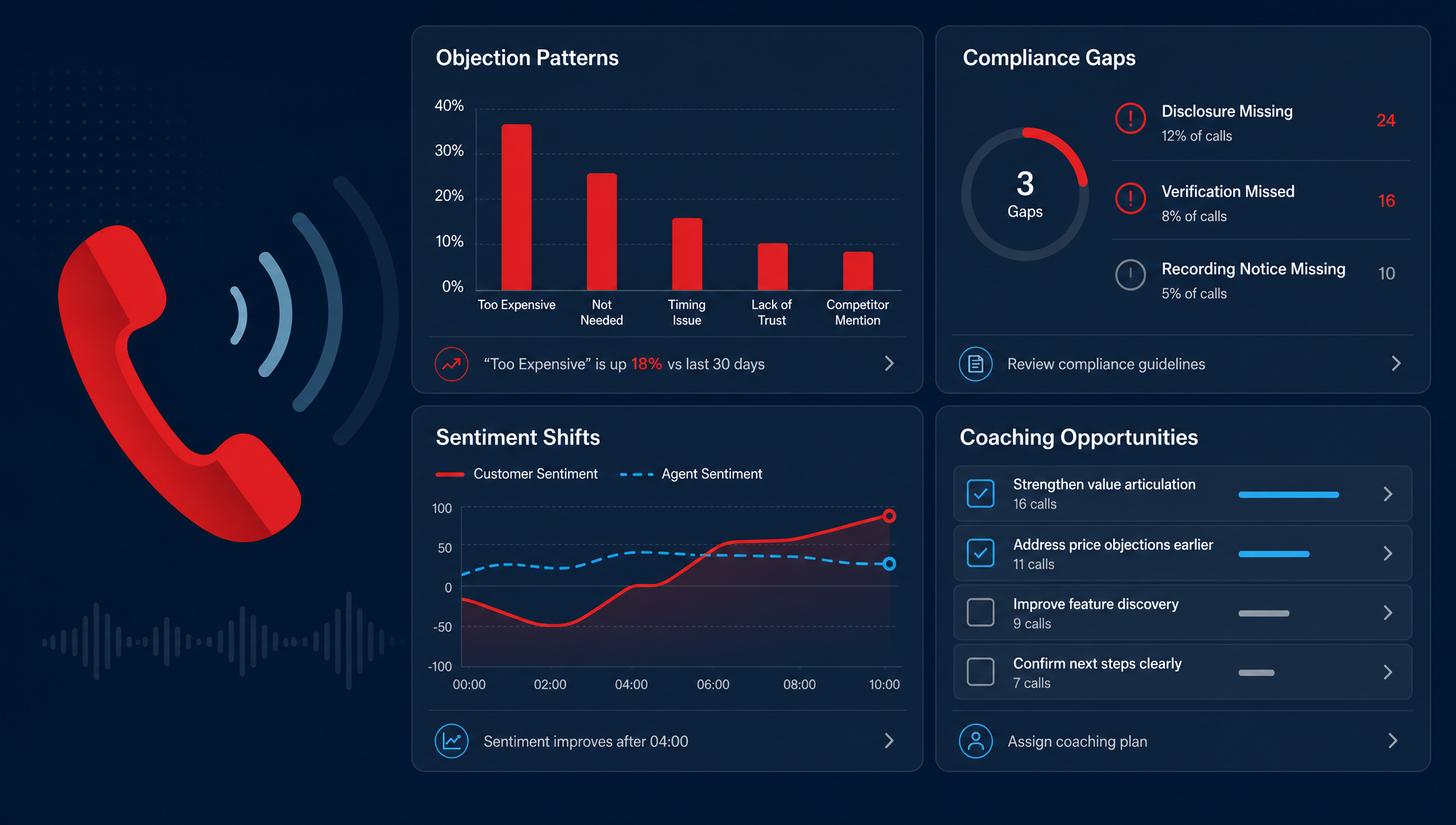
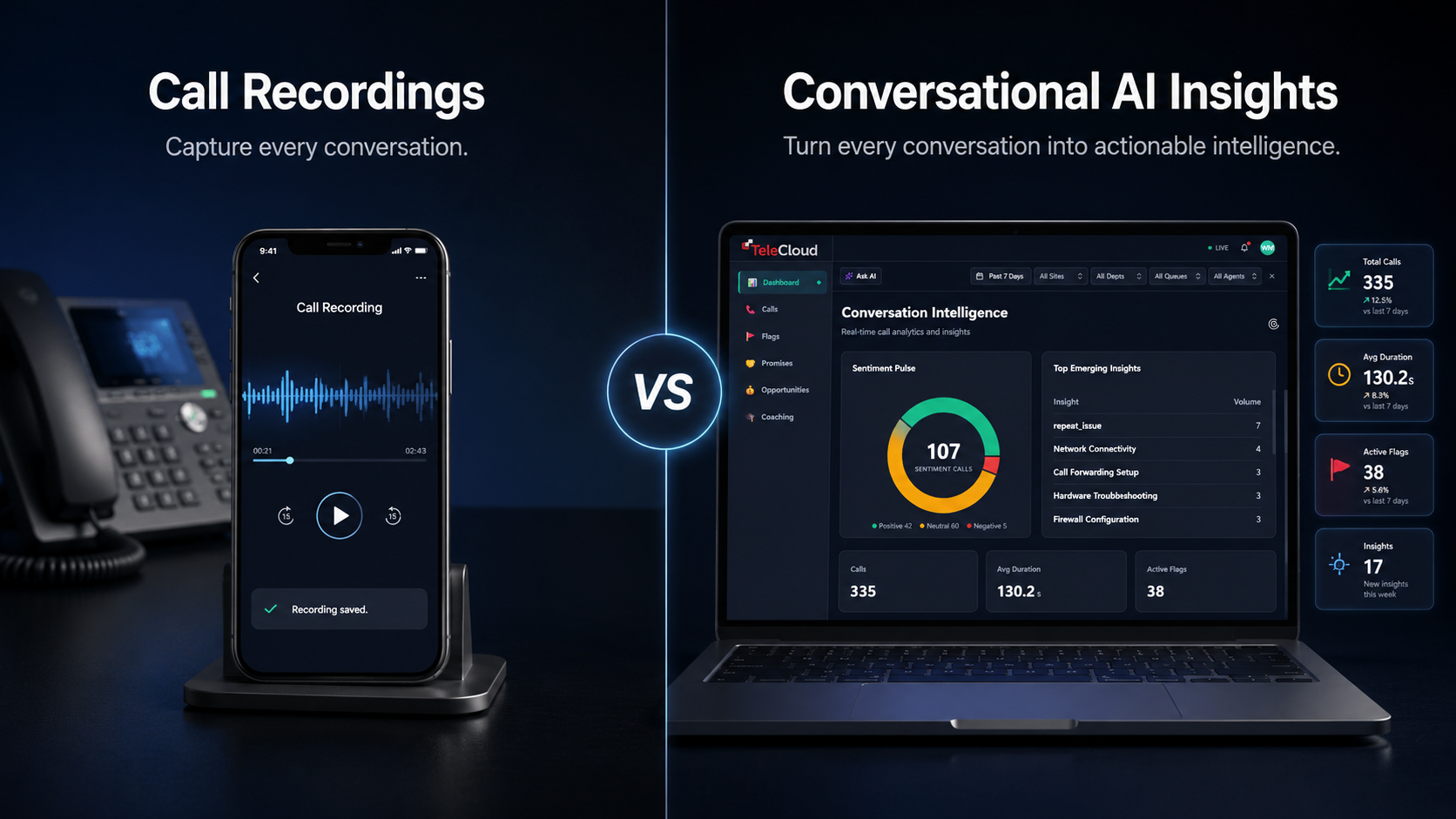
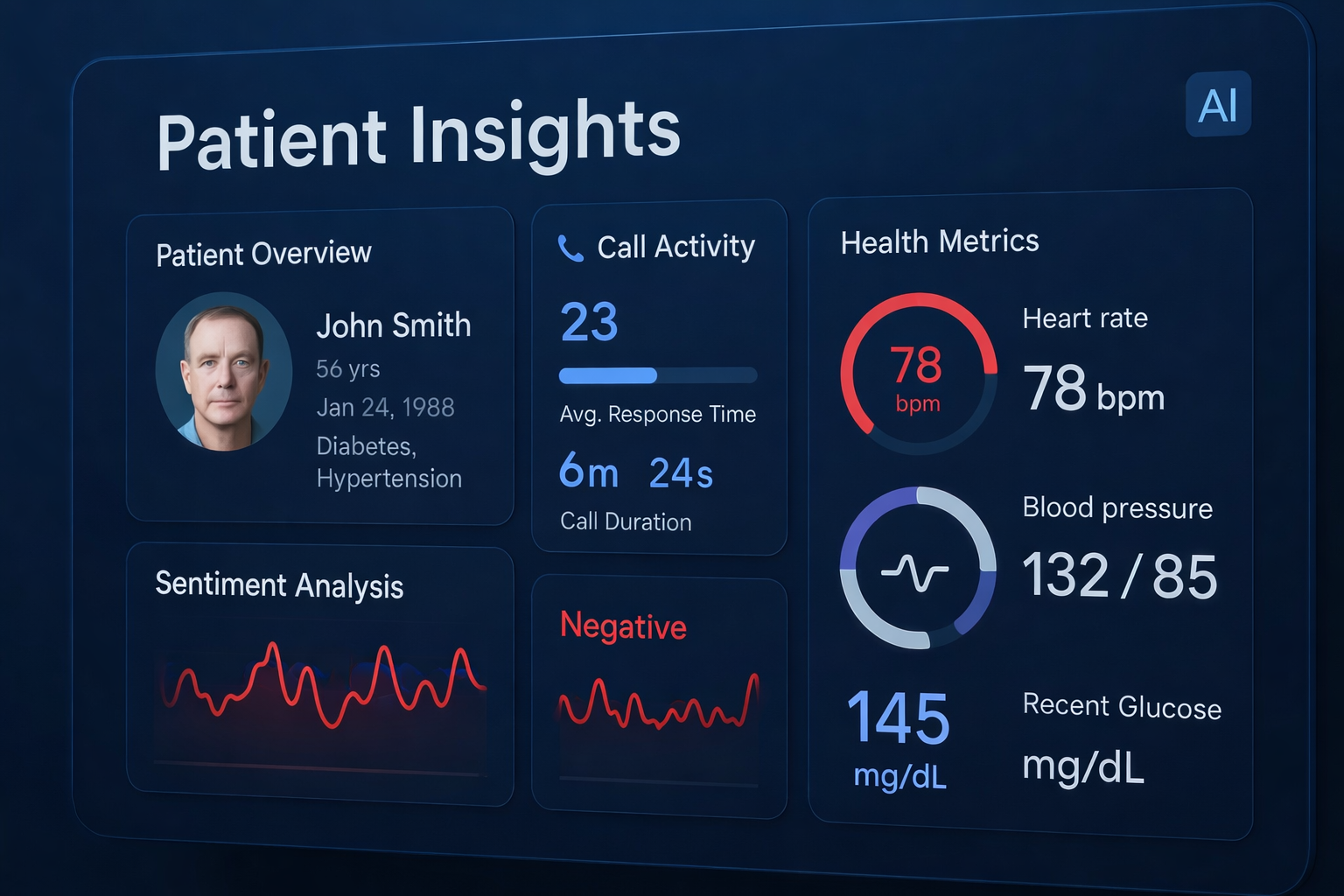
In telecom and contact centers, vCons enable similar intelligence: identifying frustrated customers, tracking agent performance, and finding trends across thousands of calls. In healthcare, they could ensure patient conversations are stored securely while still enabling quality improvements.
vCons help organizations turn conversations into insight, for customers and employees alike.
How Businesses Are Preparing: Smarter, Cheaper AI
Forward-thinking organizations are already implementing vCons. Instead of sending long transcripts to AI tools, they process only what matters—summaries, keywords, or sentiment data. This reduces costs and boosts AI performance.
Quote from the summit: “You’ll reduce your AI cost by using a vCon, because you can parse out exactly what data you need.”
vCons make AI more efficient, scalable, and affordable.
Looking Ahead to 2026: What to Expect Next
2026 is expected to mark the official adoption of the vCon standard. Once finalized, we’ll see a surge of innovation around it.
What’s next:
- The IETF vCon standard formally approved.
- New compliance, analytics, and AI tools built on vCons.
- Seamless interoperability across UCaaS, CCaaS, and AI ecosystems.
The groundwork is set, now it’s about scaling adoption.
A Memorable Summit Moment: Why Structure Still Matters
One of the summit’s most memorable debates came when a COO questioned the need for vCons, claiming AI could handle raw text. Dan Petrie, co-author of the standard, explained why structure is critical. Unstructured data fails at scale. Once you’re analyzing terabytes of calls, context disappears.
vCons aren’t about complexity, they’re about keeping conversations meaningful, searchable, and useful.
Key Takeaways for Leaders
- Standardization = stability. vCons unify fragmented communication systems.
- Compliance = confidence. Consent and redaction are built in.
- AI-readiness = savings. Structured data reduces processing costs.
- Early adoption = advantage. Being ready now means less catching up later.
The Future of Conversations Becomes the Standard
vCons are moving from idea to industry standard. They’re reshaping how businesses capture, store, and understand their conversations. In 2026, the question isn’t if vCons will matter, it’s when your business will adopt them.
As the industry moves toward formal standardization, now is the time to learn, explore, and experiment. Follow TeleCloud’s coverage and insights to stay informed about how vCons and other AI communication standards are reshaping the future of business communications.
TeleCloud helps businesses turn conversations into intelligence. Every call and message holds value; vCons represent a step toward ensuring that value is captured, understood, and applied effectively. Every call and message holds value; vCons make sure you never lose it.
Matt Gavin is TeleCloud's Operations Manager, with 15+ years of telecom experience spanning network engineering, billing operations, and AI-driven process automation. He writes about the technology behind reliable phone systems, from VoIP infrastructure to how AI tools are changing day-to-day operations. Connect with Matt on LinkedIn or email him directly to learn more.
Topics: