
AI Receptionist vs Auto Attendant: Which One Fits Your Business?
December 18th, 2025
4 min read
By Will Maddox
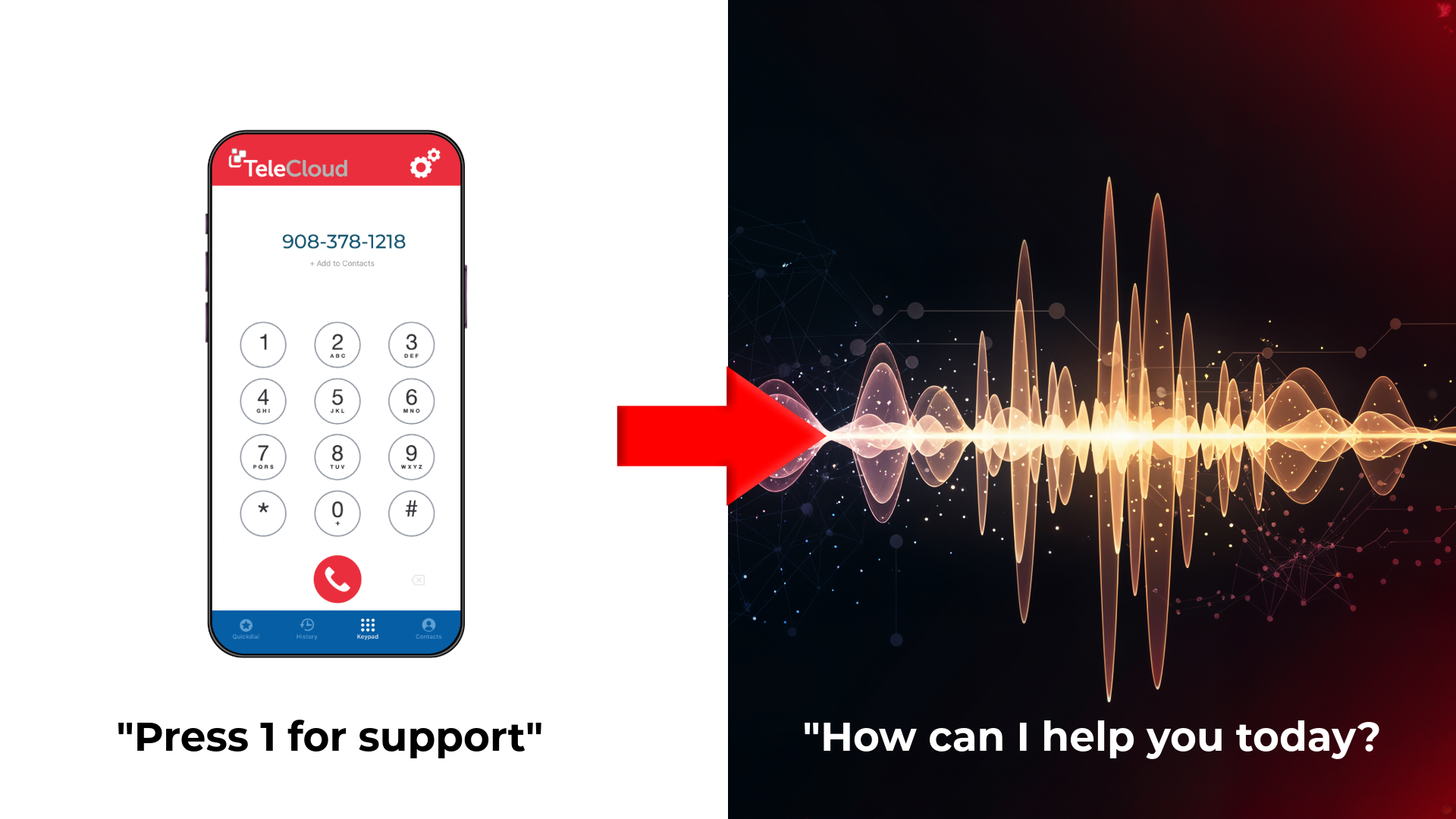
AI receptionists and auto attendants both help businesses manage incoming calls efficiently, but they work in very different ways. Auto attendants use touch-tone menus to route calls, while AI receptionists use natural conversation and artificial intelligence to understand and assist callers.
For years, auto attendants have been the standard for handling business calls. They greet customers, provide menu options, and send them to the right department. It’s a familiar system, and for many businesses, it still works. But as customer expectations shift toward faster, more personal interactions, many companies are exploring AI receptionists as the next step.
If you’re wondering whether you need an AI receptionist or if your current auto attendant is enough, you’re not alone.
This article will explain what each does, how they differ, and how to decide which one fits your business best.
Table of Contents
- What Is an Auto Attendant (and Why Businesses Use It)?
- What Is an AI Receptionist?
- Key Differences Between AI Receptionists and Auto Attendants
- When an Auto Attendant Still Makes Sense
- When to Consider an AI Receptionist Instead
- How to Transition From Auto Attendant to AI Receptionist (Crawl–Walk–Run)
- Choosing What Fits Your Business
What Is an Auto Attendant (and Why Businesses Use It)?
An auto attendant is an automated phone system that greets callers and directs them through a set of pre-recorded menu options. You’ve probably heard one before: “Press 1 for Sales, Press 2 for Support.”
Auto attendants are reliable and cost-effective, especially for small businesses that receive predictable call types. They ensure that calls are routed quickly without needing a live receptionist.
Advantages of auto attendants:
- Consistent greeting every time
- Low maintenance and easy to set up
- Ideal for basic routing and standardized workflows
Limitations:
- They rely entirely on touch-tone inputs
- Callers must listen through long menus
- They cannot understand natural language or caller intent
- They cannot personalize interactions
Example: A small HVAC company uses an auto attendant to route calls between departments. It works fine during the day, but if a customer says, “I need to reschedule my appointment,” the system can’t help; it simply sends the caller to voicemail or a random extension.
Auto attendants are efficient for structured call flows but can feel rigid when customers want faster, more human-like service.
What Is an AI Receptionist?
An AI receptionist is a voice-powered virtual assistant that uses artificial intelligence to manage inbound calls. It can understand spoken language, detect intent, and respond naturally to caller requests.
Instead of forcing callers through a numbered menu, an AI receptionist lets them speak in their own words. For example, if someone says, “I’d like to talk to billing,” the AI understands and routes the call instantly, no button presses required.
Key capabilities:
- Answers calls using natural conversation
- Understands and responds to caller intent
- Handles FAQs and routine inquiries automatically
- Provides 24/7 call coverage
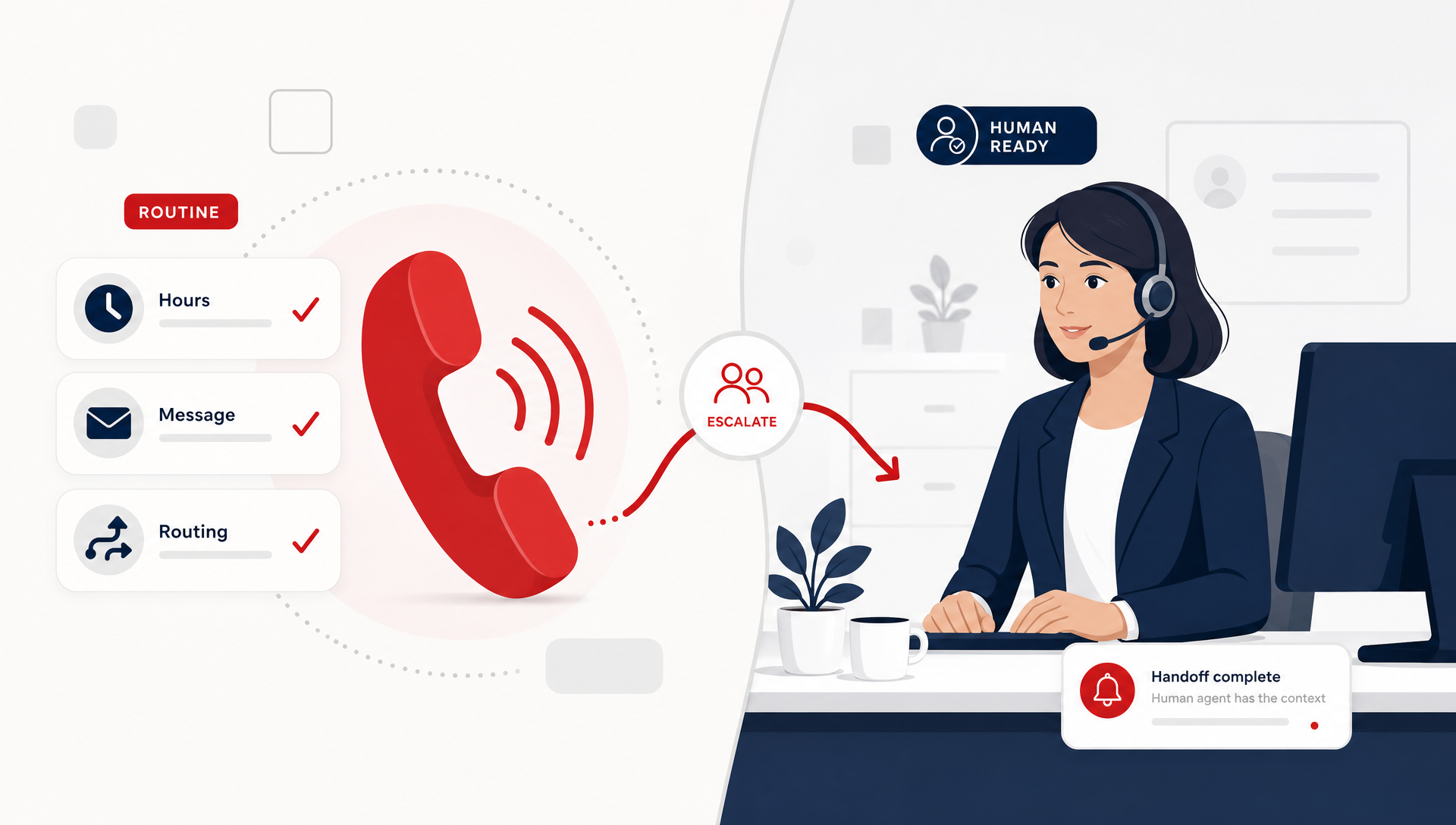
- Routes or escalates calls when needed
Example: A dental office uses an AI receptionist to answer after-hours calls. It can confirm appointments, provide office hours, and send urgent messages to on-call staff. Customers get quick, accurate answers, and the office doesn’t lose potential appointments overnight.
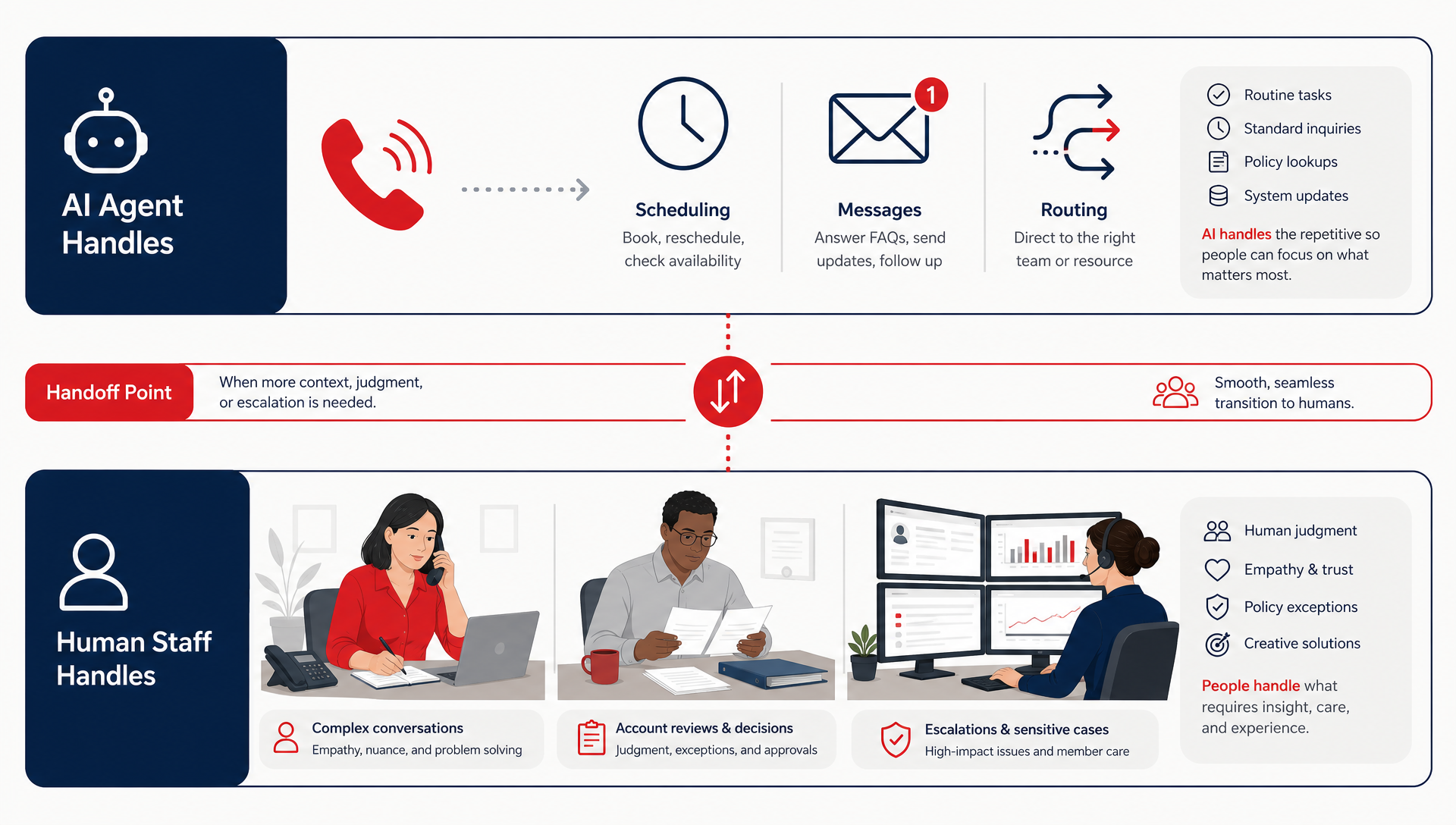
AI receptionists don’t replace human employees. They handle routine interactions so real people can focus on meaningful conversations.
Key Differences Between AI Receptionists and Auto Attendants
|
Feature |
Auto Attendant |
AI Receptionist |
|
Interaction |
Button-based menu |
Natural conversation |
|
Personalization |
None |
Recognizes caller intent |
|
Availability |
Business hours |
24/7 coverage |
|
Flexibility |
Fixed menu options |
Adaptive and customizable |
|
Caller Experience |
Structured |
Human-like |
|
Setup |
Simple |
Gradual (customized) |
|
Best For |
Basic routing |
Enhanced CX |
Auto attendants manage calls efficiently, but they operate within strict limits. AI receptionists go further by adding intelligence and empathy to the process. They make every interaction feel more personal and connected while reducing the load on your staff.
When an Auto Attendant Still Makes Sense
Auto attendants still serve a valuable role, especially for businesses that don’t need conversational AI.
Best-fit scenarios:
- Businesses with low call volume and simple routing
- Teams that only need to separate departments or extensions
- Companies with consistent, predictable call patterns
- Organizations that want a low-maintenance system
If your business receives straightforward calls and your customers are comfortable using touch-tone menus, an auto attendant may be all you need right now.
They’re reliable, familiar, and cost-effective, and they’re not going away anytime soon.
When to Consider an AI Receptionist Instead
AI receptionists become valuable when customer expectations or call volume outgrow what an auto attendant can manage.
Best-fit scenarios:
- After-hours or weekend calls go unanswered
- Your team struggles with repetitive inquiries
- Callers frequently abandon calls or hang up in frustration
- You want a more conversational, branded caller experience
AI receptionists don’t require a full system overhaul. You can start small, like replacing after-hours voicemail or handling overflow calls, then expand as you learn what works.
Example: A service business that closes at 6 PM can deploy an AI receptionist to answer evening calls, take messages, or even schedule appointments. Instead of sending customers to voicemail, the AI keeps your business responsive around the clock.
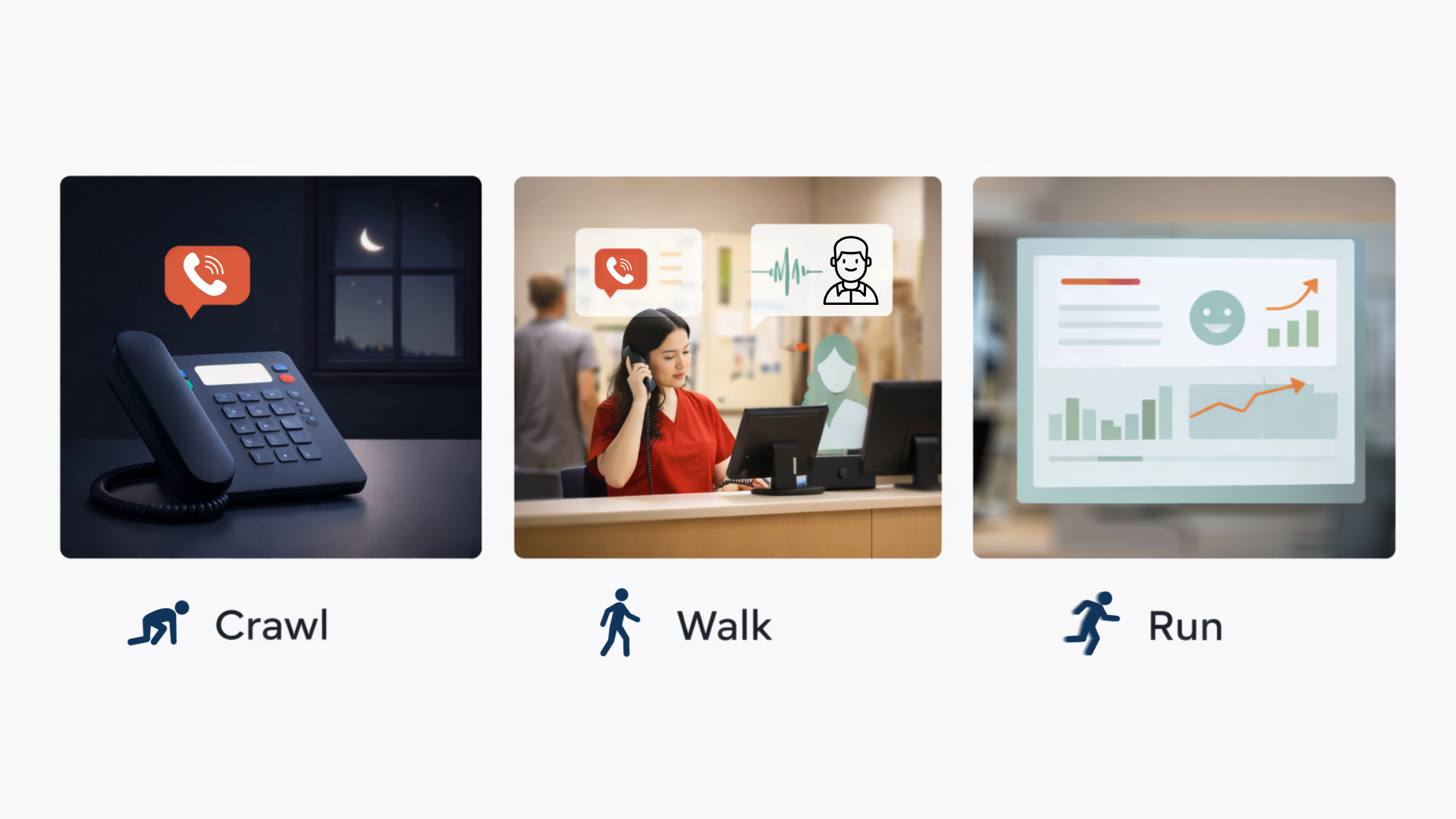
How to Transition From Auto Attendant to AI Receptionist (Crawl–Walk–Run)
Implementing AI doesn’t have to be overwhelming. The most successful businesses adopt AI receptionists gradually, testing and adjusting as they go.
Crawl: Start Simple
Replace your nighttime voicemail or overflow routing with an AI receptionist. Let it answer basic questions and take messages. This is the lowest-risk way to see how it fits your workflow.
And if you decide to stay at this stage for a while, that’s perfectly fine. Many businesses find the “crawl” phase provides exactly the balance they need: better call coverage without overhauling existing systems. You should move forward only when it makes sense for your team and your customers.
Walk: Add Smart Assistance
Once you’re comfortable, expand its role to handle common daytime calls, such as appointment confirmations or FAQ responses. Use caller feedback to refine tone and accuracy.
Run: Optimize and Personalize
Eventually, you can customize your AI receptionist to match your brand’s personality, recognize repeat callers, and even anticipate customer needs.
The crawl–walk–run approach ensures that AI complements your current system rather than replacing it overnight.
Choosing What Fits Your Business
Choosing between an auto attendant and an AI receptionist depends on your business goals, not just your size.
Ask yourself:
- Are missed calls or voicemails costing opportunities?
- Do customers often hang up before reaching the right person?
- Is your team spending too much time on repetitive calls?
If you answered yes, an AI receptionist might be the right next step.
If your business runs smoothly with simple routing and low call volume, your auto attendant may still be the best fit, for now.
The important part is not the tool you use, but the experience your customers have when they call.
Moving Toward Smarter Call Handling
AI receptionists and auto attendants aren’t competitors; they’re part of the same evolution in business communication. Auto attendants built the foundation for efficiency. AI receptionists build on that foundation to make call handling smarter, faster, and more human.
If your business is ready for a more natural, flexible, and responsive call experience, you can start small. Add AI where it helps most: after-hours coverage, overflow handling, or simple FAQs and grow from there.
Every call is a customer experience. Choosing the right technology helps you make the most of every one.
If you’re exploring ways to modernize your phone system or curious about how AI receptionists could fit your workflow, connect with a TeleCloud specialist. We’ll walk you through practical ways to improve call handling without disrupting what already works.
Will Maddox is the Digital Marketing Coordinator at TeleCloud, overseeing content, brand, and outbound strategy for the company. He writes about cloud communications, AI tools for business, and what SMBs and urgent care operators need to know to run better phone systems. Connect with Will on LinkedIn or email him directly to learn more.
Topics: